
France Château de Chantilly
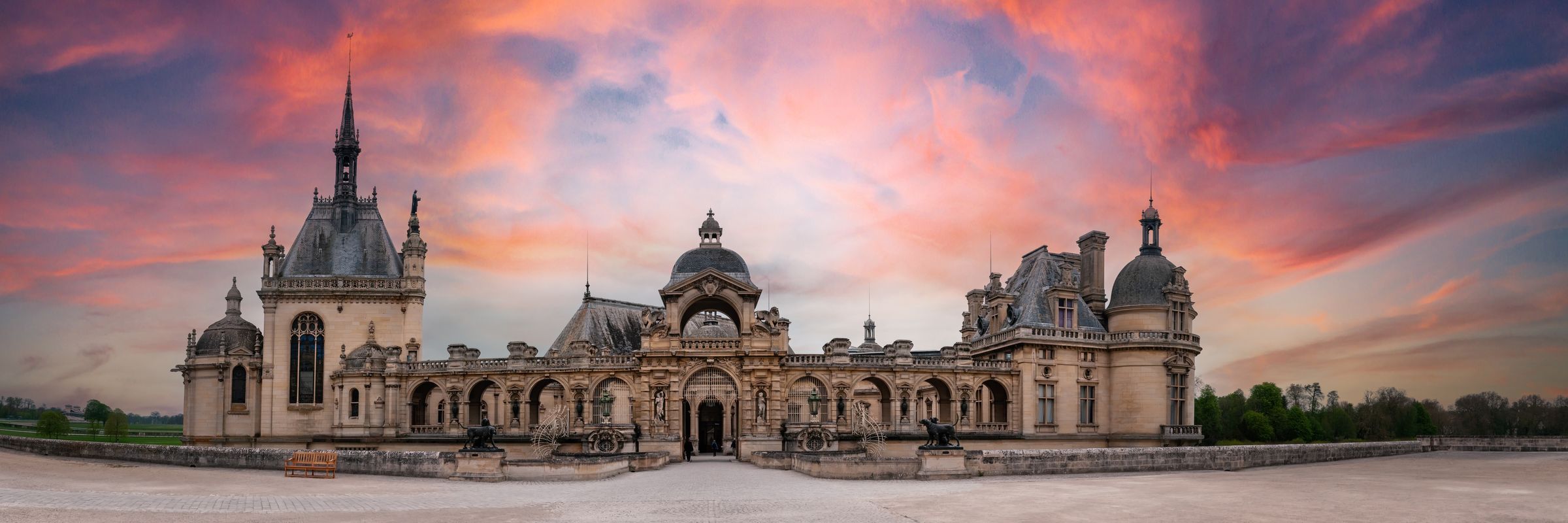
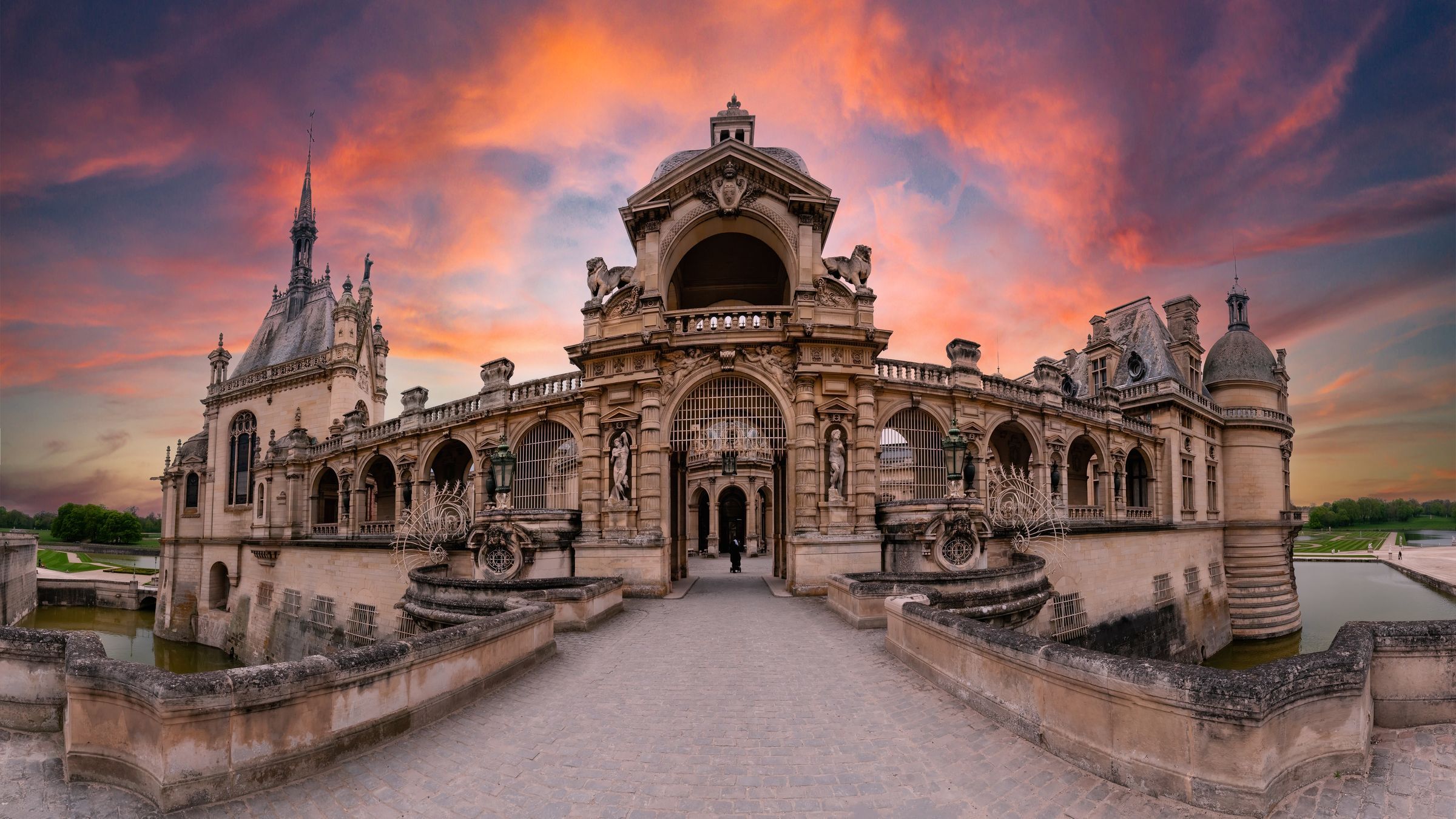
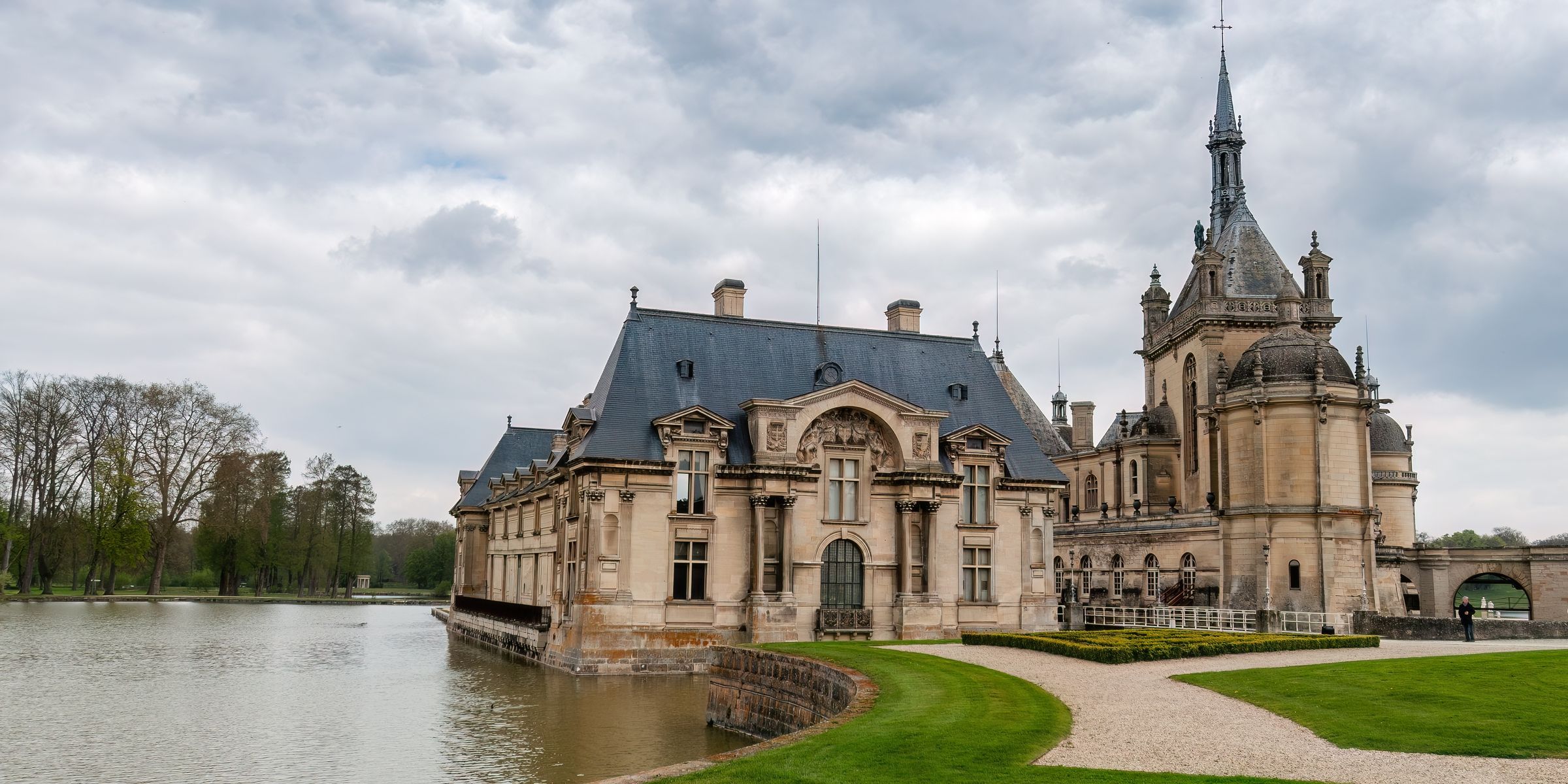
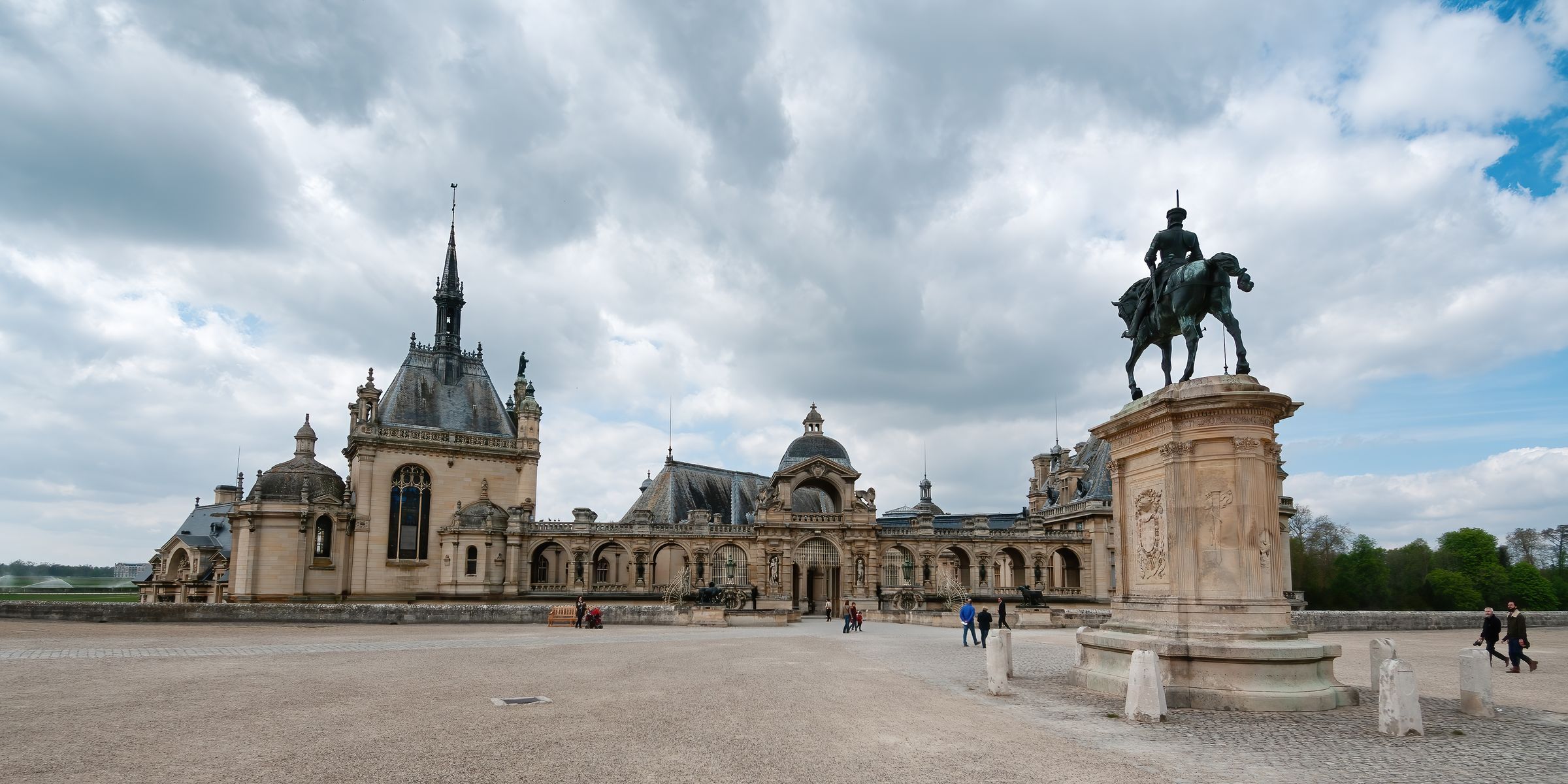
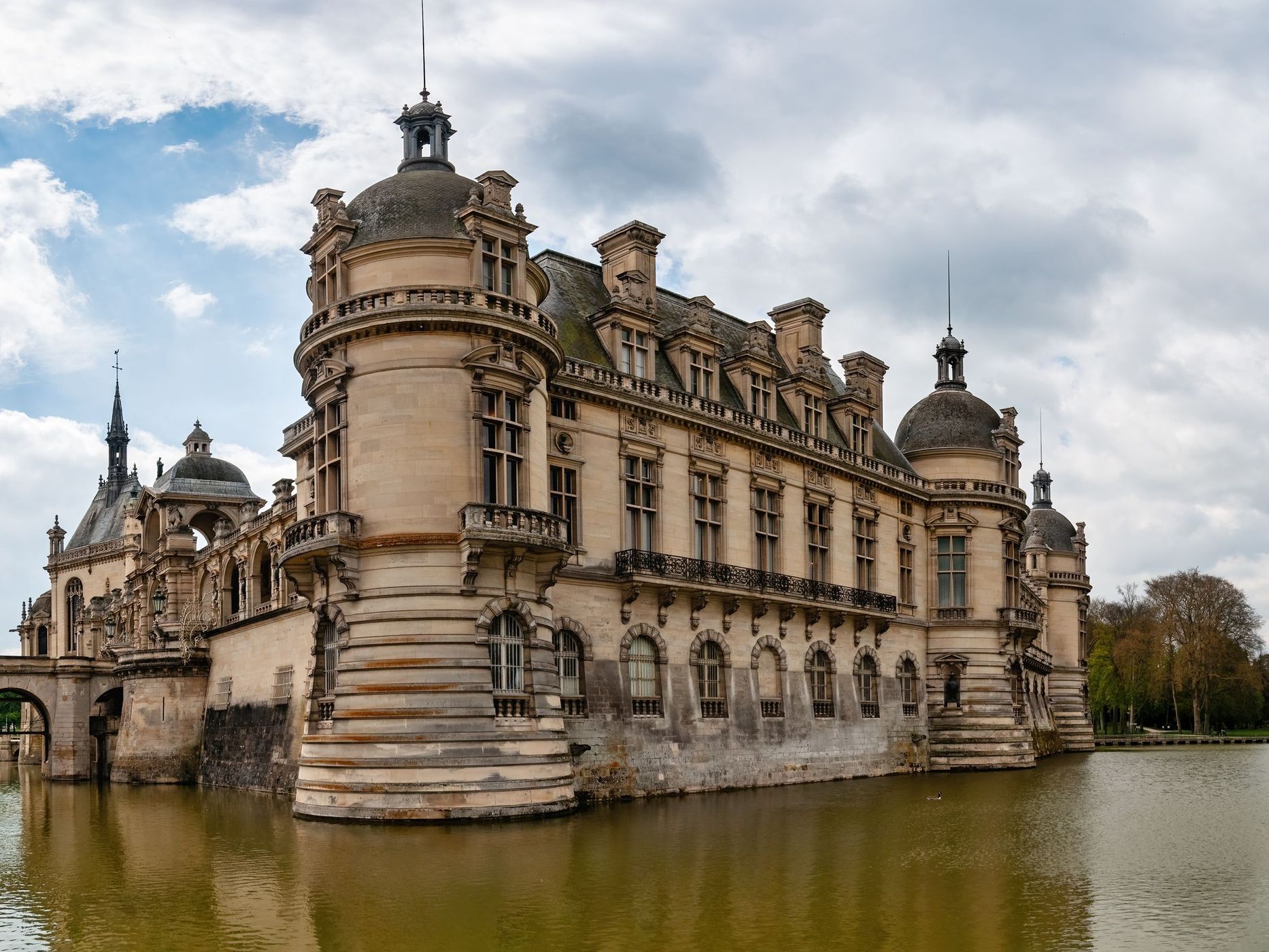
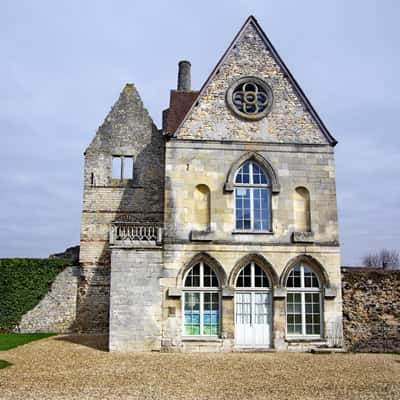
The Château de Chantilly was considered one of the most remarkable examples of French Renaissance and classical architecture. Its history was closely tied to the Montmorency and Condé families, who shaped both its form and its grandeur. The original medieval fortress was established in the Middle Ages, yet it was during the 16th century that Anne de Montmorency commissioned a Renaissance-style château, which reflected the refined architectural ideals of the time.
In the 17th century, the estate passed to the Bourbon-Condé branch of the royal family. Extensive works were undertaken, and the château’s profile was defined by elegance rather than mere defence. The Petit Château, constructed by architect Jean Bullant in the 1560s, displayed harmonious proportions, high slate roofs, and restrained ornamentation, while the Grand Château, later destroyed during the French Revolution, had stood as a symbol of princely magnificence.
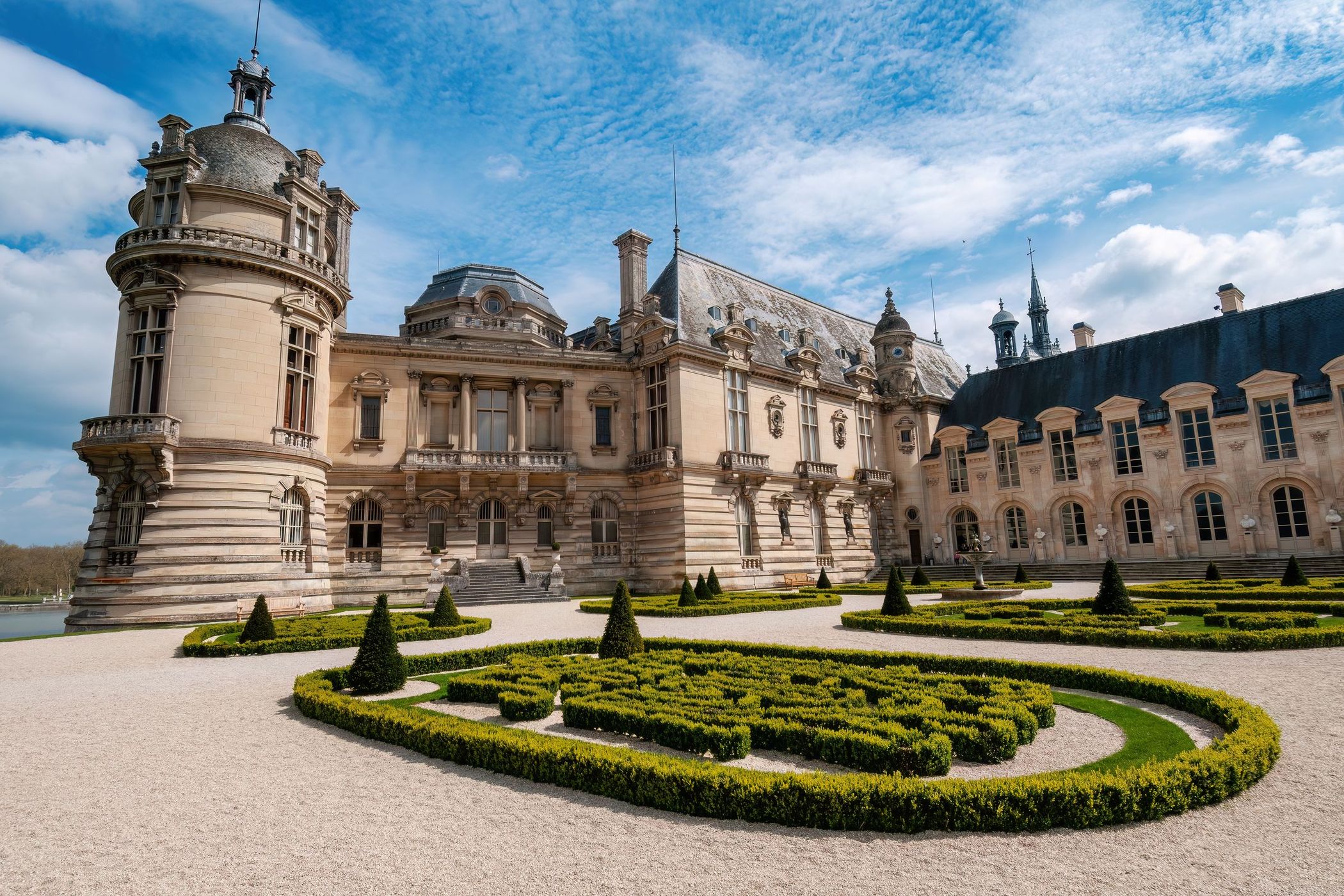
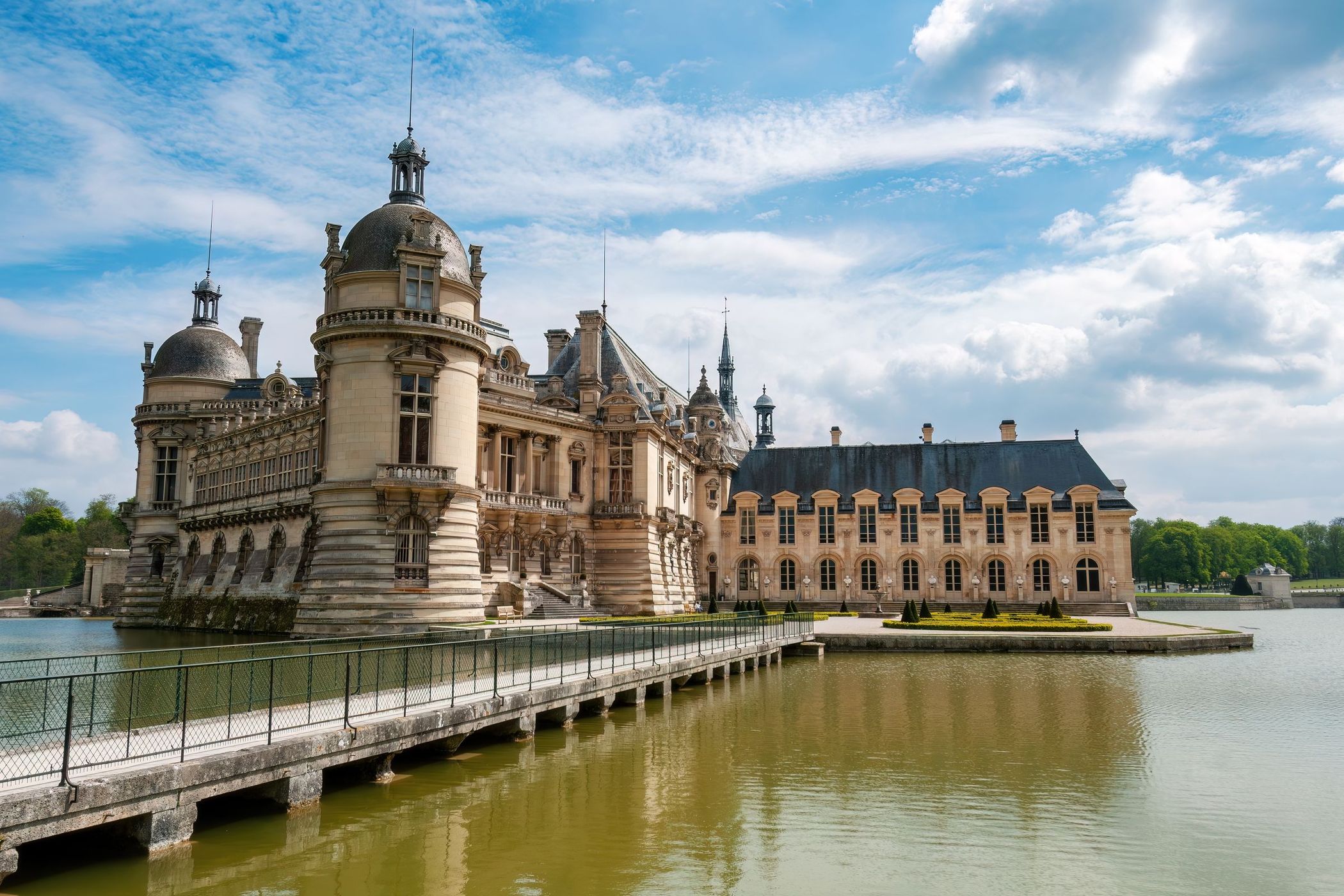
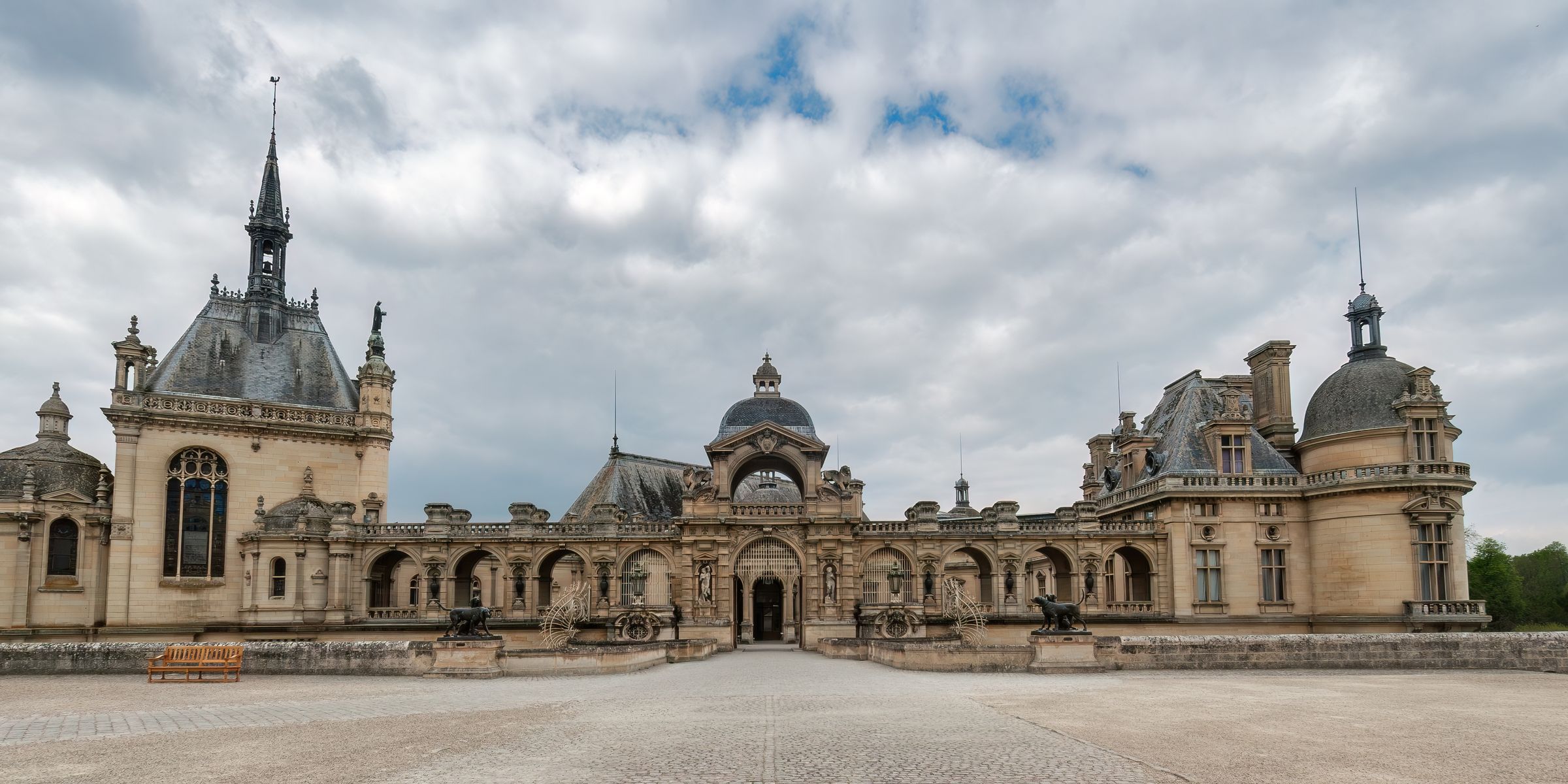
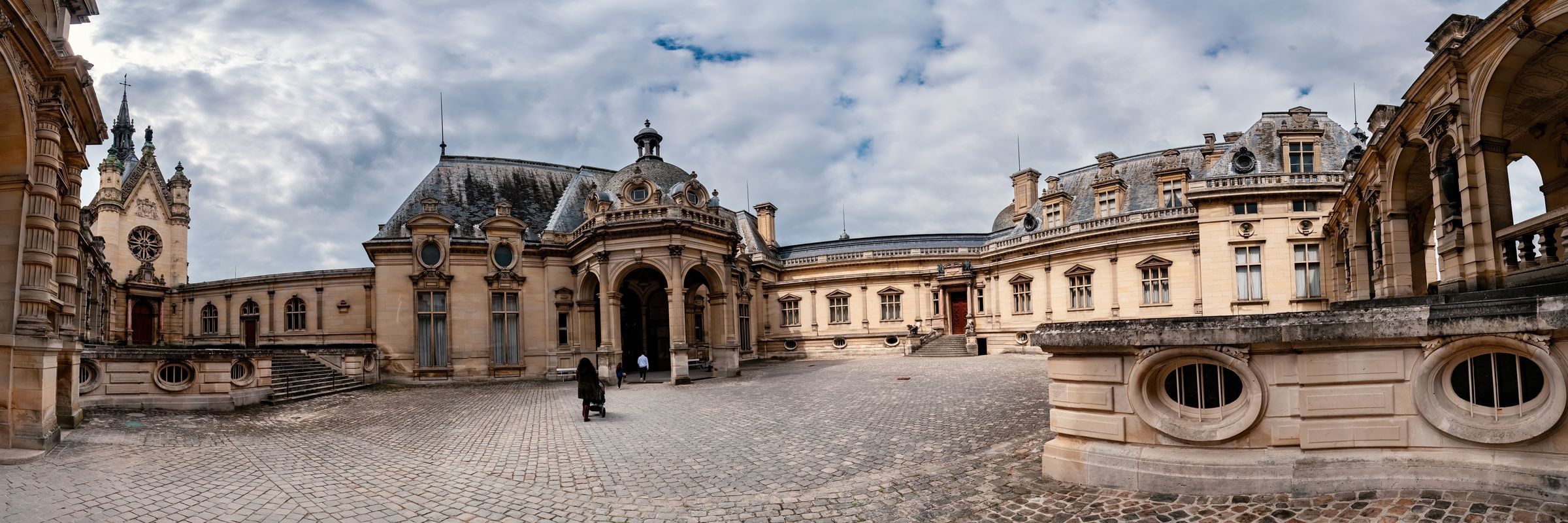
Reconstruction in the 19th century, led by the duc d’Aumale, restored Chantilly’s place among France’s great architectural landmarks. Architect Honoré Daumet was engaged to rebuild the Grand Château in a style that combined historical fidelity with 19th-century refinement. The design was marked by a blend of neo-Renaissance and classical influences, with sculpted façades, elaborate staircases, and decorative balustrades overlooking the waters of the surrounding park.
The château’s relationship with its landscape was equally significant. The extensive gardens, first designed by André Le Nôtre in the 17th century, embodied the grandeur of the French formal garden, with axial perspectives, canals, and parterres extending from the château itself. Later additions in the 18th century introduced Anglo-Chinese and picturesque garden elements, illustrating the evolution of taste across centuries.
By the 19th century, the Château de Chantilly had become both a work of revived architecture and a repository of art and culture. Its role as a seat of aristocratic power had diminished, yet its design and reconstruction were seen as tributes to the ideals of French architectural heritage. The building’s combination of Renaissance origins, classical reinterpretation, and 19th-century revival rendered it a unique palimpsest of French architecture, where history and artistry were permanently intertwined.
In the 17th century, the estate passed to the Bourbon-Condé branch of the royal family. Extensive works were undertaken, and the château’s profile was defined by elegance rather than mere defence. The Petit Château, constructed by architect Jean Bullant in the 1560s, displayed harmonious proportions, high slate roofs, and restrained ornamentation, while the Grand Château, later destroyed during the French Revolution, had stood as a symbol of princely magnificence.
Reconstruction in the 19th century, led by the duc d’Aumale, restored Chantilly’s place among France’s great architectural landmarks. Architect Honoré Daumet was engaged to rebuild the Grand Château in a style that combined historical fidelity with 19th-century refinement. The design was marked by a blend of neo-Renaissance and classical influences, with sculpted façades, elaborate staircases, and decorative balustrades overlooking the waters of the surrounding park.
The château’s relationship with its landscape was equally significant. The extensive gardens, first designed by André Le Nôtre in the 17th century, embodied the grandeur of the French formal garden, with axial perspectives, canals, and parterres extending from the château itself. Later additions in the 18th century introduced Anglo-Chinese and picturesque garden elements, illustrating the evolution of taste across centuries.
By the 19th century, the Château de Chantilly had become both a work of revived architecture and a repository of art and culture. Its role as a seat of aristocratic power had diminished, yet its design and reconstruction were seen as tributes to the ideals of French architectural heritage. The building’s combination of Renaissance origins, classical reinterpretation, and 19th-century revival rendered it a unique palimpsest of French architecture, where history and artistry were permanently intertwined.
Photography Tips
Have several focal lengths at hands
Travel Information
Easy parking
Spot Type
Outdoor
Crowd Factor
A decent amount of people
Best Timing
Blue hour/at night in summer
Sunrise & Sunset
08:14 - 18:56
| current local time: 14:45
Photo Themes
Architecture
Castle
Châteaux
Locations
Northern France
Chantilly
picardie
Hauts-de-France
Oise





Spot comments (0)