
France Verdun
History and description
Verdun has been a strategic point for centuries because it sits on a major river crossing and at the edge of natural and political frontiers. Long before the First World War, the city was a fortified place, with ramparts, bastions and later a ring of modern forts built in the nineteenth century to defend the eastern border of France.
In 1916, Verdun became the focus of a brutal, months-long battle between French and German forces. The surrounding hills were smashed by artillery, villages disappeared, and the landscape was transformed into a churned-up, cratered terrain. Names like Fort Douaumont, Fort Vaux and the Mort-Homme ridge became symbols of determination and sacrifice. After the war, many of the destroyed villages were never rebuilt; instead, they were left as “villages that died for France” and remembered with chapels and markers.
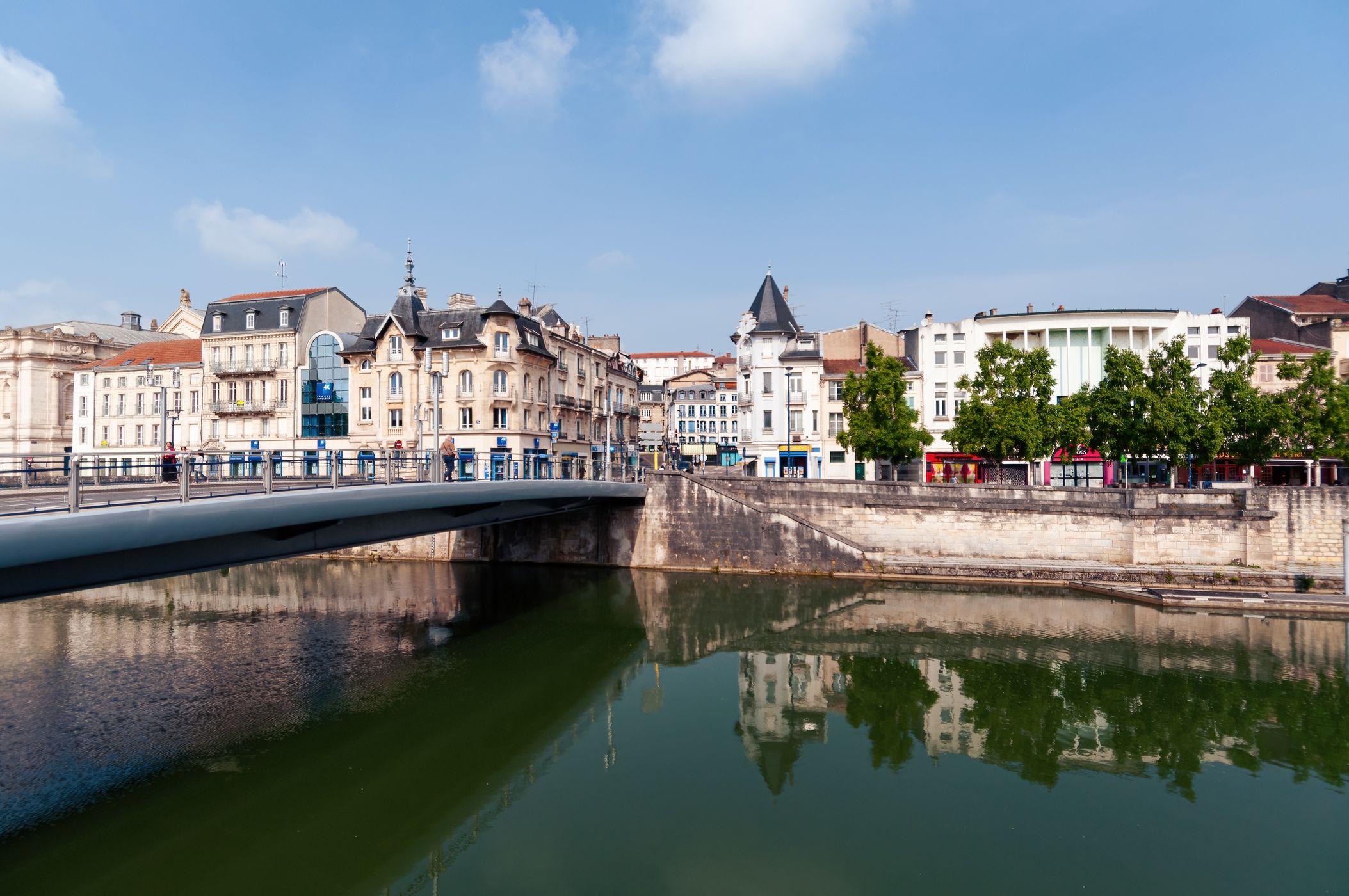
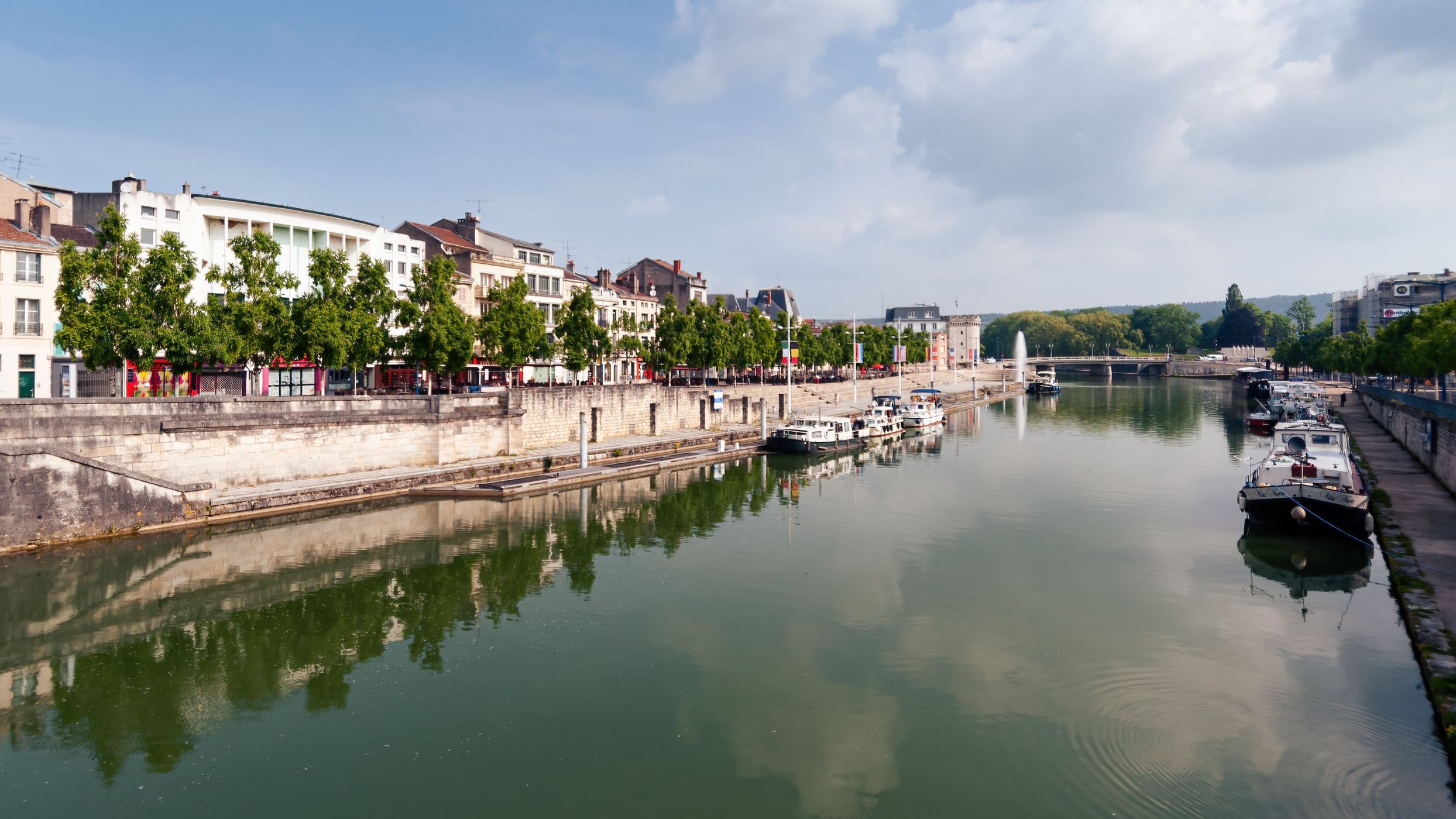
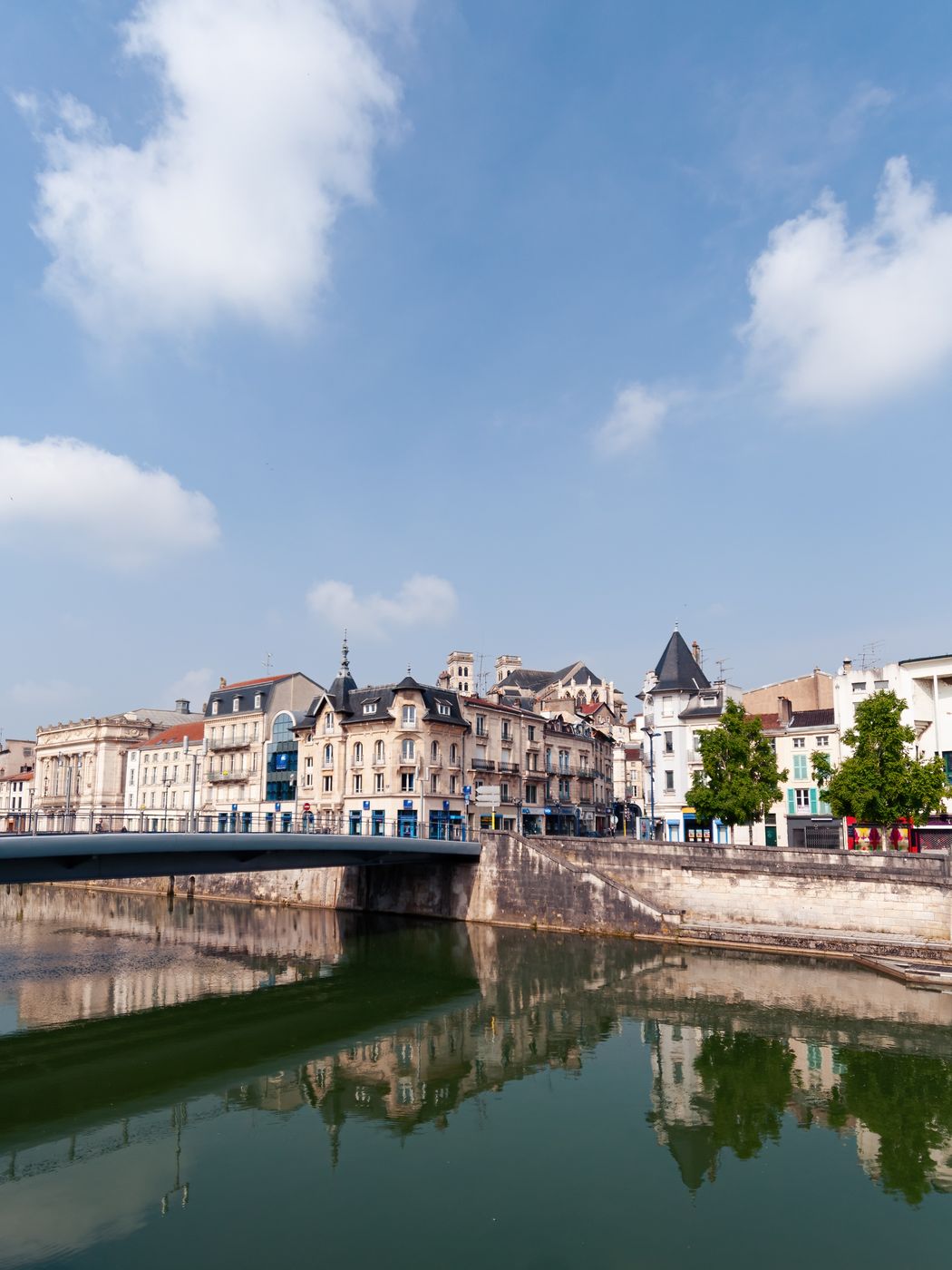
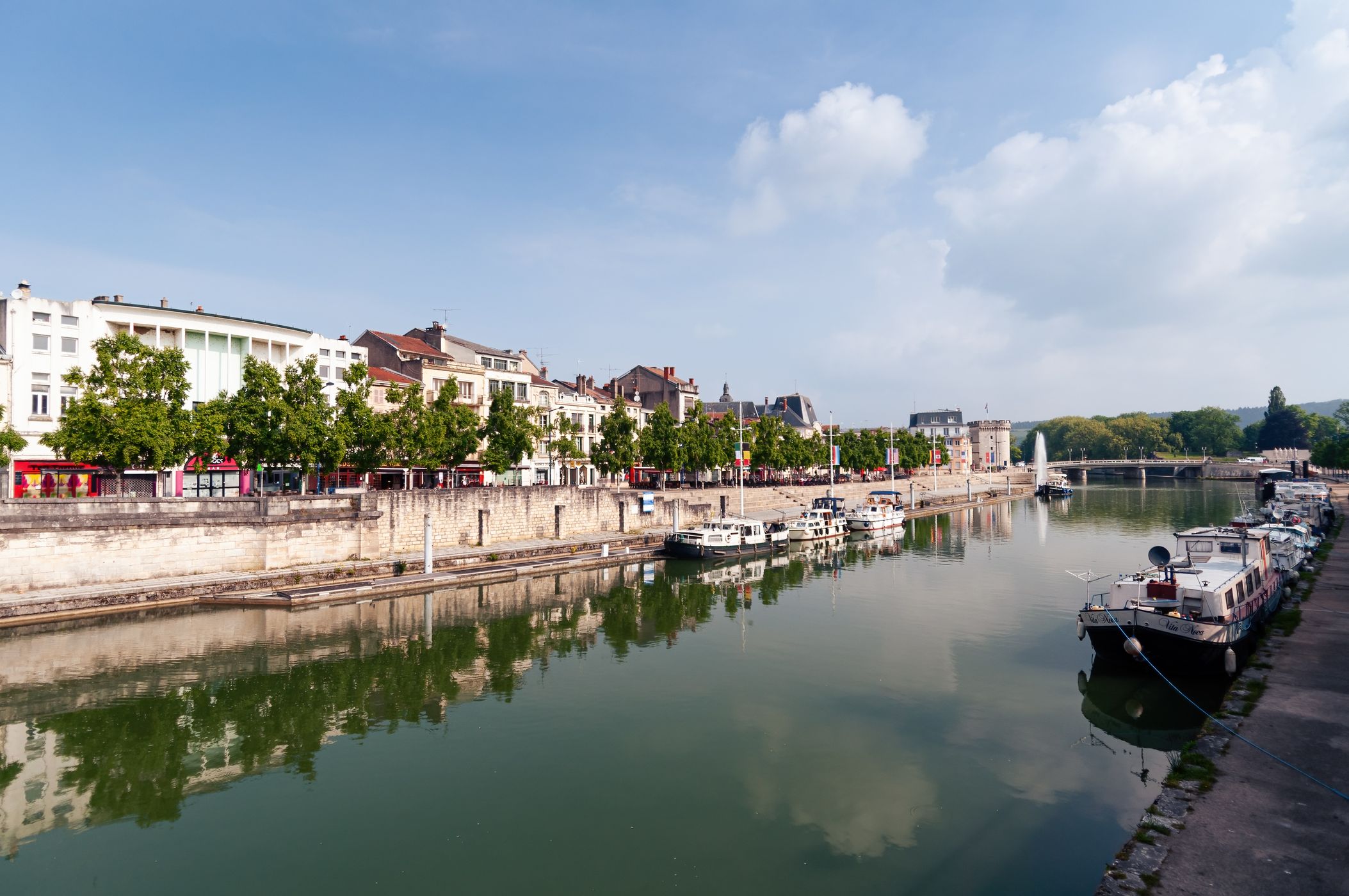
Today, Verdun itself is a calm, mid-sized town. The Meuse flows through the centre, crossed by several bridges, with quays, cafes and houses along the riverside. There is a cathedral on the hill, remains of older fortifications and a mix of older stone buildings and more recent constructions. Around the town, the former battlefield is marked by forests, memorials, cemeteries, forts and museums. The Douaumont Ossuary, with its tower and cloister, and the large military cemeteries nearby give the area a distinctive, solemn character.
Value for photographers
For photographers, Verdun offers a rare combination of urban scenes, river landscapes and deeply charged historical sites.
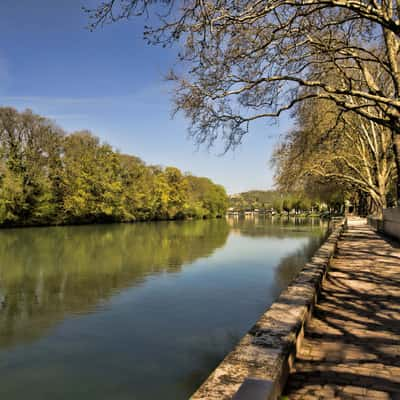
In the town itself, the Meuse is an excellent subject: bridges, reflections of facades in the water, and evening lights create calm, atmospheric images. The cathedral and the remains of the citadel give options for architectural photography, with stone textures, narrow streets and viewpoints over the rooftops.
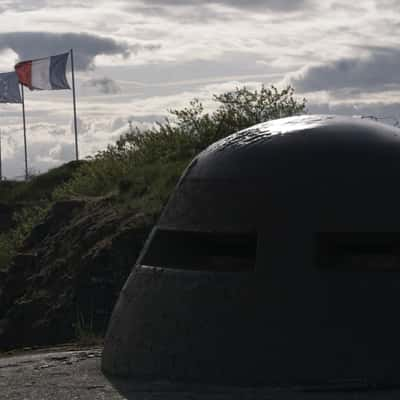
On the battlefield, the mood changes. The Douaumont Ossuary, the crosses of the war cemeteries, the shell-pocked ground and the dark interiors of forts such as Douaumont and Vaux offer strong, minimalist compositions. The gentle curves of the land, now reforested and green, contrast with the knowledge of what happened there, which can give your images a quiet tension: peaceful surfaces with a heavy story underneath.
You can move in a short drive from documentary-style shots in museums to abstract images of cratered ground and forest light, then back to the soft, reflective river scenes in town. For anyone interested in visual storytelling about memory, history and landscape, Verdun is unusually rich.
Verdun has been a strategic point for centuries because it sits on a major river crossing and at the edge of natural and political frontiers. Long before the First World War, the city was a fortified place, with ramparts, bastions and later a ring of modern forts built in the nineteenth century to defend the eastern border of France.
In 1916, Verdun became the focus of a brutal, months-long battle between French and German forces. The surrounding hills were smashed by artillery, villages disappeared, and the landscape was transformed into a churned-up, cratered terrain. Names like Fort Douaumont, Fort Vaux and the Mort-Homme ridge became symbols of determination and sacrifice. After the war, many of the destroyed villages were never rebuilt; instead, they were left as “villages that died for France” and remembered with chapels and markers.
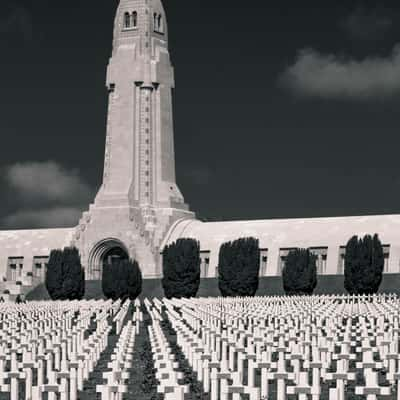
Today, Verdun itself is a calm, mid-sized town. The Meuse flows through the centre, crossed by several bridges, with quays, cafes and houses along the riverside. There is a cathedral on the hill, remains of older fortifications and a mix of older stone buildings and more recent constructions. Around the town, the former battlefield is marked by forests, memorials, cemeteries, forts and museums. The Douaumont Ossuary, with its tower and cloister, and the large military cemeteries nearby give the area a distinctive, solemn character.
Value for photographers
For photographers, Verdun offers a rare combination of urban scenes, river landscapes and deeply charged historical sites.
In the town itself, the Meuse is an excellent subject: bridges, reflections of facades in the water, and evening lights create calm, atmospheric images. The cathedral and the remains of the citadel give options for architectural photography, with stone textures, narrow streets and viewpoints over the rooftops.
On the battlefield, the mood changes. The Douaumont Ossuary, the crosses of the war cemeteries, the shell-pocked ground and the dark interiors of forts such as Douaumont and Vaux offer strong, minimalist compositions. The gentle curves of the land, now reforested and green, contrast with the knowledge of what happened there, which can give your images a quiet tension: peaceful surfaces with a heavy story underneath.
You can move in a short drive from documentary-style shots in museums to abstract images of cratered ground and forest light, then back to the soft, reflective river scenes in town. For anyone interested in visual storytelling about memory, history and landscape, Verdun is unusually rich.
Photography Tips
Verdun rewards both careful planning and quiet observation.
On the battlefield sites, keep your compositions simple and respectful. In cemeteries, long rows of crosses or headstones naturally form leading lines. Low angles can exaggerate the perspective and give a sense of scale. Overcast days can be excellent here: soft light avoids harsh shadows and suits the solemn atmosphere. Black-and-white conversions often work well for these subjects, emphasising form and contrast over colour.
At the Douaumont Ossuary, you can work with both exterior and interior. Outside, the long, horizontal form of the building and the tower offer strong geometry. Inside, if photography is allowed, light is low and directional, coming from small openings, so a fast lens and higher ISO are helpful. Always be discreet; other visitors are often there for quiet remembrance rather than tourism.
In the forts, light levels drop even further. Plan for high ISO, wide apertures, and look for shafts of light in corridors, doorways and firing positions. The contrast between lit and dark areas lends itself to dramatic, almost graphic images. A small tripod is useful if permitted, but even handheld, you can aim for moody, slightly blurred images that convey the claustrophobia of the spaces.
In the town and along the Meuse, golden hour is prime time. Early morning and late evening give warm light on facades, gentle reflections in the river and layered views of bridges, trees and buildings. Use the river as a compositional spine: place it diagonally or in an S-curve through the frame, and let bridges, boats or reflections act as focal points. At night, the illuminated bridges and riverside buildings are excellent for long exposures.
From higher points near the cathedral or any accessible viewpoint, you can capture broader cityscapes with the river curving through, useful as establishing shots if you are building a narrative sequence. Think in terms of a visual essay: start with wide overviews of the town, move out to battlefield panoramas, then zoom in to details such as names on memorials, shell craters, rusted metal, and finish with calmer river or street scenes to close the story.
On the battlefield sites, keep your compositions simple and respectful. In cemeteries, long rows of crosses or headstones naturally form leading lines. Low angles can exaggerate the perspective and give a sense of scale. Overcast days can be excellent here: soft light avoids harsh shadows and suits the solemn atmosphere. Black-and-white conversions often work well for these subjects, emphasising form and contrast over colour.
At the Douaumont Ossuary, you can work with both exterior and interior. Outside, the long, horizontal form of the building and the tower offer strong geometry. Inside, if photography is allowed, light is low and directional, coming from small openings, so a fast lens and higher ISO are helpful. Always be discreet; other visitors are often there for quiet remembrance rather than tourism.
In the forts, light levels drop even further. Plan for high ISO, wide apertures, and look for shafts of light in corridors, doorways and firing positions. The contrast between lit and dark areas lends itself to dramatic, almost graphic images. A small tripod is useful if permitted, but even handheld, you can aim for moody, slightly blurred images that convey the claustrophobia of the spaces.
In the town and along the Meuse, golden hour is prime time. Early morning and late evening give warm light on facades, gentle reflections in the river and layered views of bridges, trees and buildings. Use the river as a compositional spine: place it diagonally or in an S-curve through the frame, and let bridges, boats or reflections act as focal points. At night, the illuminated bridges and riverside buildings are excellent for long exposures.
From higher points near the cathedral or any accessible viewpoint, you can capture broader cityscapes with the river curving through, useful as establishing shots if you are building a narrative sequence. Think in terms of a visual essay: start with wide overviews of the town, move out to battlefield panoramas, then zoom in to details such as names on memorials, shell craters, rusted metal, and finish with calmer river or street scenes to close the story.
Travel Information
Verdun lies in the Grand Est region of France, in the historical area of Lorraine, roughly east of Paris and north-west of Metz.
By train, Verdun is served by regional services rather than high-speed lines. From Paris, a common route is to take a high-speed train to a larger hub in the region, such as Metz or a nearby TGV station, and then change to a regional train or bus to Verdun. Travel times vary with connections, so it is worth checking current timetables in advance, but in general the journey fits comfortably into half a day.
By car, Verdun is straightforward to reach via the A4 motorway, which links Paris and Strasbourg. The city lies not far from the motorway exits, with clear signposting to Verdun and the memorial sites. From neighbouring countries such as Luxembourg, Belgium or Germany, Verdun can be reached in a few hours by a mix of motorways and regional roads across the border.
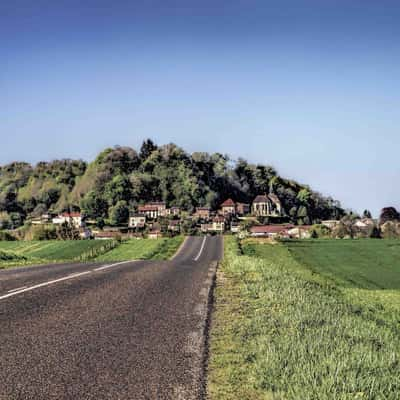
Once in Verdun, the town centre is walkable. The riverfront, cathedral area and central streets are easy to explore on foot. However, the main battlefield sites, forts and memorials are spread over a larger area around the city. To visit places such as Fort Douaumont, Fort Vaux, the Douaumont Ossuary and some of the destroyed villages, a car or organised tour is very helpful. Cycling is possible for the fitter and more patient, as the distances are manageable but involve some hills. Moving between town and battlefield, you pass through rolling countryside that offers its own quiet photographic opportunities between the more intense historic locations.
By train, Verdun is served by regional services rather than high-speed lines. From Paris, a common route is to take a high-speed train to a larger hub in the region, such as Metz or a nearby TGV station, and then change to a regional train or bus to Verdun. Travel times vary with connections, so it is worth checking current timetables in advance, but in general the journey fits comfortably into half a day.
By car, Verdun is straightforward to reach via the A4 motorway, which links Paris and Strasbourg. The city lies not far from the motorway exits, with clear signposting to Verdun and the memorial sites. From neighbouring countries such as Luxembourg, Belgium or Germany, Verdun can be reached in a few hours by a mix of motorways and regional roads across the border.
Once in Verdun, the town centre is walkable. The riverfront, cathedral area and central streets are easy to explore on foot. However, the main battlefield sites, forts and memorials are spread over a larger area around the city. To visit places such as Fort Douaumont, Fort Vaux, the Douaumont Ossuary and some of the destroyed villages, a car or organised tour is very helpful. Cycling is possible for the fitter and more patient, as the distances are manageable but involve some hills. Moving between town and battlefield, you pass through rolling countryside that offers its own quiet photographic opportunities between the more intense historic locations.
Spot Type
Outdoor
Crowd Factor
A decent amount of people
Best Timing
Summer
Sunrise & Sunset
08:02 - 18:45
| current local time: 11:55
Photo Themes
City
River
Locations
Northern France
Meuse
Verdun
Grand Est





Spot comments (0)