
France Forges de Buffon
The Grande Forge de Buffon was one of the first “integrated factories” of the 18th century.
The site was designed to optimize the manufacturing process, bringing together industrial facilities, the master’s residence, and workers’ housing within a single complex.
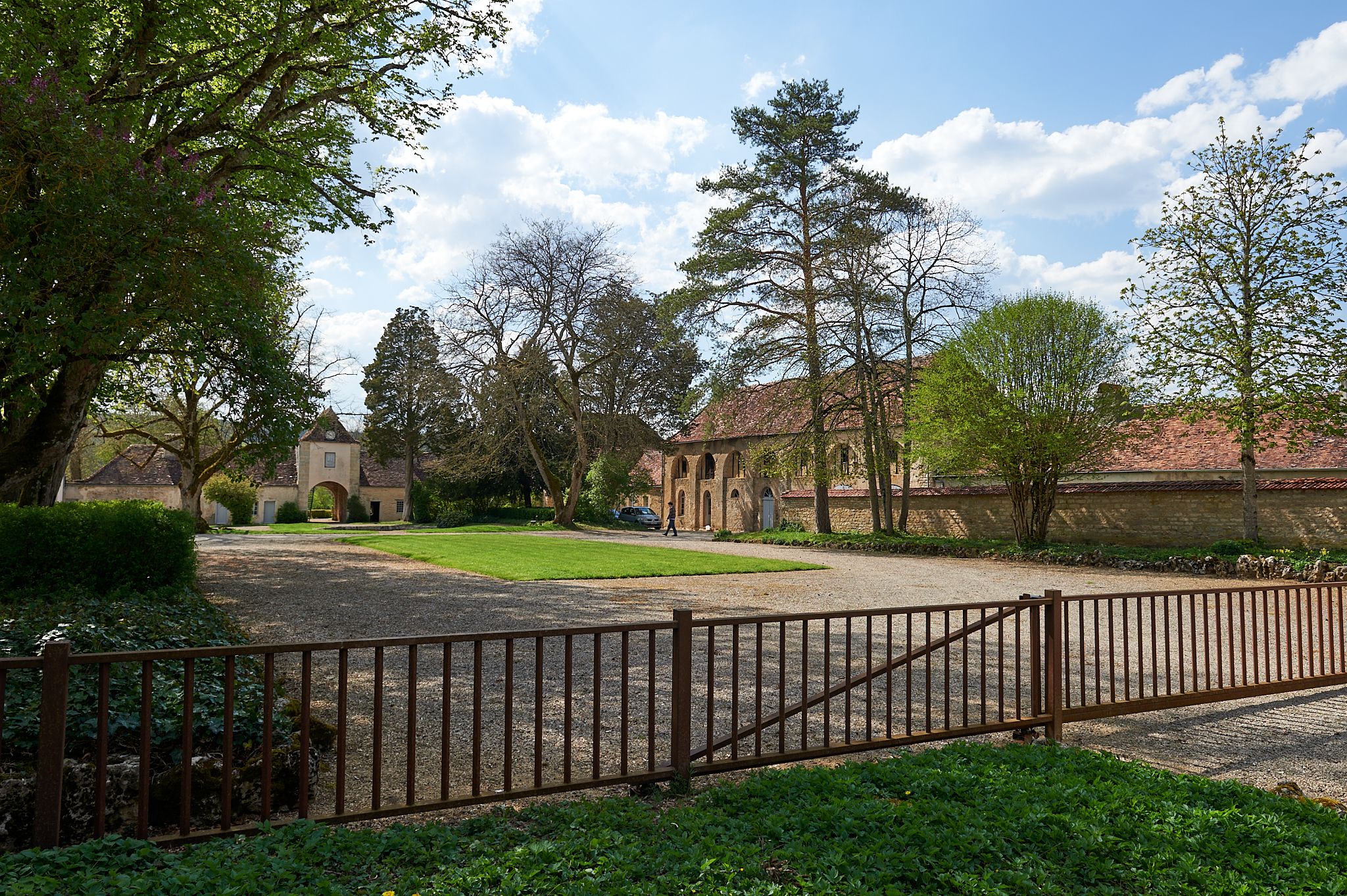
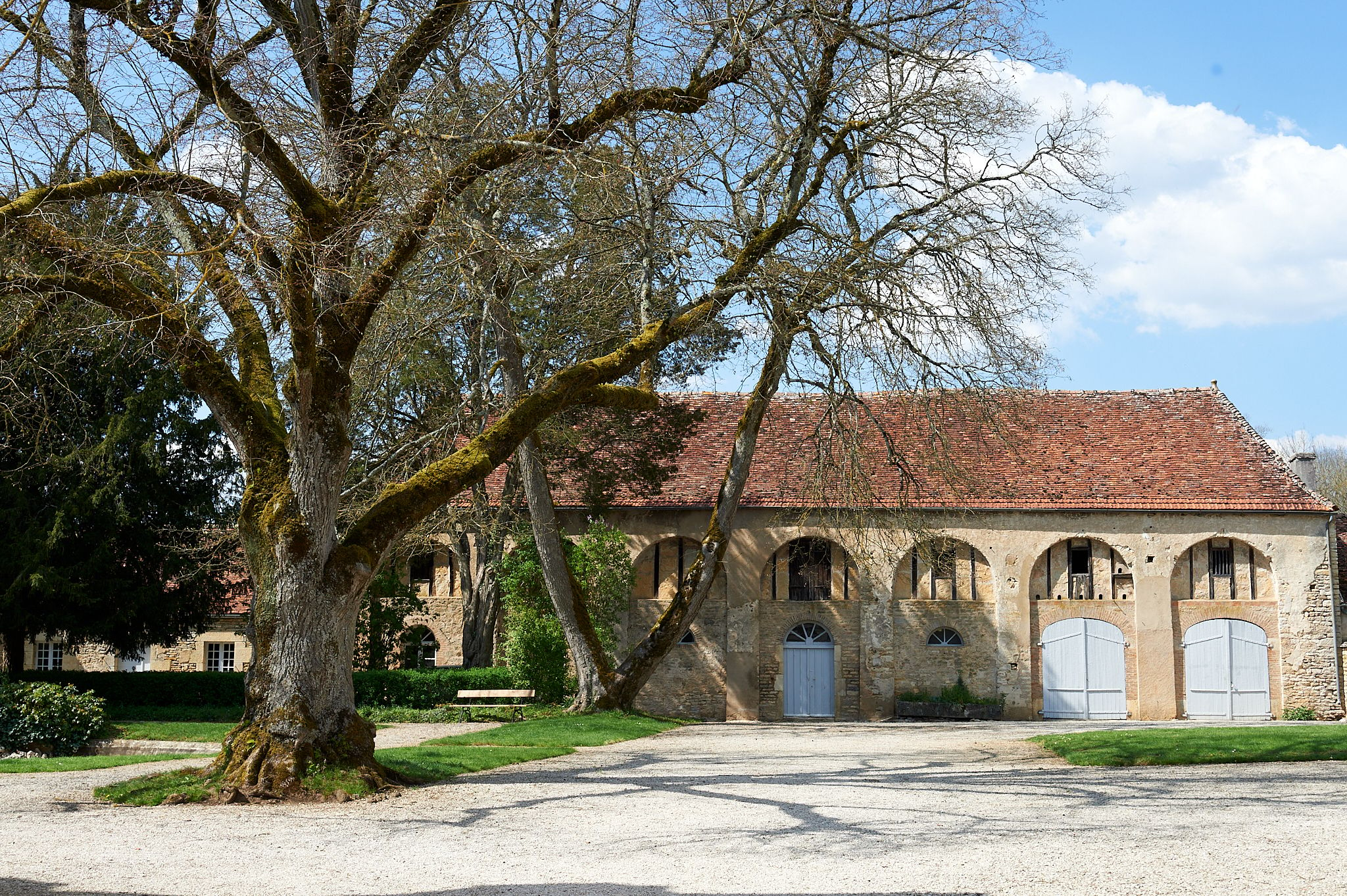
Surrounding a vast rectangular courtyard (100 × 50 m), accessed through two monumental gates (forged on site in 1768) supported by two large pillars of remarkably fine cut stone, are the staff housing buildings, situated 6 meters above the river, as are the master’s residence and the stewards’ quarters, along with the iron sheds and warehouses. A bakery, a vegetable garden, and a chapel are also available to the workers. Furthermore, an orangery and a dovecote complete the complex.
In the production area, the most remarkable building is the blast furnace. It is accessed via a majestic staircase that allows distinguished guests to admire the pouring of molten metal.
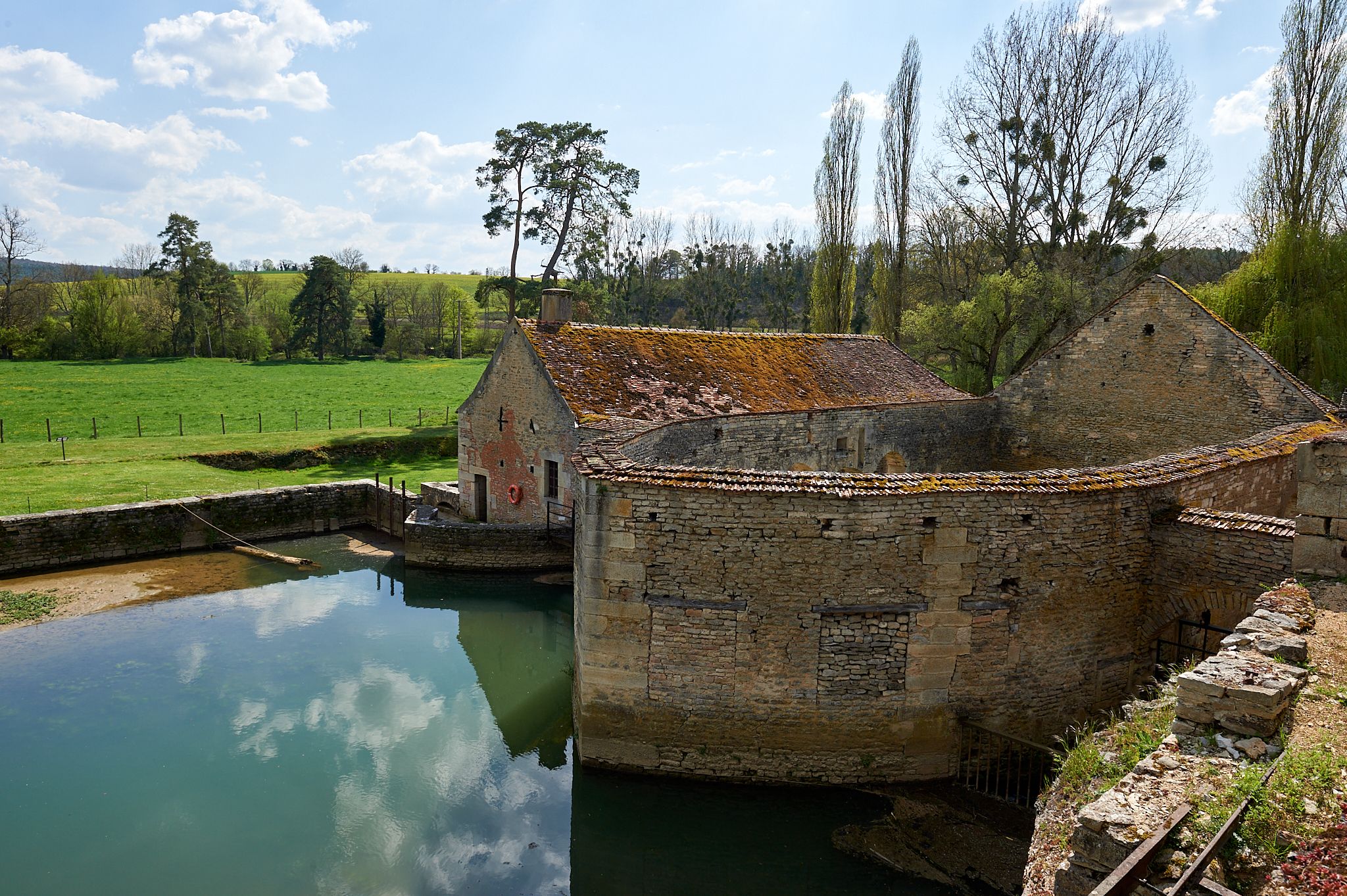
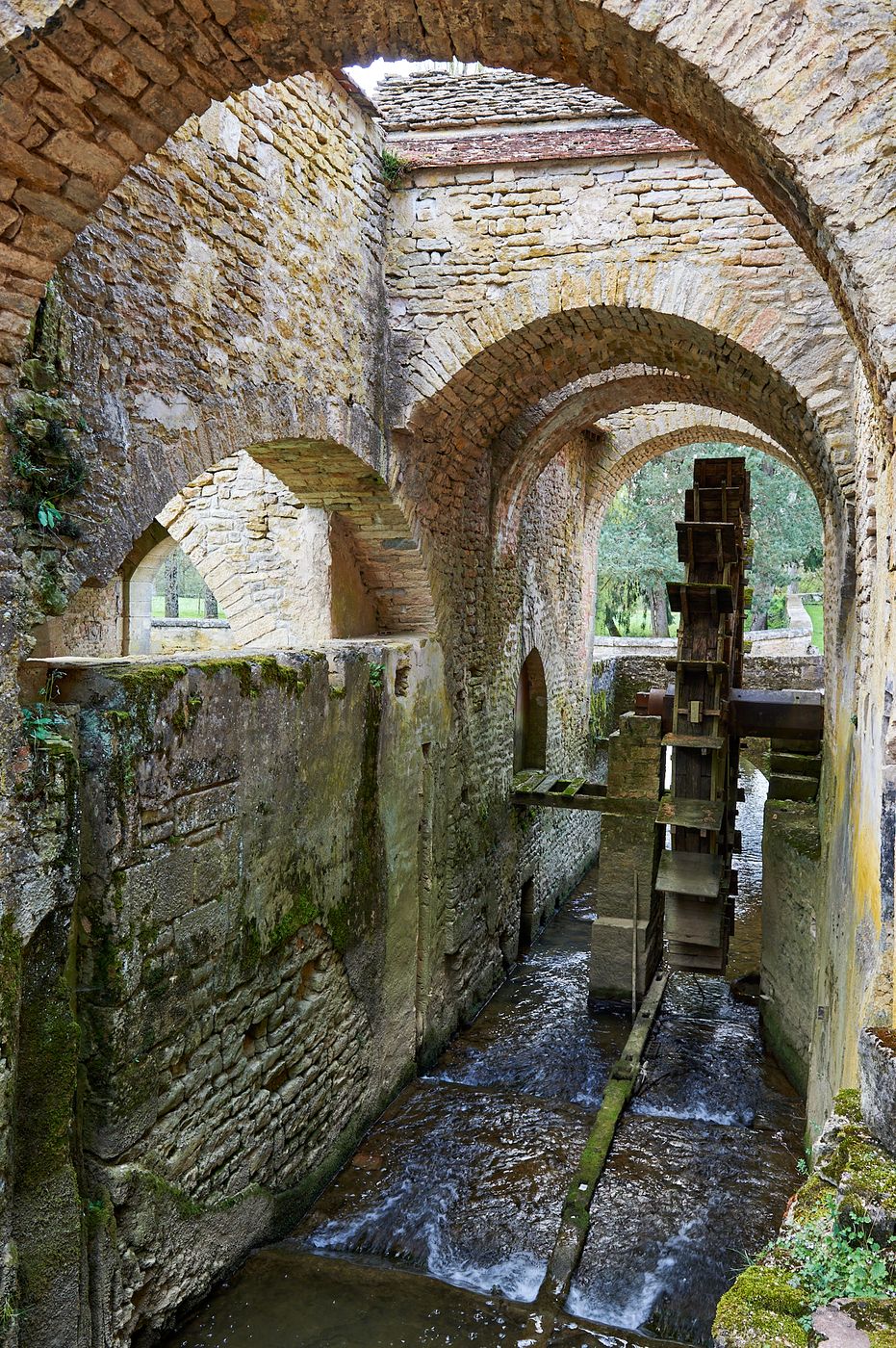
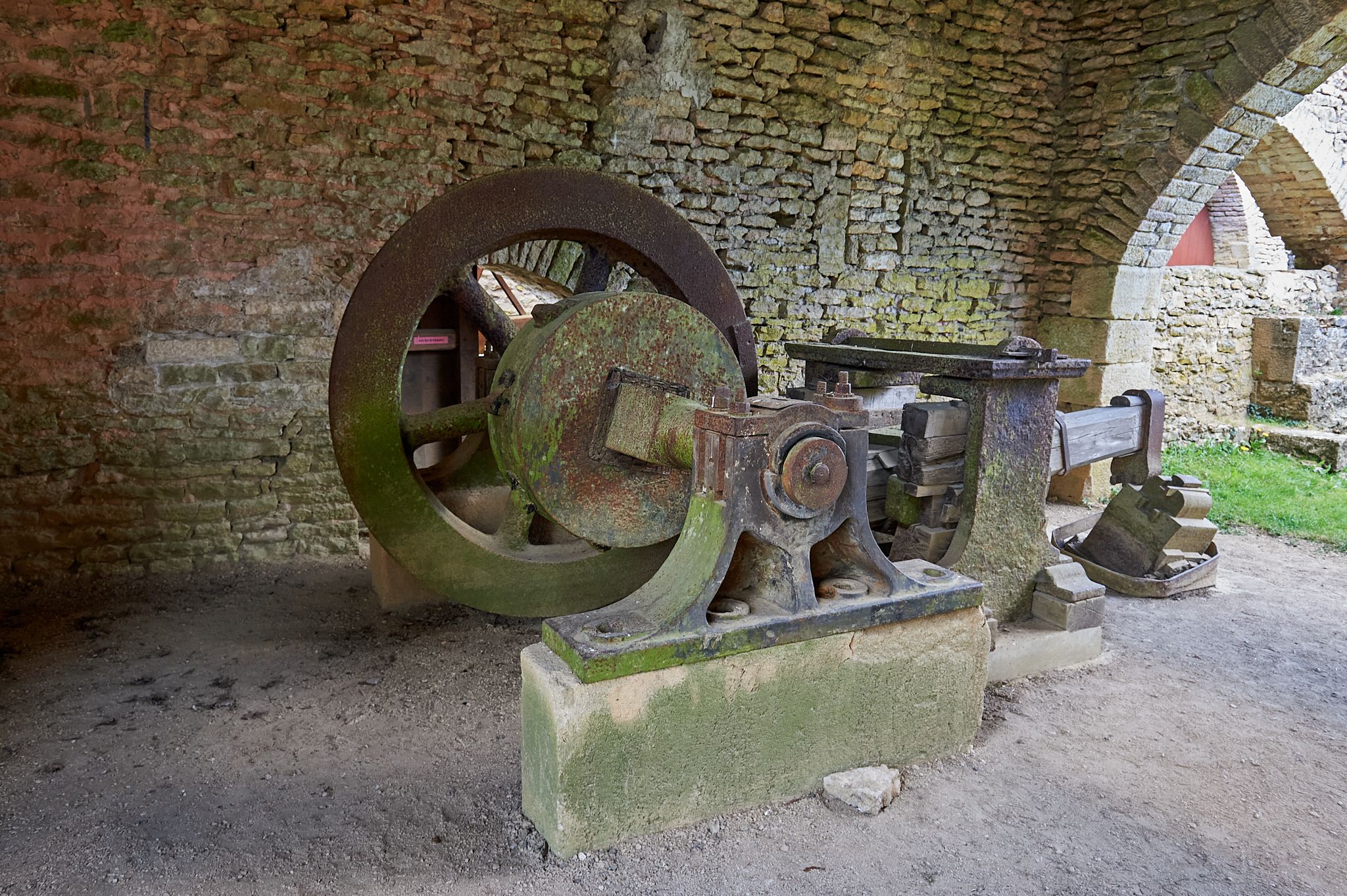
Powered by the Armançon River, waterwheels provide the hydraulic power needed to drive machinery such as bellows, hammers, the bocard, and the patouillet.
The iron is then cut into bars in the foundry using fluted rollers.
The site was designed to optimize the manufacturing process, bringing together industrial facilities, the master’s residence, and workers’ housing within a single complex.
Surrounding a vast rectangular courtyard (100 × 50 m), accessed through two monumental gates (forged on site in 1768) supported by two large pillars of remarkably fine cut stone, are the staff housing buildings, situated 6 meters above the river, as are the master’s residence and the stewards’ quarters, along with the iron sheds and warehouses. A bakery, a vegetable garden, and a chapel are also available to the workers. Furthermore, an orangery and a dovecote complete the complex.
In the production area, the most remarkable building is the blast furnace. It is accessed via a majestic staircase that allows distinguished guests to admire the pouring of molten metal.
Powered by the Armançon River, waterwheels provide the hydraulic power needed to drive machinery such as bellows, hammers, the bocard, and the patouillet.
The iron is then cut into bars in the foundry using fluted rollers.
Spot Type
Outdoor
Crowd Factor
Just a few people
Best Timing
Daytime in summer
Sunrise & Sunset
08:09 - 18:46
| current local time: 15:53
Photo Themes
National Monument
Locations
Bourgogne-Franche-Comté
Buffon
Côte d'Or





Spot comments (0)