
Germany Stalag Shadows – A Photographic Journey Through Sandbostel
Lager Sandbostel, near the village of Sandbostel in Lower Saxony, began as a prisoner-of-war camp of the German Wehrmacht, known as Stalag X-B, in 1939. Over the course of the Second World War several hundred thousand prisoners from dozens of nations were held here; overcrowding, malnutrition, disease and violence led to many deaths. In 1945 parts of the site were also used as a satellite camp for prisoners from the Neuengamme concentration camp. After the war the area did not immediately become a place of remembrance: it served for various military and civilian purposes, including storage for the Bundeswehr and commercial use, before initiatives from survivors, historians and local activists finally pushed for protection and commemoration. A foundation was established in the 2000s and the Sandbostel Camp Memorial opened, with restored barracks and exhibitions that document both the wartime and post-war history of the site.
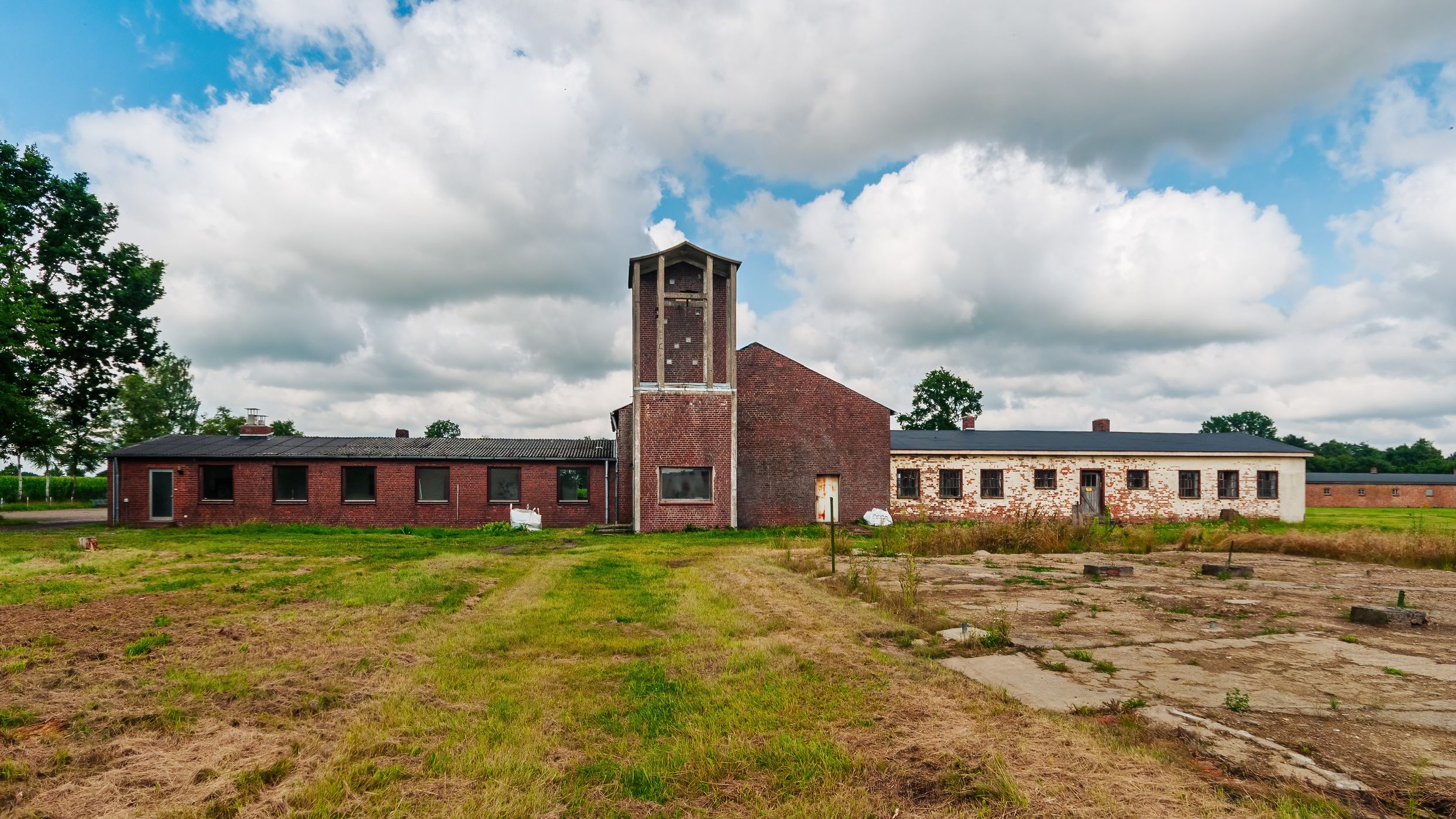
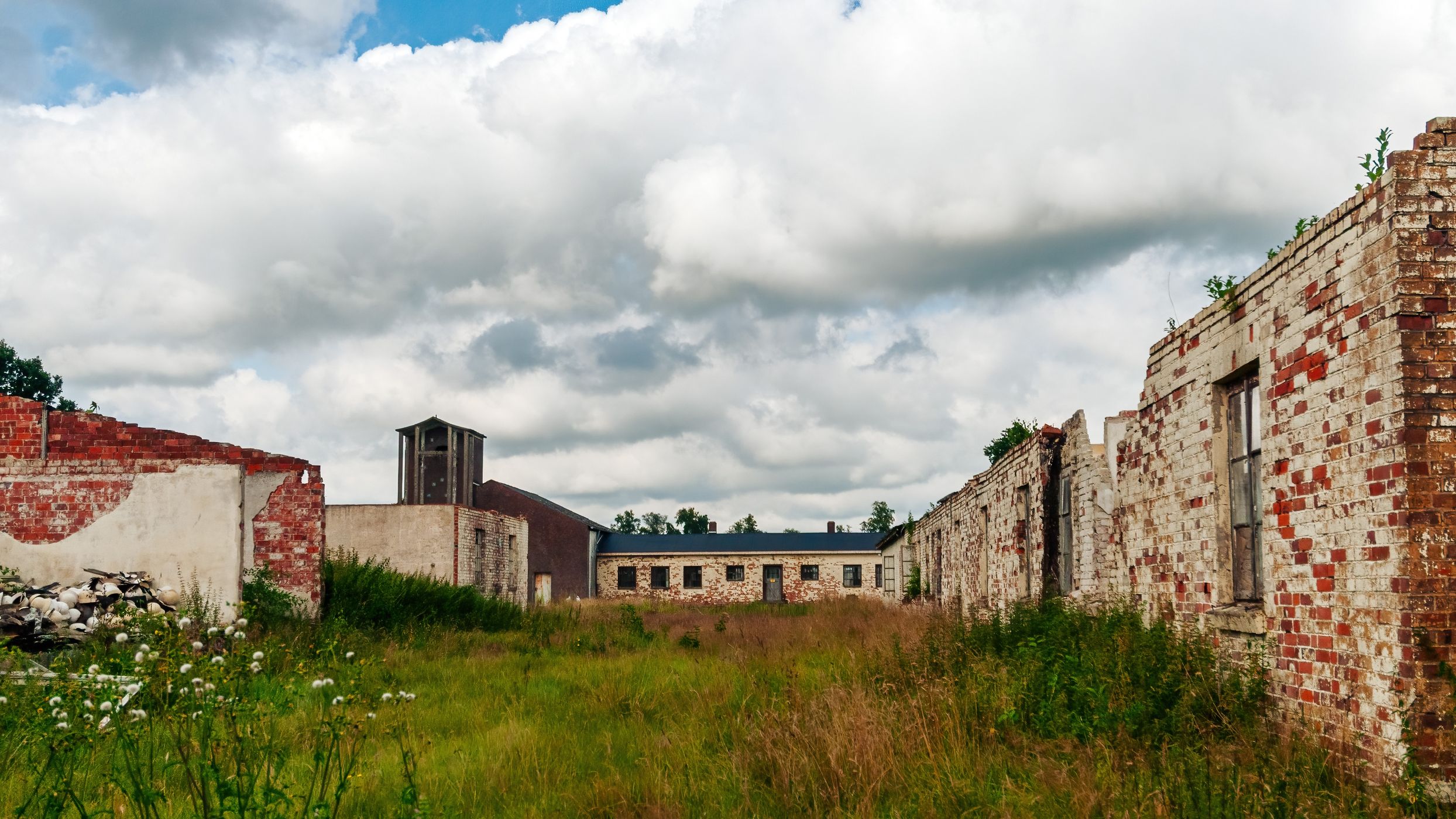
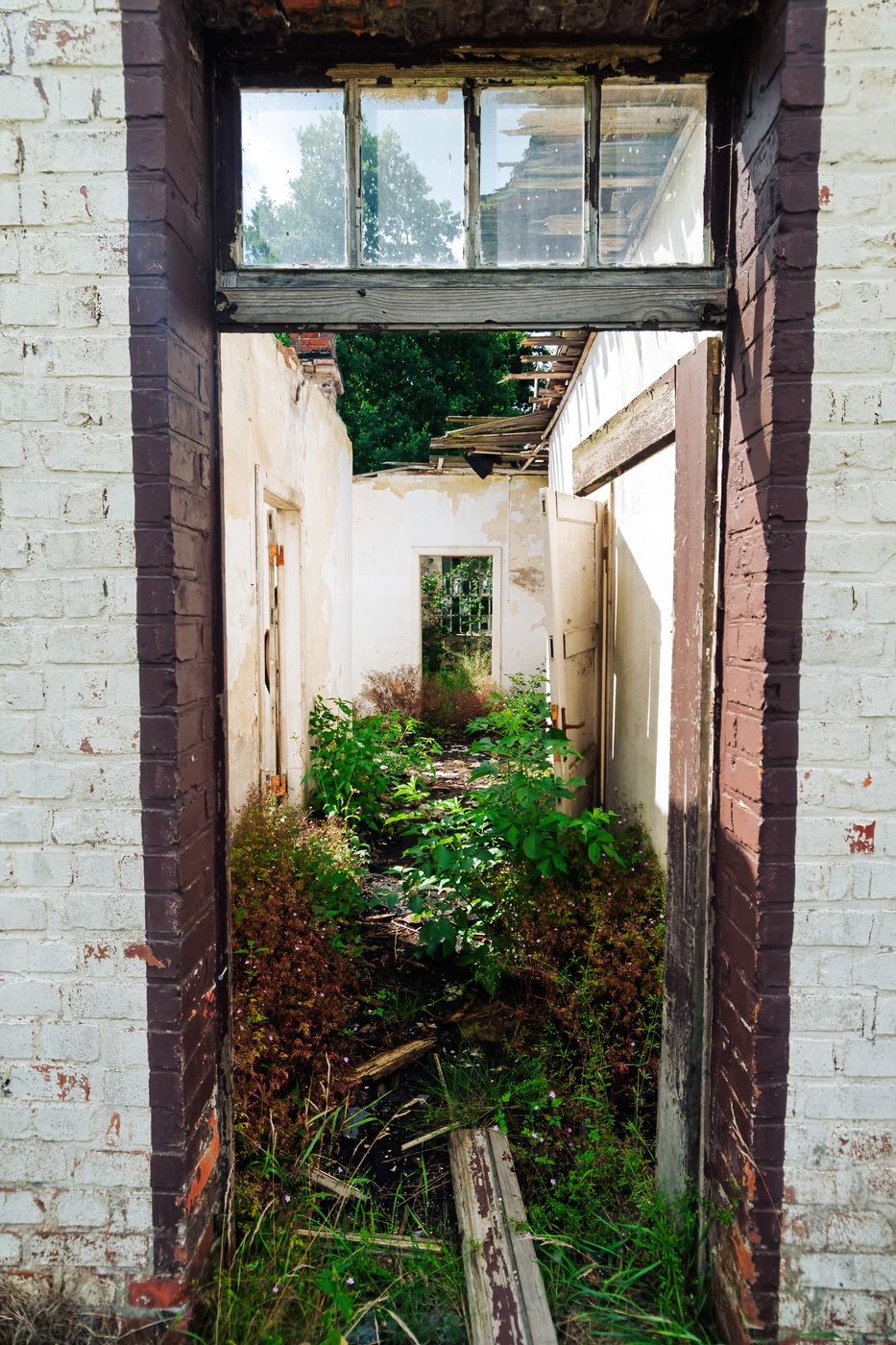
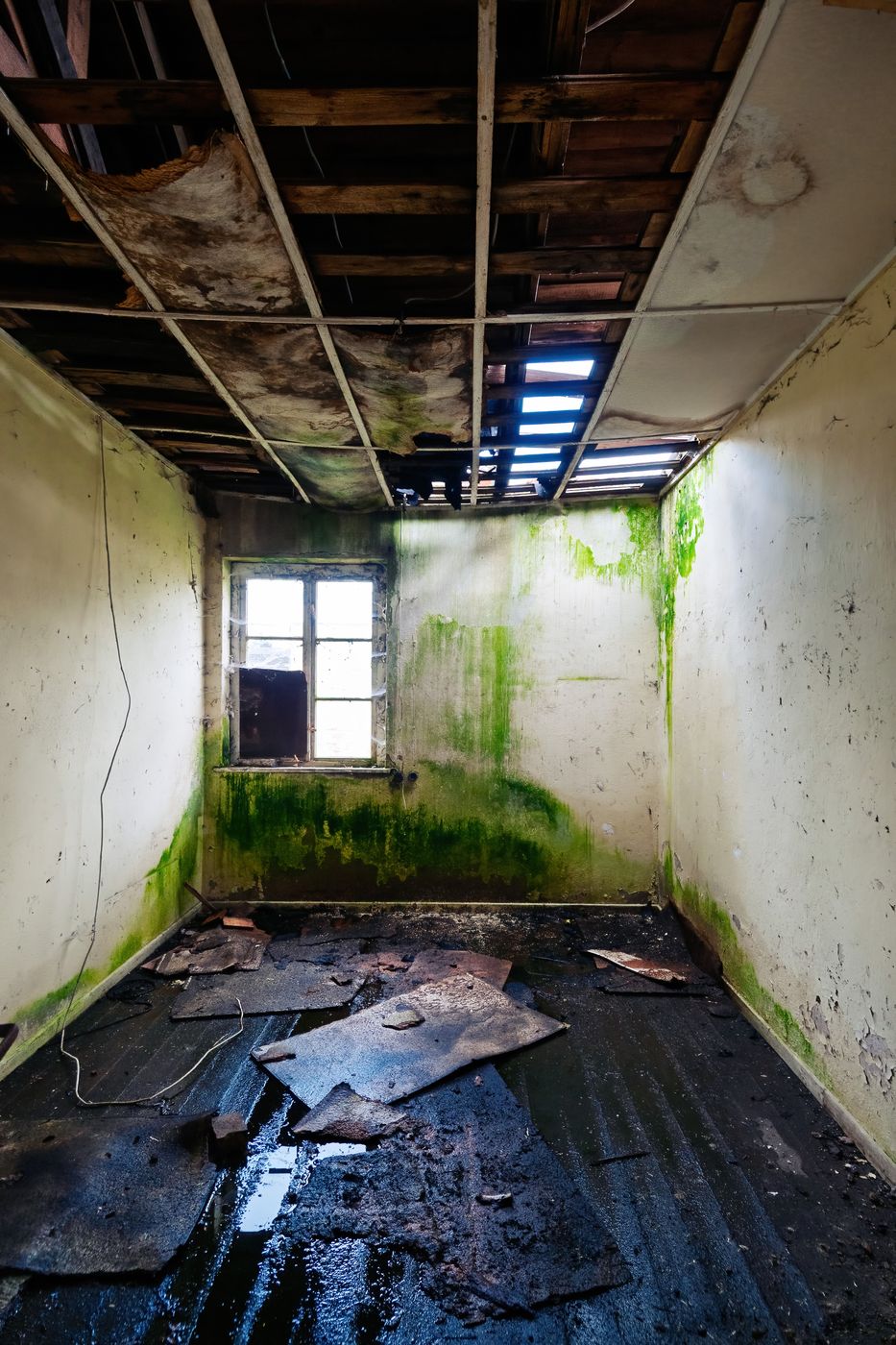
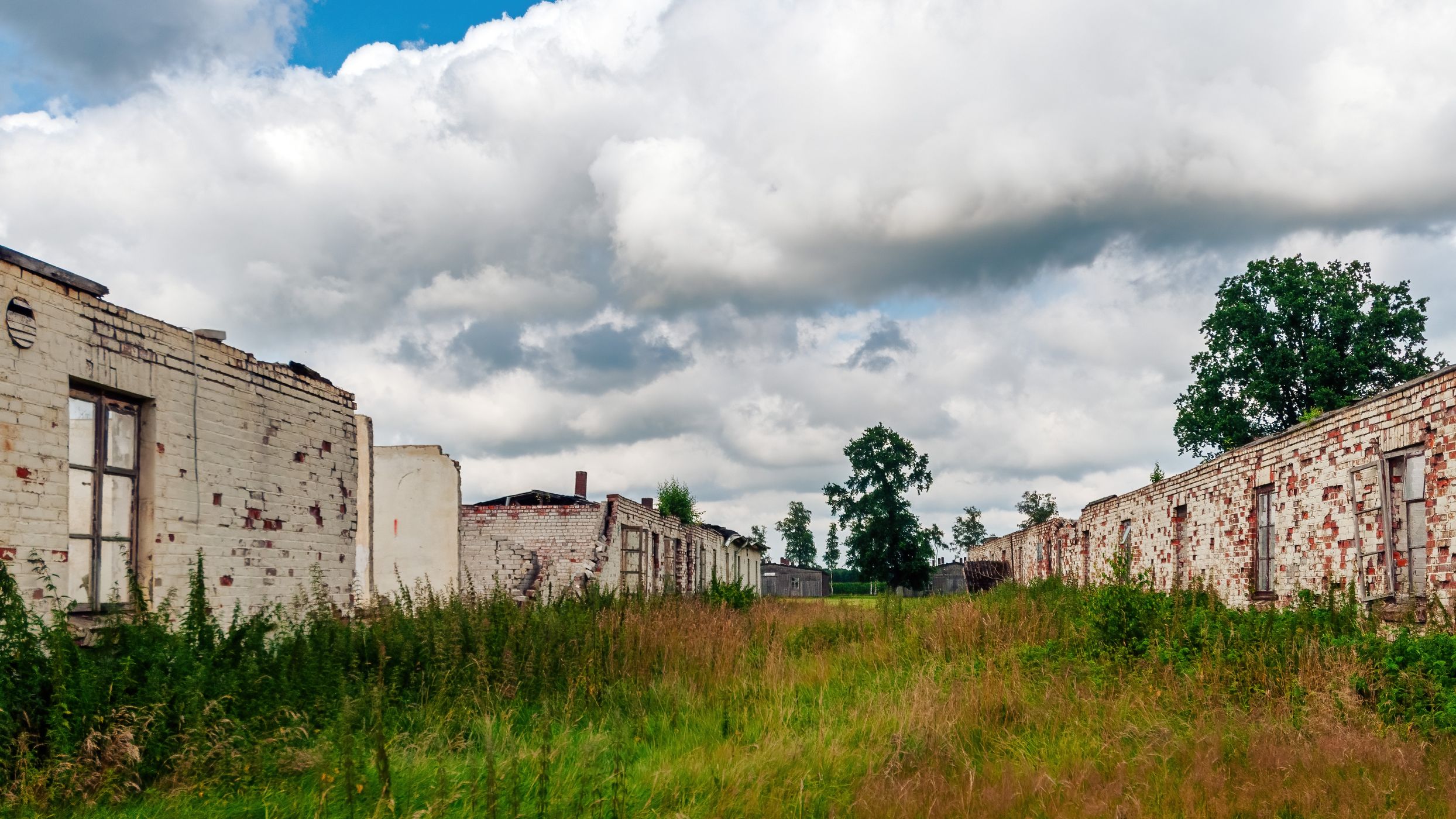
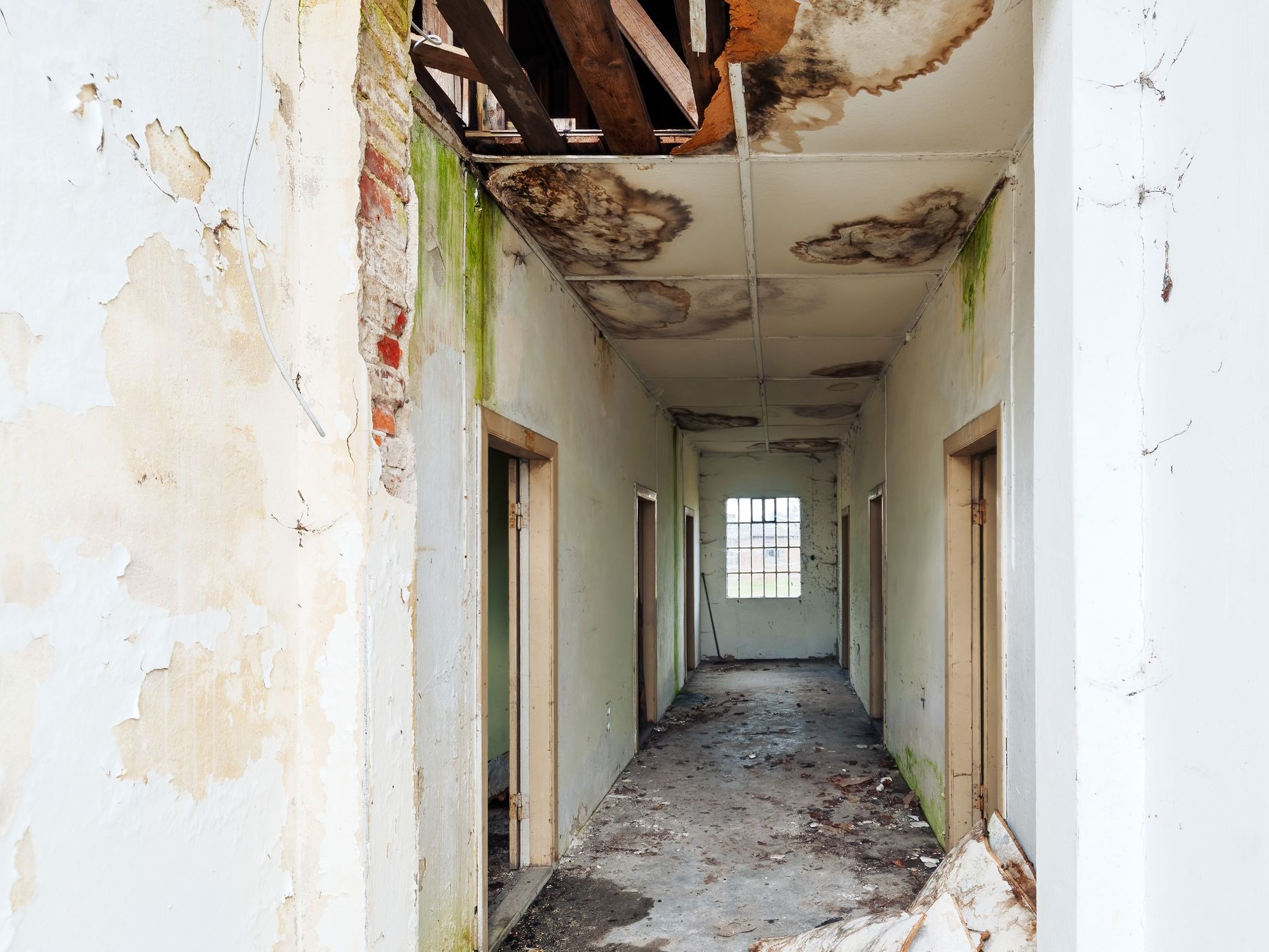
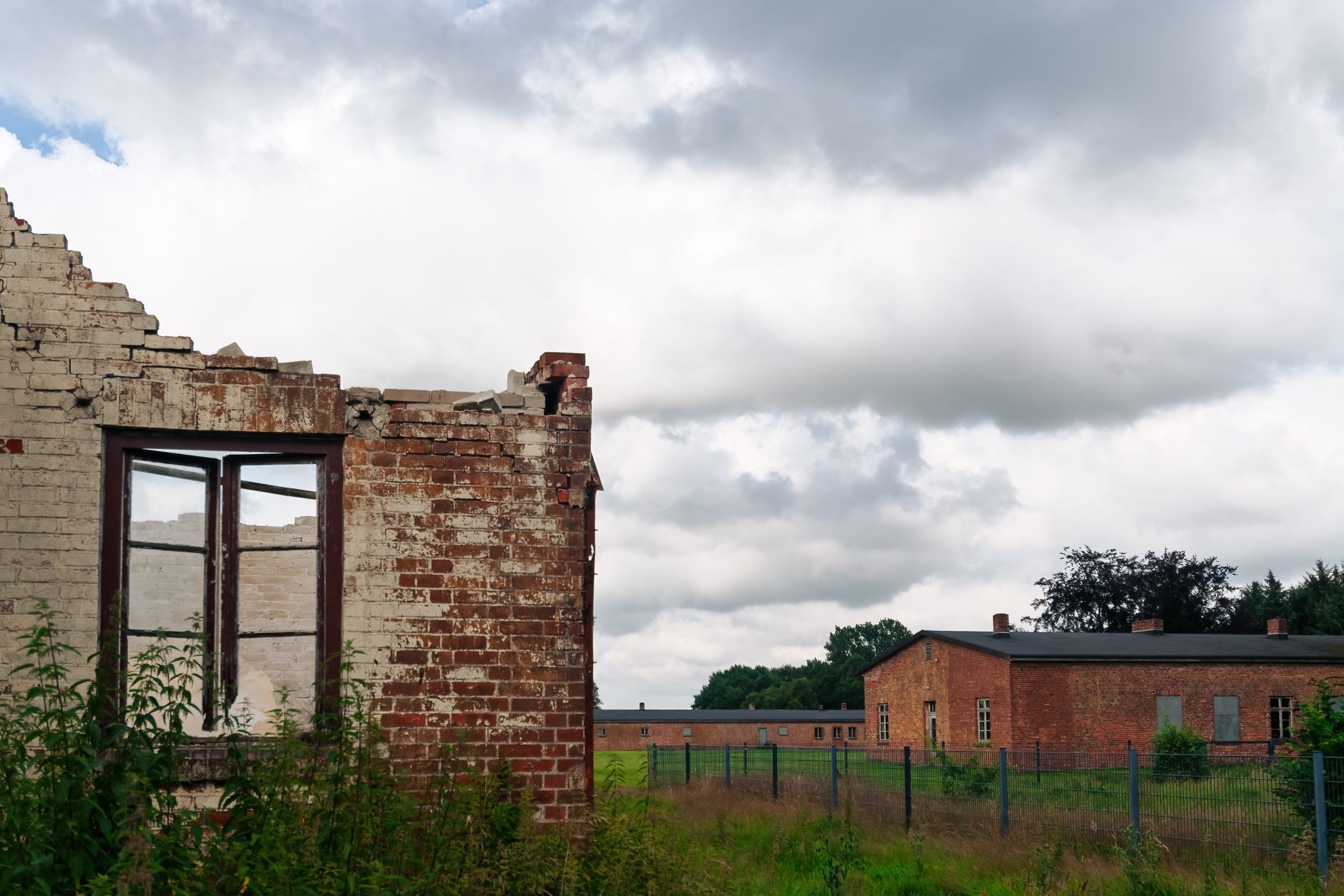
Today the memorial covers part of the former 35-hectare camp area. Several original wooden and brick huts remain, some conserved almost in their 1940s condition, others carefully restored to house the permanent exhibition. Long, low barracks stand in rows across open grass, with sandy tracks cutting between them and isolated trees breaking the horizon. Inside, simple bunks, bare walls and sparse objects evoke the conditions of imprisonment, while modern exhibition rooms present documents, photographs, testimonies and models. Nearby war cemeteries and memorial stones mark the scale of the suffering and connect the camp to the wider landscape of remembrance in the region.
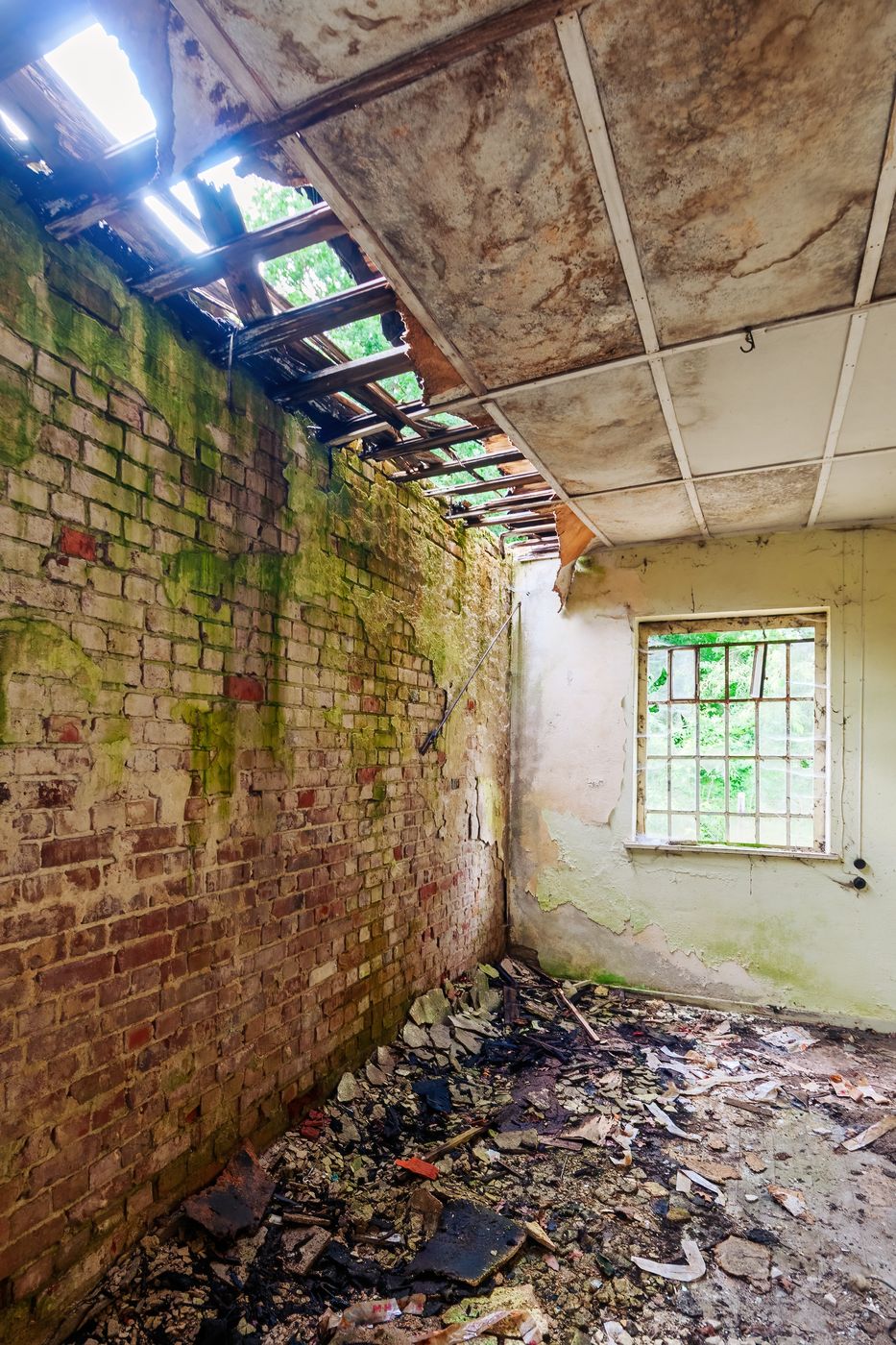
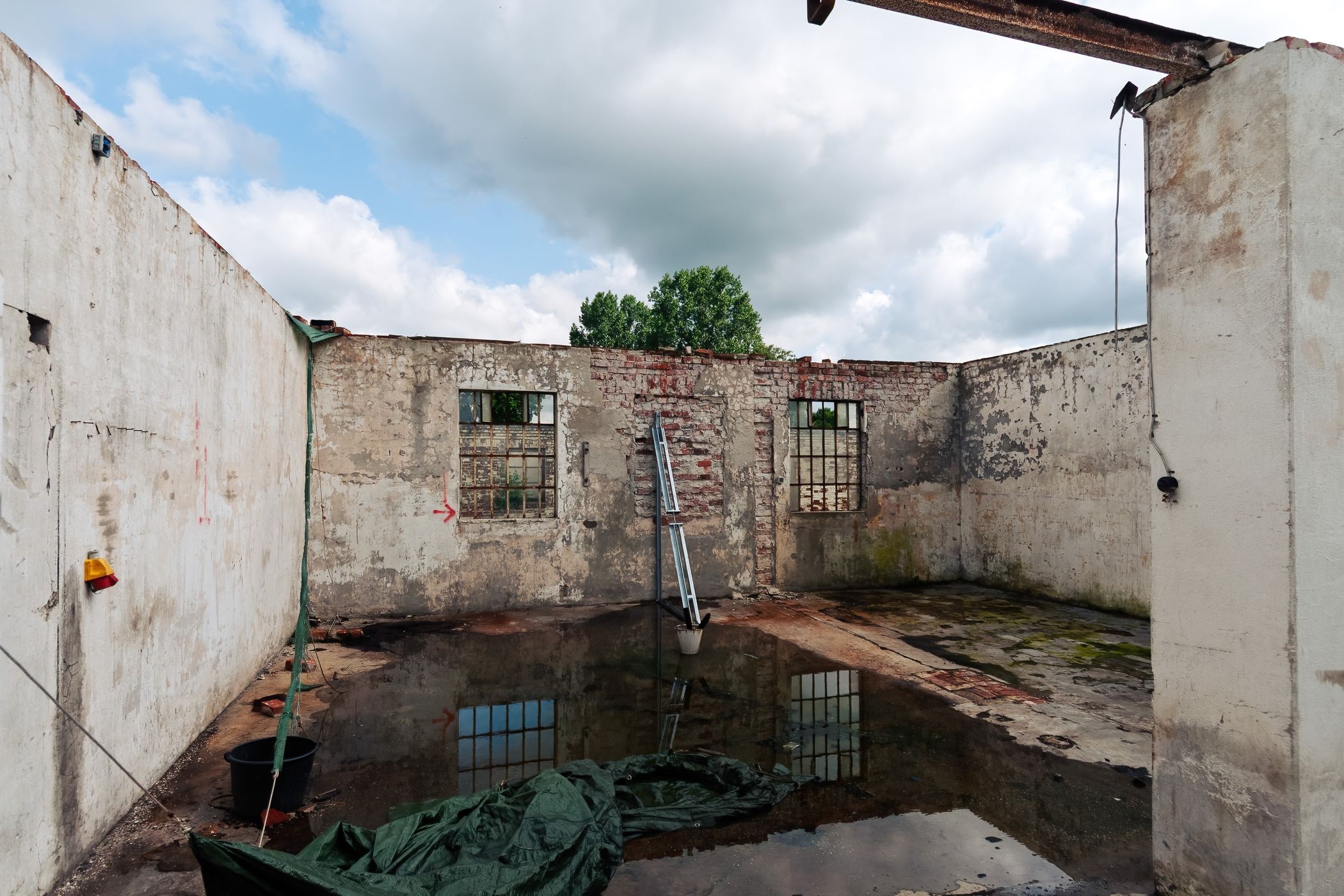
For photographers, Lager Sandbostel is powerful precisely because it is visually understated. The geometry of the barracks, the long sightlines and the emptiness between buildings create strong compositional possibilities. The weathered timber and brickwork offer rich textures, while the big North German sky adds drama and mood. Seasonal changes transform the atmosphere: bright summer light creates harsh contrasts and long shadows from the huts, whereas mist, rain or snow emphasise loneliness and silence. It is a place where minimalism, repetition and negative space work very well, and where photography can support remembrance by showing the site with sensitivity rather than spectacle.
Today the memorial covers part of the former 35-hectare camp area. Several original wooden and brick huts remain, some conserved almost in their 1940s condition, others carefully restored to house the permanent exhibition. Long, low barracks stand in rows across open grass, with sandy tracks cutting between them and isolated trees breaking the horizon. Inside, simple bunks, bare walls and sparse objects evoke the conditions of imprisonment, while modern exhibition rooms present documents, photographs, testimonies and models. Nearby war cemeteries and memorial stones mark the scale of the suffering and connect the camp to the wider landscape of remembrance in the region.
For photographers, Lager Sandbostel is powerful precisely because it is visually understated. The geometry of the barracks, the long sightlines and the emptiness between buildings create strong compositional possibilities. The weathered timber and brickwork offer rich textures, while the big North German sky adds drama and mood. Seasonal changes transform the atmosphere: bright summer light creates harsh contrasts and long shadows from the huts, whereas mist, rain or snow emphasise loneliness and silence. It is a place where minimalism, repetition and negative space work very well, and where photography can support remembrance by showing the site with sensitivity rather than spectacle.
Photography Tips
Approach with respect
Treat the memorial as an active place of mourning and learning. Avoid staging playful or glamorous scenes, and be careful when including other visitors, especially those clearly in moments of reflection.
Work with lines and repetition
Use the long axes of the camp streets to build strong leading lines. Stand low and shoot along the rows of huts; the repeated windows, doors and rooflines make powerful vanishing-point compositions.
Use light for mood, not drama for its own sake
Soft, overcast light often suits the subject better than high-contrast sunshine. Early morning or late afternoon gives gentle shadows and a quieter colour palette that matches the tone of the place.
Focus on details
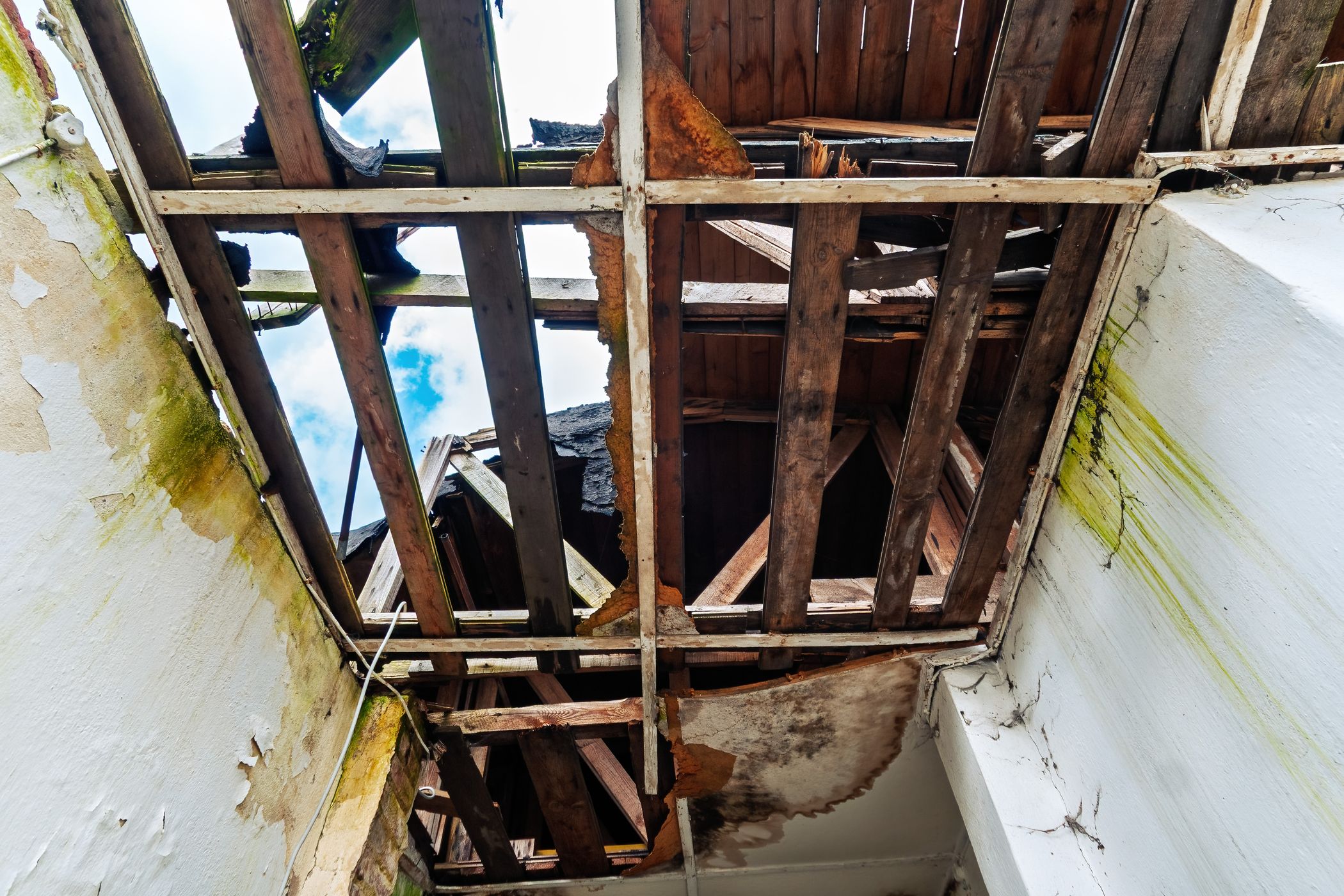
Zoom in on textures: peeling paint, rusting hinges, worn floorboards, engraved or handwritten signs. These small clues to age and use can carry more emotional weight than wide shots alone.
Include the landscape
Step back and show how the camp sits in open fields and woodland. Wide angles that combine huts, grass and sky can underline the tension between the peaceful surroundings and the violent history.
Mind your colour choices
Muted or slightly desaturated processing often feels more appropriate than highly saturated look-at-me colours. Black-and-white can work well, but try not to over-dramatise with extreme contrast.
Treat the memorial as an active place of mourning and learning. Avoid staging playful or glamorous scenes, and be careful when including other visitors, especially those clearly in moments of reflection.
Work with lines and repetition
Use the long axes of the camp streets to build strong leading lines. Stand low and shoot along the rows of huts; the repeated windows, doors and rooflines make powerful vanishing-point compositions.
Use light for mood, not drama for its own sake
Soft, overcast light often suits the subject better than high-contrast sunshine. Early morning or late afternoon gives gentle shadows and a quieter colour palette that matches the tone of the place.
Focus on details
Zoom in on textures: peeling paint, rusting hinges, worn floorboards, engraved or handwritten signs. These small clues to age and use can carry more emotional weight than wide shots alone.
Include the landscape
Step back and show how the camp sits in open fields and woodland. Wide angles that combine huts, grass and sky can underline the tension between the peaceful surroundings and the violent history.
Mind your colour choices
Muted or slightly desaturated processing often feels more appropriate than highly saturated look-at-me colours. Black-and-white can work well, but try not to over-dramatise with extreme contrast.
Travel Information
Lager Sandbostel lies in northern Germany between Bremen and Hamburg, near the small town of Selsingen. By car, the usual approach is via the A1 motorway: from Hamburg, exit at Sittensen; from Bremen, exit at Bokel. From either exit you follow the signs towards Zeven, then continue on the B71 to Selsingen. In the centre of Selsingen, a signposted turn leads towards “Gedenkstätte Lager Sandbostel”; from there, brown memorial signs guide you along country roads directly to the site at Greftstraße 3, 27446 Sandbostel.
Public transport options are limited and usually involve regional trains to nearby towns (such as Bremervörde or Zeven) plus bus or taxi for the last stretch, so planning ahead is important. The memorial itself has marked parking areas, and the grounds are largely flat, with paths leading around the huts and to the exhibition building.
Public transport options are limited and usually involve regional trains to nearby towns (such as Bremervörde or Zeven) plus bus or taxi for the last stretch, so planning ahead is important. The memorial itself has marked parking areas, and the grounds are largely flat, with paths leading around the huts and to the exhibition building.
Spot Type
Outdoor
Crowd Factor
Nearly no other people
Best Timing
All timings are equally good
Sunrise & Sunset
05:22 - 21:37
| current local time: 15:14
Photo Themes
2nd World War
concentration camp
decay
lager
Locations
Lower Saxony
Northern Germany
Sandbostel





Spot comments (0)