
Netherlands Bourtange
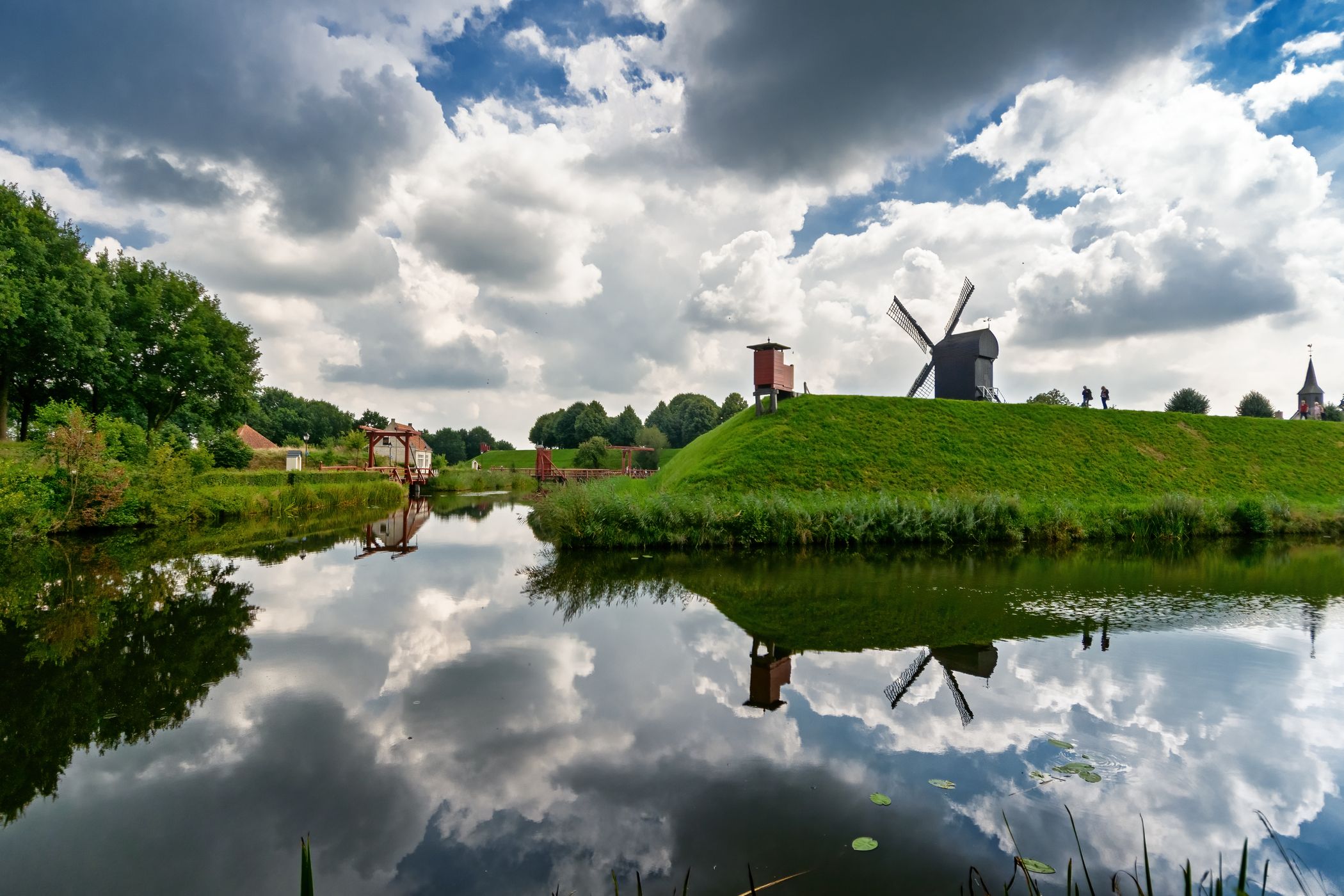
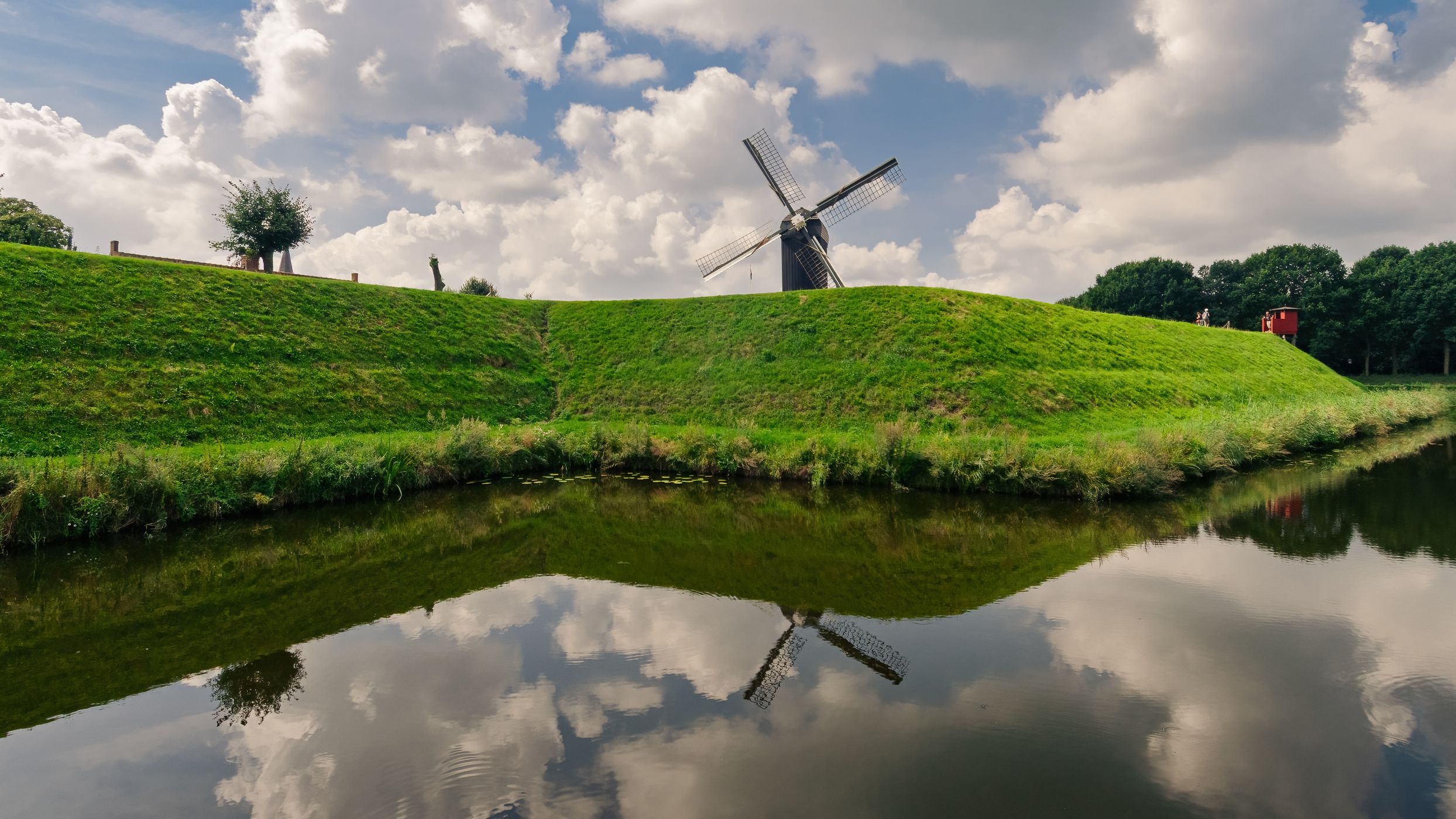
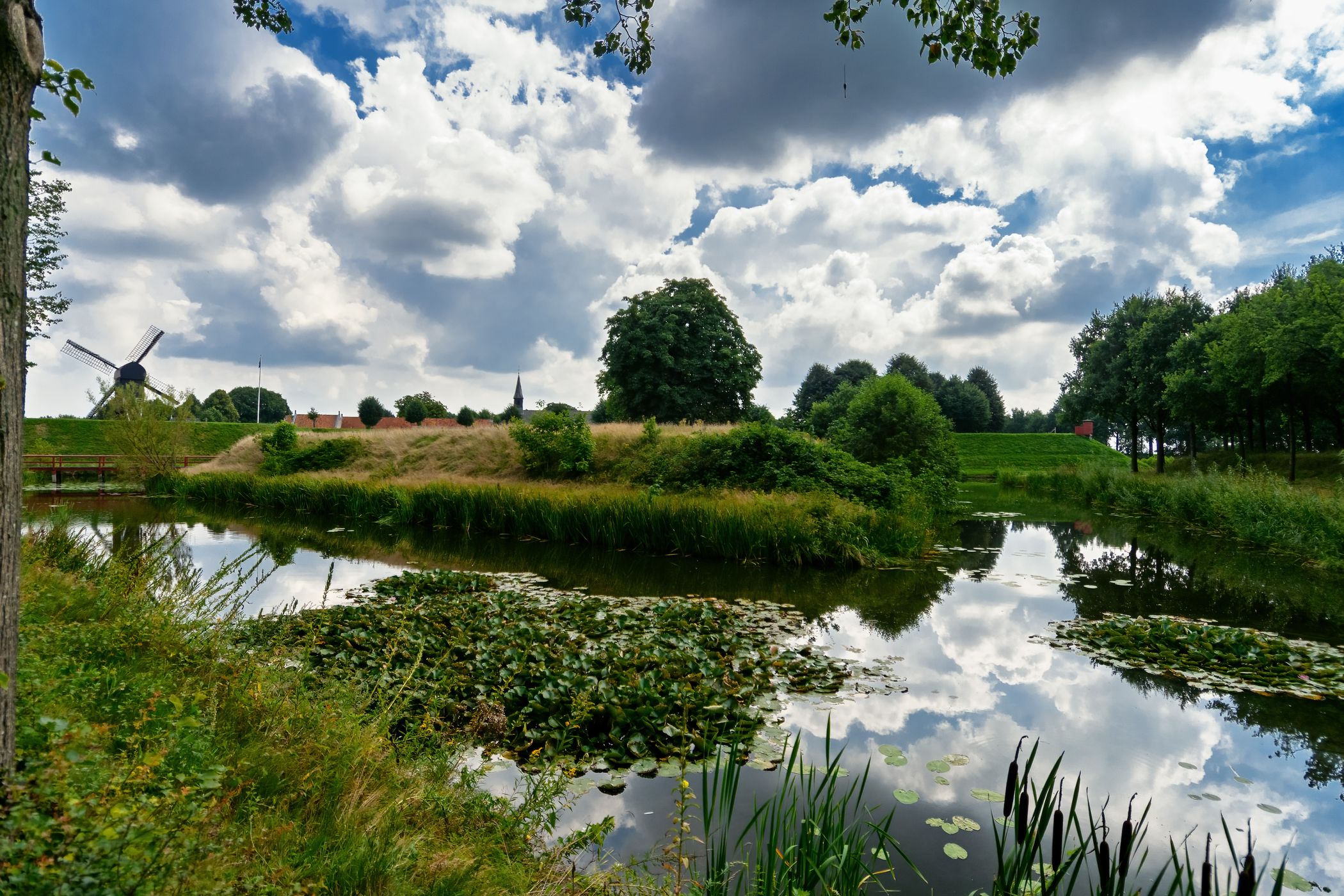
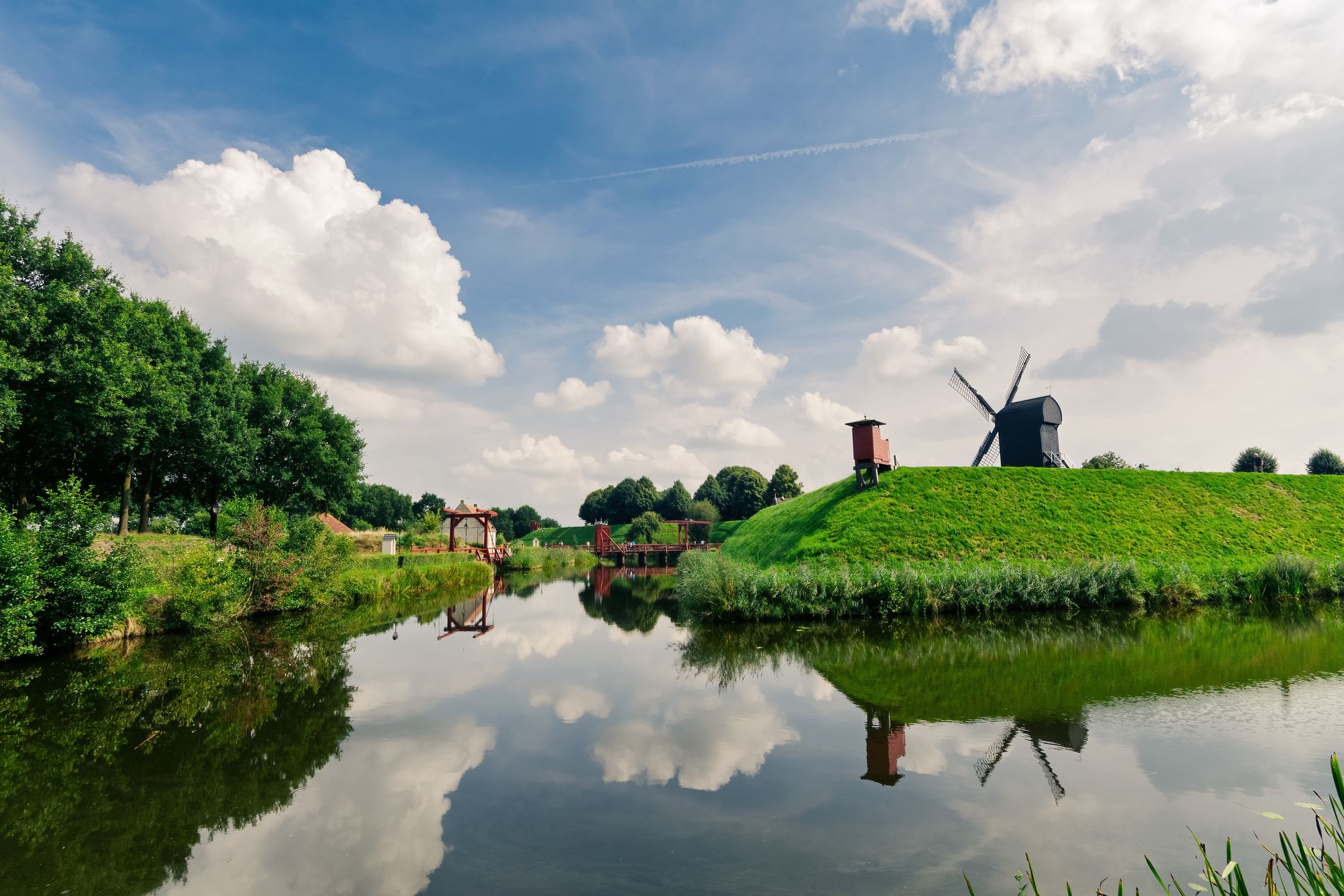
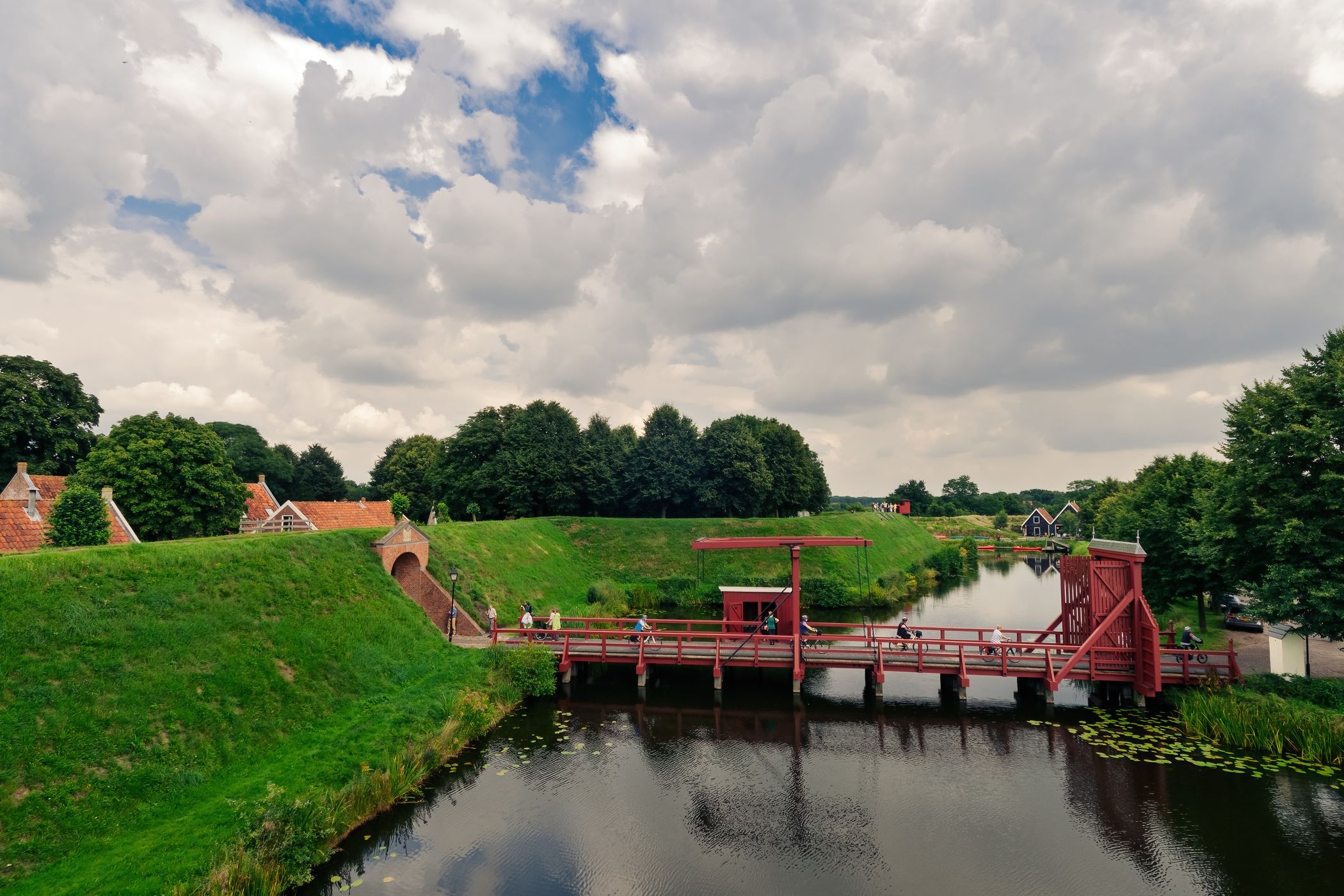
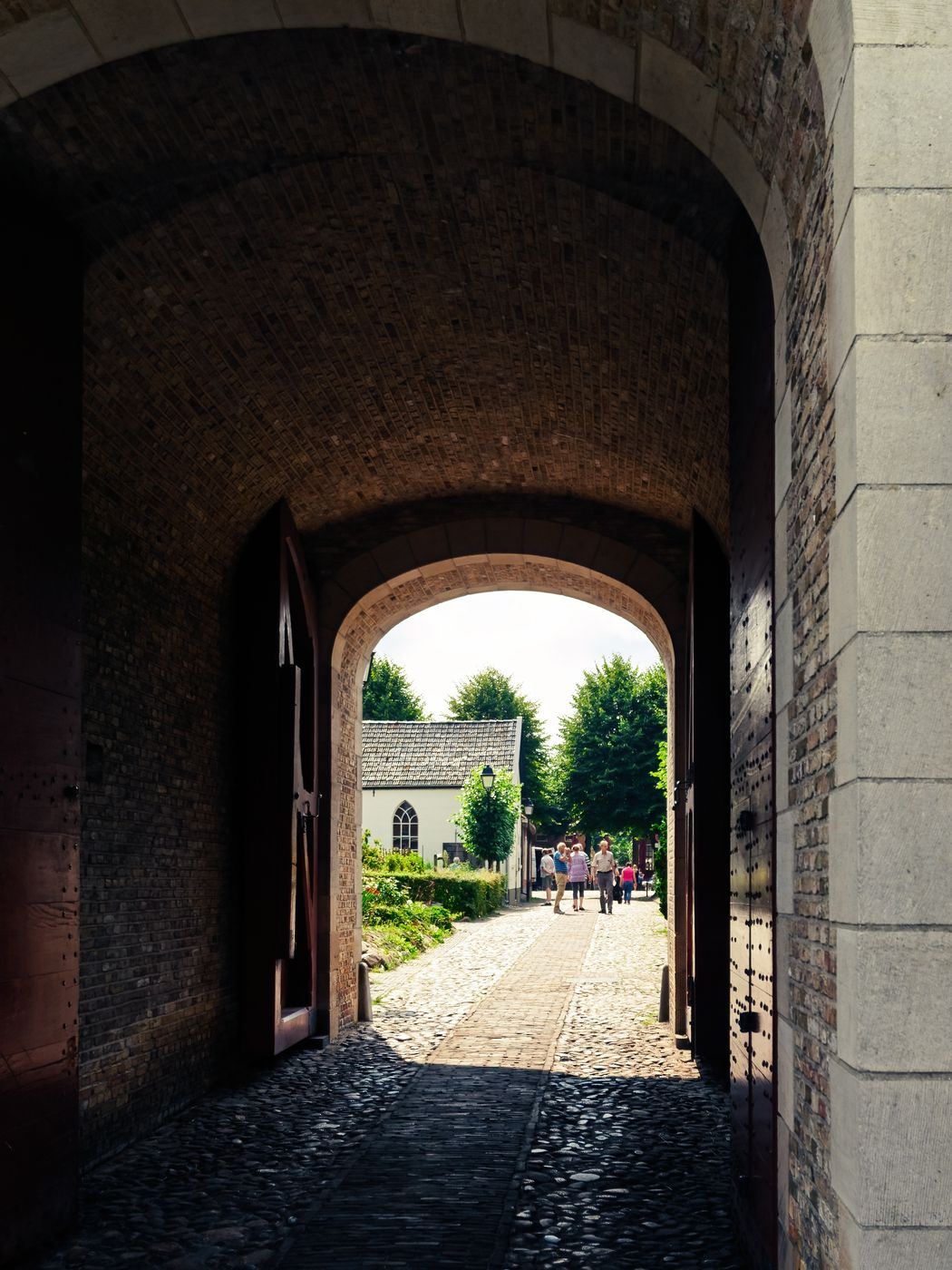
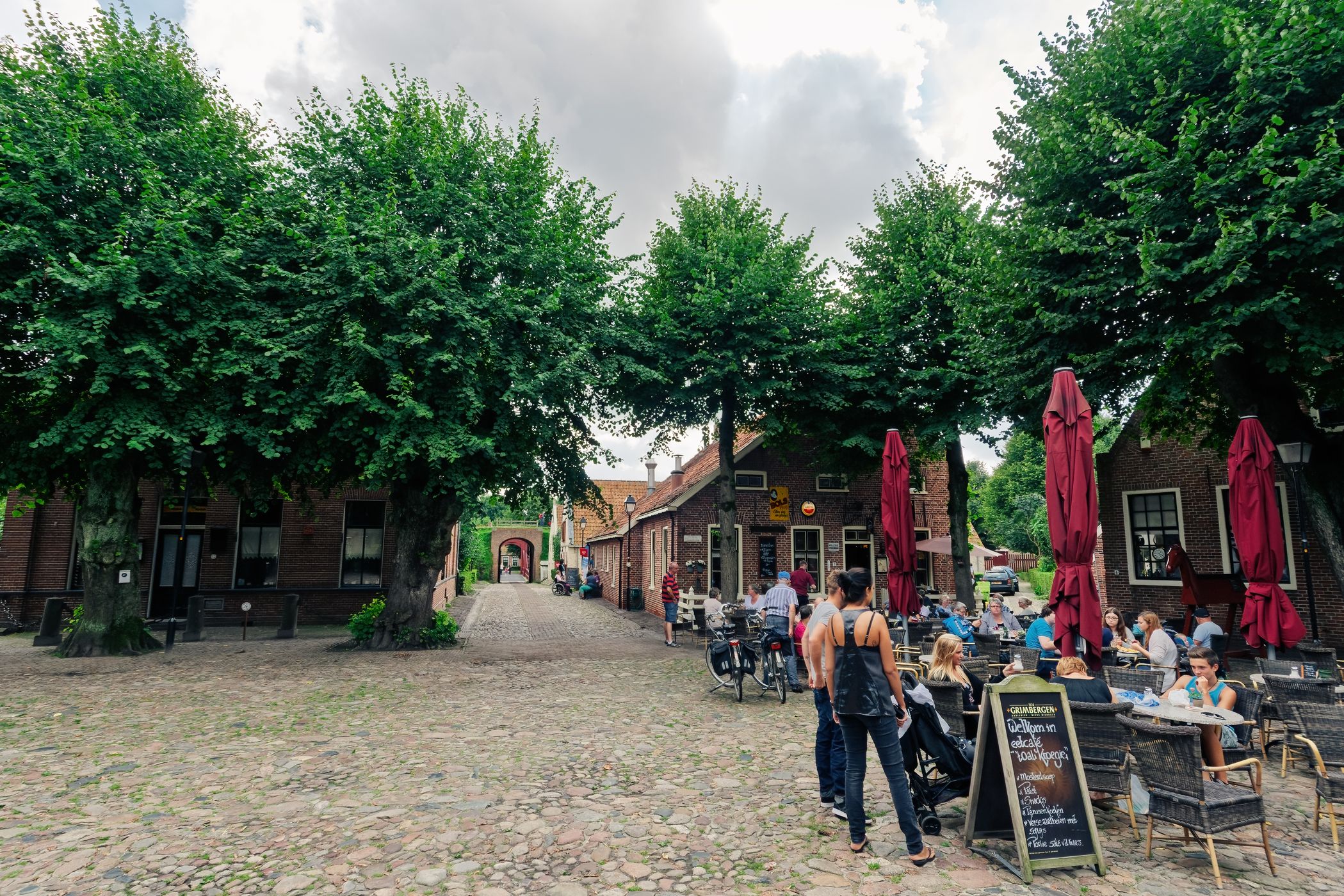
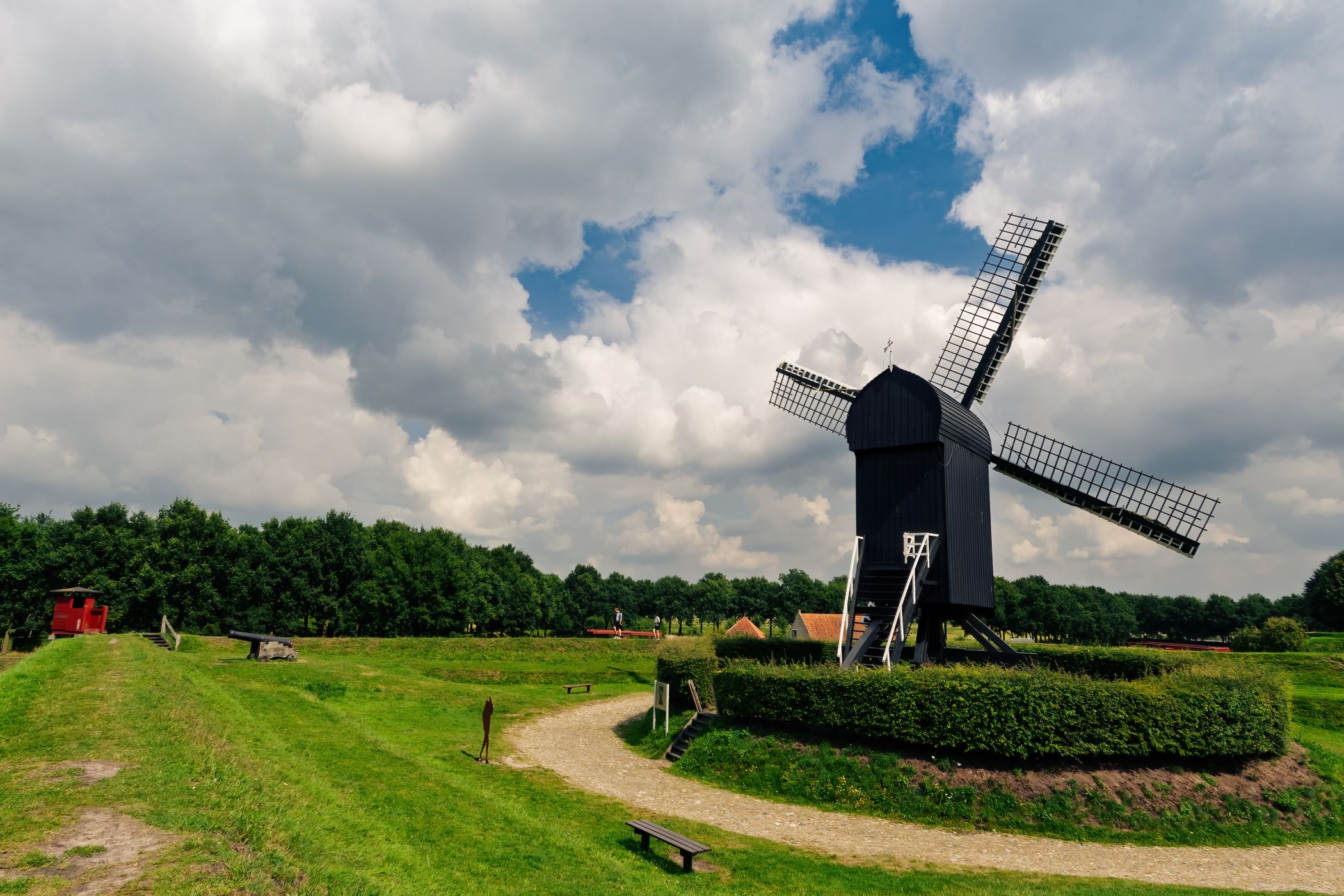
Bourtange sits in the far north-east of the Netherlands, a perfectly restored star-shaped fortress laced with moats, red drawbridges and grassy ramparts. Inside the walls, cobbled lanes, a windmill, small museums and cafés create a lived-in village atmosphere while the geometry of the bastions steals the show.
The fortress dates to 1593, when William of Orange orders it built to control the sole road between Germany and Spanish-held Groningen during the Eighty Years’ War. It withstands siege again in 1672 and later retires from military use in 1851. In the twentieth century, planners reconstruct it to its mid-18th-century appearance, and today it operates as a historical museum and open village.
Photographers find Bourtange irresistible. The star plan rewards elevated perspectives from the ramparts and bridges, where converging earthworks, water and brick align into crisp leading lines. Early morning light skims the grass banks; still moats double façades and trees for mirror-calm reflections; mist often hangs over the surrounding lowlands for mood. Inside the walls, details abound: red-painted gates, cannon, the windmill’s sails and shadow, and warm brick against green embankments. Blue-hour frames sing here—the pentagonal earthworks glow under lanterns while the water reads as inky negative space. For a full geometry study, walk the circuit and shoot each bastion face-on, then finish in the central square for people-scale candids that anchor the place in the present.
The fortress dates to 1593, when William of Orange orders it built to control the sole road between Germany and Spanish-held Groningen during the Eighty Years’ War. It withstands siege again in 1672 and later retires from military use in 1851. In the twentieth century, planners reconstruct it to its mid-18th-century appearance, and today it operates as a historical museum and open village.
Photographers find Bourtange irresistible. The star plan rewards elevated perspectives from the ramparts and bridges, where converging earthworks, water and brick align into crisp leading lines. Early morning light skims the grass banks; still moats double façades and trees for mirror-calm reflections; mist often hangs over the surrounding lowlands for mood. Inside the walls, details abound: red-painted gates, cannon, the windmill’s sails and shadow, and warm brick against green embankments. Blue-hour frames sing here—the pentagonal earthworks glow under lanterns while the water reads as inky negative space. For a full geometry study, walk the circuit and shoot each bastion face-on, then finish in the central square for people-scale candids that anchor the place in the present.
Photography Tips
Nothing special.
Travel Information
Easy parking, and some little walking needed.





Spot comments (0)