
Netherlands Kröller-Müller Museum
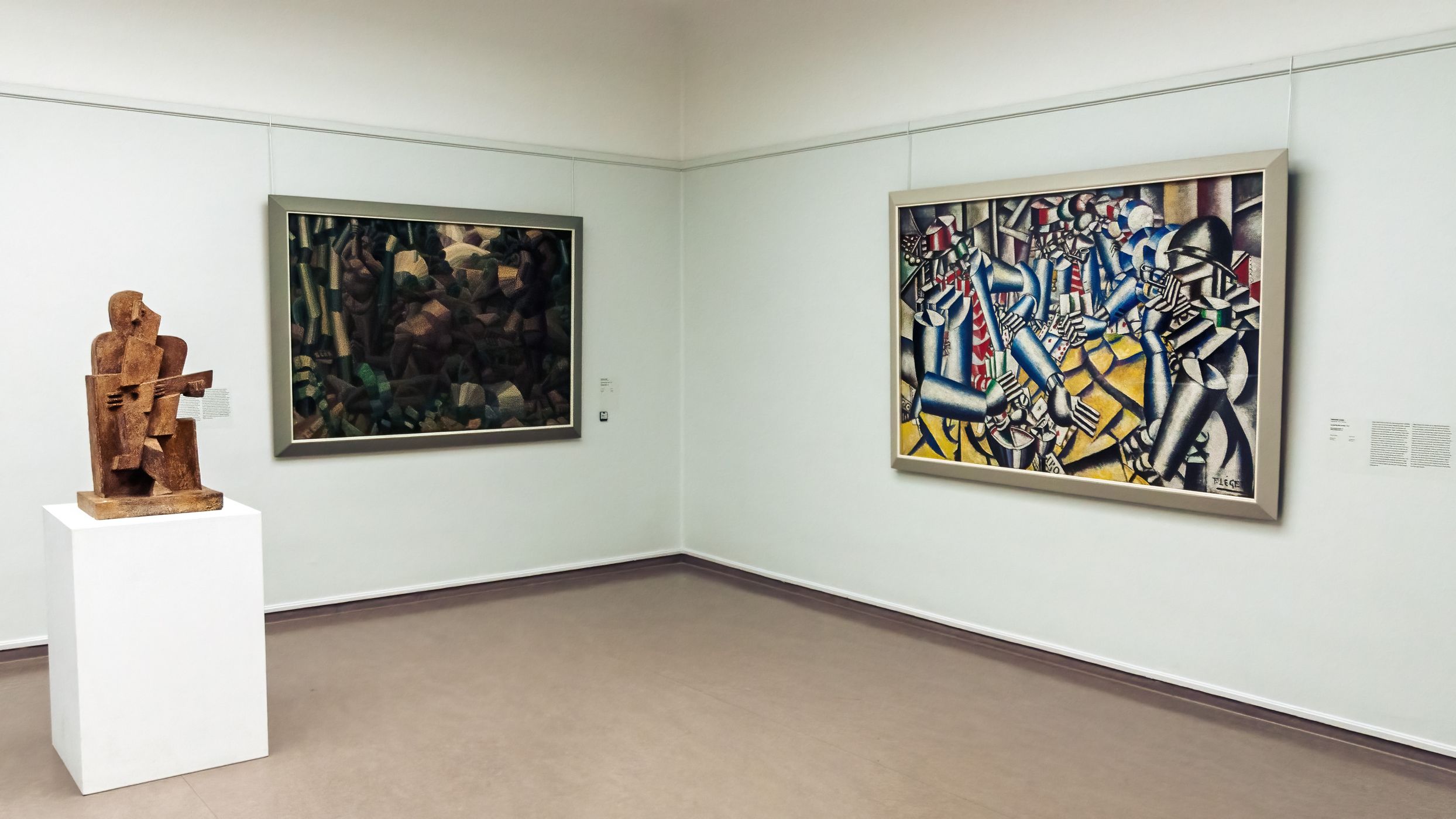
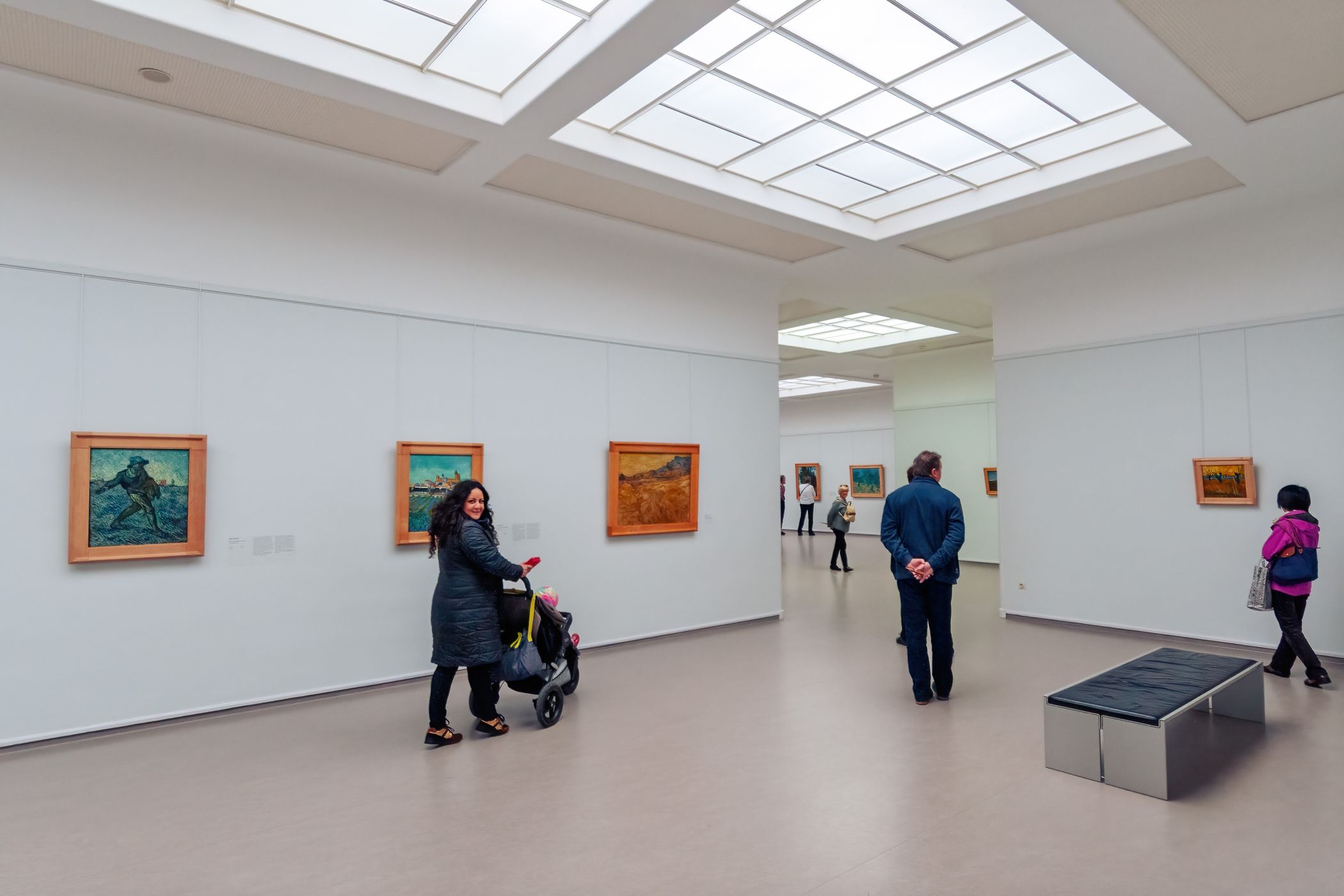
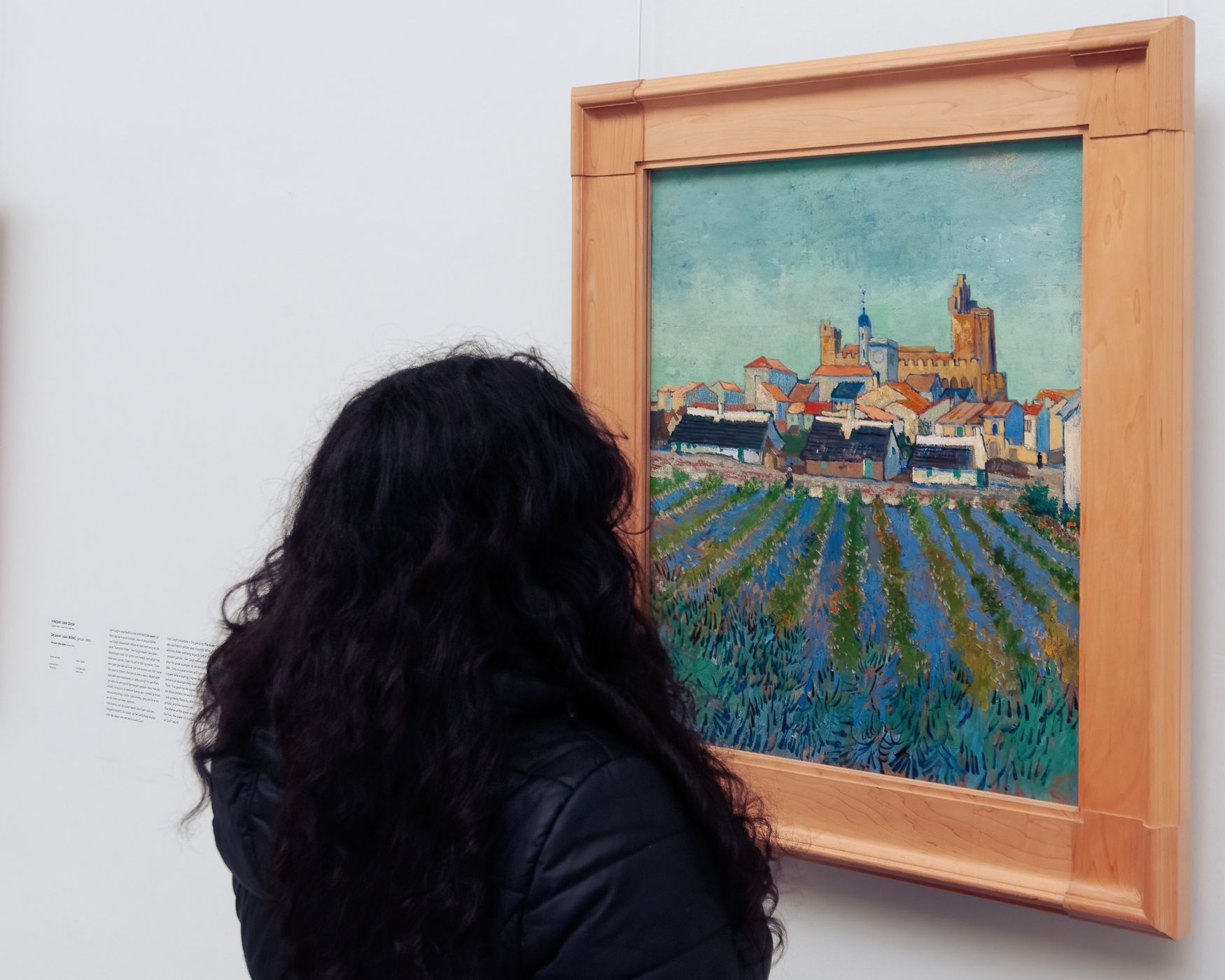
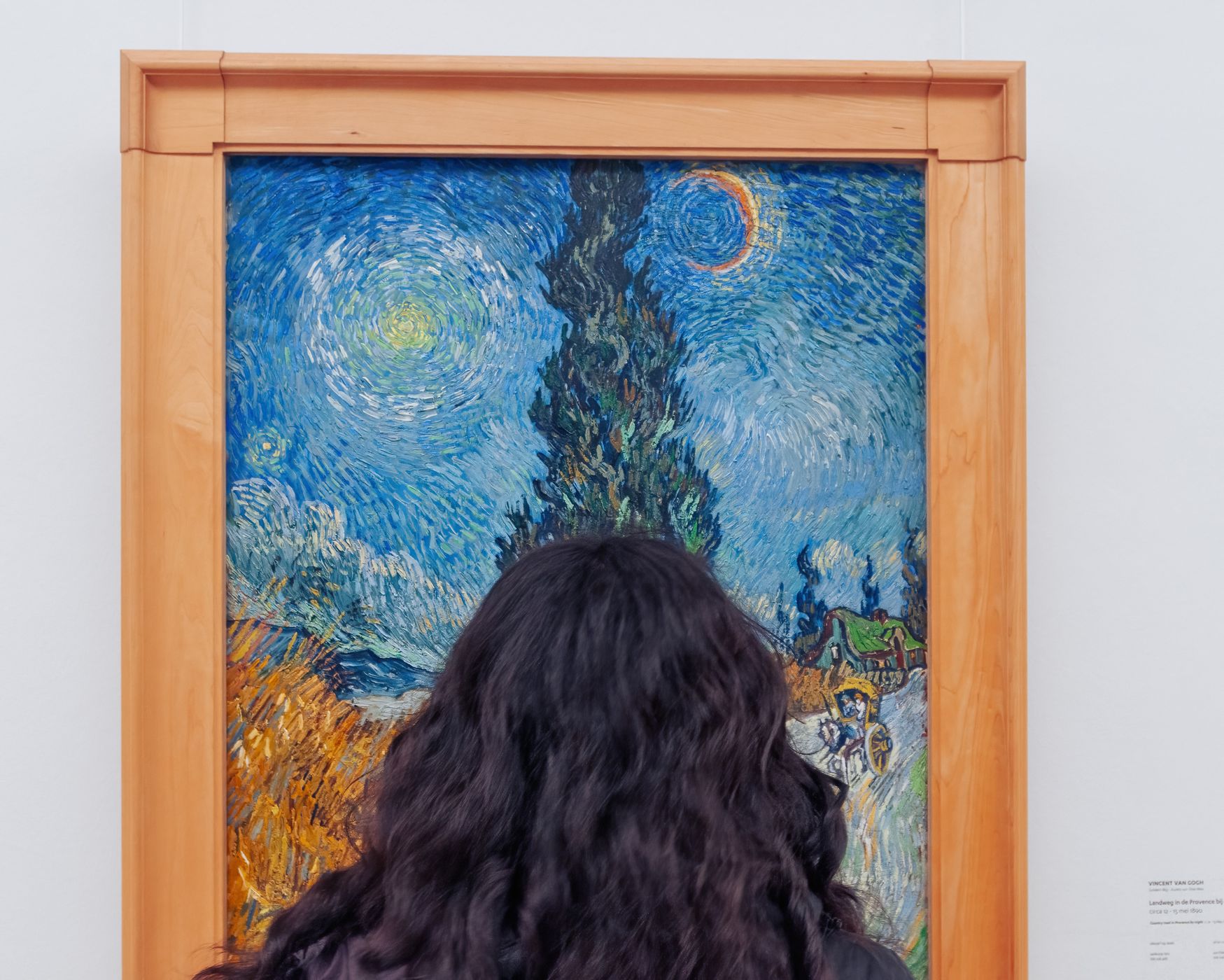
In the middle of the Hoge Veluwe, between pines, heather and drifting sands, sits the Kröller-Müller Museum – the “art heart” of the park. The museum grew out of the private collection of Helene Kröller-Müller in the early twentieth century. She bought modern art at a time when many of her favourites were still controversial, building up a remarkable series of works by Vincent van Gogh and his contemporaries. In 1938 the museum opened in the park as a permanent home for this collection. Today the building feels calm and understated: low pavilions, long corridors, large windows and inner courtyards that open directly to the surrounding forest. Inside, Van Gogh hangs alongside Monet, Seurat, Picasso, Mondrian and many others; outside, a huge sculpture garden stretches into the trees and lawns, so that art and landscape mix almost seamlessly.
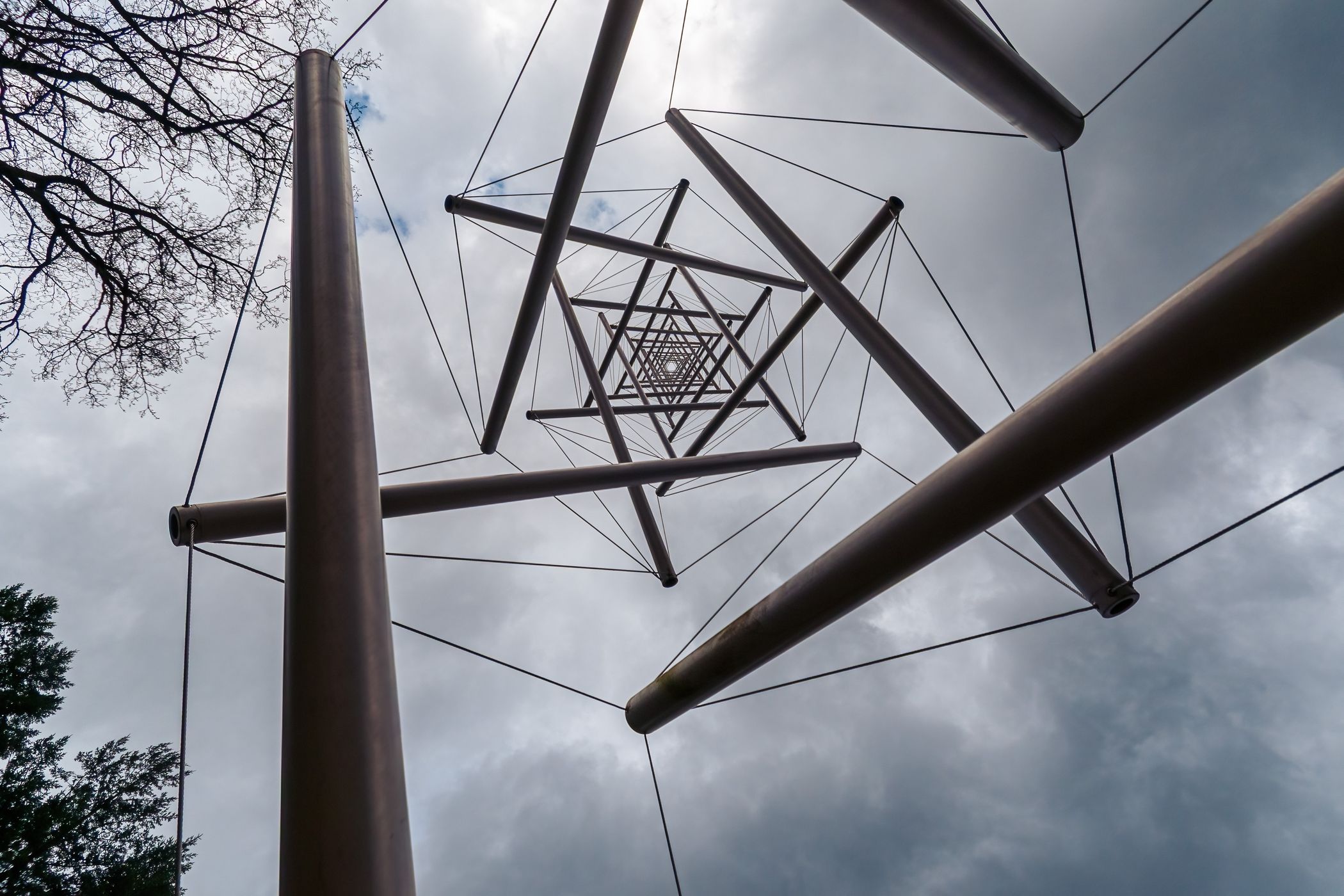
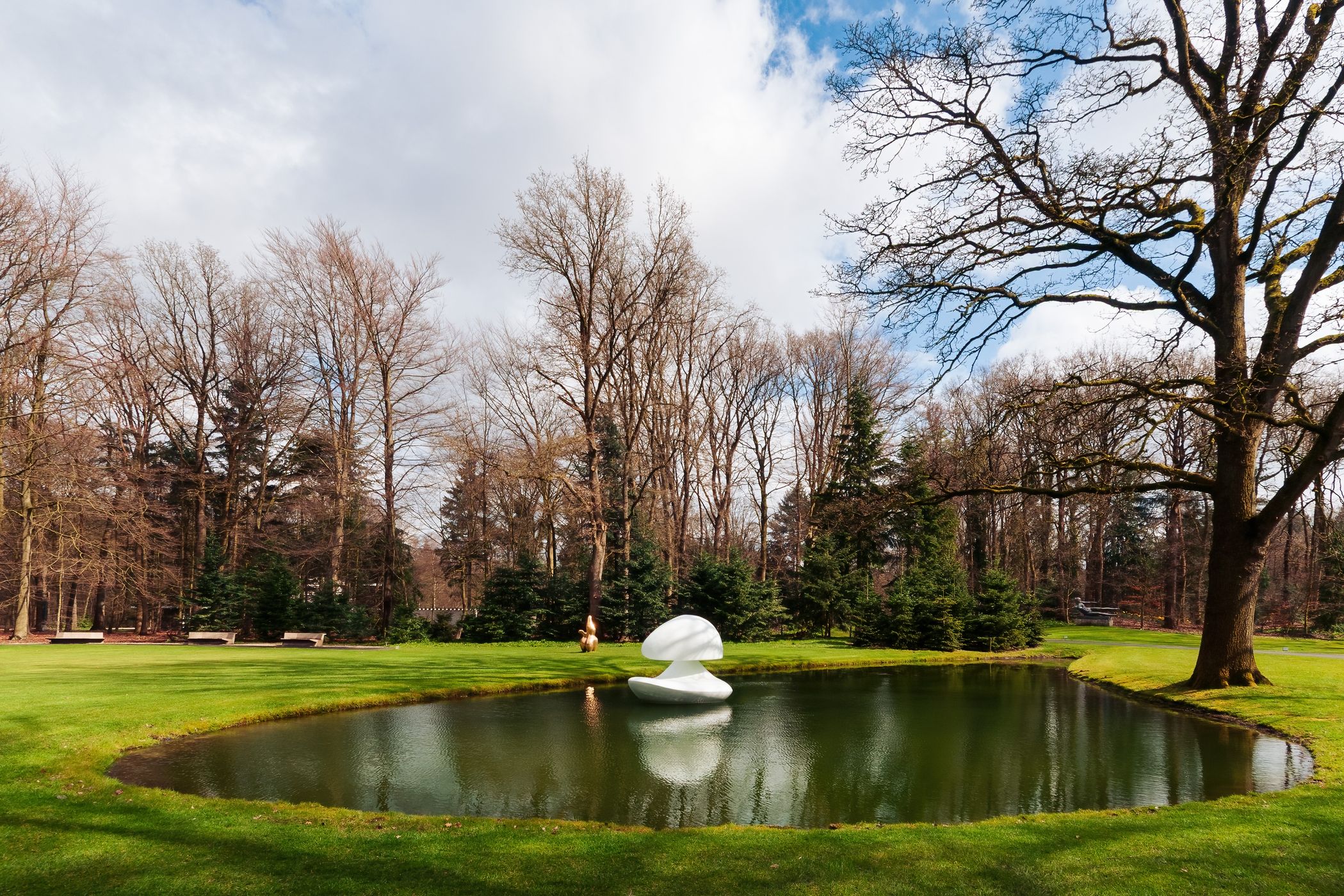
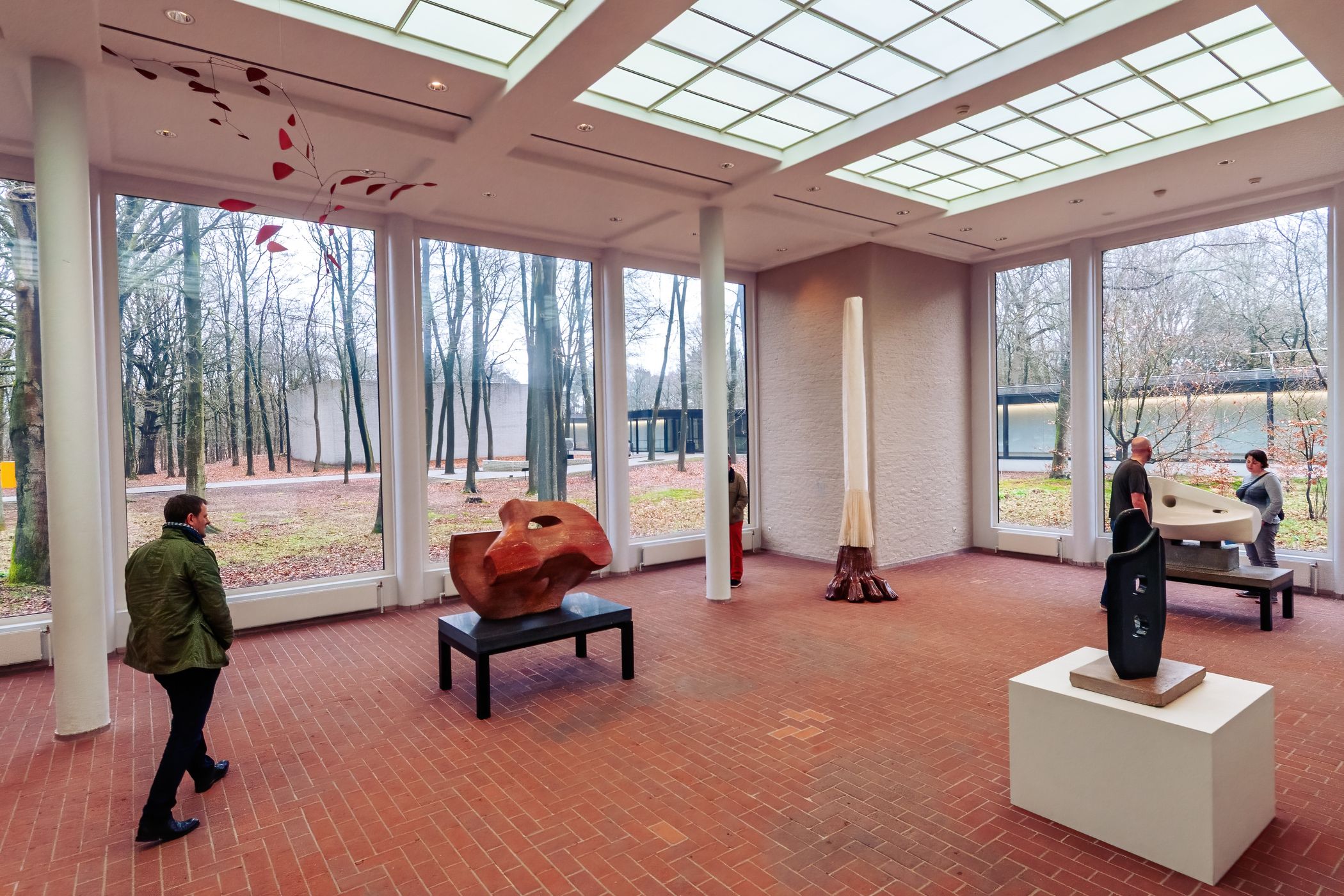
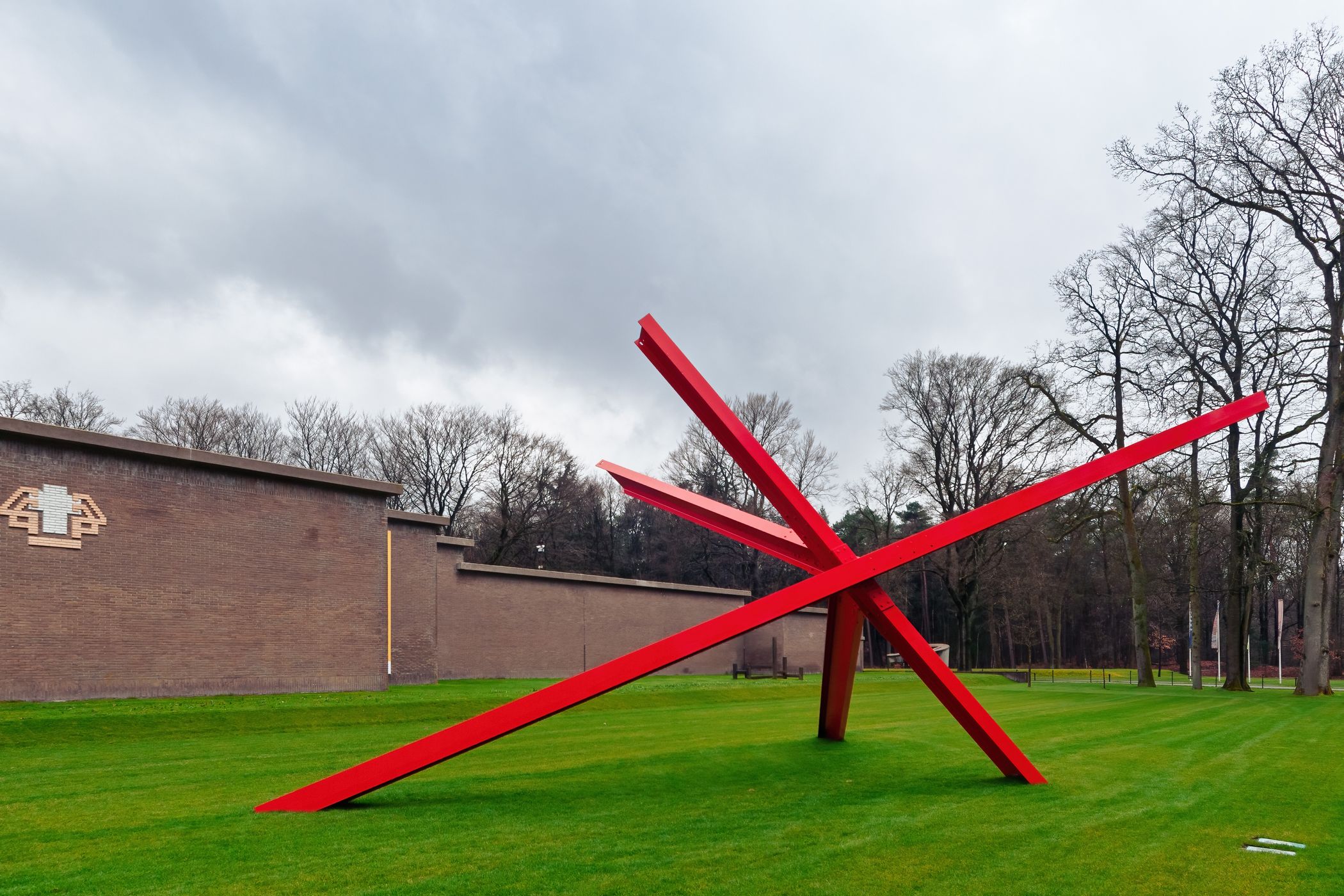
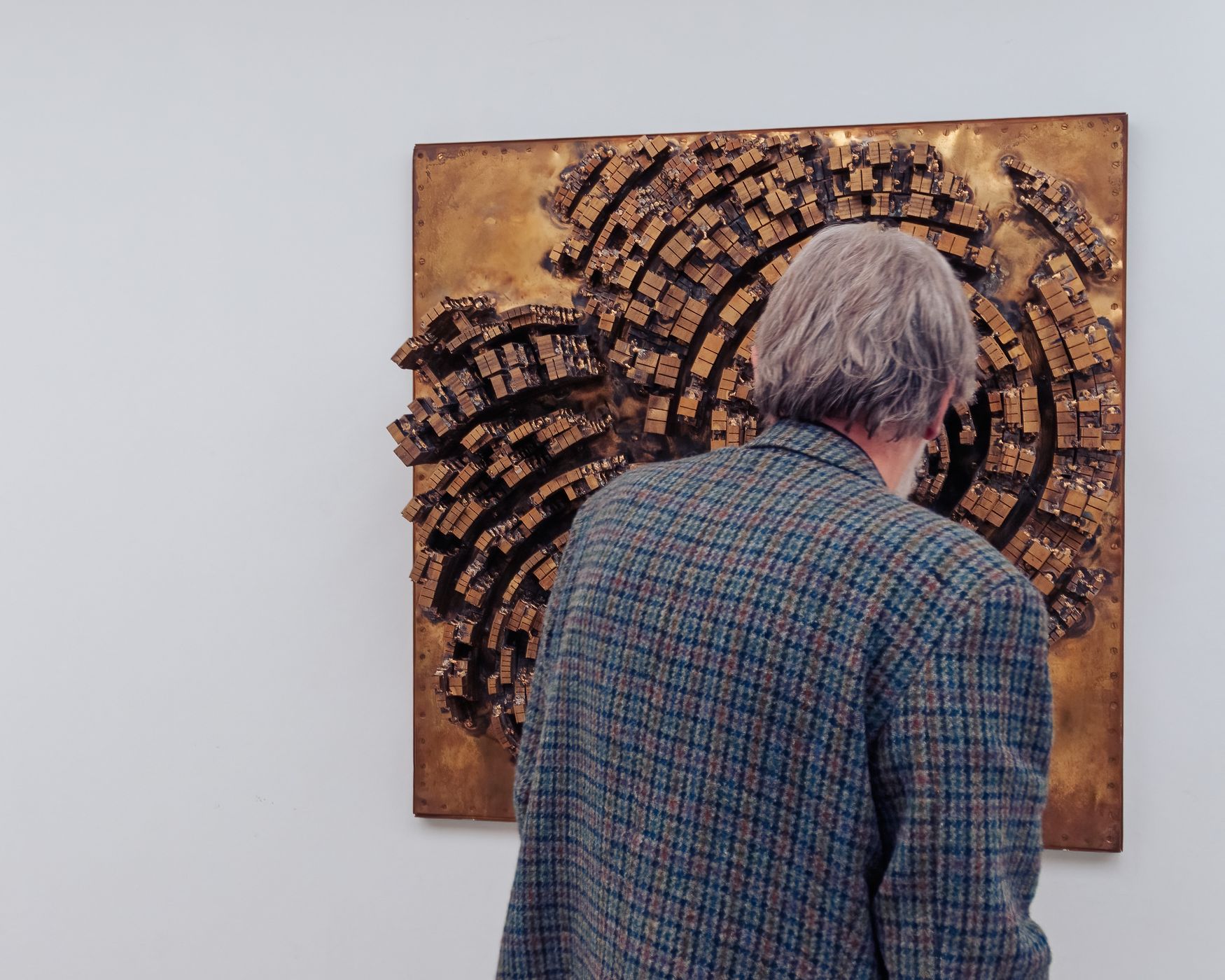
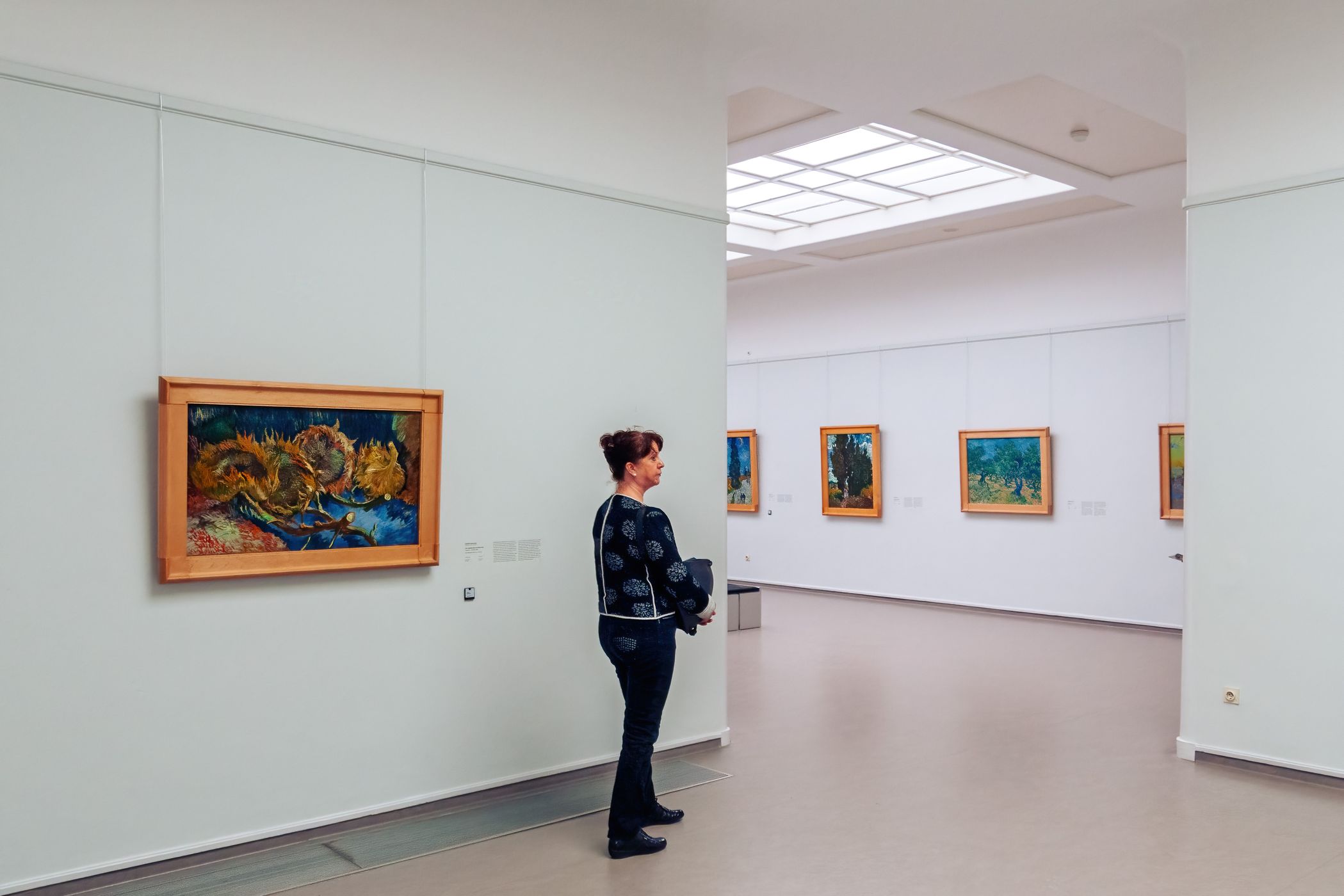
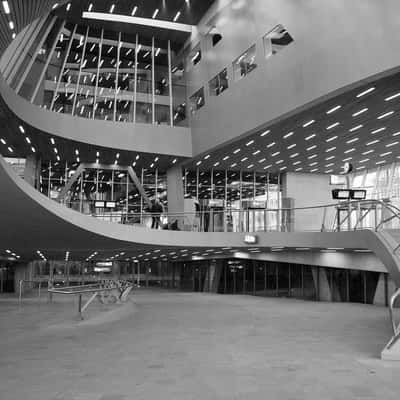
For anyone with a camera, the place is a very rewarding playground. The architecture lends itself to images: straight corridors, repeating doorways, glass walls that show both artworks and trees in the same frame, and soft daylight that filters in from above or from one side. Polished floors give reflections of people and paintings; big windows frame slices of forest like living backdrops. Step into the sculpture garden and the mood changes again: large works of steel, stone and bronze stand among lawns, ponds, sandy clearings and quiet woodland. Sculptures can be framed against open sky, filtered light under tall beeches, or the purple heather in late summer. Because the museum lies in the middle of a national park, the light and colours change constantly with the seasons – fresh greens in spring, deep shadows and bright foliage in summer, rich gold and rust in autumn, muted tones and bare branches in winter.
For anyone with a camera, the place is a very rewarding playground. The architecture lends itself to images: straight corridors, repeating doorways, glass walls that show both artworks and trees in the same frame, and soft daylight that filters in from above or from one side. Polished floors give reflections of people and paintings; big windows frame slices of forest like living backdrops. Step into the sculpture garden and the mood changes again: large works of steel, stone and bronze stand among lawns, ponds, sandy clearings and quiet woodland. Sculptures can be framed against open sky, filtered light under tall beeches, or the purple heather in late summer. Because the museum lies in the middle of a national park, the light and colours change constantly with the seasons – fresh greens in spring, deep shadows and bright foliage in summer, rich gold and rust in autumn, muted tones and bare branches in winter.
Photography Tips
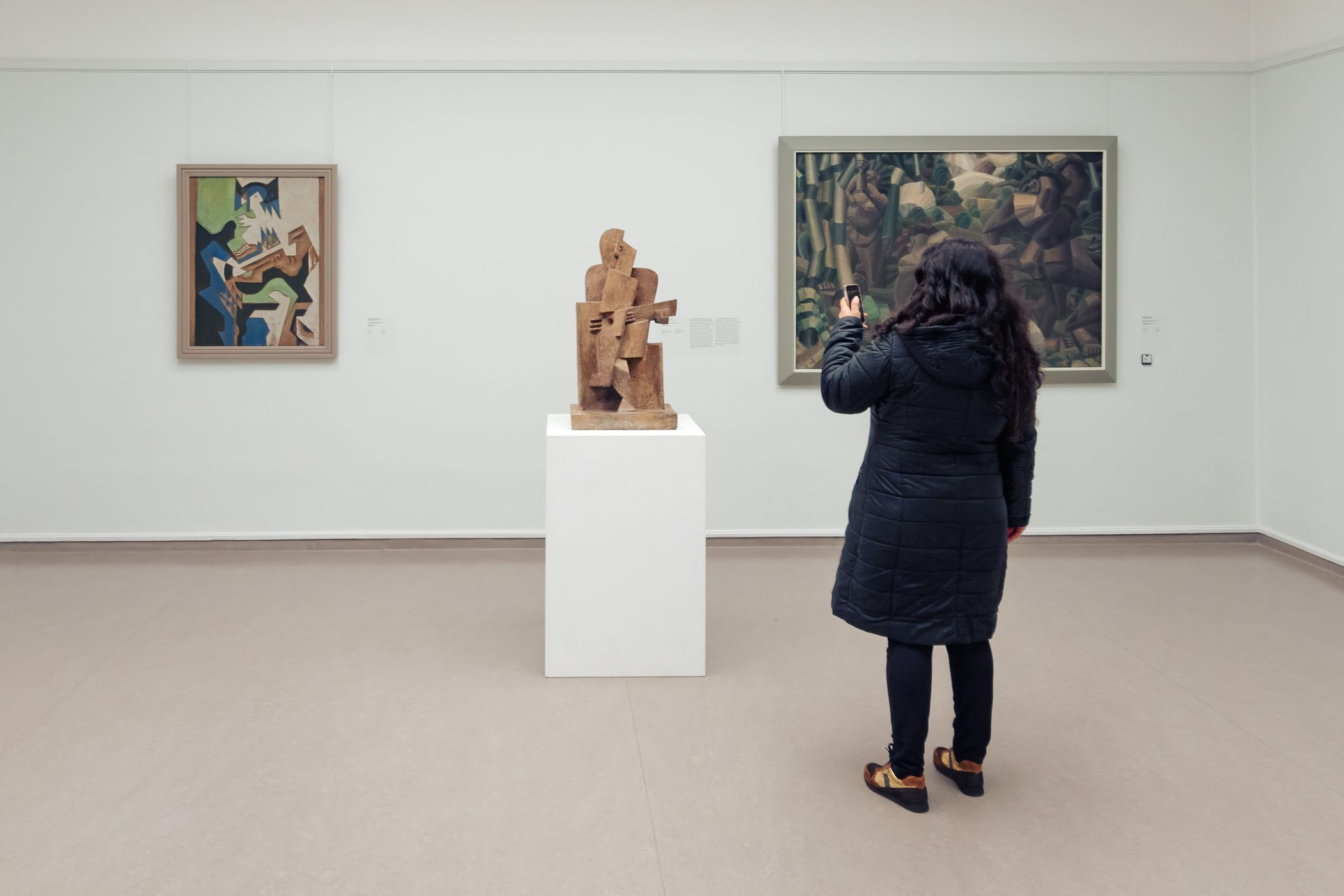
A few practical habits make the visit easier photographically. Indoors, light levels are often moderate rather than bright, and tripods are usually not allowed, so it helps to work with a camera or lens that copes well at higher ISO settings and to brace yourself lightly against door frames or walls when you shoot. A wide-angle lens is useful in the galleries to show both space and artwork, but a normal or short telephoto focal length often gives cleaner compositions of single paintings or sculptures without distracting elements. It is worth checking on site which parts of the collection may be photographed and under what conditions; flash is typically forbidden, and some temporary exhibitions may have stricter rules. Outside in the sculpture garden, walking slowly and circling each piece pays off: from one angle a sculpture might blend with the trees, from another it stands alone against sky or grass. Early and late in the day the low sun helps to model forms in relief; in bright midday light, deep shadows and hard edges can create very graphic black-and-white images. A polarising filter can be helpful for controlling reflections on water and glass, but it needs a bit of care so that skies and foliage do not become unnaturally dark.
Travel Information
Reaching the museum is straightforward but always involves the park. The Kröller-Müller lies inside the Hoge Veluwe National Park, near the village of Otterlo and within driving distance of Arnhem, Apeldoorn and Ede. By car you enter the park through one of the main gates and continue on to the central area near the museum, where parking is available. Public transport brings you as far as the villages around the park; from there, local buses connect to the entrances. Once inside, you can either drive on or use the park’s famous free white bicycles to reach the museum along quiet forest roads. The final approach is part of the experience: as you walk or cycle through trees and heather and the low buildings slowly appear between the trunks, you feel that you are entering not just a museum, but a piece of landscape that happens to be full of art.
Spot Type
Outdoor
Crowd Factor
Lots of people
Best Timing
All timings are equally good
Sunrise & Sunset
08:14 - 18:28
| current local time: 09:34
Photo Themes
Art
Museum
Museum of Modern Art
parc
Locations
Hoge Veluwe
Gelderland





Spot comments (0)