


Spain Reial Monestir de Santa Maria de Poblet
Grand 1100s Cistercian monastery, with Aragonian royal graves & ornate cloisters. UNESCO Heritage.
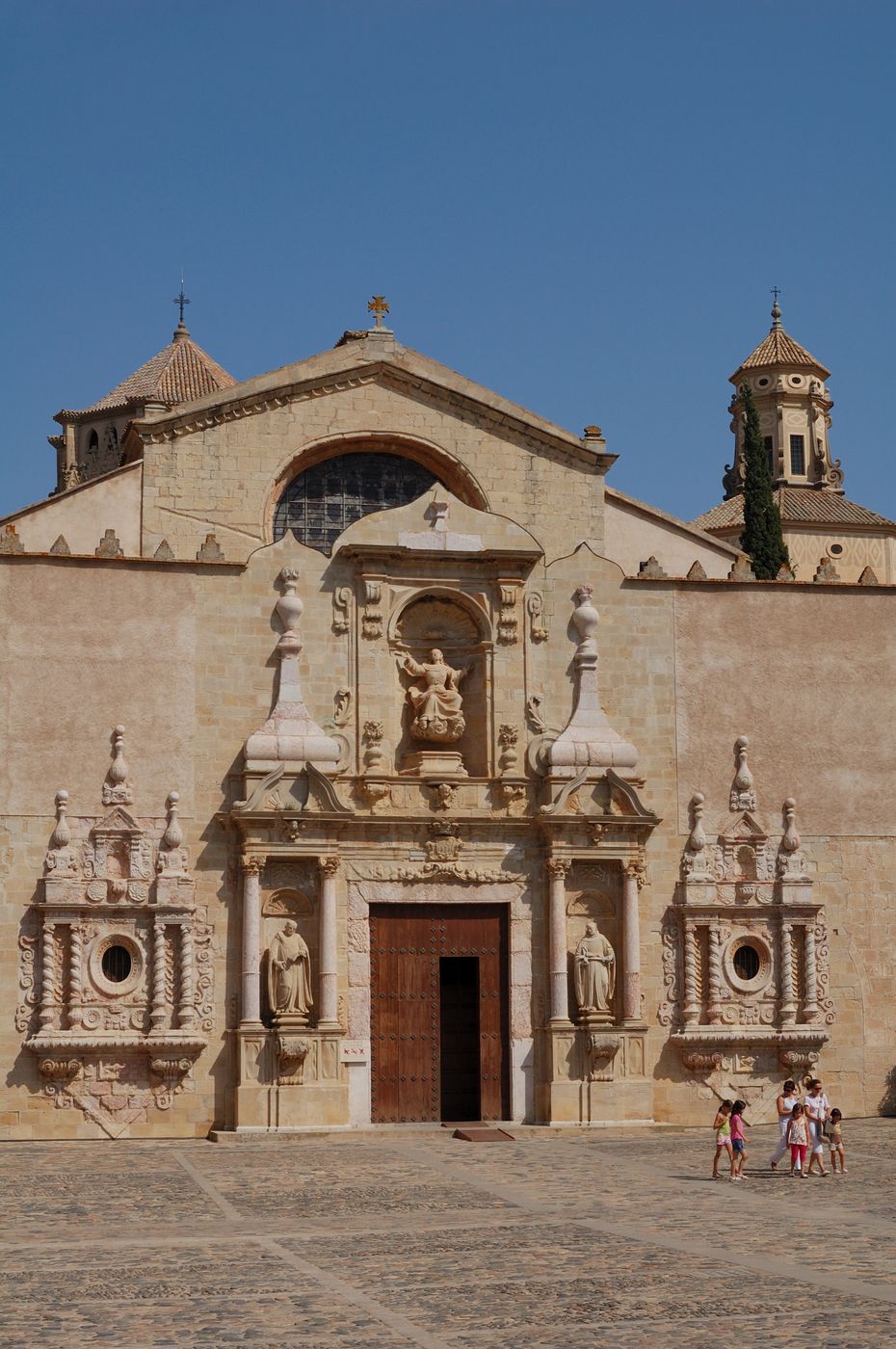
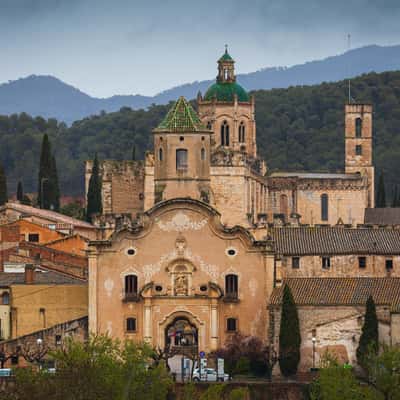
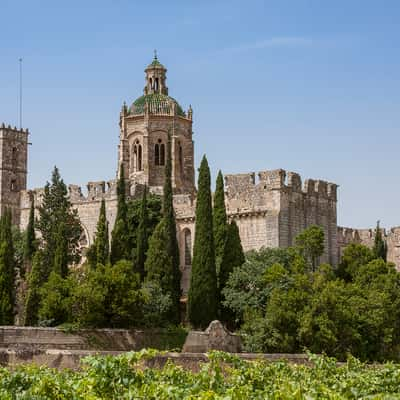
Poblet sits in a quiet fold of the Prades foothills in Catalonia, near Vimbodí i Poblet and l’Espluga de Francolí, about an hour from Tarragona and a couple from Barcelona. Encircled by vines, pines and low sandstone hills, the Royal Abbey of Santa Maria de Poblet feels both tucked-away and monumental—monks still live here, and the complex looks every bit the fortified Cistercian city it once was.
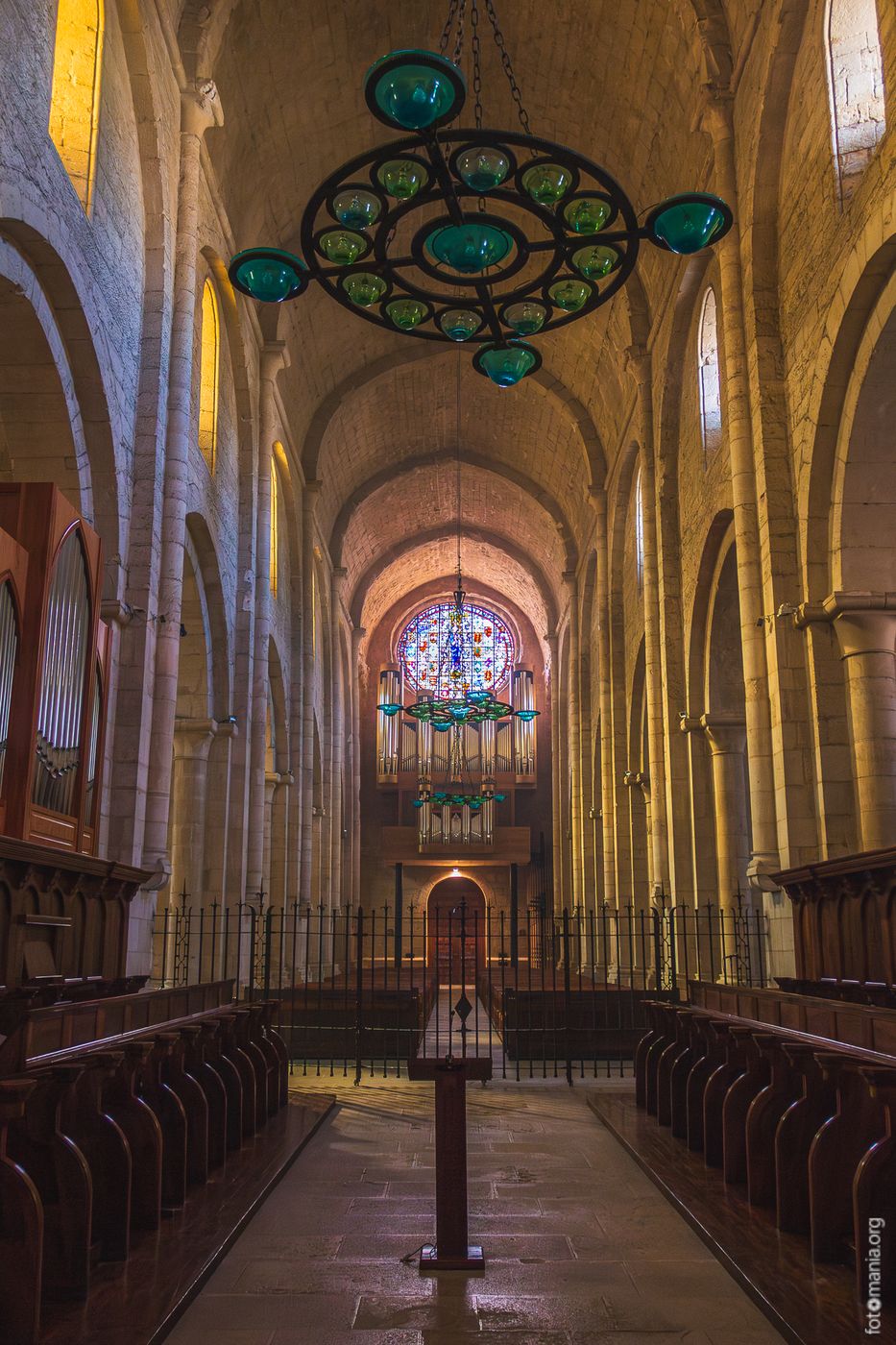
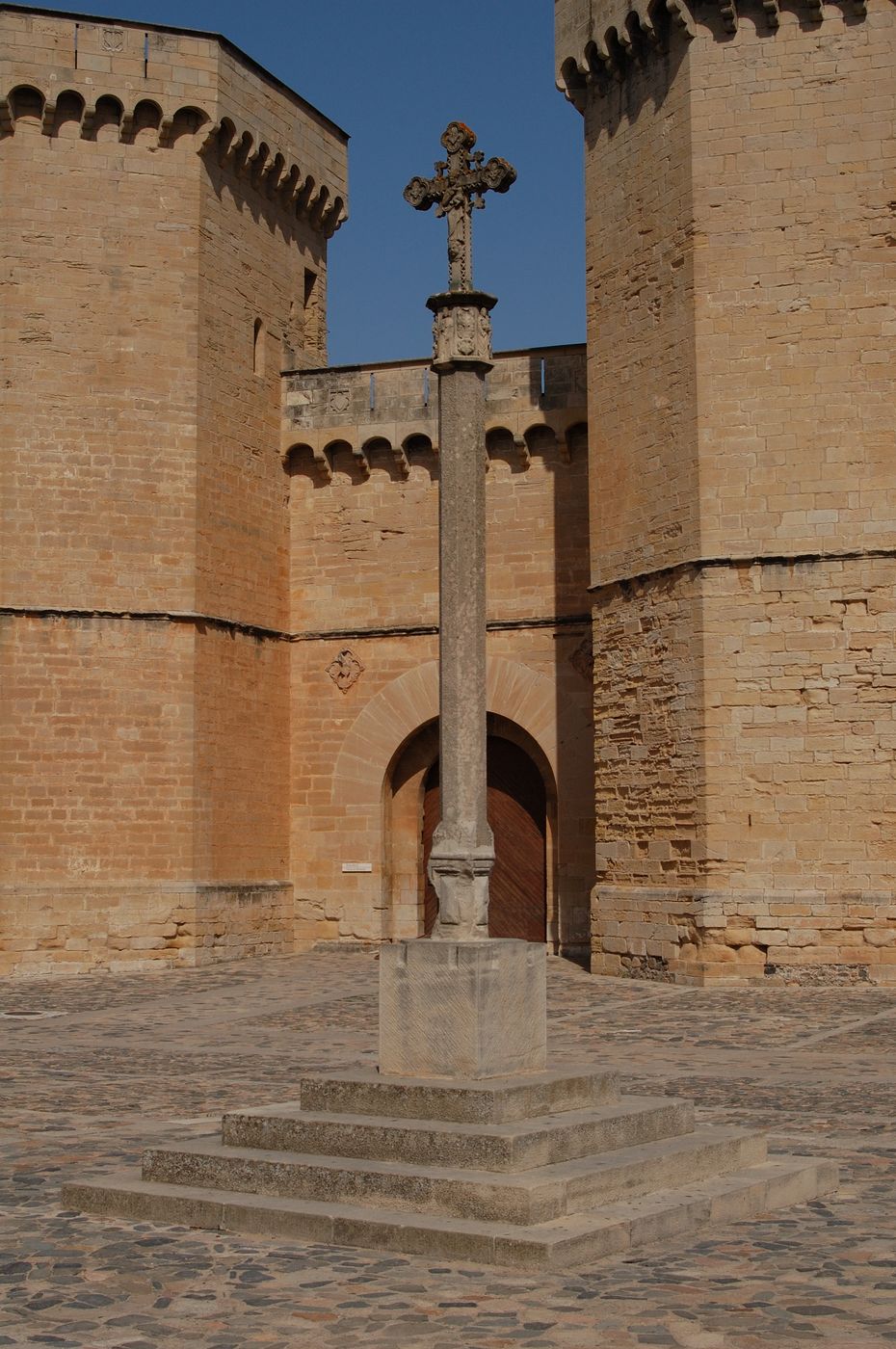
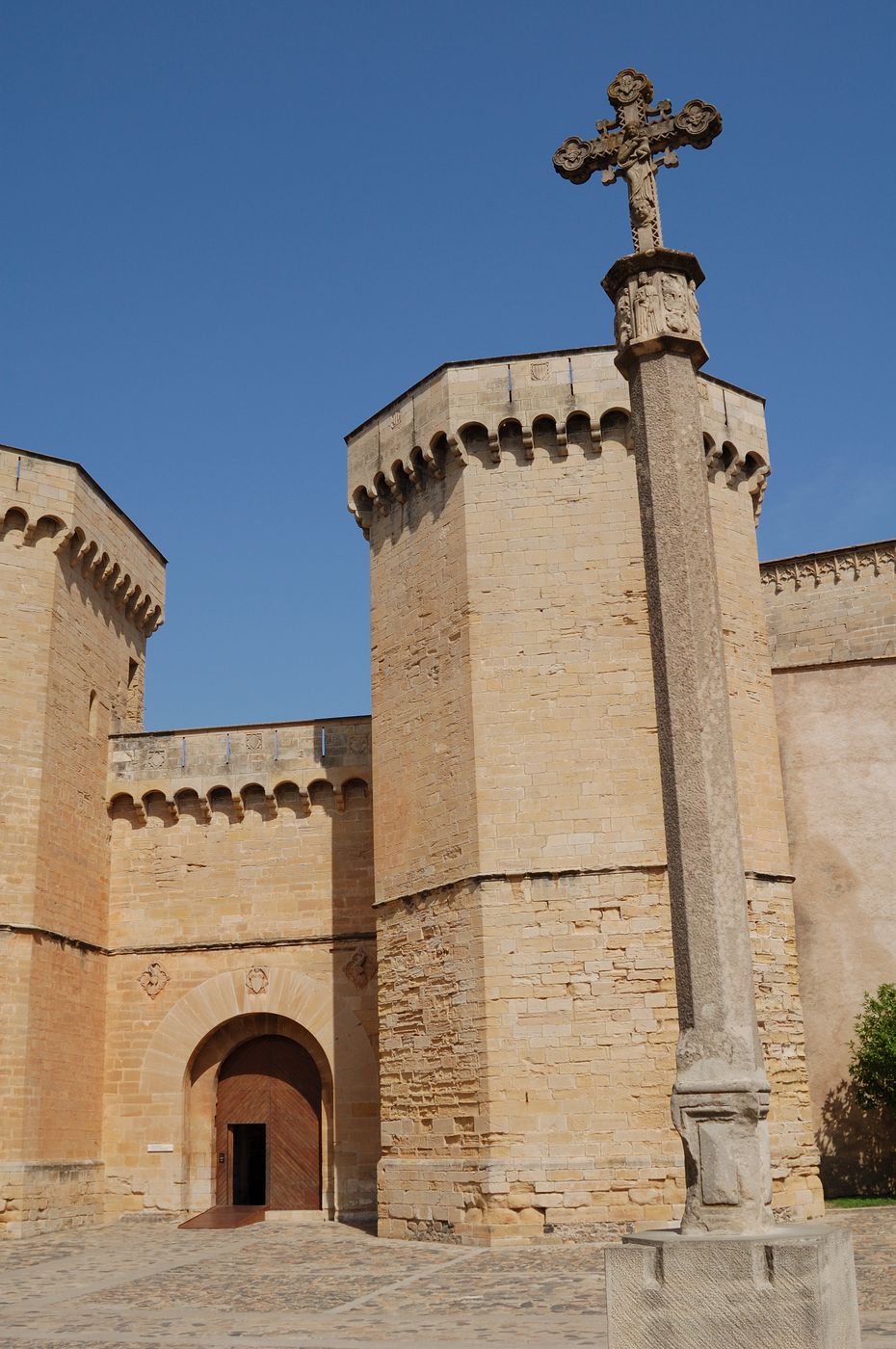
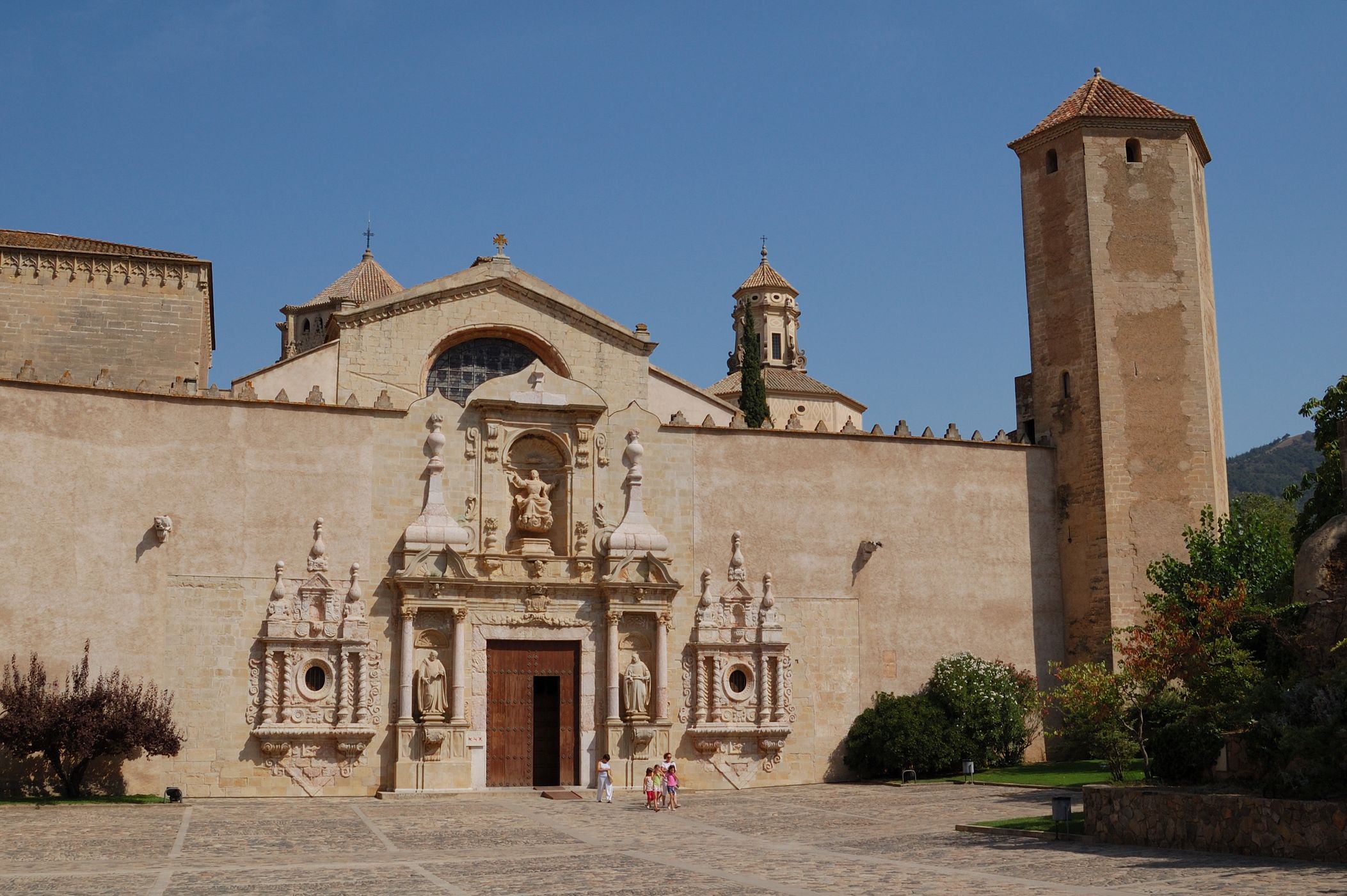
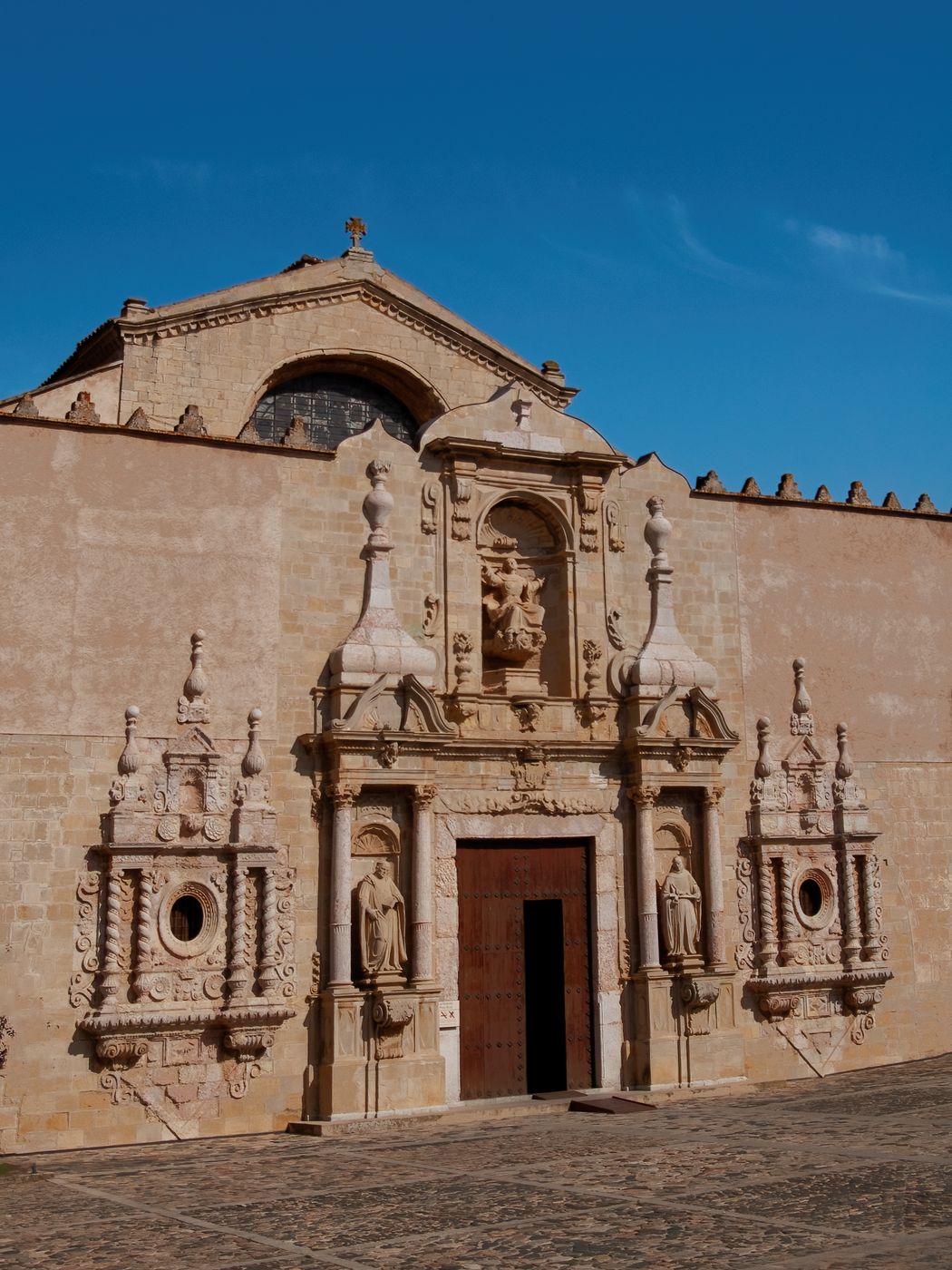
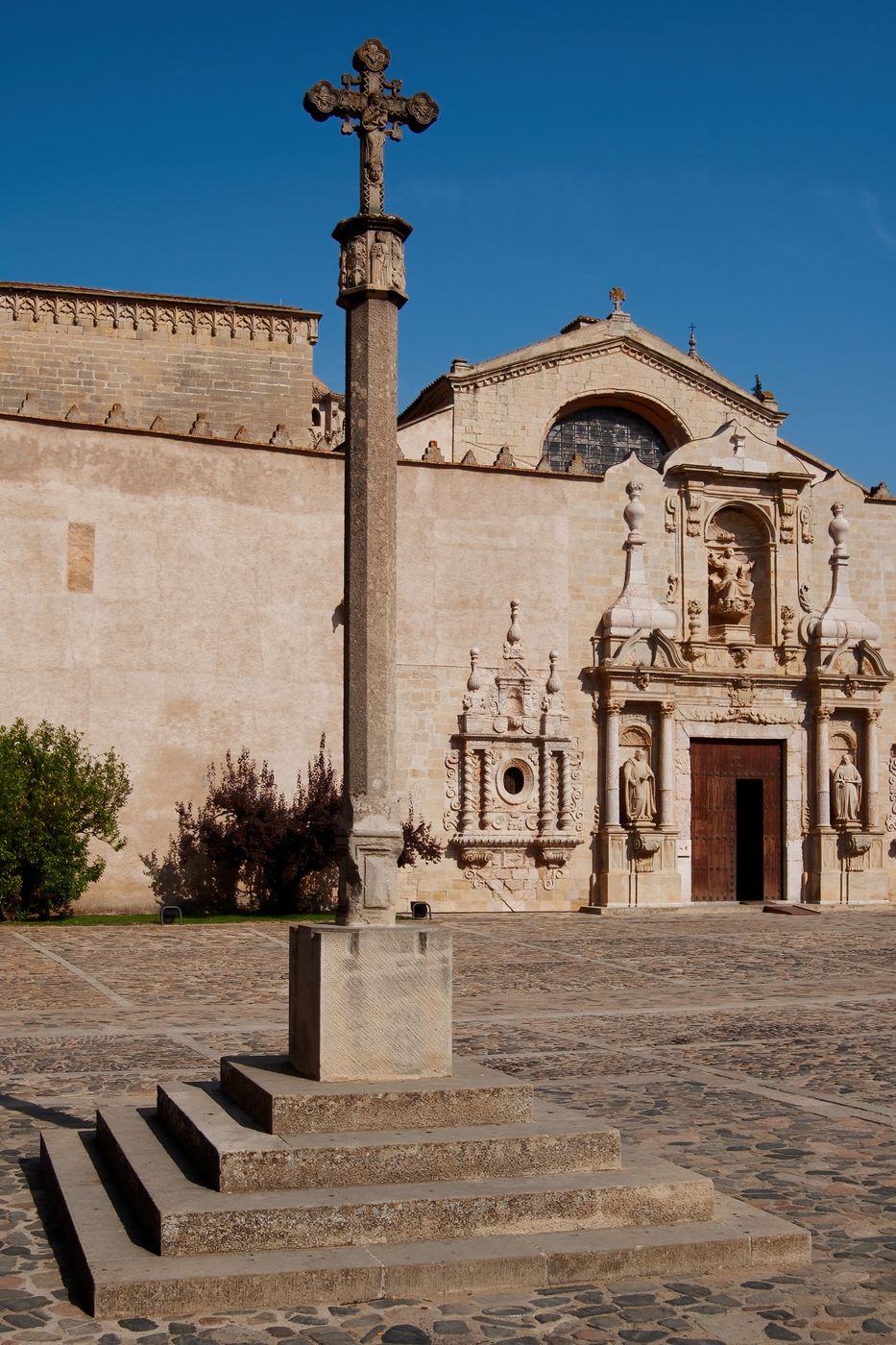
Founded in the 12th century, Poblet grew into the royal pantheon of the Crown of Aragon, its church lined with sculpted tombs and ceremonial stonework. Centuries of upheaval left scars, but careful restoration brought the ensemble back to working life: a great gatehouse, thick walls, a soaring Gothic church, a cool cloister with a central fountain, refectory, chapter house and gardens. The palette is warm honeyed stone under blue Catalan skies; cypresses punctuate courtyards; swallows patrol the ramparts in summer.
Poblet sits in a quiet fold of the Prades foothills in Catalonia, near Vimbodí i Poblet and l’Espluga de Francolí, about an hour from Tarragona and a couple from Barcelona. Encircled by vines, pines and low sandstone hills, the Royal Abbey of Santa Maria de Poblet feels both tucked-away and monumental—monks still live here, and the complex looks every bit the fortified Cistercian city it once was.
Founded in the 12th century, Poblet grew into the royal pantheon of the Crown of Aragon, its church lined with sculpted tombs and ceremonial stonework. Centuries of upheaval left scars, but careful restoration brought the ensemble back to working life: a great gatehouse, thick walls, a soaring Gothic church, a cool cloister with a central fountain, refectory, chapter house and gardens. The palette is warm honeyed stone under blue Catalan skies; cypresses punctuate courtyards; swallows patrol the ramparts in summer.
Photography Tips
For photography, Poblet is a gift. The exterior gives clean lines, crenellations and repeated arches; the cloister offers soft, directional light and satisfying symmetry; the church interior rewards low-light work with rib vaults and long aisles; the surrounding vineyards and woodland provide seasonal colour—almond blossom in late winter, fresh greens in spring, ochres in autumn. Mist sometimes pools at dawn, and blue hour settles beautifully on the walls and bell tower.
• Arrive early or late: side light adds texture to ashlar and reliefs, while midday sun gets harsh in the cloister.
• Inside the church and cloister, use a fast prime (f/1.8–2.8) and higher ISO rather than flash; a small travel tripod helps if permitted.
• Compose for rhythm: centre up for classic symmetry in the cloister, then step off-axis to catch diagonals and layered columns.
• Bring a polariser outdoors to tame glare on stone and deepen sky; it also helps with reflections in the cloister fountain.
• For details, pack a short telephoto (70–100 mm) to isolate capitals, tracery and tomb sculpture; for the full nave or gatehouse, a 24–28 mm is usually wide enough.
• Blue hour outside the walls is ideal for long exposures—wait for the first streetlights and balance them against the residual sky.
• Be respectful of services and signage; silence and no-flash rules are common, and some areas may be off-limits.
• Arrive early or late: side light adds texture to ashlar and reliefs, while midday sun gets harsh in the cloister.
• Inside the church and cloister, use a fast prime (f/1.8–2.8) and higher ISO rather than flash; a small travel tripod helps if permitted.
• Compose for rhythm: centre up for classic symmetry in the cloister, then step off-axis to catch diagonals and layered columns.
• Bring a polariser outdoors to tame glare on stone and deepen sky; it also helps with reflections in the cloister fountain.
• For details, pack a short telephoto (70–100 mm) to isolate capitals, tracery and tomb sculpture; for the full nave or gatehouse, a 24–28 mm is usually wide enough.
• Blue hour outside the walls is ideal for long exposures—wait for the first streetlights and balance them against the residual sky.
• Be respectful of services and signage; silence and no-flash rules are common, and some areas may be off-limits.
Travel Information
• By car: from Barcelona or Lleida, use the AP-2/C-14 corridor toward l’Espluga de Francolí, then follow signs to “Monestir de Poblet” (TV-7001). From Tarragona, head inland via the N-240. Parking sits near the entrance. Parking is available onsite.
• By train: regional trains run to l’Espluga de Francolí; from the station it’s a short taxi ride or a longer walk to the monastery.
• By bus/taxi: regional buses connect nearby towns; the last leg is easiest by taxi if you’re not driving.
Pair the abbey with the medieval walled town of Montblanc or the caves at l’Espluga for a full, texture-rich day in Conca de Barberà.
• By train: regional trains run to l’Espluga de Francolí; from the station it’s a short taxi ride or a longer walk to the monastery.
• By bus/taxi: regional buses connect nearby towns; the last leg is easiest by taxi if you’re not driving.
Pair the abbey with the medieval walled town of Montblanc or the caves at l’Espluga for a full, texture-rich day in Conca de Barberà.
Spot Type
Indoor
Crowd Factor
A decent amount of people
Best Timing
All timings are equally good
Sunrise & Sunset
08:15 - 19:04
| current local time: 06:35
Photo Themes
Monastery
Locations
Catalonia





Spot comments (0)