
Spain Cathedral of Ciudad Rodrigo
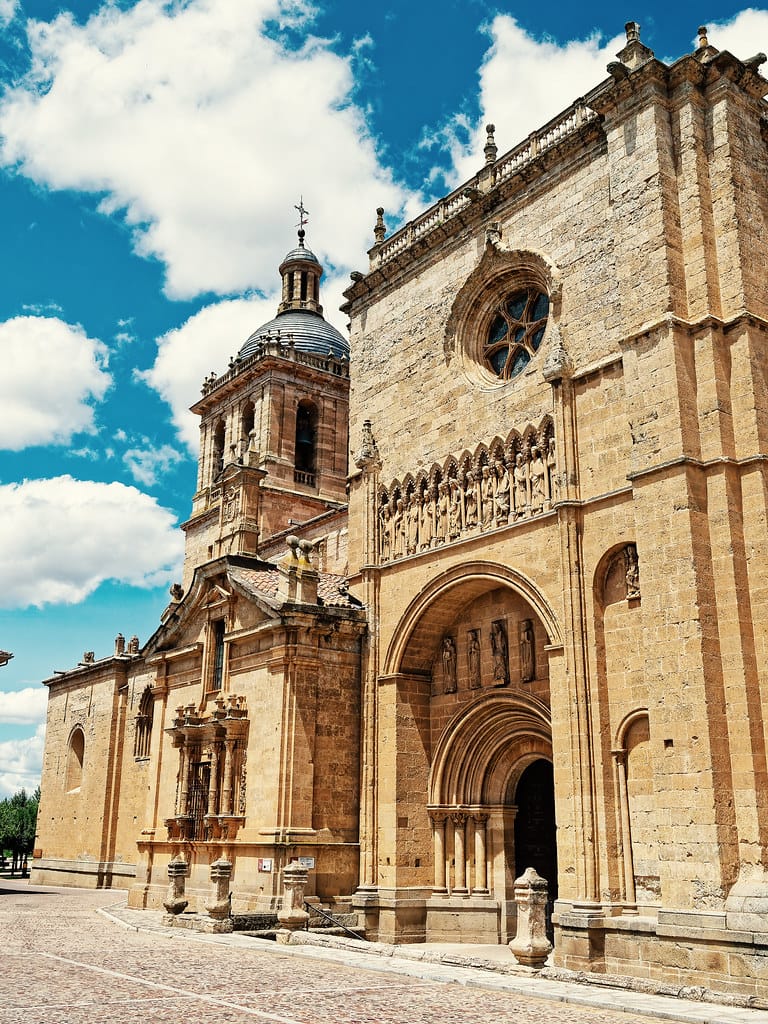
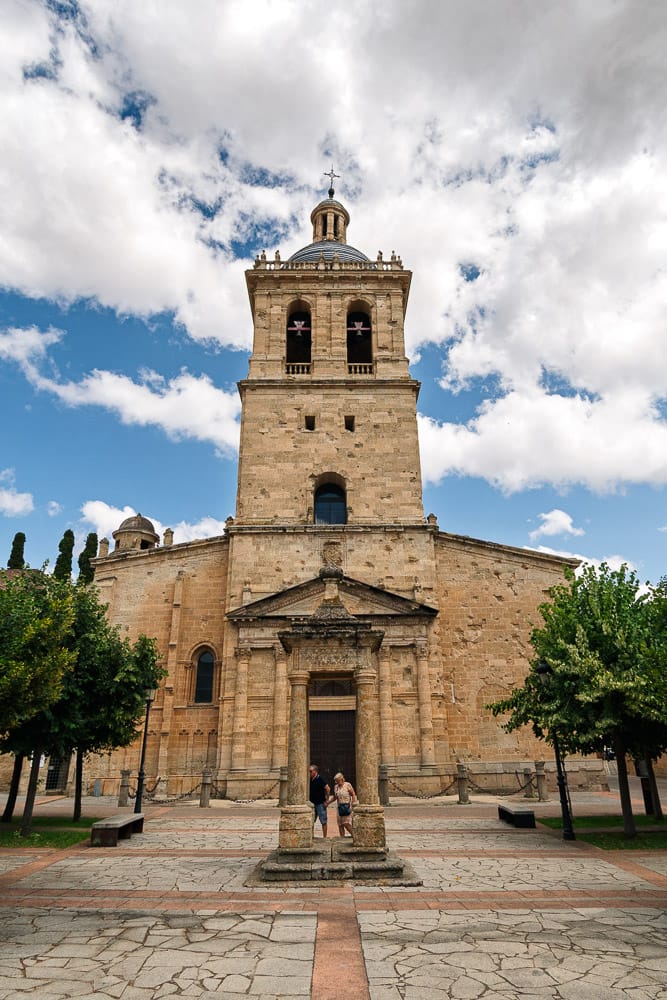
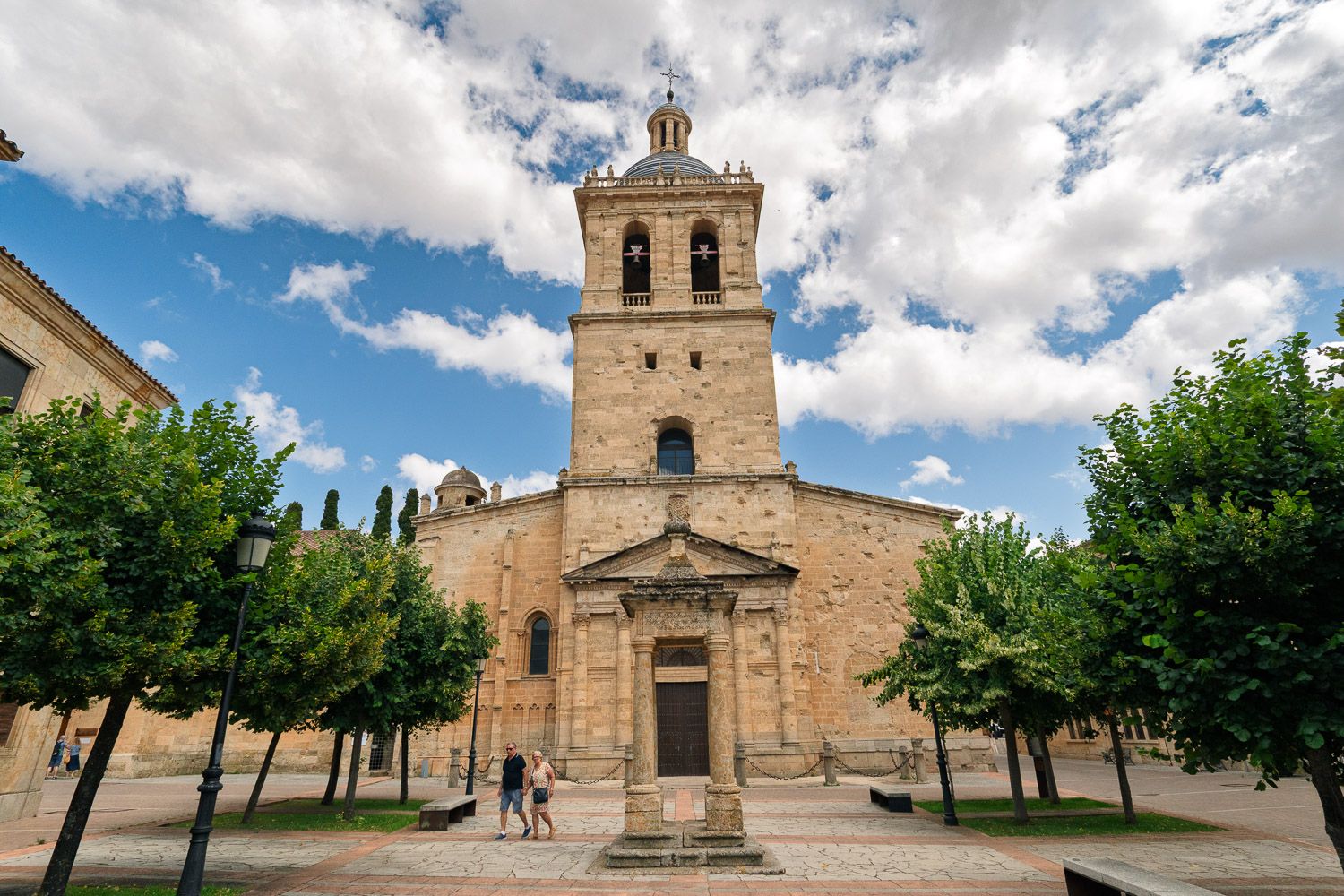
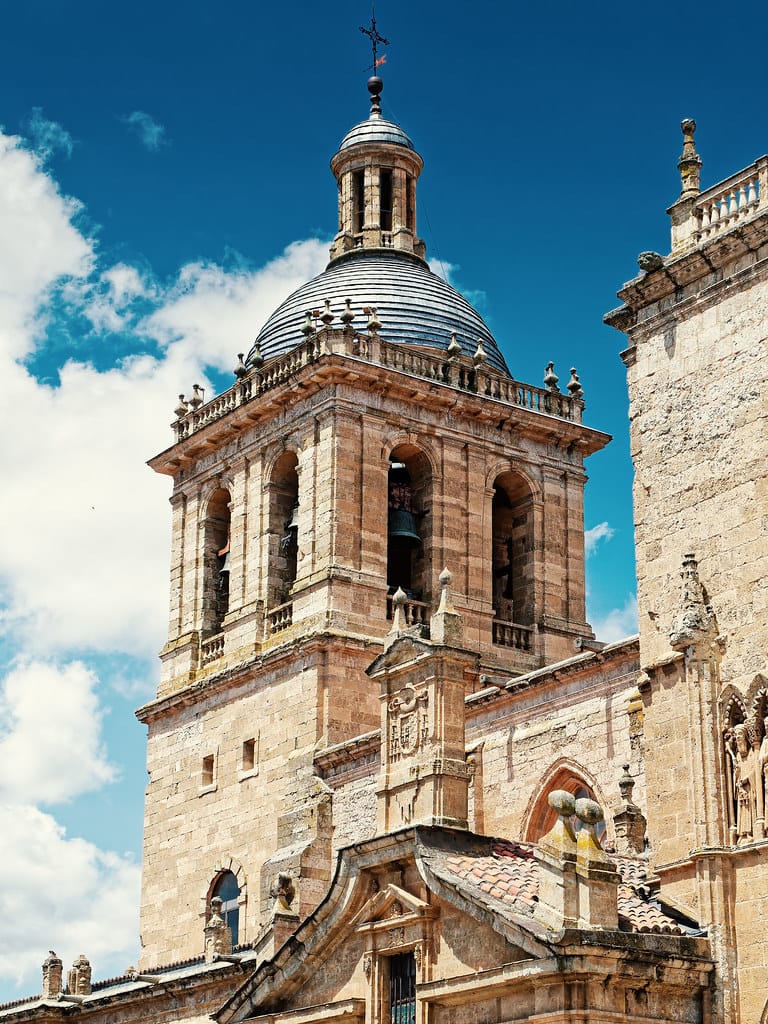
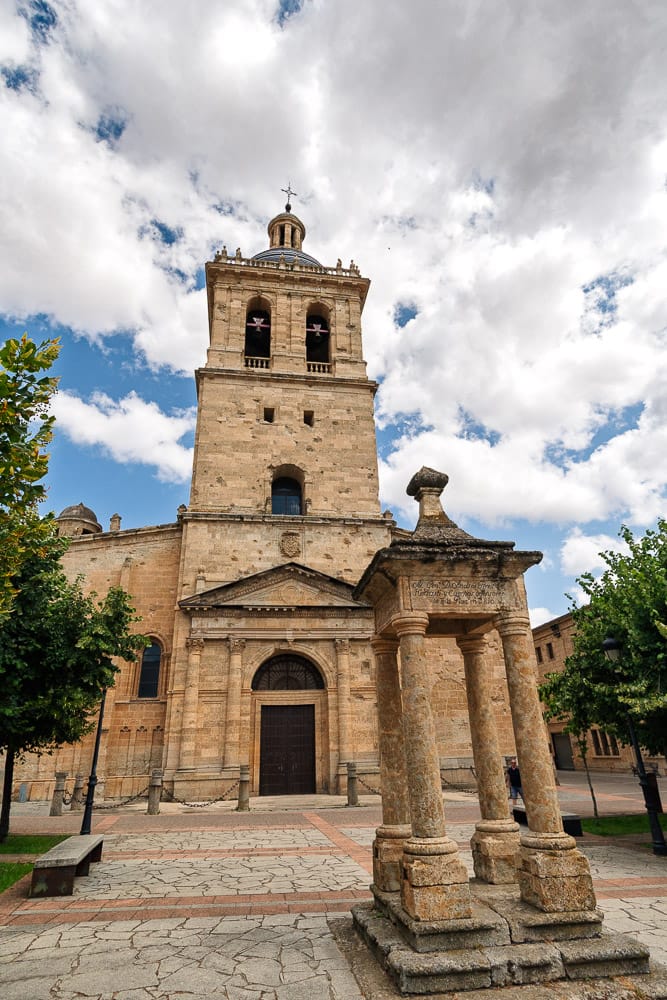
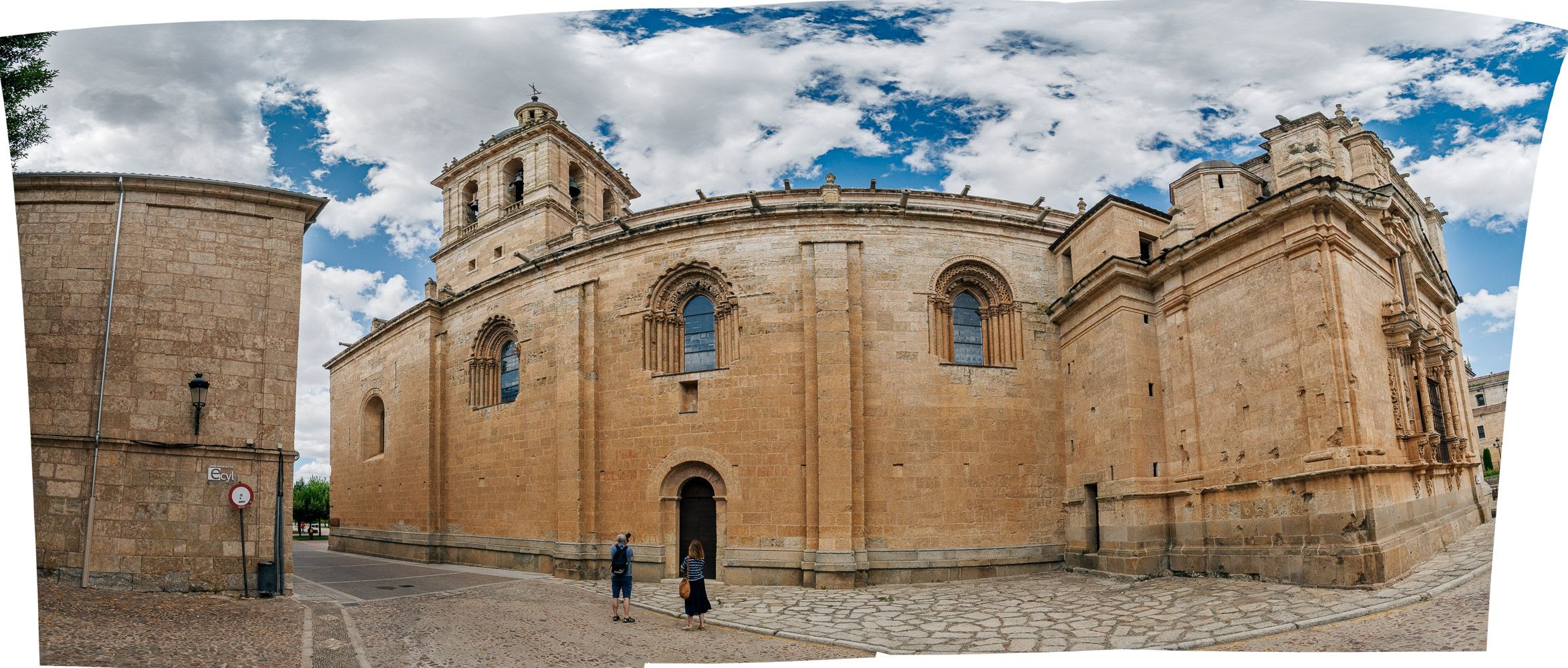
Ciudad Rodrigo’s Cathedral of Santa María sits like a sandstone anchor at the heart of this walled border town. Its story reads across centuries: foundations rise in the late 1100s; workshops carry on through the high Gothic; later hands add chapels and a proud tower that watches the frontier. Walk around and you feel that continuity—Romanesque bones, Gothic muscles, Baroque jewellery.
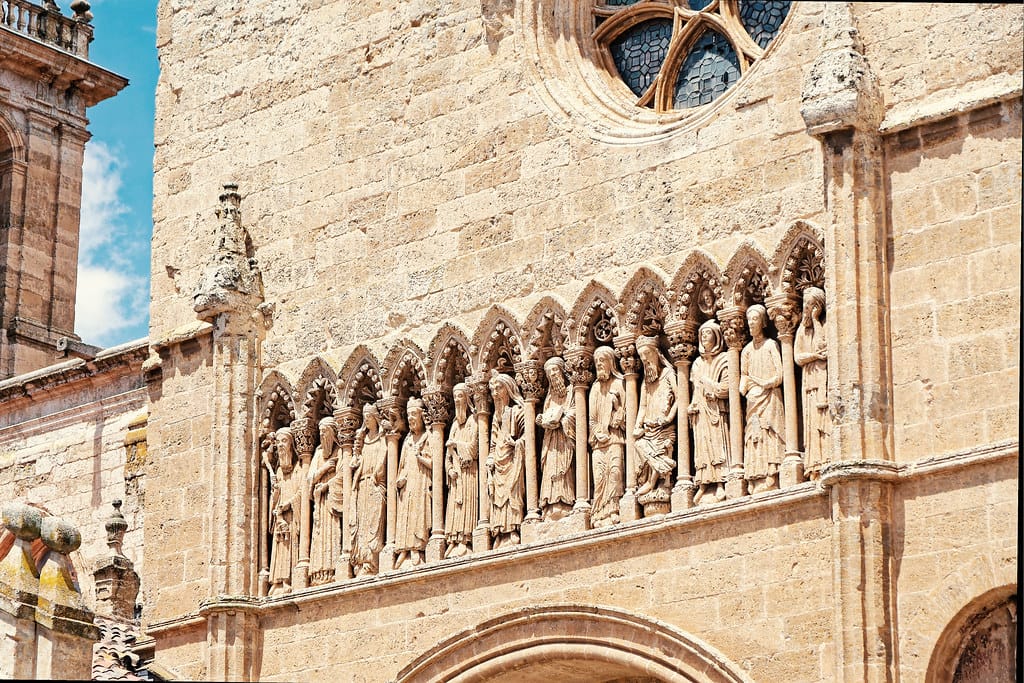
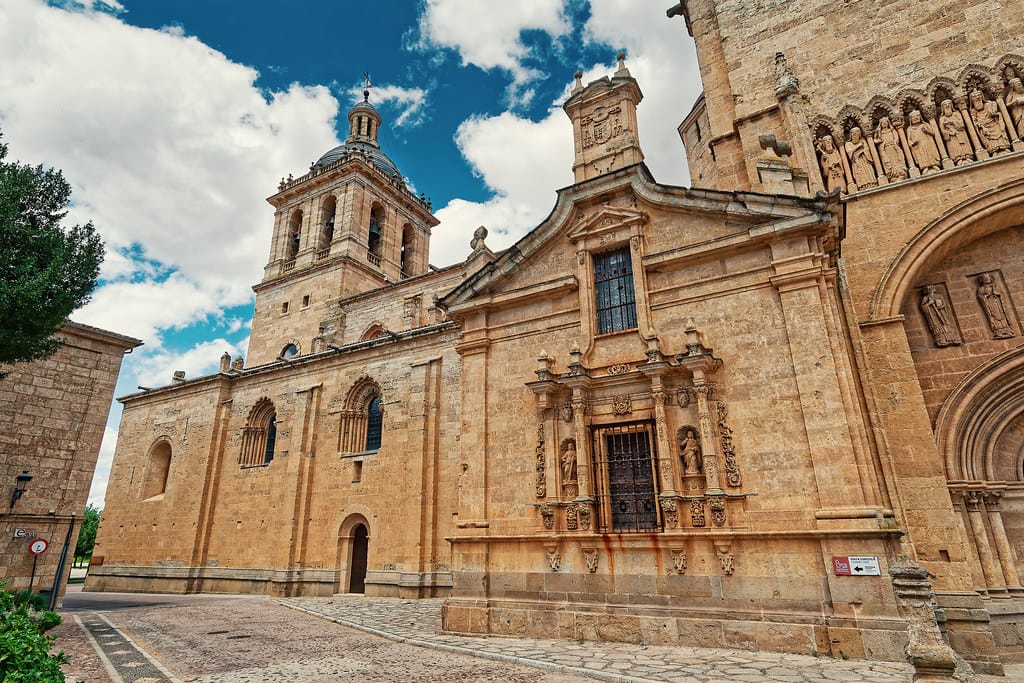
The west front gathers the eye with a deep, double doorway and a lacework rose window. On the south side the “Door of the Chains” lines up saints and Old Testament figures above a sober arch, a medieval crowd frozen mid-homily. Inside, three naves stride towards the main chapel. Look up and the vaulting fans into patterns that make the space breathe. The choir stalls bite back any notion of solemn uniformity: carved faces, beasts and jokes-in-wood peek from misericords—proof that medieval craftsmen had wit as sharp as their chisels.
The cloister is the cathedral’s quiet engine. Its square walk couples 14th-century galleries with 16th-century additions, and the light here plays games—soft on capitals, hard on arcades, perfect for the patient observer. Around the apse chapels, tombs and altarpieces mark local lineages, and the great tower outside gives the whole ensemble a vertical exclamation point without shouting. This building isn’t one “style”; it’s a conversation across time, conducted in warm, honeyed stone.
The west front gathers the eye with a deep, double doorway and a lacework rose window. On the south side the “Door of the Chains” lines up saints and Old Testament figures above a sober arch, a medieval crowd frozen mid-homily. Inside, three naves stride towards the main chapel. Look up and the vaulting fans into patterns that make the space breathe. The choir stalls bite back any notion of solemn uniformity: carved faces, beasts and jokes-in-wood peek from misericords—proof that medieval craftsmen had wit as sharp as their chisels.
The cloister is the cathedral’s quiet engine. Its square walk couples 14th-century galleries with 16th-century additions, and the light here plays games—soft on capitals, hard on arcades, perfect for the patient observer. Around the apse chapels, tombs and altarpieces mark local lineages, and the great tower outside gives the whole ensemble a vertical exclamation point without shouting. This building isn’t one “style”; it’s a conversation across time, conducted in warm, honeyed stone.
Photography Tips
Plan your light. Golden hour kisses the south and west fronts; blue hour gives the rose window and arcades moody depth. Midday suits the cloister for contrasty black-and-white.
Go wide, then go tight. A 16–24 mm (full-frame) captures nave height; a 50–85 mm isolates capitals, choir creatures and portal sculpture.
Mind dynamic range. Inside, bracket ±2 EV for tasteful HDR; keep your base frame exposed for the highlights to protect stained glass and pale stone.
Polariser with restraint. A CPL tames courtyard glare and deepens sky over façades; spin gently so you don’t blotch the late-Romanesque windows.
Use the geometry. In the cloister, stand at a corner and shoot diagonally for receding arches; in the nave, align columns to avoid “leaning” verticals (enable grid lines, correct later if needed).
Details tell stories. Hunt for the choir’s mischievous carvings, the sculpted elders over the south door, and tool marks on capitals—these make strong, intimate frames.
Tripods & access. Policies can vary with services and events; bring a small beanbag/strap-brace for low-light shots and check on-site rules at the ticket desk before setting up.
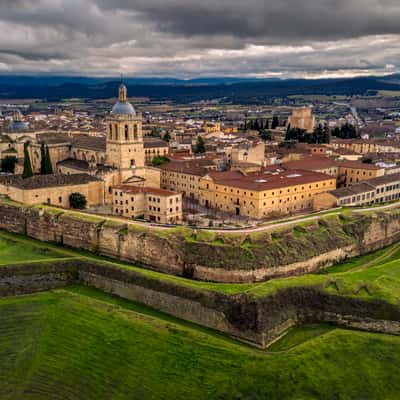
Context matters. Step back to Plaza de Herrasti for the whole west front; from the city walls near the castle (Parador) you can frame tower + ramparts for a classic skyline.
Go wide, then go tight. A 16–24 mm (full-frame) captures nave height; a 50–85 mm isolates capitals, choir creatures and portal sculpture.
Mind dynamic range. Inside, bracket ±2 EV for tasteful HDR; keep your base frame exposed for the highlights to protect stained glass and pale stone.
Polariser with restraint. A CPL tames courtyard glare and deepens sky over façades; spin gently so you don’t blotch the late-Romanesque windows.
Use the geometry. In the cloister, stand at a corner and shoot diagonally for receding arches; in the nave, align columns to avoid “leaning” verticals (enable grid lines, correct later if needed).
Details tell stories. Hunt for the choir’s mischievous carvings, the sculpted elders over the south door, and tool marks on capitals—these make strong, intimate frames.
Tripods & access. Policies can vary with services and events; bring a small beanbag/strap-brace for low-light shots and check on-site rules at the ticket desk before setting up.
Context matters. Step back to Plaza de Herrasti for the whole west front; from the city walls near the castle (Parador) you can frame tower + ramparts for a classic skyline.
Travel Information
Address: Plaza de Herrasti, 4, 37500 Ciudad Rodrigo (Salamanca).
By car. From Salamanca, follow the A-62 (E-80) west about 90 km (≈1 hr) directly to Ciudad Rodrigo; it’s the modern upgrade of the old N-620.
By bus from Salamanca. Frequent coaches run between Salamanca bus station and Ciudad Rodrigo; typical journey time is about 1h10–1h20. Operator El Pilar publishes current timetables (with morning and evening services on weekdays and reduced services on weekends).
By train. Ciudad Rodrigo’s rail station does not currently handle passenger services (suspended since March 2020). If you’re travelling by rail, go as far as Salamanca and switch to the bus.
Tourist info & opening windows. The cathedral’s official site lists visiting hours and cultural-visit details; regional tourism pages also post seasonal times, including occasional tower visits—check close to your date.
By car. From Salamanca, follow the A-62 (E-80) west about 90 km (≈1 hr) directly to Ciudad Rodrigo; it’s the modern upgrade of the old N-620.
By bus from Salamanca. Frequent coaches run between Salamanca bus station and Ciudad Rodrigo; typical journey time is about 1h10–1h20. Operator El Pilar publishes current timetables (with morning and evening services on weekdays and reduced services on weekends).
By train. Ciudad Rodrigo’s rail station does not currently handle passenger services (suspended since March 2020). If you’re travelling by rail, go as far as Salamanca and switch to the bus.
Tourist info & opening windows. The cathedral’s official site lists visiting hours and cultural-visit details; regional tourism pages also post seasonal times, including occasional tower visits—check close to your date.
Spot Type
Outdoor
Crowd Factor
Just a few people
Best Timing
Summer
Sunrise & Sunset
08:44 - 19:36
| current local time: 20:08
Photo Themes
Castilla y León
Cathedral
Church
provincia de Salamanca
Religious Building





Spot comments (0)