
Spain Monasterio de Fitero
History
The Monasterio de Fitero, in southern Navarre, began in the 12th century as one of the earliest Cistercian monasteries on the Iberian Peninsula. It grew under royal protection and became important on the frontier between Navarre and Castile. The abbey church was consecrated in the 13th century. After the 19th-century confiscation of church property, the monks left, and parts of the complex passed to civil use.
Architecture
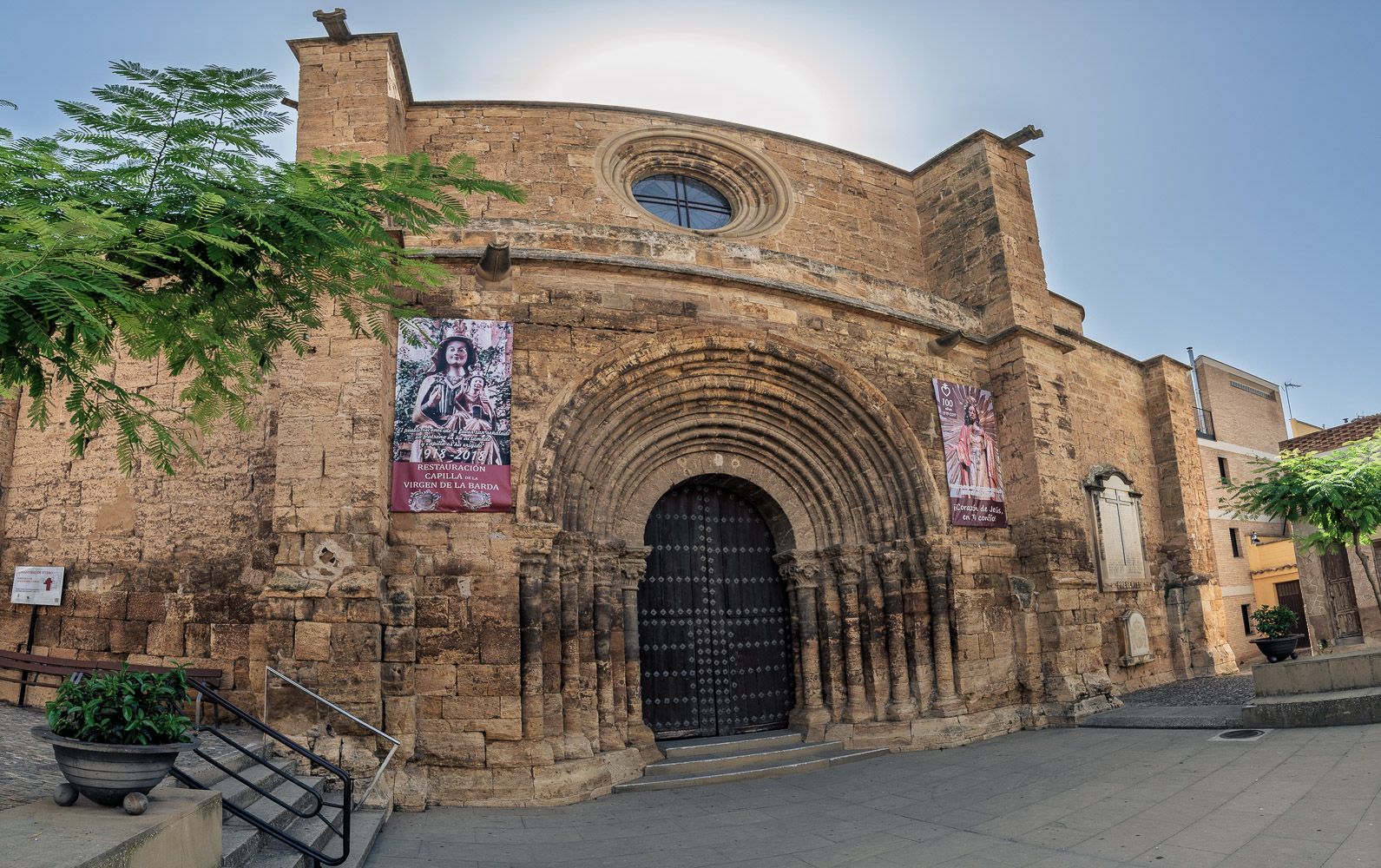
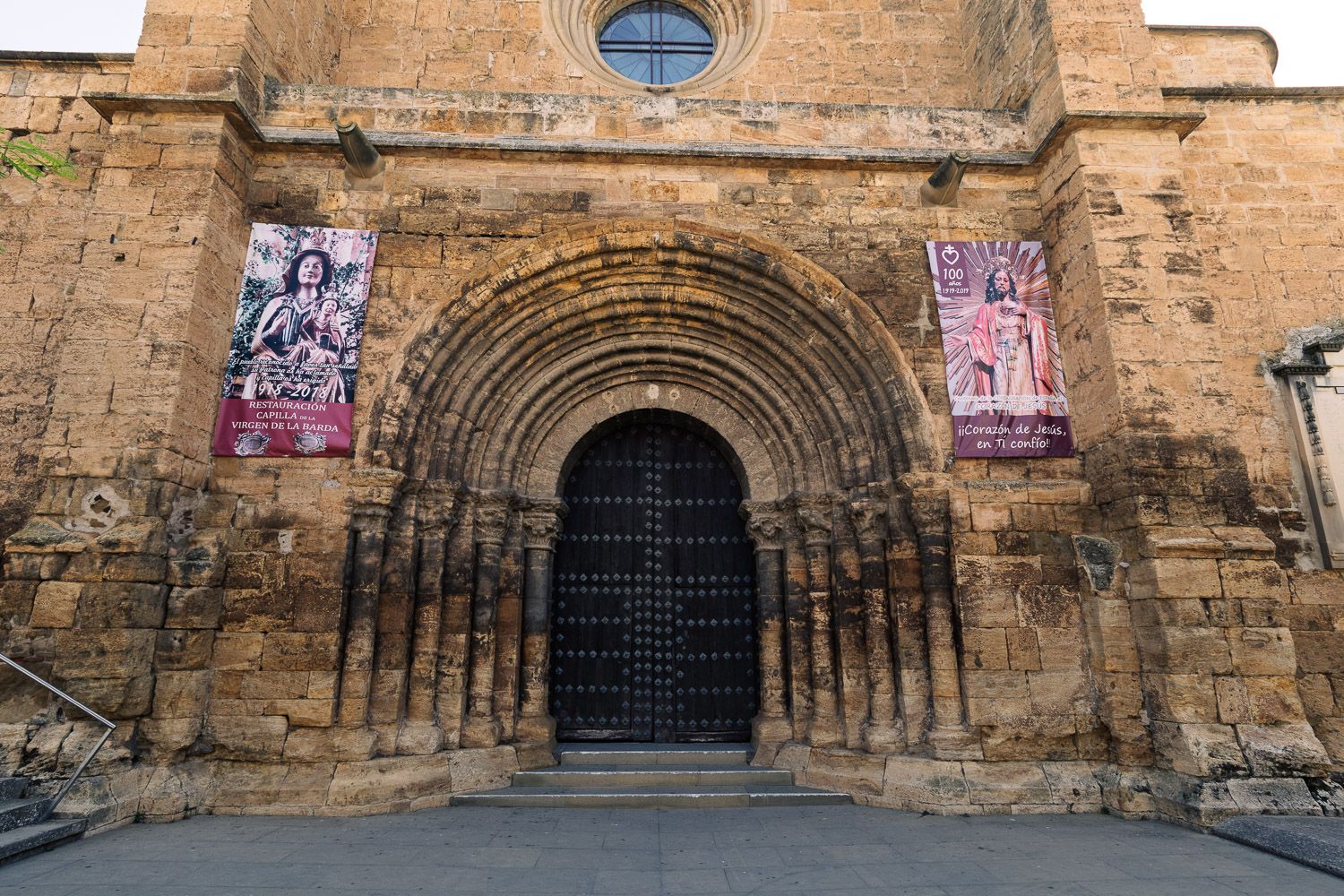
The church combines late Romanesque (thick stone walls, rounded arches) and early Gothic (pointed arches, ribbed vaults). The ground plan has three naves, a transept, and an elegant semicircular apse with small chapels. Later buildings added a cloister and domestic spaces in Renaissance style. You can still walk the church, the cloister, and the old chapter house.
Potential for Photography
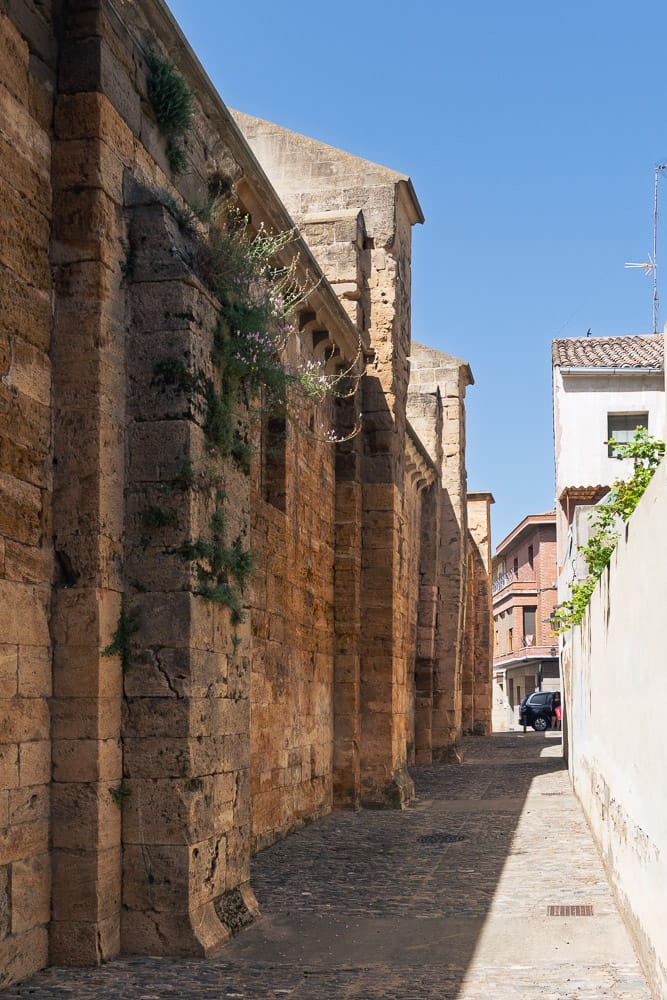
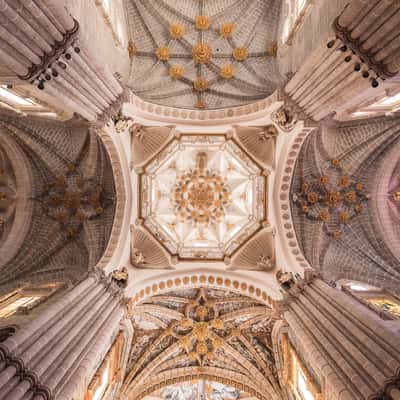
The exterior apse is a perfect subject: repeating chapels, pale stone, a tower behind. Inside, the height of the naves and the rhythm of arches give clean symmetry. The cloister offers quiet light, arches, and shadow patterns. The setting is also interesting because the monastery sits in town, not isolated in countryside, so you can frame heritage and daily life together.
The Monasterio de Fitero, in southern Navarre, began in the 12th century as one of the earliest Cistercian monasteries on the Iberian Peninsula. It grew under royal protection and became important on the frontier between Navarre and Castile. The abbey church was consecrated in the 13th century. After the 19th-century confiscation of church property, the monks left, and parts of the complex passed to civil use.
Architecture
The church combines late Romanesque (thick stone walls, rounded arches) and early Gothic (pointed arches, ribbed vaults). The ground plan has three naves, a transept, and an elegant semicircular apse with small chapels. Later buildings added a cloister and domestic spaces in Renaissance style. You can still walk the church, the cloister, and the old chapter house.
Potential for Photography
The exterior apse is a perfect subject: repeating chapels, pale stone, a tower behind. Inside, the height of the naves and the rhythm of arches give clean symmetry. The cloister offers quiet light, arches, and shadow patterns. The setting is also interesting because the monastery sits in town, not isolated in countryside, so you can frame heritage and daily life together.
Photography Tips
Photography Tips
Use a wide-angle lens inside the church and cloister to capture the full height of the vaults. A short telephoto works outside to compress the apse and tower. Early or late light warms the stone. During services, be discreet: this is still an active parish space.
Use a wide-angle lens inside the church and cloister to capture the full height of the vaults. A short telephoto works outside to compress the apse and tower. Early or late light warms the stone. During services, be discreet: this is still an active parish space.
Travel Information
How to Get There
Fitero lies near the Navarre–La Rioja border. By car it is about an hour from Pamplona or from Logroño. Buses connect Fitero with Tudela and with Pamplona, though not constantly through the day. Once you are in Fitero, the monastery is in the centre of town and reachable on foot.
Fitero lies near the Navarre–La Rioja border. By car it is about an hour from Pamplona or from Logroño. Buses connect Fitero with Tudela and with Pamplona, though not constantly through the day. Once you are in Fitero, the monastery is in the centre of town and reachable on foot.





Spot comments (0)