
Spain Plaza Mayor of Zamora
History
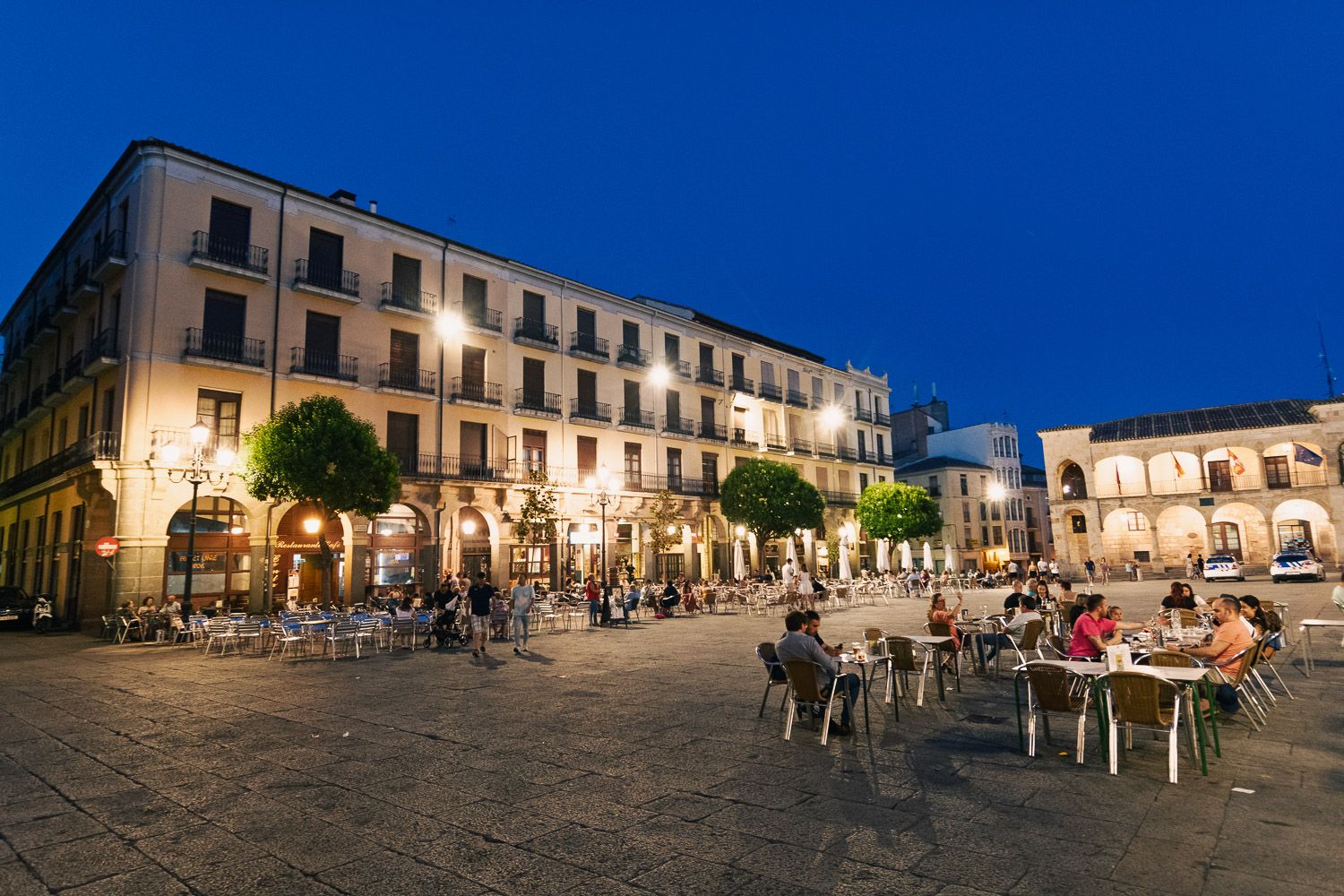
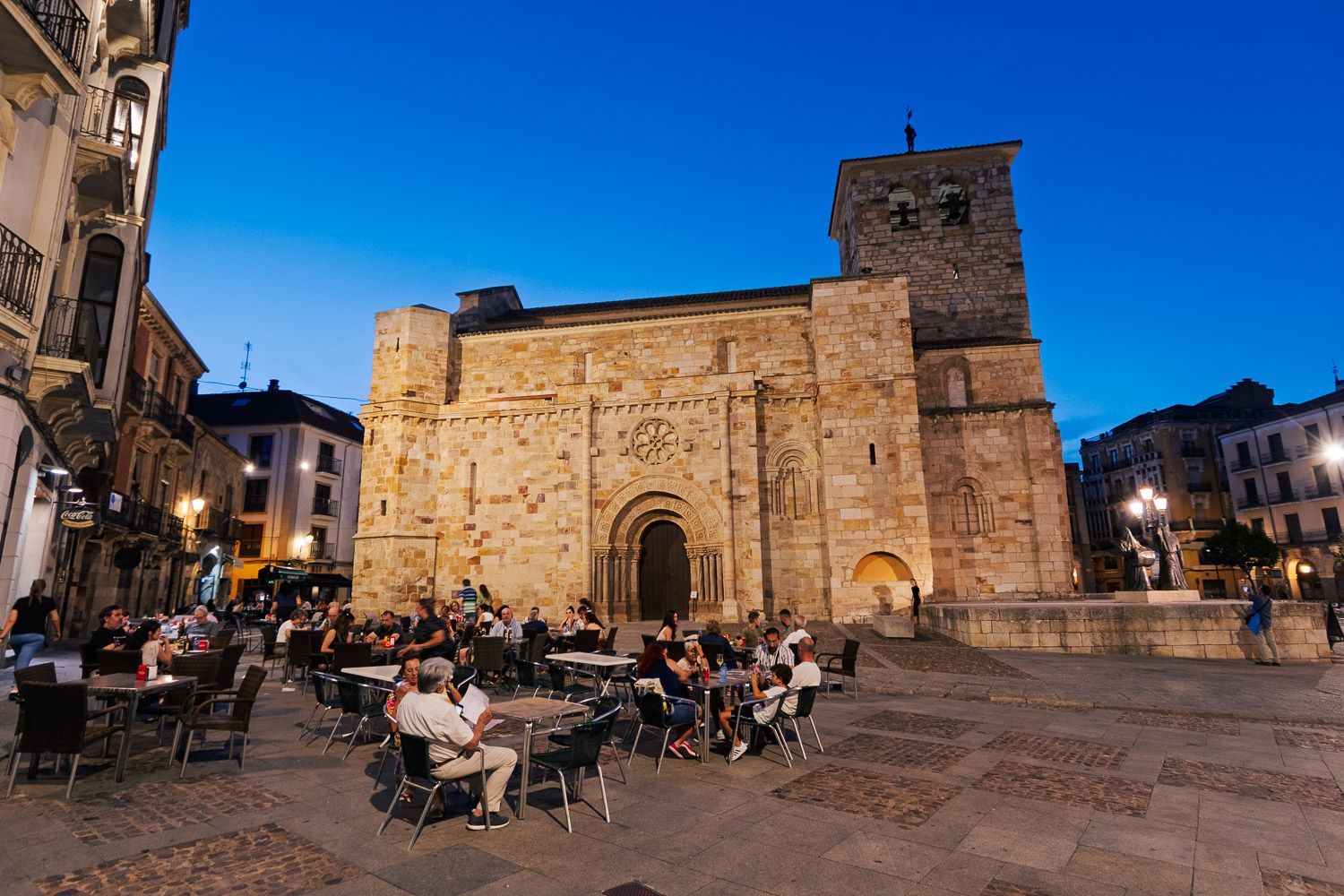
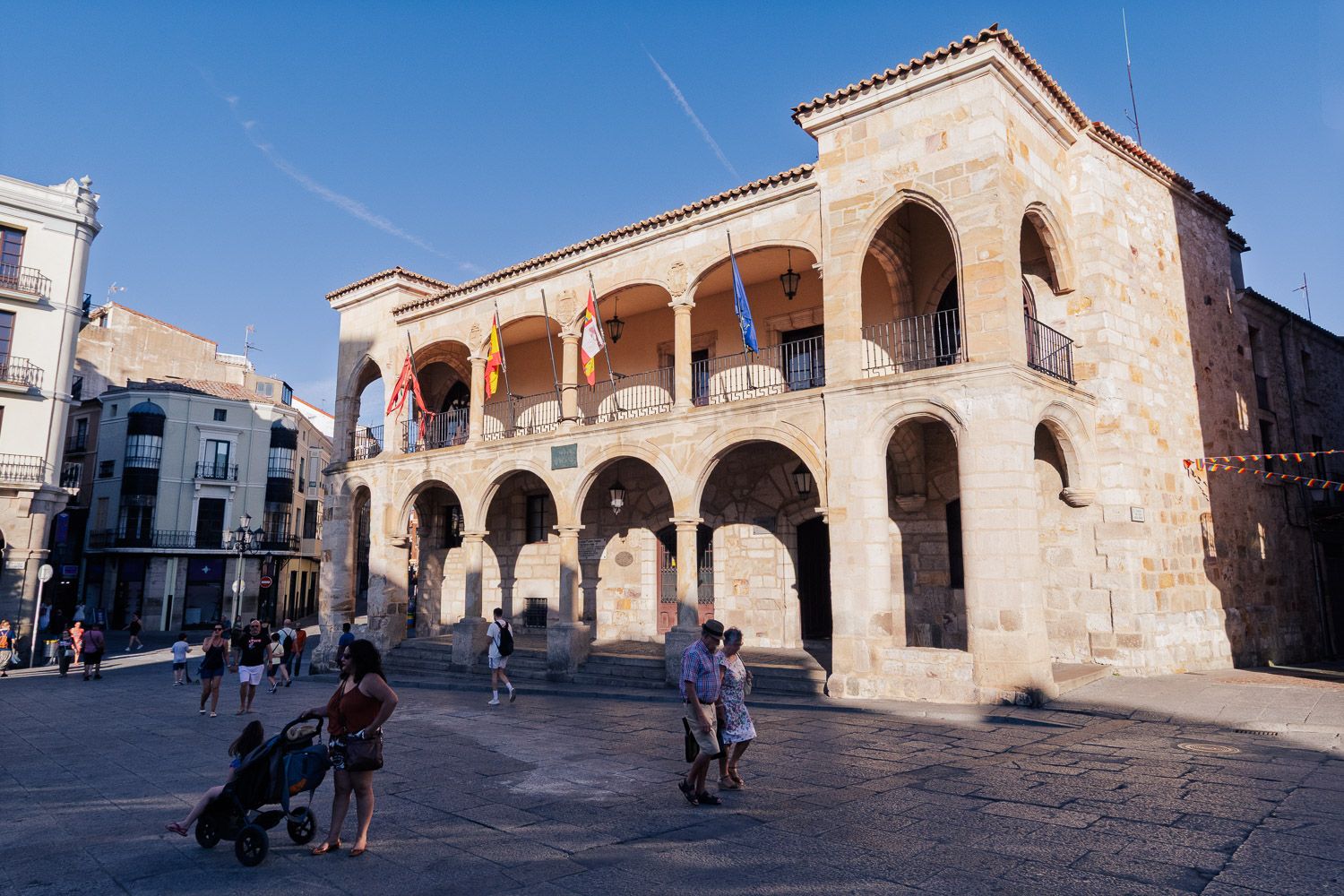
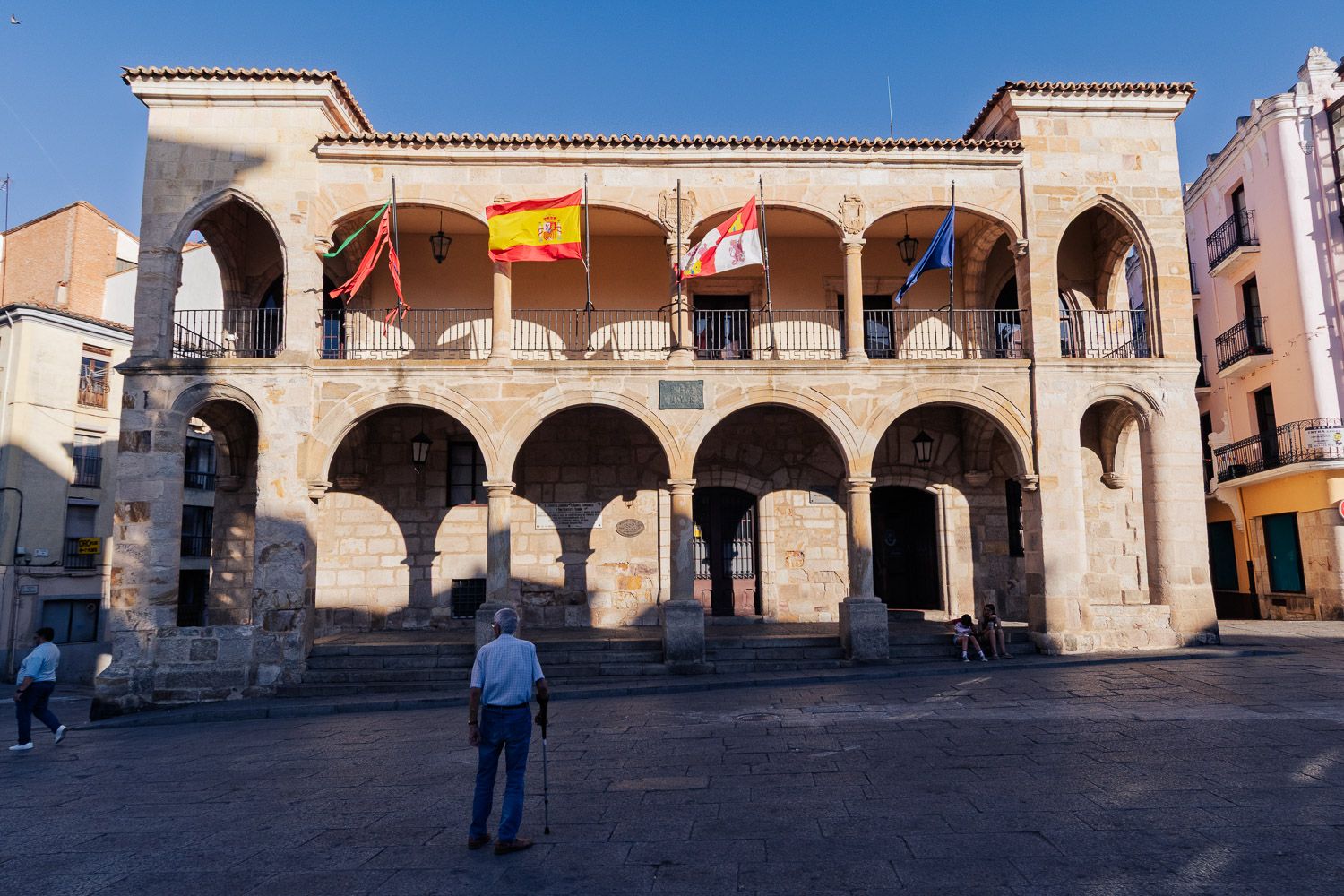
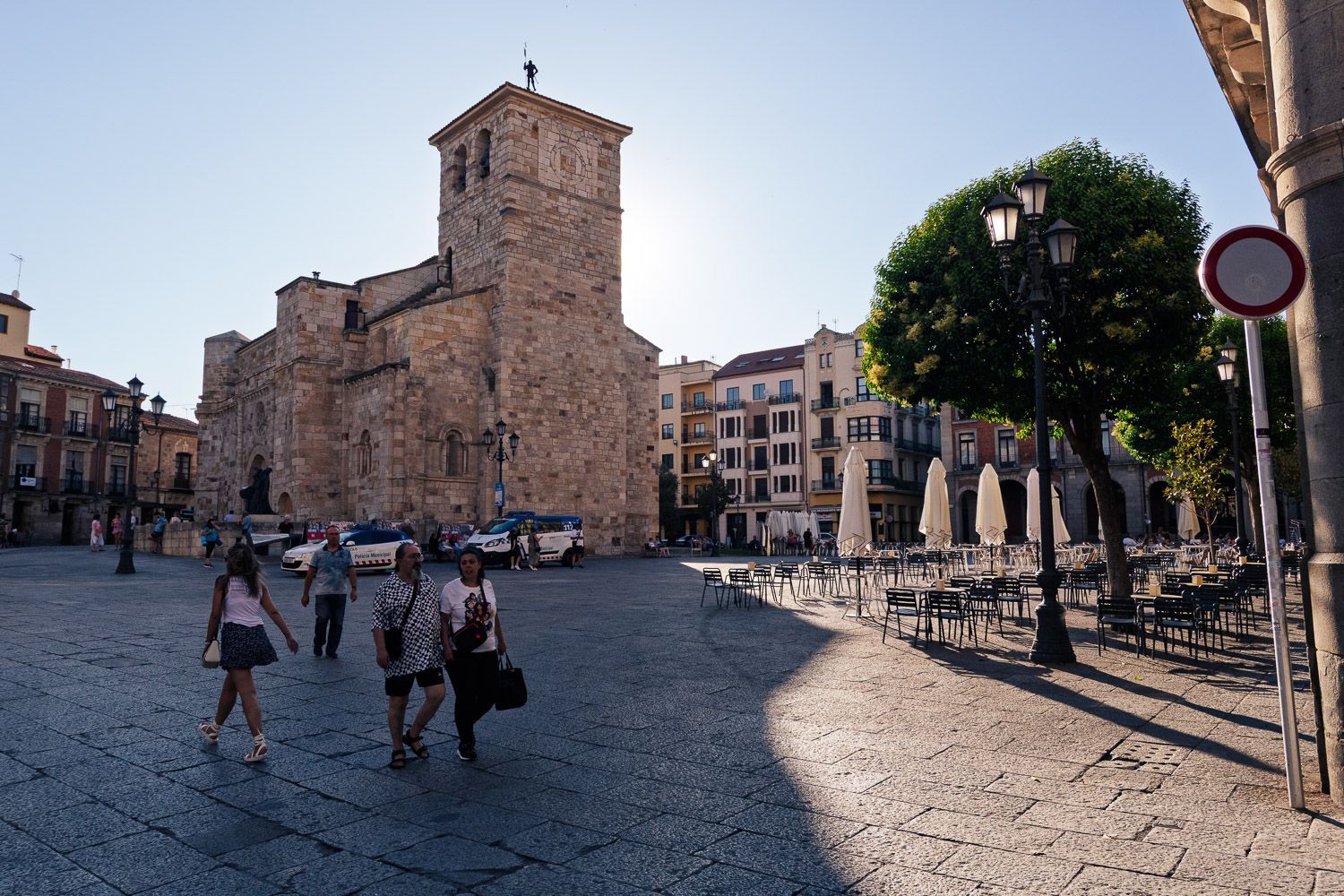
Plaza Mayor in Zamora has served as the civic and commercial centre of the city since the Middle Ages. Markets, proclamations, and public meetings historically happened here, watched over by the council. The Romanesque church of San Juan de Puerta Nueva, from the 12th century, anchors one side of the square and reminds you that this was not just a trading space but a religious one. Later, the old town hall and then the newer town hall took their place on the plaza, so politics and faith ended up sharing the same stage.
Architecture
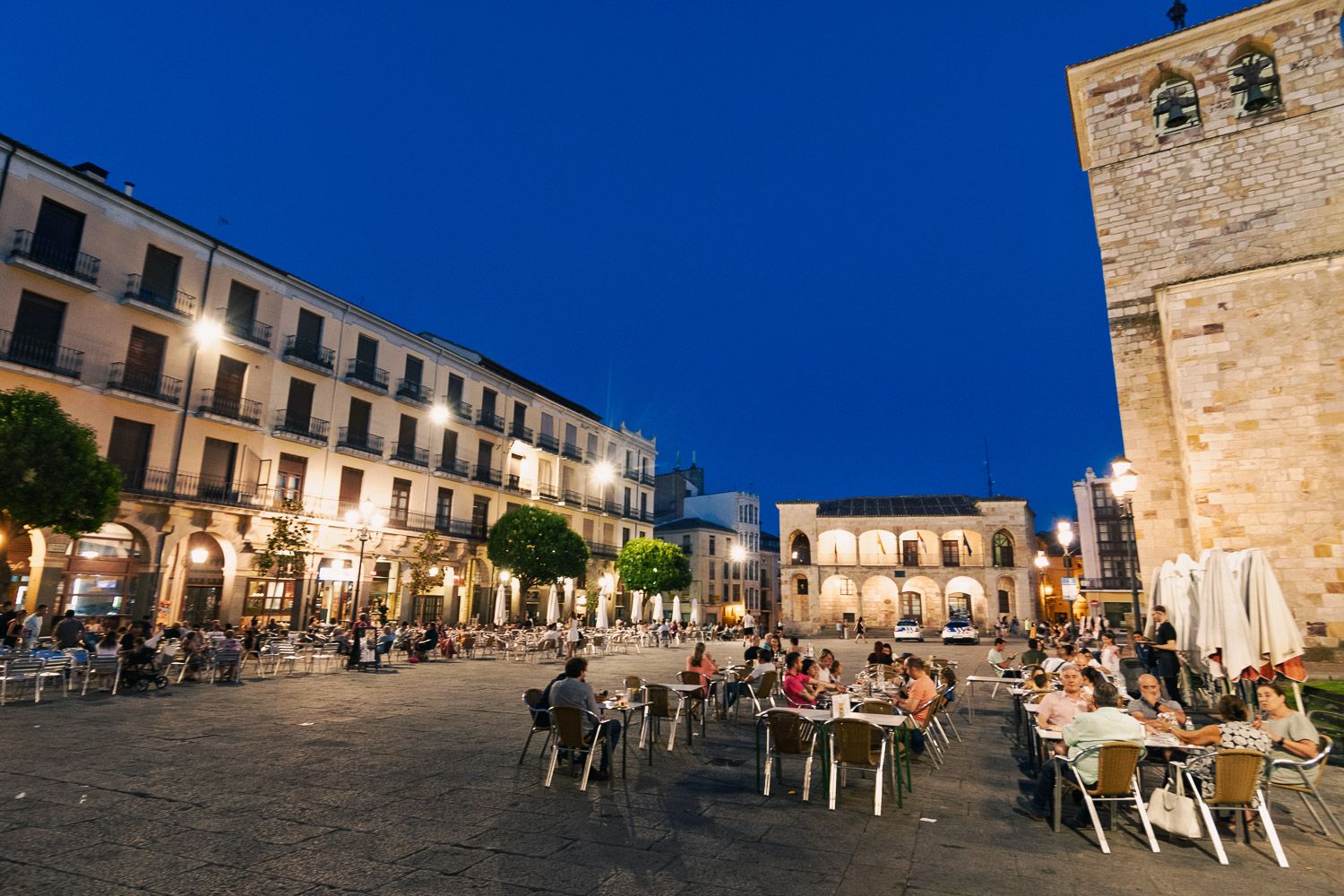
The square opens wide and mostly stays pedestrian, with arcaded façades and balconies looking onto the plaza. Two civic buildings face each other: the older council house with stone and arches, and the “new” council house with a more formal, symmetrical front. The church of San Juan shows classic Romanesque lines: thick walls, rounded arches, and a sculpted façade. In the square itself stands the Merlú statue, showing two hooded brotherhood members calling the start of a Holy Week procession. The result is a mix of medieval stone, later civic pride, and local ritual.
Potential for Photography
You get several layers in one frame: the church in Romanesque stone, the arches of the arcades, flags on the town hall, café tables, and people moving through. The Merlú statue is especially strong because it captures Zamora’s Holy Week identity in a single silhouette. During Semana Santa the plaza fills with processions at night, lantern light, and cloaked figures, which turns the whole space into a dramatic set.
Plaza Mayor in Zamora has served as the civic and commercial centre of the city since the Middle Ages. Markets, proclamations, and public meetings historically happened here, watched over by the council. The Romanesque church of San Juan de Puerta Nueva, from the 12th century, anchors one side of the square and reminds you that this was not just a trading space but a religious one. Later, the old town hall and then the newer town hall took their place on the plaza, so politics and faith ended up sharing the same stage.
Architecture
The square opens wide and mostly stays pedestrian, with arcaded façades and balconies looking onto the plaza. Two civic buildings face each other: the older council house with stone and arches, and the “new” council house with a more formal, symmetrical front. The church of San Juan shows classic Romanesque lines: thick walls, rounded arches, and a sculpted façade. In the square itself stands the Merlú statue, showing two hooded brotherhood members calling the start of a Holy Week procession. The result is a mix of medieval stone, later civic pride, and local ritual.
Potential for Photography
You get several layers in one frame: the church in Romanesque stone, the arches of the arcades, flags on the town hall, café tables, and people moving through. The Merlú statue is especially strong because it captures Zamora’s Holy Week identity in a single silhouette. During Semana Santa the plaza fills with processions at night, lantern light, and cloaked figures, which turns the whole space into a dramatic set.
Photography Tips
Shoot in early morning or late afternoon to avoid flat midday light on the stone. Use the arcades as foreground framing: columns on either side, plaza in the middle, church beyond. A low angle near the Merlú statue can line up the figures against the church tower. During Holy Week, a slower shutter speed lets you blur moving candles and robes while keeping the church sharp, which gives a sense of ritual and motion without showing faces clearly.
Travel Information
Plaza Mayor lies in Zamora’s historic centre, just uphill from the Río Duero and a short walk west of the cathedral and castle. The old town is compact, so you can reach the square easily on foot from most landmarks. Zamora is connected by bus and rail to cities such as Madrid, Valladolid, and Salamanca. Once you are in Zamora, you do not need a car in the historic core; the streets around Plaza Mayor are walkable and largely traffic-restricted.
Spot Type
Outdoor
Crowd Factor
A decent amount of people
Best Timing
Blue hour/at night in summer
Sunrise & Sunset
08:38 - 19:37
| current local time: 22:24
Photo Themes
Urban Architecture
Urban Landscape
Locations
Castilla y León
Zamora
Northern Spain
Castile and León





Spot comments (0)