
Ukraine Ternopil
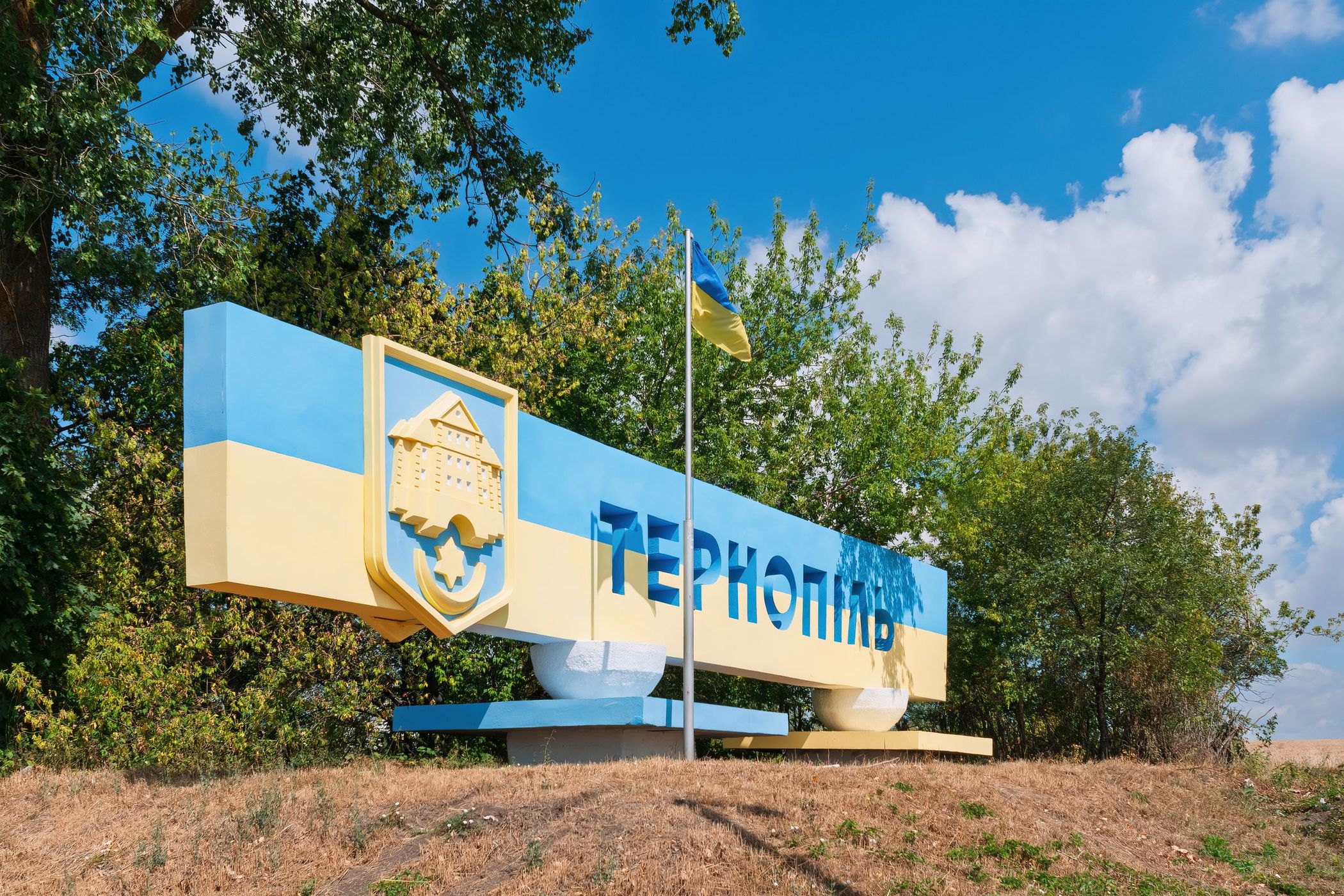
Ternopil is situated in western Ukraine, where the Seret River meets a broad, man-made lake at the city’s heart. The city’s origin is traced to 1540, when the settlement is founded by the Polish noble Jan Amor Tarnowski. Over subsequent centuries, governance is shifted between states, and a layered cultural fabric is formed. Severe damage is suffered during the Second World War, after which the urban core is rebuilt and expanded. Today, a calm rhythm is maintained, and academic life and green public spaces around the water are emphasised.
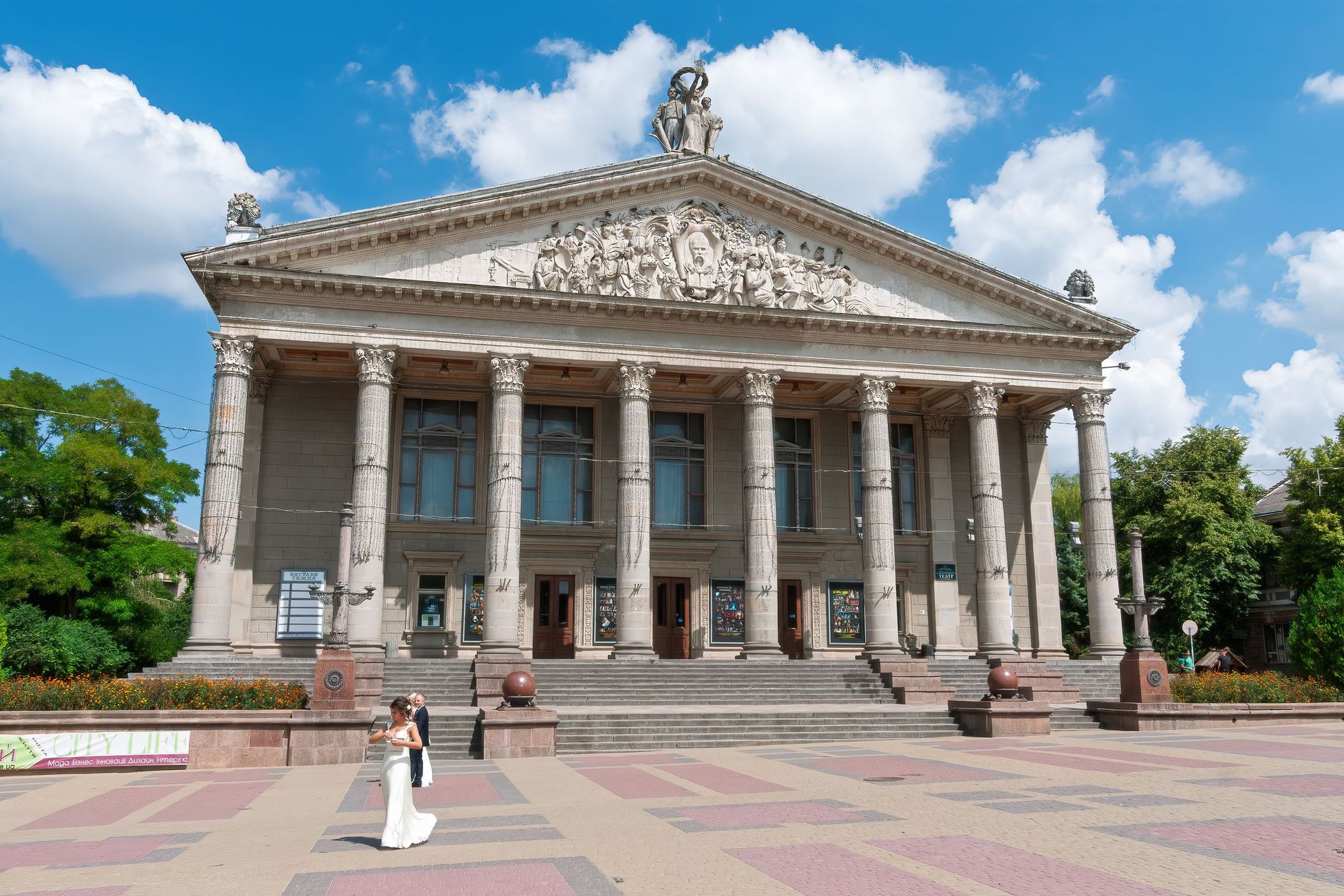
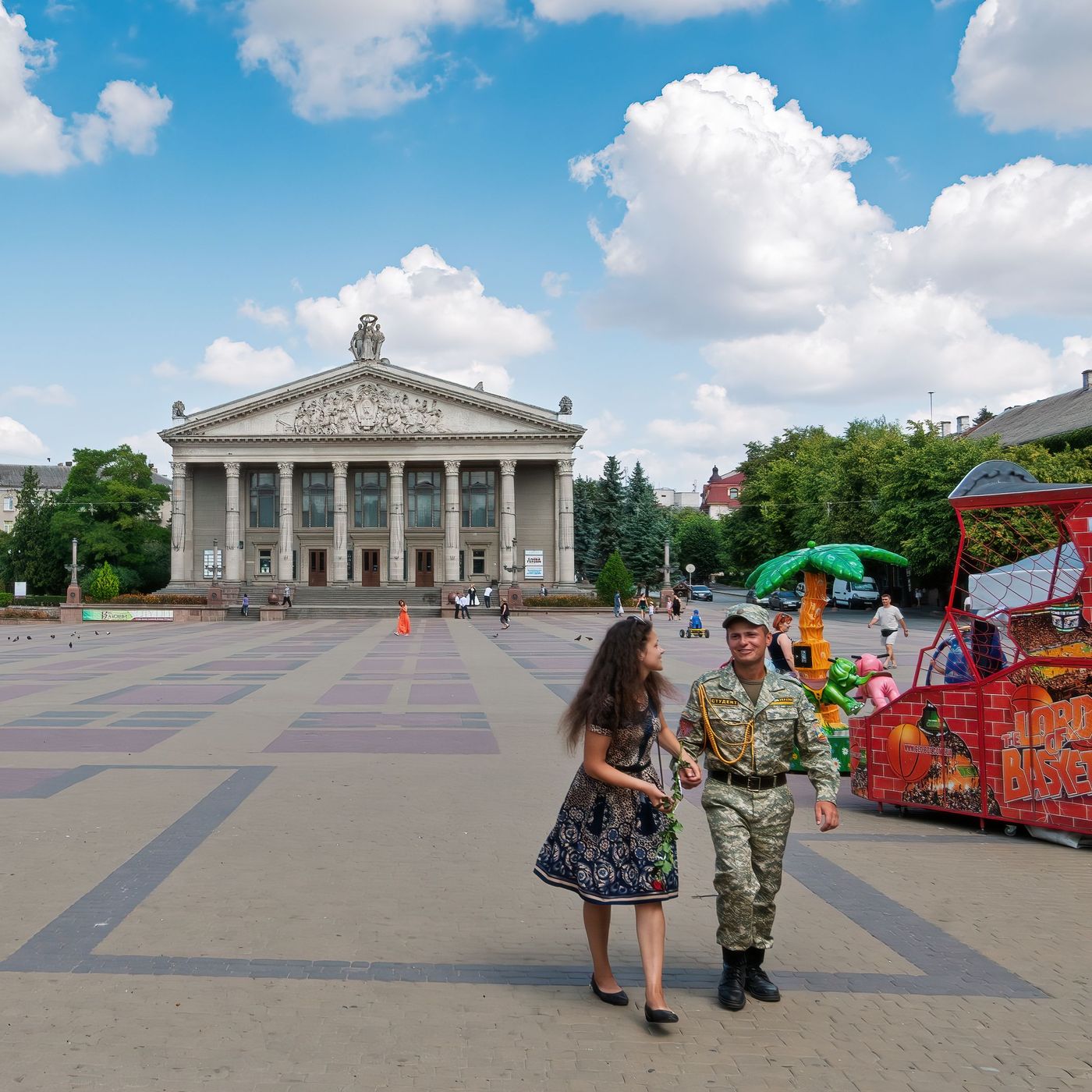
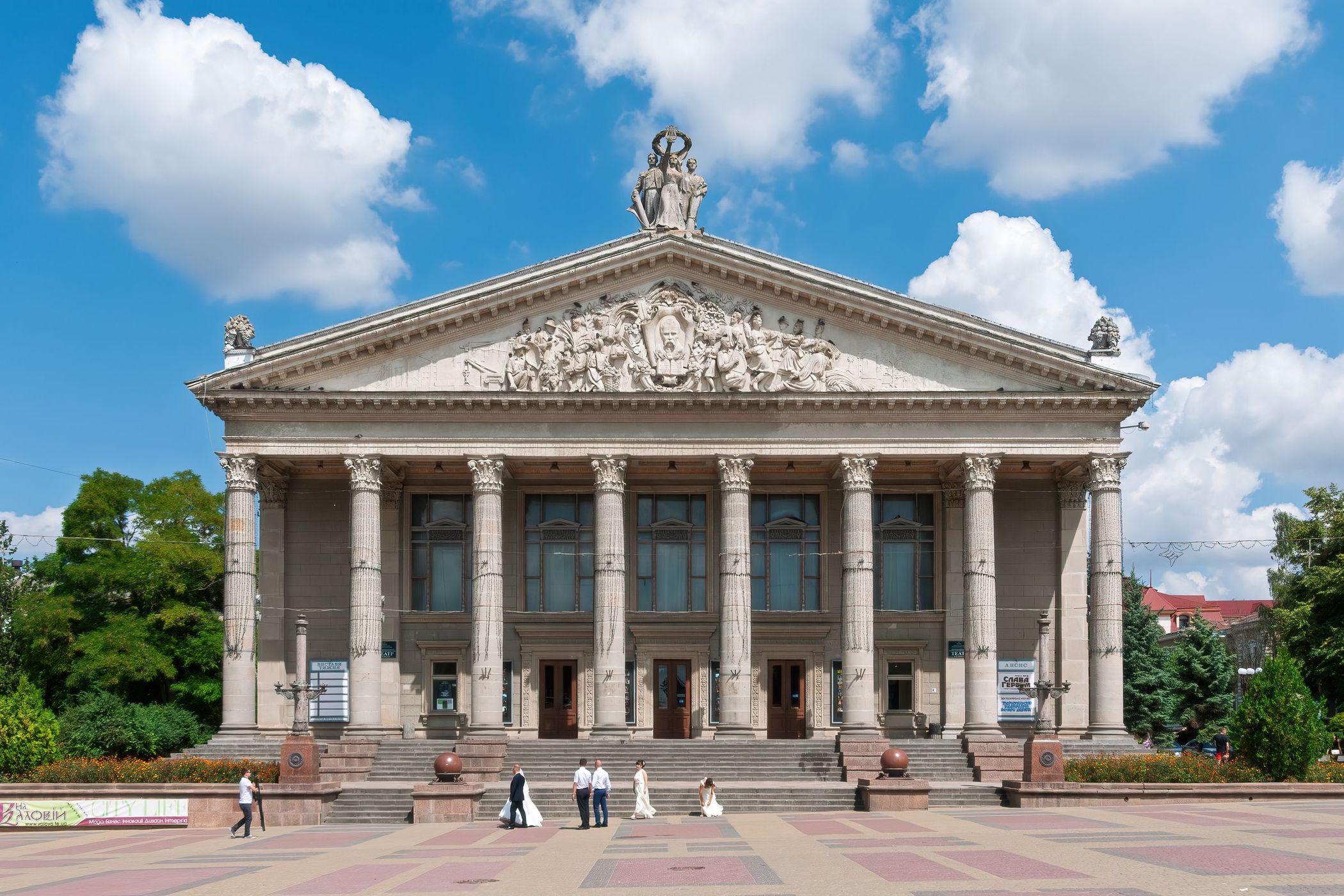
Architecturally, a layered character is presented. Baroque heritage is retained in landmarks such as the former Dominican church (now the cathedral), while the castle site is reconstructed and adapted over time. Nineteenth-century townhouses are set along a compact grid, and broad post-war avenues are introduced in the Soviet period. Modernist housing, civic buildings, and occasional mosaics are added, so that a dialogue between baroque silhouettes, neoclassical gestures, and late-modern slabs is created. Lakefront promenades and bridges are integrated as civic rooms, where views across water and skyline are framed.
For photography, generous opportunities are offered. The cathedral façades and the castle precinct are best captured in early or late light, when relief and plasterwork are emphasised. Long exposures along the lake are rewarded by mirror-like reflections of spires, theatre blocks, and tree lines, while blue-hour shots are enriched by the glow of riverside lamps. Street photography is enabled by pedestrian boulevards, markets, and cafés, where quiet gestures and everyday routines are observed. Close studies of textures—stucco repairs, timber doors, terrazzo stairwells, and modernist ceramic panels—are encouraged, and seasonal changes around the parks are used to contrast fresh foliage, autumn colour, and winter mist. From rooftop viewpoints or higher riverbanks, broader cityscapes are composed, in which the layered history of Ternopil is read through its skyline and water.
Architecturally, a layered character is presented. Baroque heritage is retained in landmarks such as the former Dominican church (now the cathedral), while the castle site is reconstructed and adapted over time. Nineteenth-century townhouses are set along a compact grid, and broad post-war avenues are introduced in the Soviet period. Modernist housing, civic buildings, and occasional mosaics are added, so that a dialogue between baroque silhouettes, neoclassical gestures, and late-modern slabs is created. Lakefront promenades and bridges are integrated as civic rooms, where views across water and skyline are framed.
For photography, generous opportunities are offered. The cathedral façades and the castle precinct are best captured in early or late light, when relief and plasterwork are emphasised. Long exposures along the lake are rewarded by mirror-like reflections of spires, theatre blocks, and tree lines, while blue-hour shots are enriched by the glow of riverside lamps. Street photography is enabled by pedestrian boulevards, markets, and cafés, where quiet gestures and everyday routines are observed. Close studies of textures—stucco repairs, timber doors, terrazzo stairwells, and modernist ceramic panels—are encouraged, and seasonal changes around the parks are used to contrast fresh foliage, autumn colour, and winter mist. From rooftop viewpoints or higher riverbanks, broader cityscapes are composed, in which the layered history of Ternopil is read through its skyline and water.
Photography Tips
Nothing really special.
Travel Information
Most of the interesting spots are within walking range.
Spot Type
Outdoor
Crowd Factor
A decent amount of people
Best Timing
Daytime in summer
Sunrise & Sunset
07:43 - 18:21
| current local time: 09:24
Photo Themes
Architecture
City
Cityscape
Historical City
Locations
Eastern Europe
Ternopil





Spot comments (0)