
USA Berlin, ghost-town in Nevada (USA)
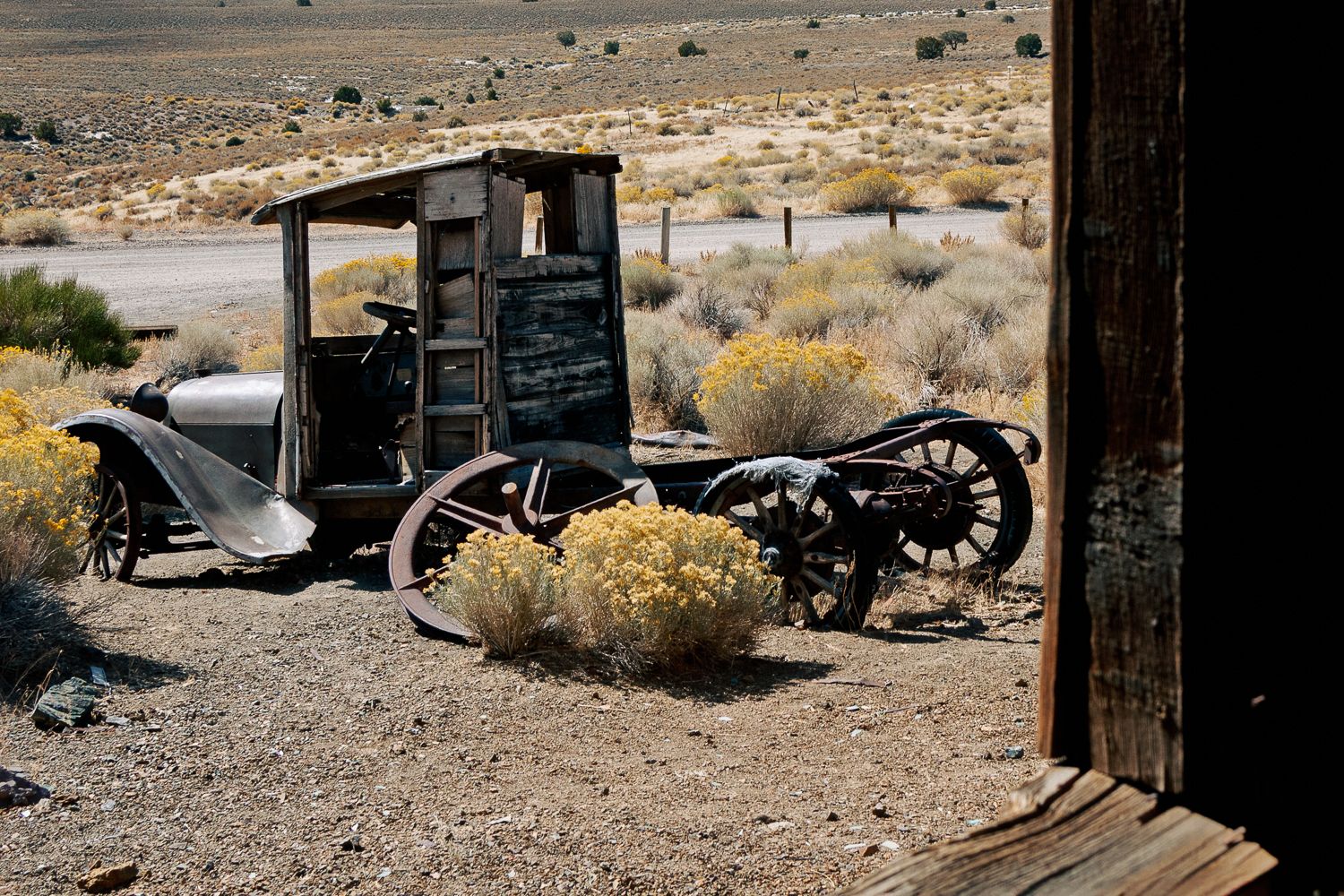
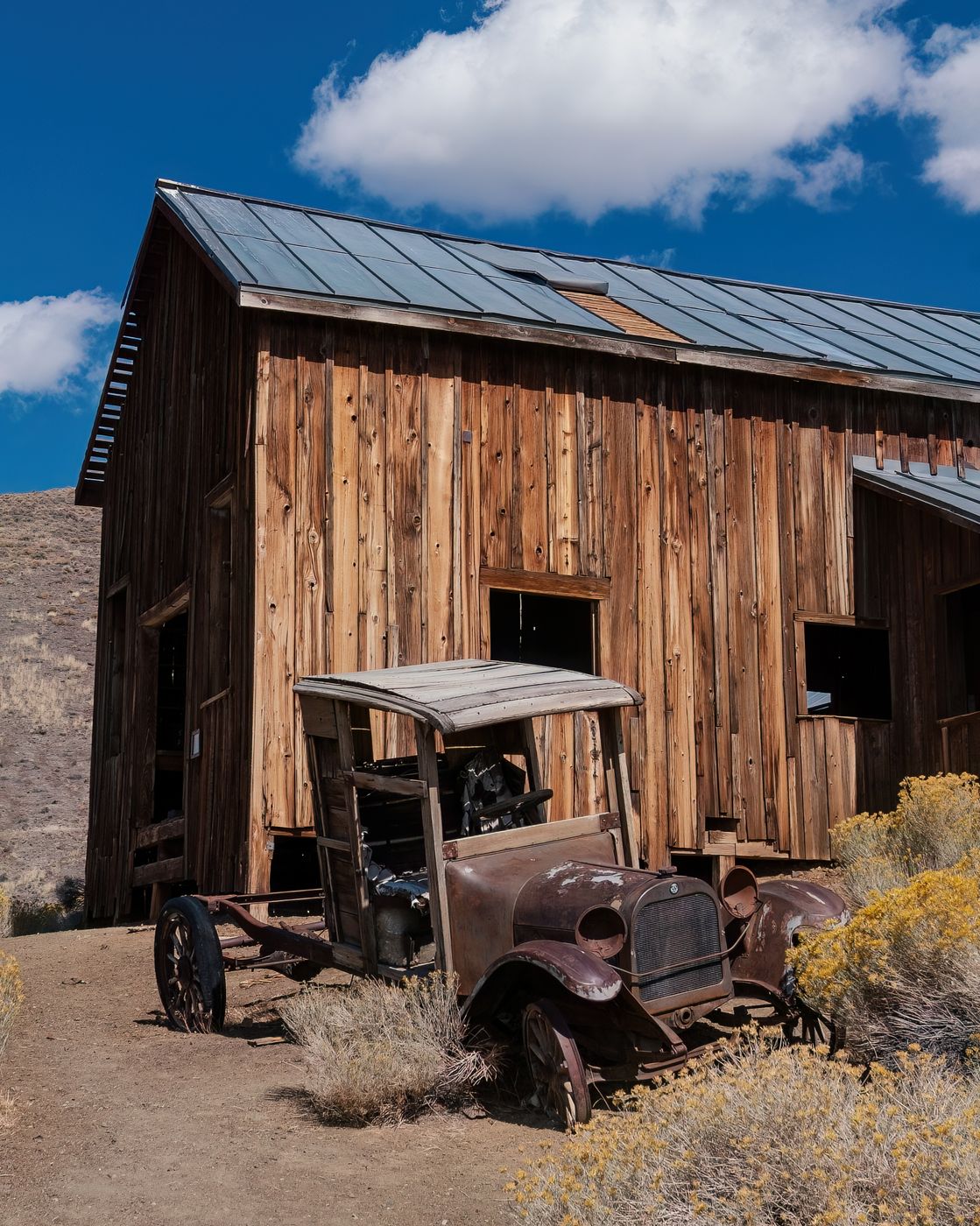
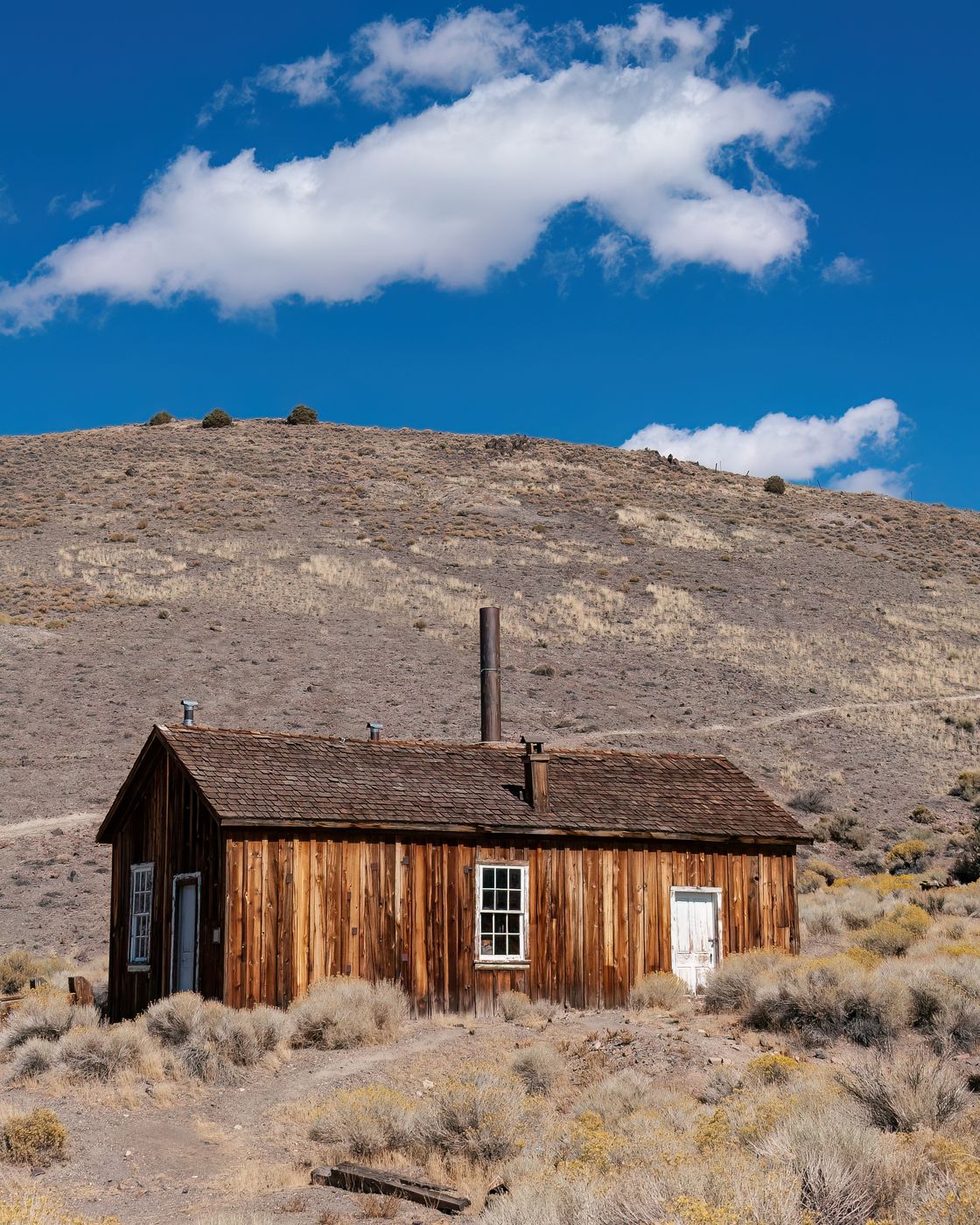
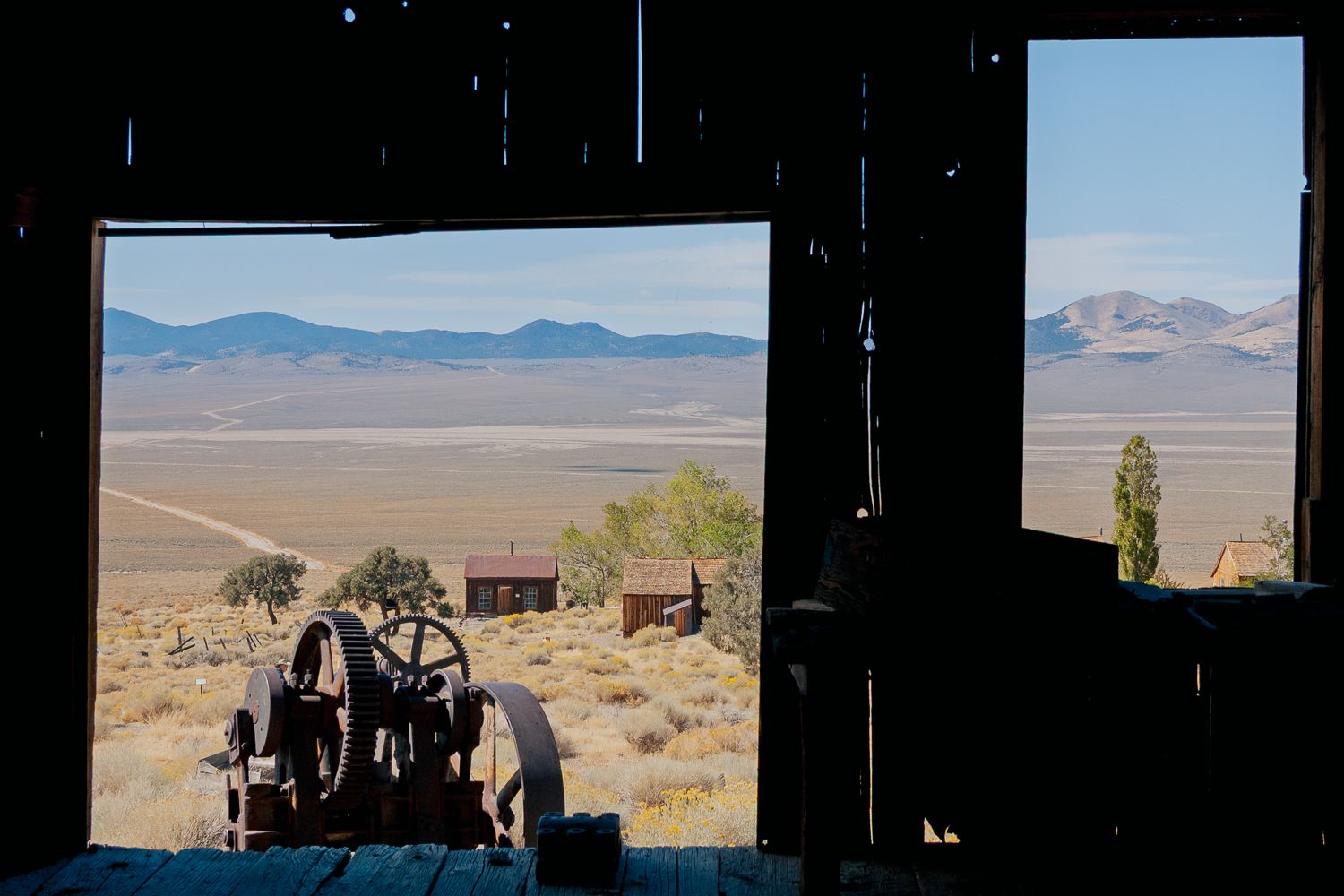
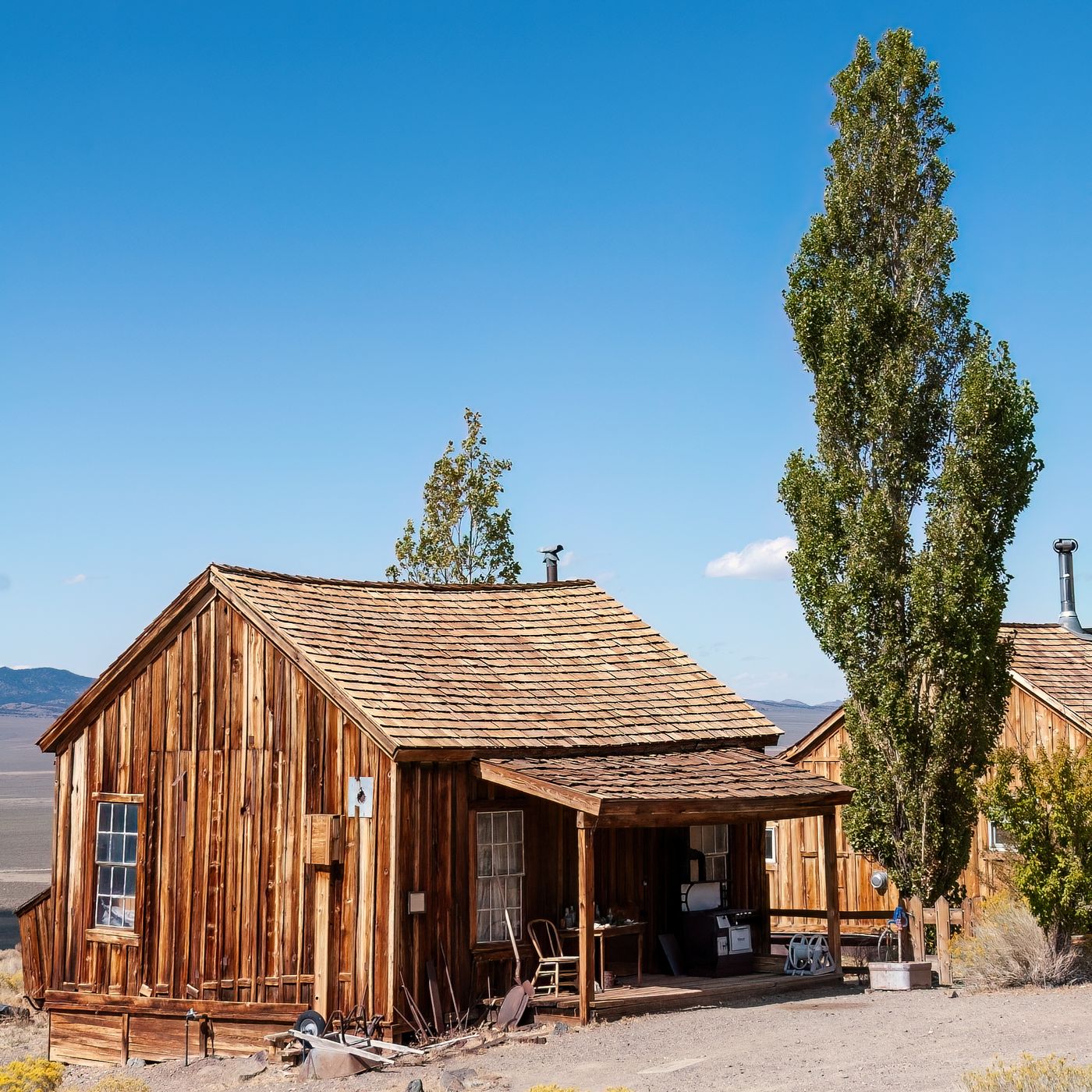
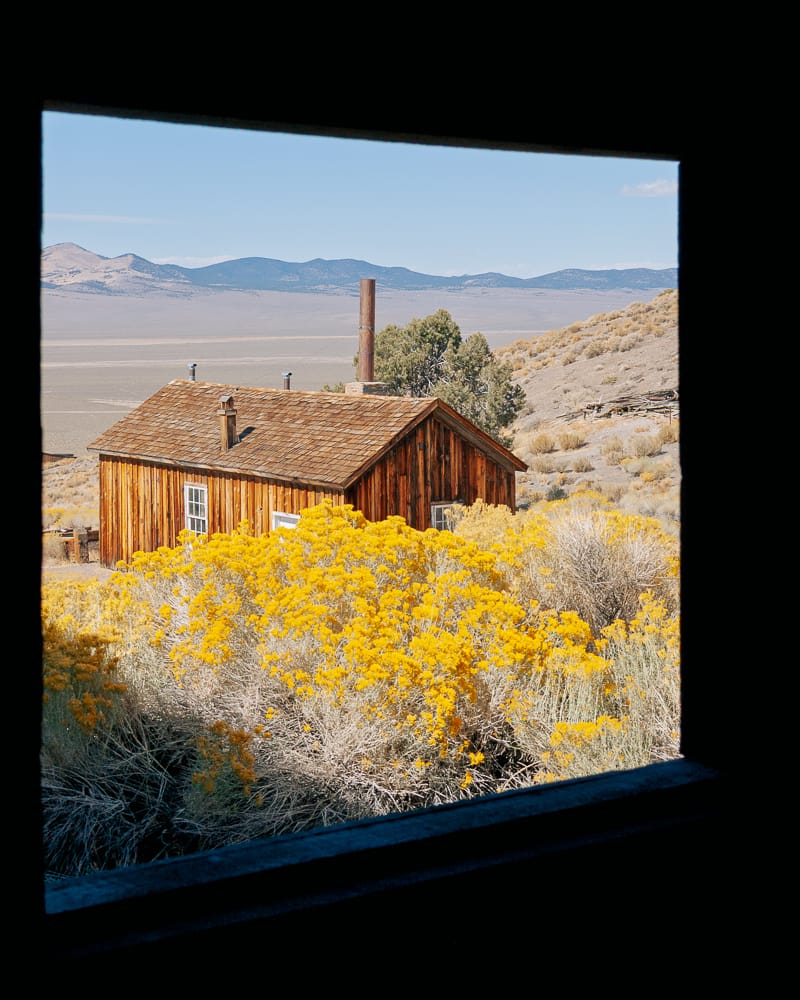
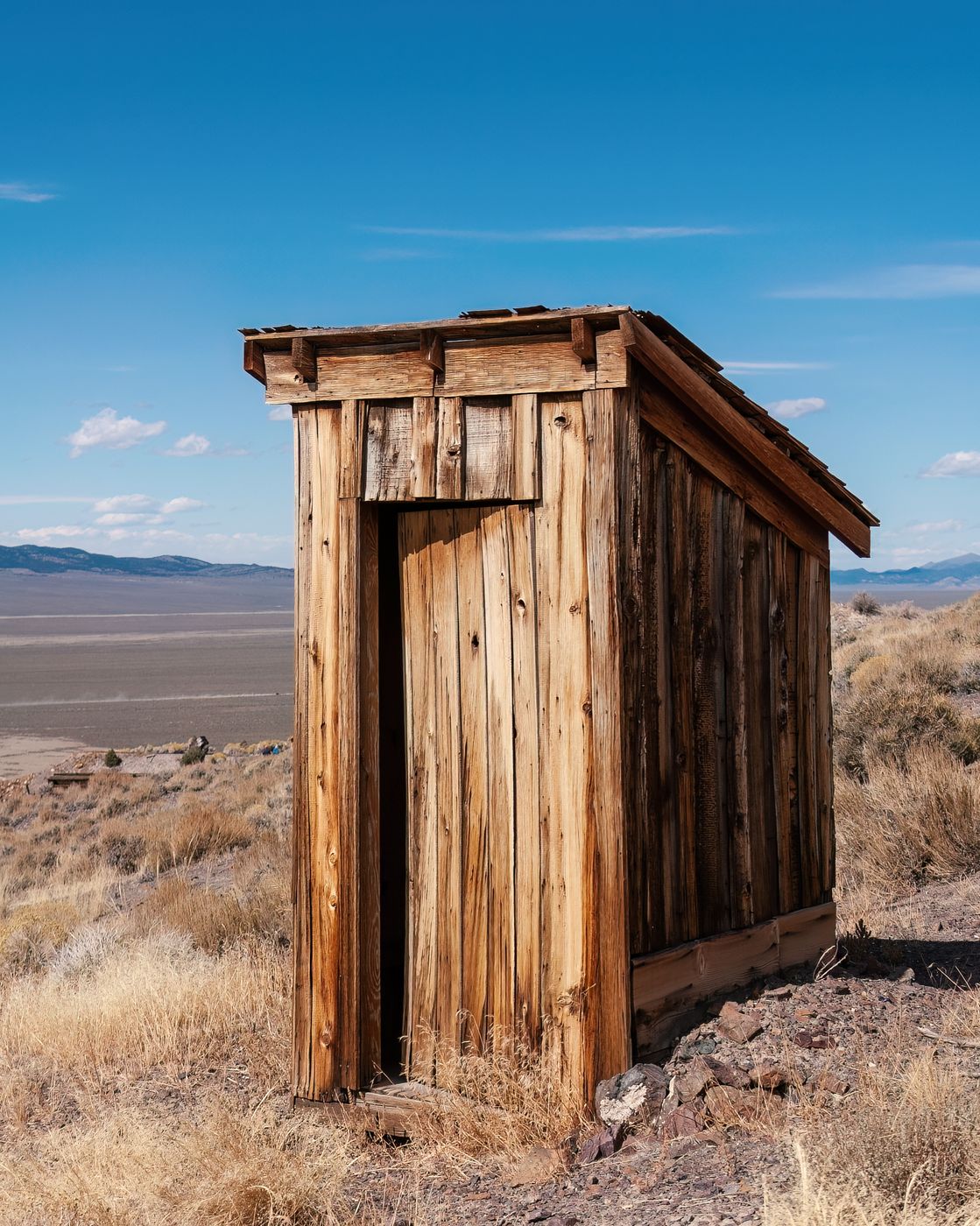
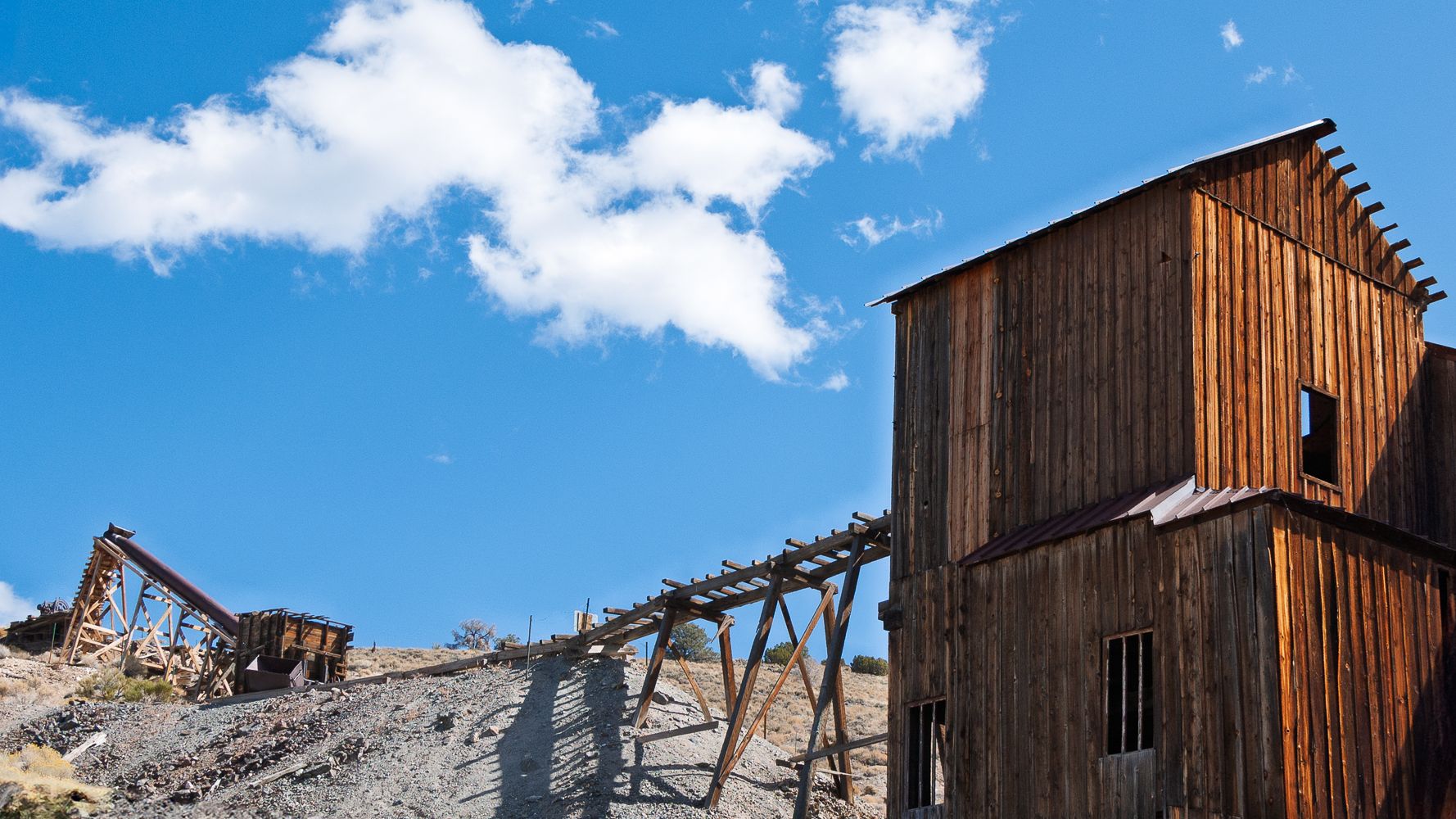
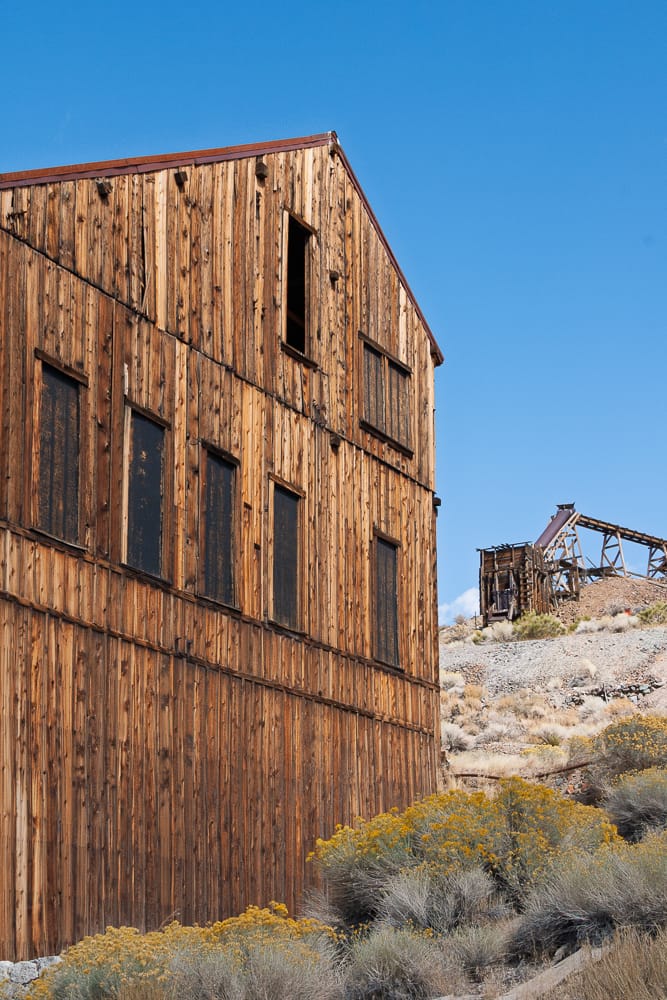
Berlin, Nevada, had been established in the 1890s during the silver mining boom. The town had been named after the German capital, reflecting the heritage of some of its settlers. At its peak, a few hundred people had lived there, drawn by the promise of fortune from the mines. The community had included a school, homes, businesses, and the Berlin Mine itself, which had been a centre of local activity.
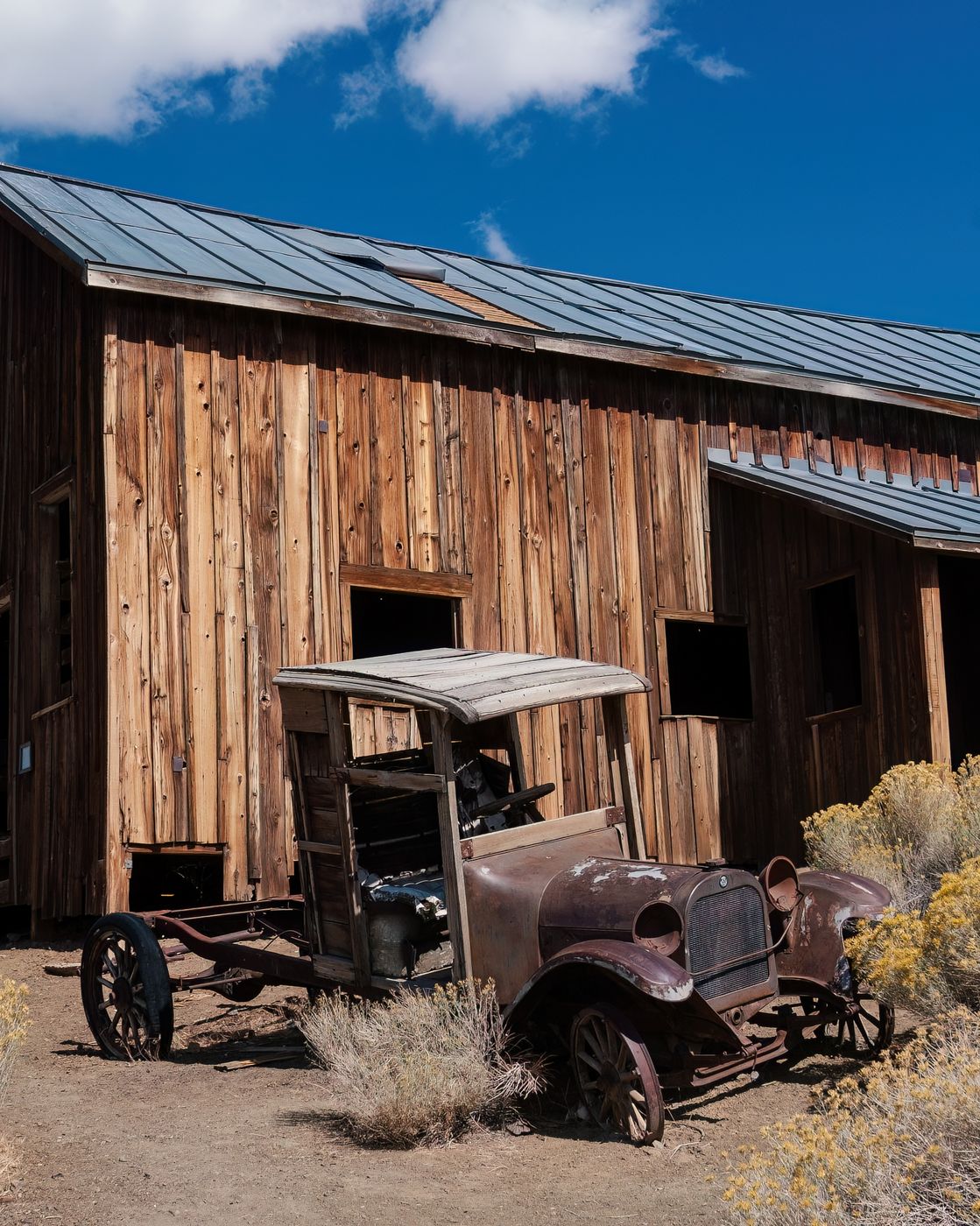
However, by the early 1910s, the silver deposits had been largely exhausted. As the mines produced less, families began to leave, and the town slowly emptied. By the mid-20th century, Berlin had stood abandoned, its wooden buildings left to weather in the high desert climate of central Nevada.
The ghost town had eventually been incorporated into Berlin-Ichthyosaur State Park, where the preserved remains of the town offered a glimpse into frontier mining life. Visitors had walked among weathered structures, machinery, and even a fossil quarry containing remains of giant marine reptiles from the age of the dinosaurs.
However, by the early 1910s, the silver deposits had been largely exhausted. As the mines produced less, families began to leave, and the town slowly emptied. By the mid-20th century, Berlin had stood abandoned, its wooden buildings left to weather in the high desert climate of central Nevada.
The ghost town had eventually been incorporated into Berlin-Ichthyosaur State Park, where the preserved remains of the town offered a glimpse into frontier mining life. Visitors had walked among weathered structures, machinery, and even a fossil quarry containing remains of giant marine reptiles from the age of the dinosaurs.
Photography Tips
Have a wide range of focal lengths
Travel Information
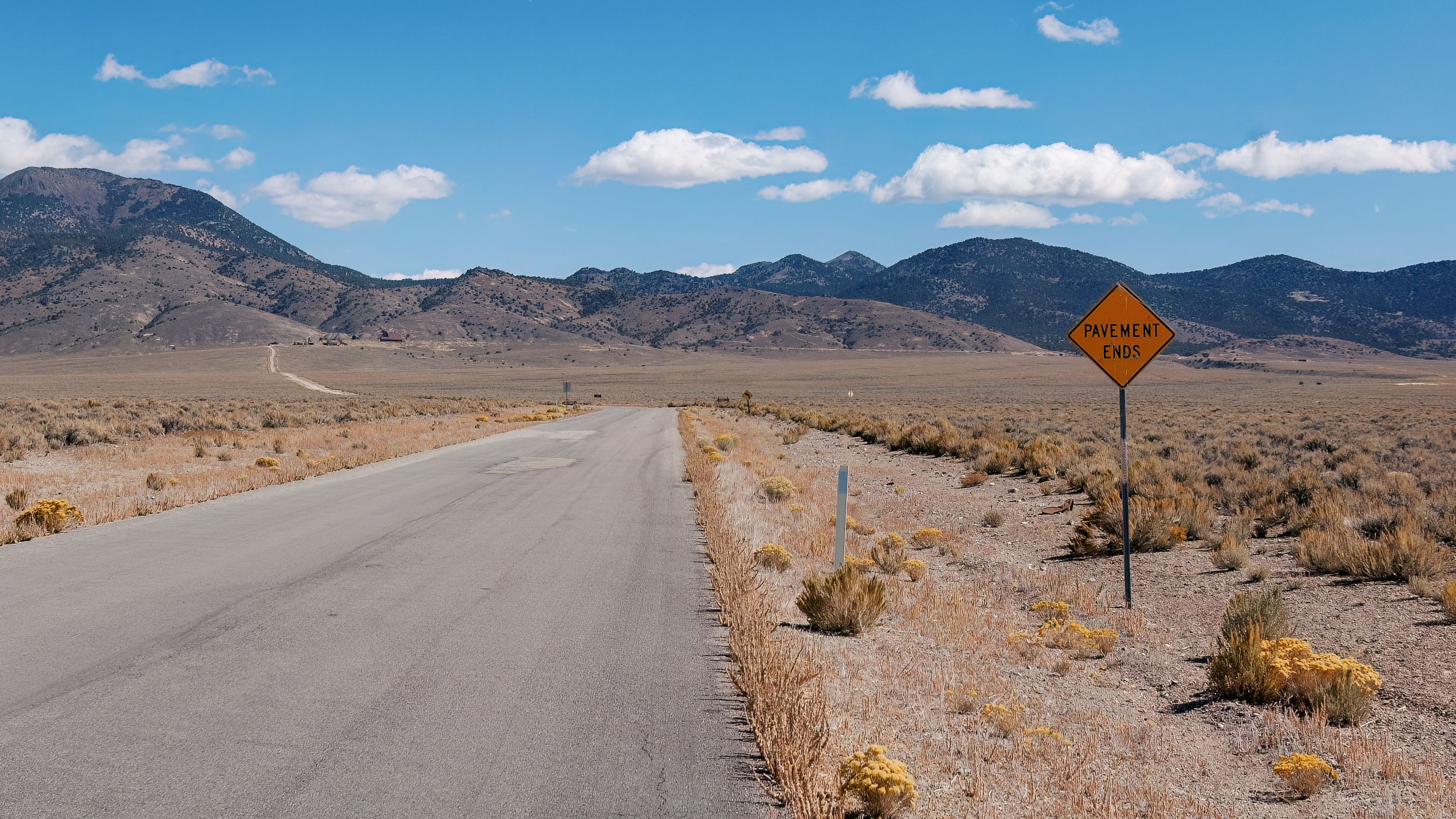
You need your own car, some dirt roads, parking easy.





Spot comments (0)