
USA Dayton, Nevada
History and description of Dayton, Nevada
Dayton sits along the Carson River in western Lyon County and is often described as one of Nevada’s oldest continuous settlements. Prospectors stopped here in the late 1840s at the mouth of Gold Cañon, where a gold nugget was found in 1849; a mining camp grew into a town that later took the name Dayton, after surveyor John Day. By the 1860s it had become an important milling and supply centre for the Comstock Lode mines in nearby Virginia City and Gold Hill, helped by reliable water from the river. Today Dayton is a “living ghost town”: a modern commuter community of around 15,000 people straddling U.S. Highway 50, with housing tracts and services on the highway and a compact historic core of 19th-century brick and wood buildings, a small museum, and Dayton State Park preserving the site of early mills and the first recorded gold discovery in Nevada.
Potential for photographers
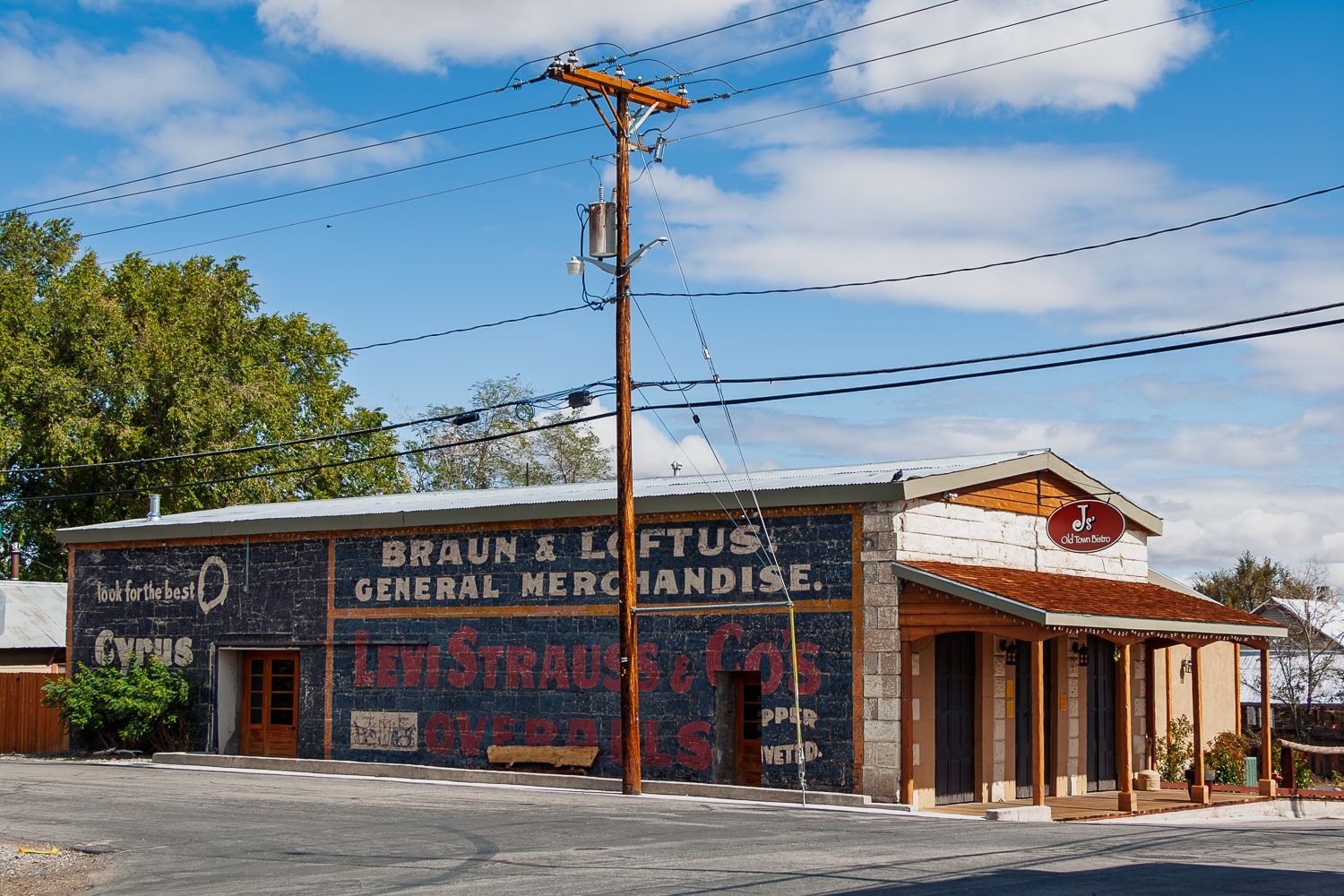
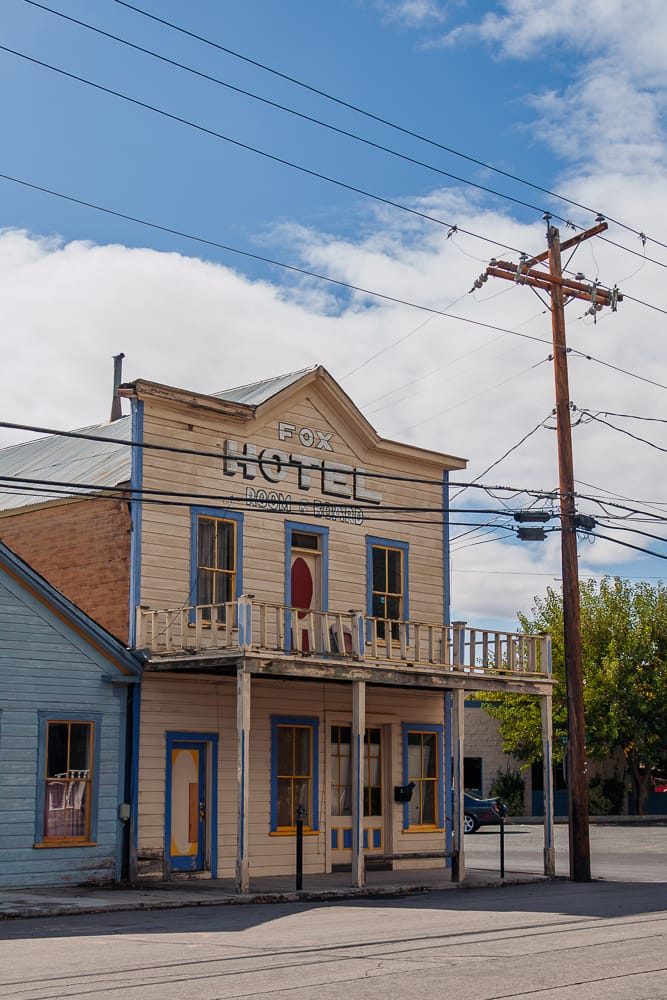
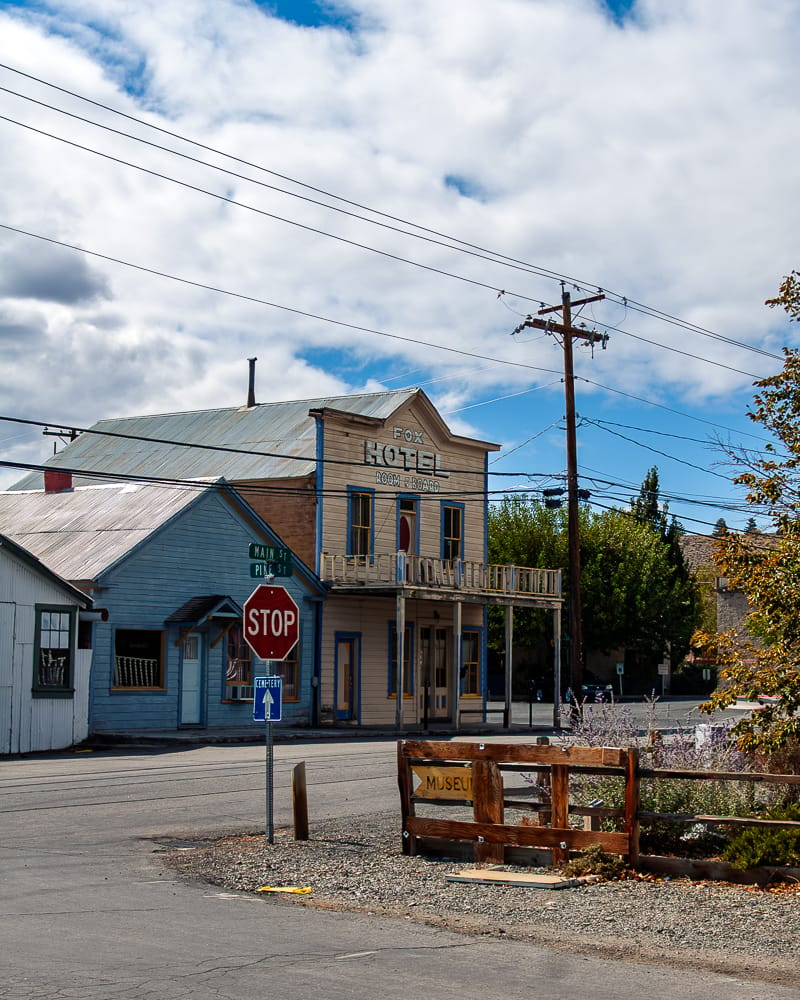
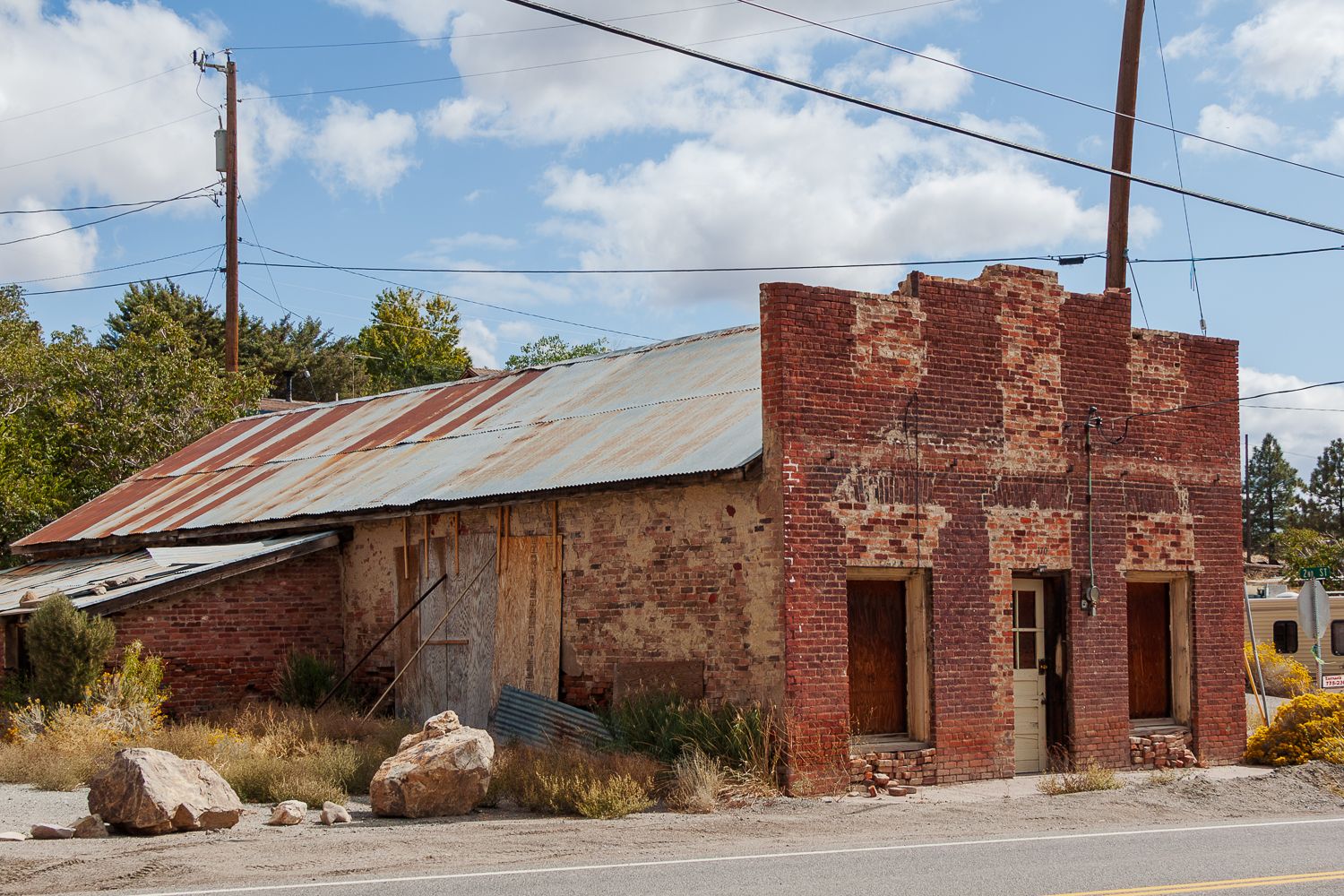
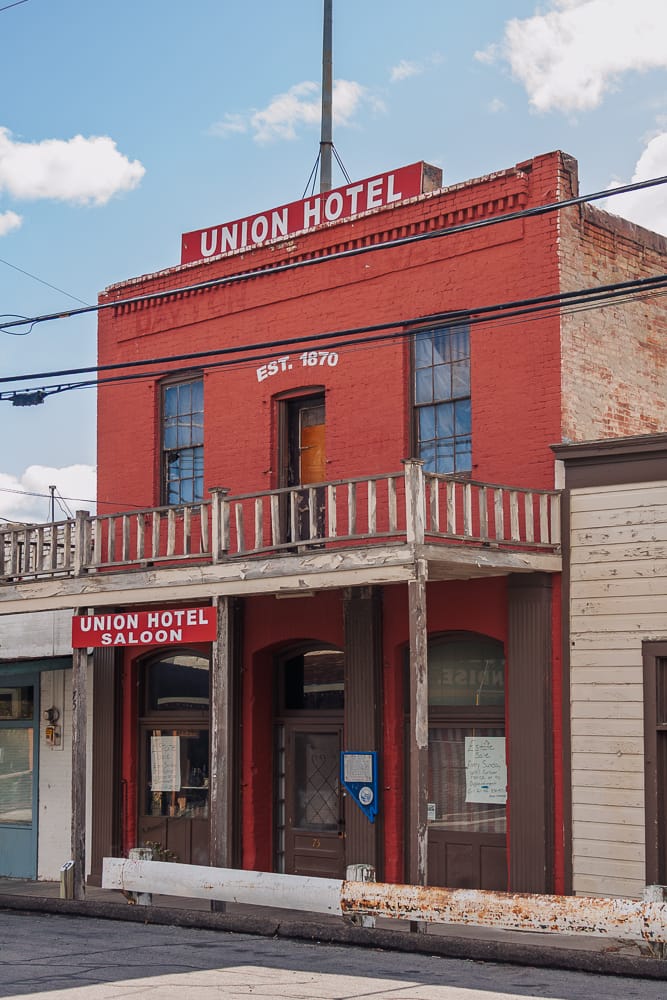
For photographers, Dayton offers that nice in-between vibe: not as polished as Virginia City, but full of texture. The historic district has weathered storefronts, the red-brick Union Hotel, Odeon Hall, old mercantile buildings, and remnants of a Pony Express station wall, all backed by sagebrush hills. The cemetery and the rock ruins in Dayton State Park add quiet, atmospheric spots, while the Carson River corridor brings cottonwoods, reeds, and reflective water into the frame. Because it’s less crowded than the better-known Comstock towns, you can often work undisturbed with clean views down Main Street, especially at sunrise or in the blue hour when the town feels almost frozen in time.
Dayton sits along the Carson River in western Lyon County and is often described as one of Nevada’s oldest continuous settlements. Prospectors stopped here in the late 1840s at the mouth of Gold Cañon, where a gold nugget was found in 1849; a mining camp grew into a town that later took the name Dayton, after surveyor John Day. By the 1860s it had become an important milling and supply centre for the Comstock Lode mines in nearby Virginia City and Gold Hill, helped by reliable water from the river. Today Dayton is a “living ghost town”: a modern commuter community of around 15,000 people straddling U.S. Highway 50, with housing tracts and services on the highway and a compact historic core of 19th-century brick and wood buildings, a small museum, and Dayton State Park preserving the site of early mills and the first recorded gold discovery in Nevada.
Potential for photographers
For photographers, Dayton offers that nice in-between vibe: not as polished as Virginia City, but full of texture. The historic district has weathered storefronts, the red-brick Union Hotel, Odeon Hall, old mercantile buildings, and remnants of a Pony Express station wall, all backed by sagebrush hills. The cemetery and the rock ruins in Dayton State Park add quiet, atmospheric spots, while the Carson River corridor brings cottonwoods, reeds, and reflective water into the frame. Because it’s less crowded than the better-known Comstock towns, you can often work undisturbed with clean views down Main Street, especially at sunrise or in the blue hour when the town feels almost frozen in time.
Photography Tips
Work the light along Main Street. The street runs roughly east–west, so early morning and late afternoon give you raking side-light on façades; midday sun tends to blow out highlights and deepen shadows under porches.
Bring a wide-angle lens. Many buildings sit close together with narrow sidewalks; something in the 20–24 mm full-frame equivalent helps capture full elevations without having to stand in the road too much.
Mind the power lines. Overhead cables are everywhere. Use them as leading lines in compositions, or change your angle and shoot tighter architectural details to minimise the clutter.
Explore details. Signage, old doors, peeling paint, and textures in brick and wood all work well for close-ups or abstract frames. The cemetery and stone mill ruins are great for this.
Watch the sky. High-desert clouds can be dramatic; a polarising filter helps deepen the blue and control reflections on windows and the river.
Respect private property. Many historic structures are now residences or closed buildings—stick to public right-of-ways and signed access.
Bring a wide-angle lens. Many buildings sit close together with narrow sidewalks; something in the 20–24 mm full-frame equivalent helps capture full elevations without having to stand in the road too much.
Mind the power lines. Overhead cables are everywhere. Use them as leading lines in compositions, or change your angle and shoot tighter architectural details to minimise the clutter.
Explore details. Signage, old doors, peeling paint, and textures in brick and wood all work well for close-ups or abstract frames. The cemetery and stone mill ruins are great for this.
Watch the sky. High-desert clouds can be dramatic; a polarising filter helps deepen the blue and control reflections on windows and the river.
Respect private property. Many historic structures are now residences or closed buildings—stick to public right-of-ways and signed access.
Travel Information
Dayton lies on U.S. Highway 50, about 12 miles east of Carson City and roughly 40–45 miles southeast of Reno. By car from Reno, you usually follow I-580/US-395 south toward Carson City, then head east on US-50; the drive takes around 50 minutes, depending on traffic. From Carson City it is a short 15–20-minute hop east on US-50, with the modern part of Dayton appearing first along the highway and the historic district a few blocks south near Main and Pike Streets. Dayton also sits just southeast of Virginia City and Silver City, making it easy to include in a loop through the Comstock country.
Spot Type
Outdoor
Crowd Factor
A decent amount of people
Best Timing
All timings are equally good
Sunrise & Sunset
07:16 - 18:08
| current local time: 07:13
Photo Themes
City
western
Locations
Nevada
dayton
Dayton Nevada
Lyon County





Spot comments (0)