
USA Vitginia City, Nevada
History and description of Virginia City, Nevada
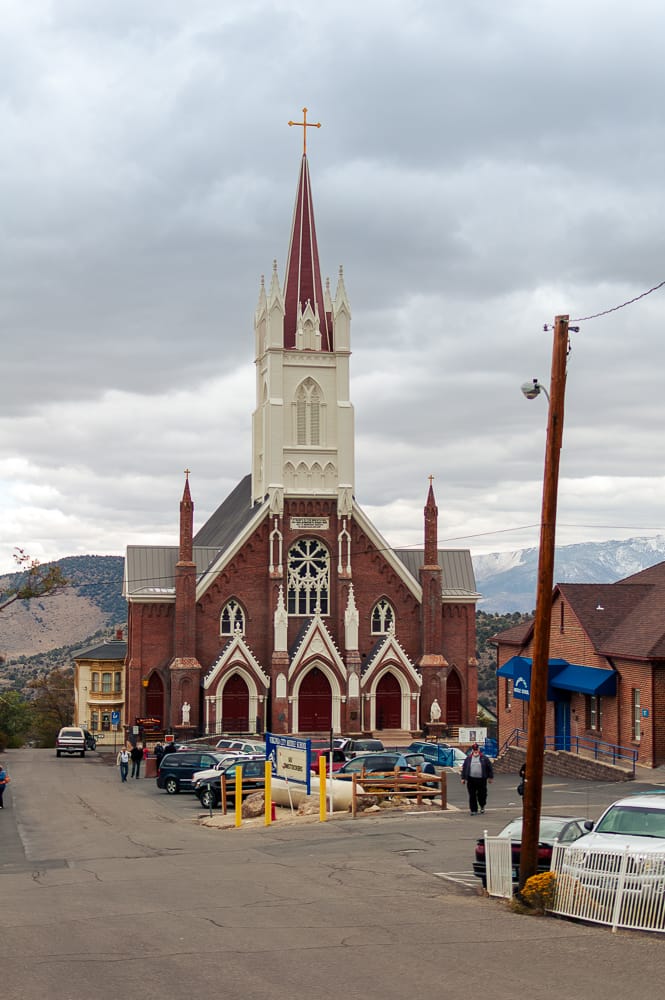
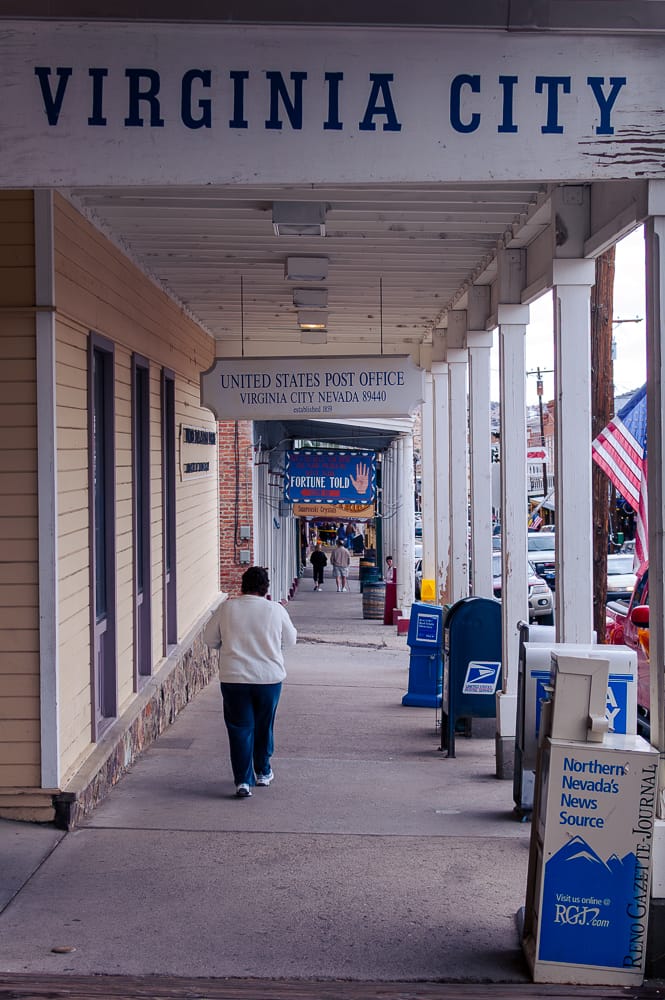
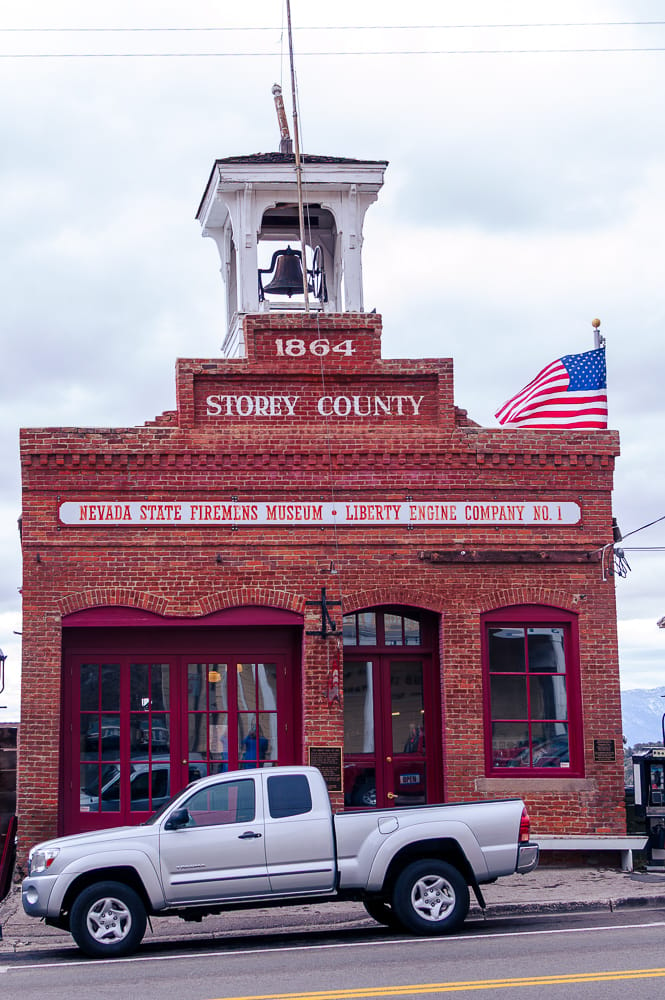
Virginia City clings to the steep eastern slope of Mount Davidson in Storey County, a former boomtown that exploded into existence after the 1859 discovery of the Comstock Lode, the first major silver strike in the United States. Within a couple of decades the population surged into the tens of thousands, and for a time the town ranked among the most important cities between Chicago and San Francisco, fuelled by fortunes in silver and gold and famous names like Mark Twain at the Territorial Enterprise. Today only around a thousand people live here, but the core of the town survives as a National Historic Landmark District packed with 19th-century buildings, boardwalk sidewalks, narrow grid streets, old mine workings and headframes, churches, saloons and the historic Piper’s Opera House, all stacked up on the hillside at about 6,000 feet above sea level.
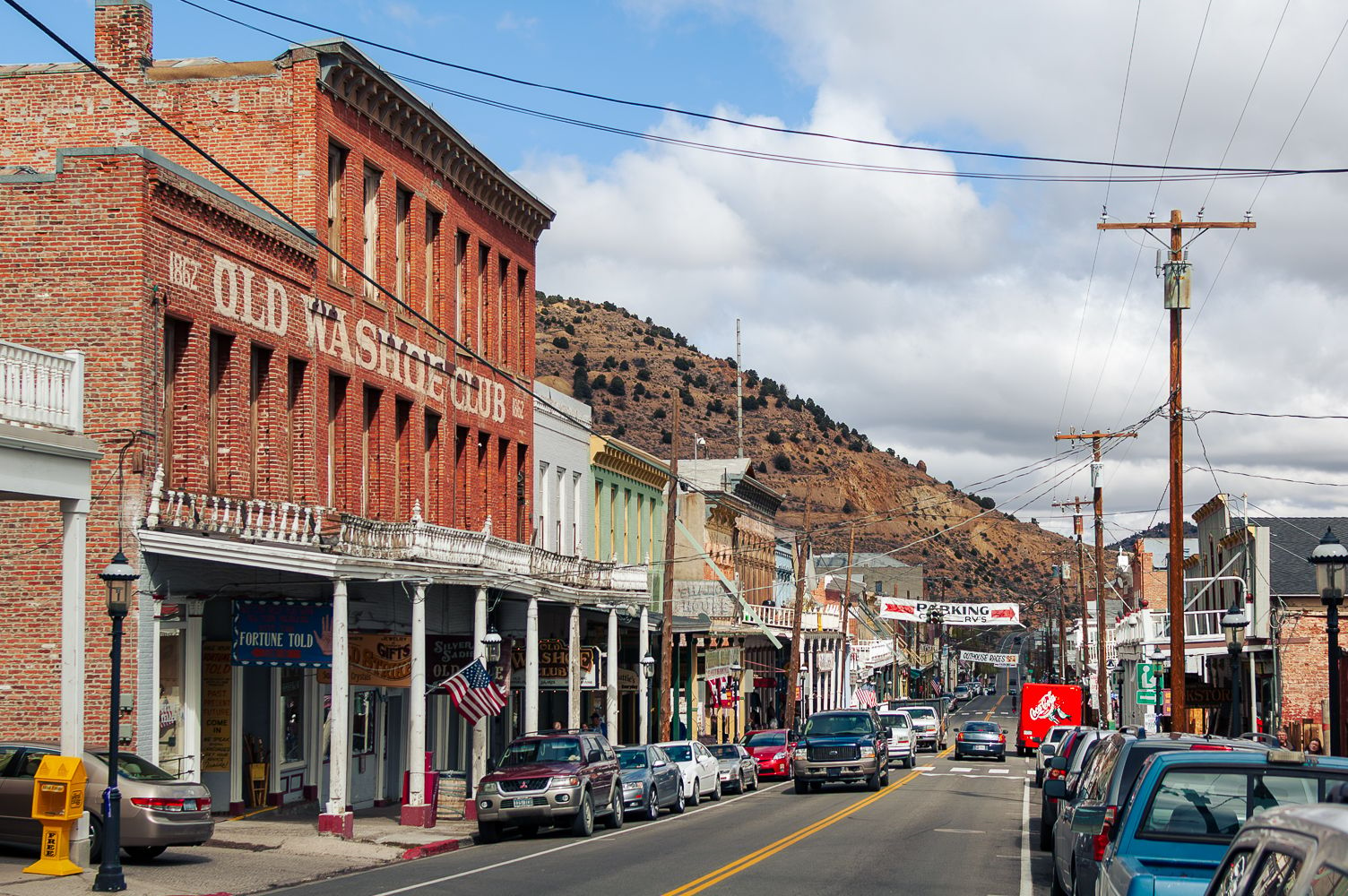
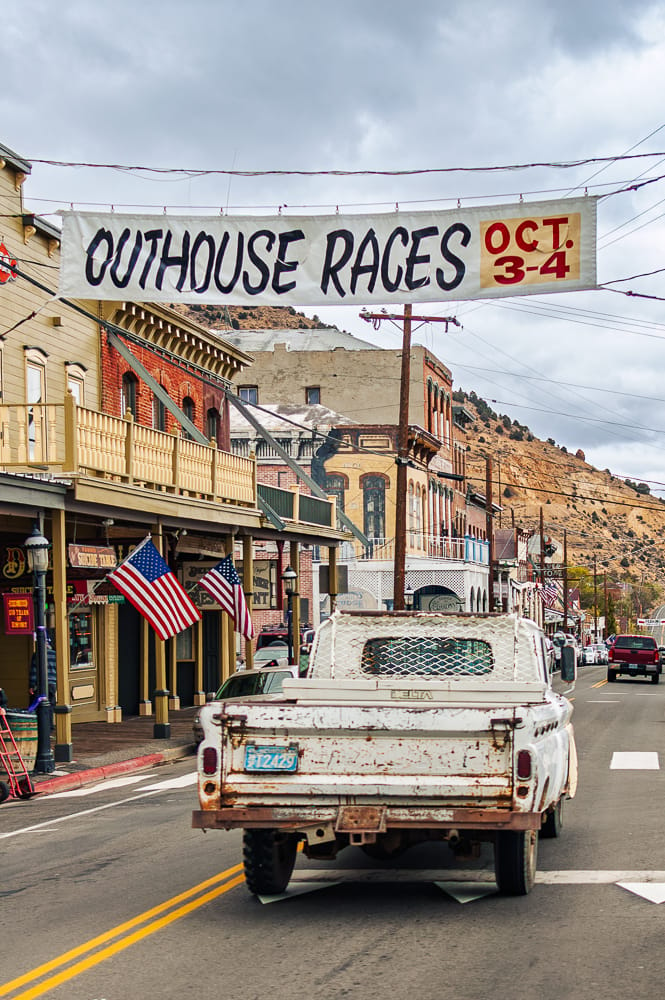
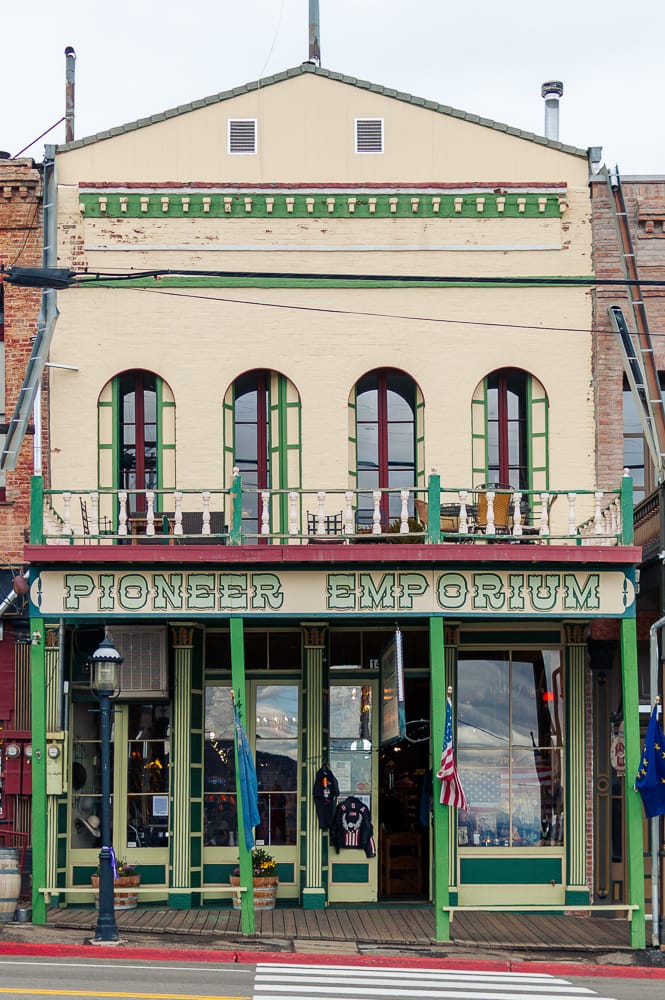
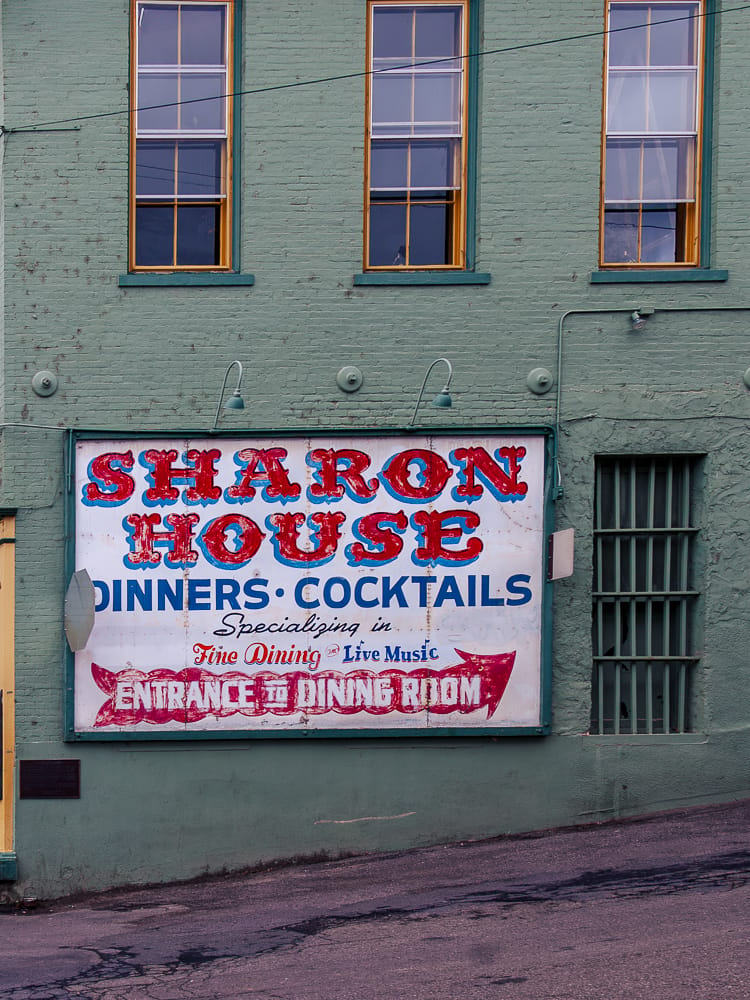
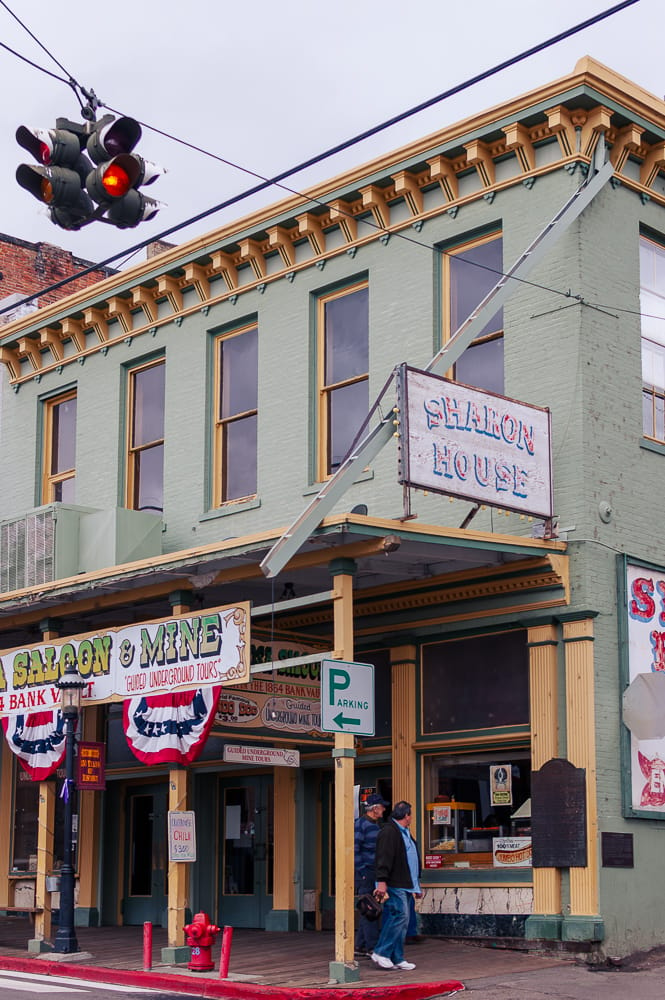
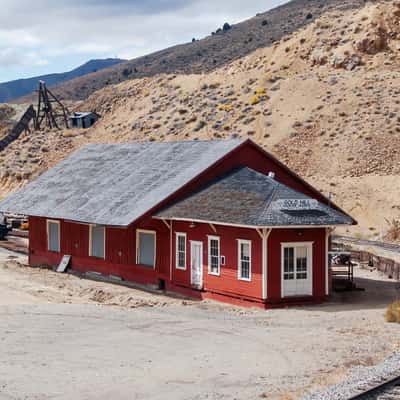
For photographers, Virginia City is basically a ready-made Western set that never got dismantled. The main streets line up with weathered false-front buildings, wooden porches, old hotel façades and cluttered shop windows, framed by power lines, signposts and the dusty hills of the Comstock all around. You can shoot tight, atmospheric street scenes down C Street, broad vistas from higher up the slope looking across the whole town, or more graphic images of mine tailings, headframes and abandoned structures fading back into the sagebrush. Heritage trains on the Virginia & Truckee line, historic homes with ornate balconies, and seasonal events like parades and quirky races add moving subjects and crowds, so the same streets can feel like a quiet ghost town one day and a full-on carnival the next.
Virginia City clings to the steep eastern slope of Mount Davidson in Storey County, a former boomtown that exploded into existence after the 1859 discovery of the Comstock Lode, the first major silver strike in the United States. Within a couple of decades the population surged into the tens of thousands, and for a time the town ranked among the most important cities between Chicago and San Francisco, fuelled by fortunes in silver and gold and famous names like Mark Twain at the Territorial Enterprise. Today only around a thousand people live here, but the core of the town survives as a National Historic Landmark District packed with 19th-century buildings, boardwalk sidewalks, narrow grid streets, old mine workings and headframes, churches, saloons and the historic Piper’s Opera House, all stacked up on the hillside at about 6,000 feet above sea level.
For photographers, Virginia City is basically a ready-made Western set that never got dismantled. The main streets line up with weathered false-front buildings, wooden porches, old hotel façades and cluttered shop windows, framed by power lines, signposts and the dusty hills of the Comstock all around. You can shoot tight, atmospheric street scenes down C Street, broad vistas from higher up the slope looking across the whole town, or more graphic images of mine tailings, headframes and abandoned structures fading back into the sagebrush. Heritage trains on the Virginia & Truckee line, historic homes with ornate balconies, and seasonal events like parades and quirky races add moving subjects and crowds, so the same streets can feel like a quiet ghost town one day and a full-on carnival the next.
Photography Tips
Walk C Street slowly and work both sides of the road; the changing elevation gives interesting sightlines where roofs, signs and hills stack up.
Use a wide-angle lens for cramped boardwalks and interiors, and a short telephoto to compress layers of façades and hillsides.
Go early or late in the day for soft side-light on the buildings and long shadows across the street; midday sun is harsh and contrasty.
Look for reflections in old glass windows: they often mix interiors, street life and hills into a single frame.
Climb a little higher above town (where it is safe and allowed) for semi-aerial views of the grid of streets and the mine waste slopes beyond.
If you shoot during one of the big events, arrive early to scout clean backgrounds before the crowds build, then later lean into the chaos with motion blur and crowd details.
Use a wide-angle lens for cramped boardwalks and interiors, and a short telephoto to compress layers of façades and hillsides.
Go early or late in the day for soft side-light on the buildings and long shadows across the street; midday sun is harsh and contrasty.
Look for reflections in old glass windows: they often mix interiors, street life and hills into a single frame.
Climb a little higher above town (where it is safe and allowed) for semi-aerial views of the grid of streets and the mine waste slopes beyond.
If you shoot during one of the big events, arrive early to scout clean backgrounds before the crowds build, then later lean into the chaos with motion blur and crowd details.
Travel Information
Virginia City sits in the Virginia Range southeast of Reno and northeast of Carson City. By car from Reno you usually head south on I-580/US-395 and then climb into the hills on State Route 341; the drive takes roughly 35–45 minutes depending on traffic and weather. From Carson City you drive east on US-50 and then turn north on Route 341 up into the Comstock corridor, reaching town in about half an hour. Roads are steep, winding and sometimes snowy or icy in winter, so conditions are worth checking in colder months. Public transport options are limited and changeable, so most visitors treat Virginia City as a road-trip stop, often combining it with nearby Gold Hill, Silver City and Dayton for a full historic-Comstock photography loop.
Spot Type
Outdoor
Crowd Factor
A decent amount of people
Best Timing
All timings are equally good
Sunrise & Sunset
06:40 - 19:07
| current local time: 05:07
Photo Themes
City
Town
western
Locations
Nevada
Virginia City
Storey County








Spot comments (0)