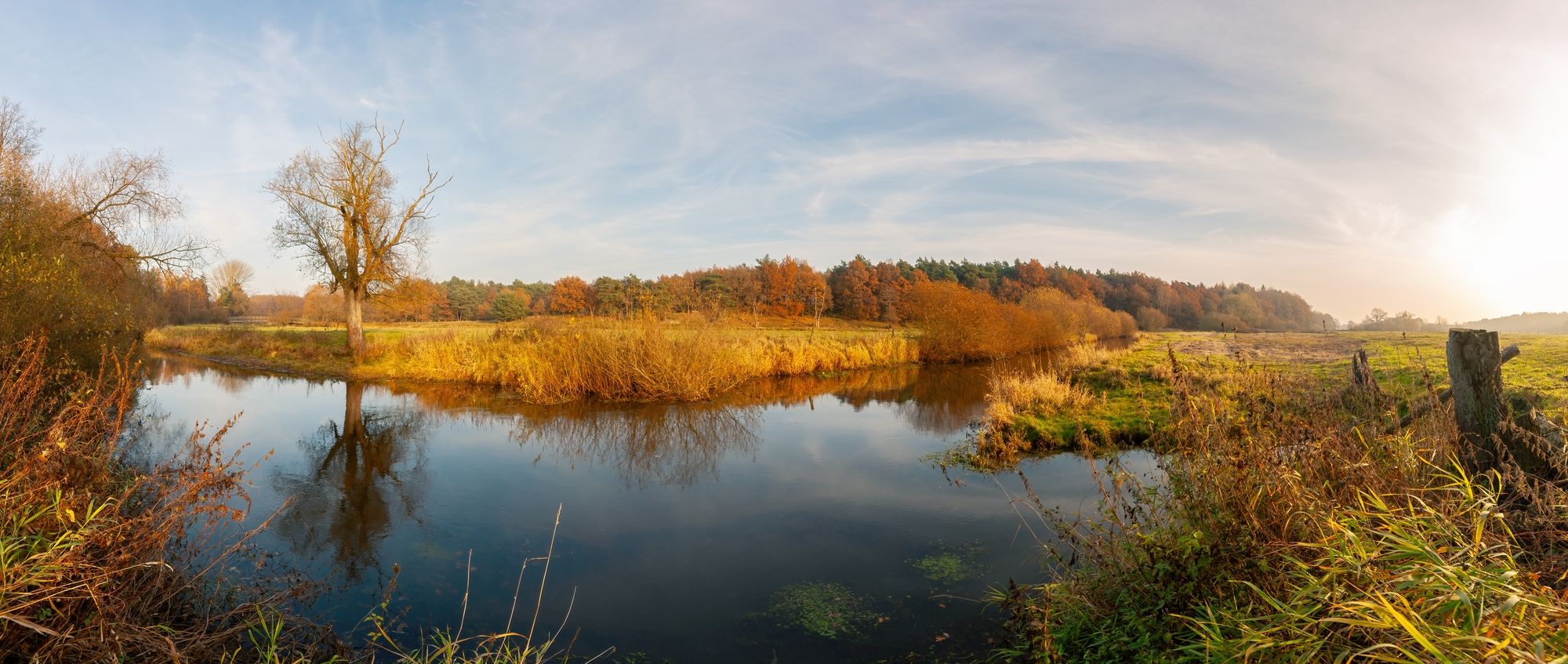

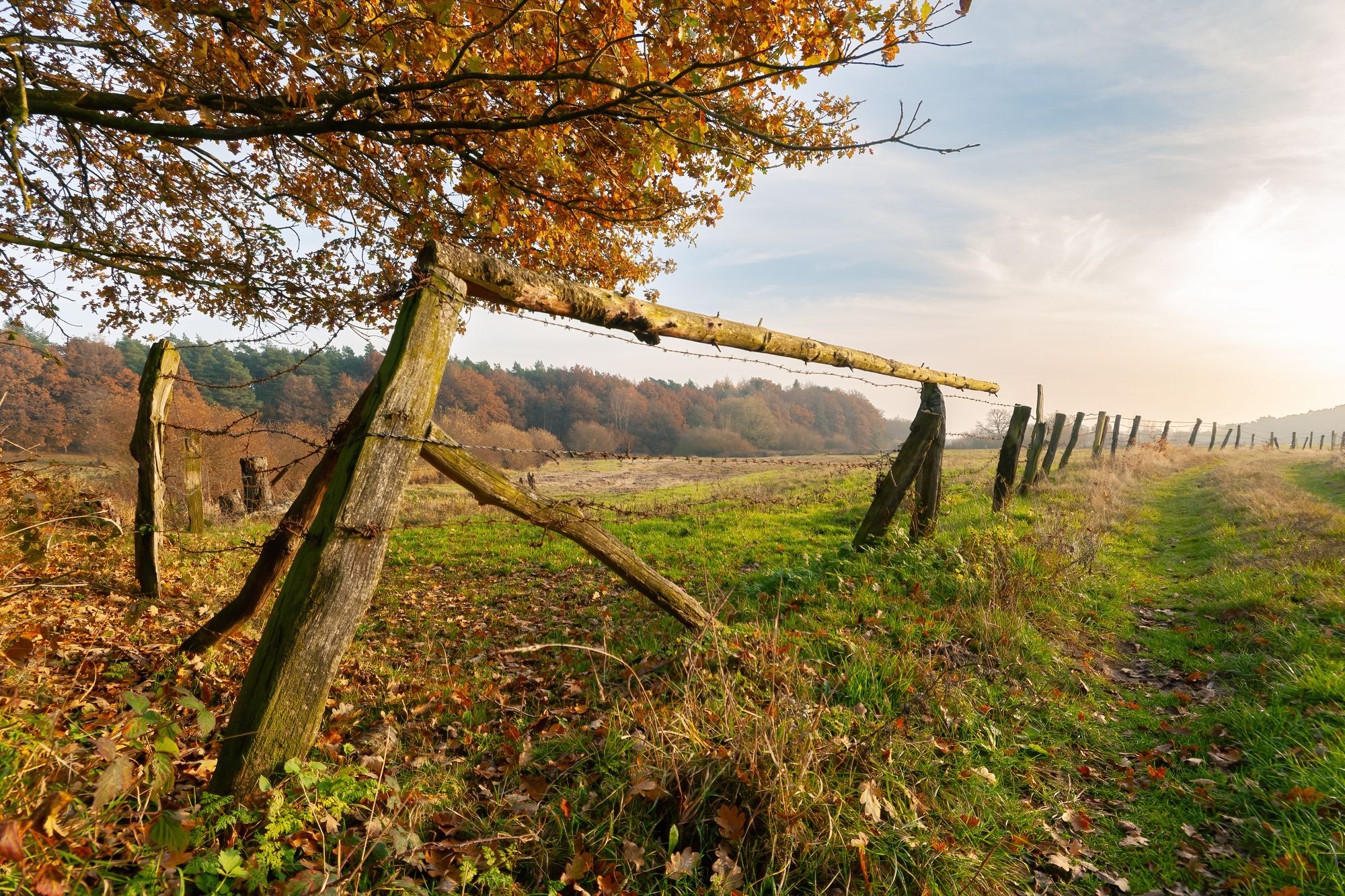
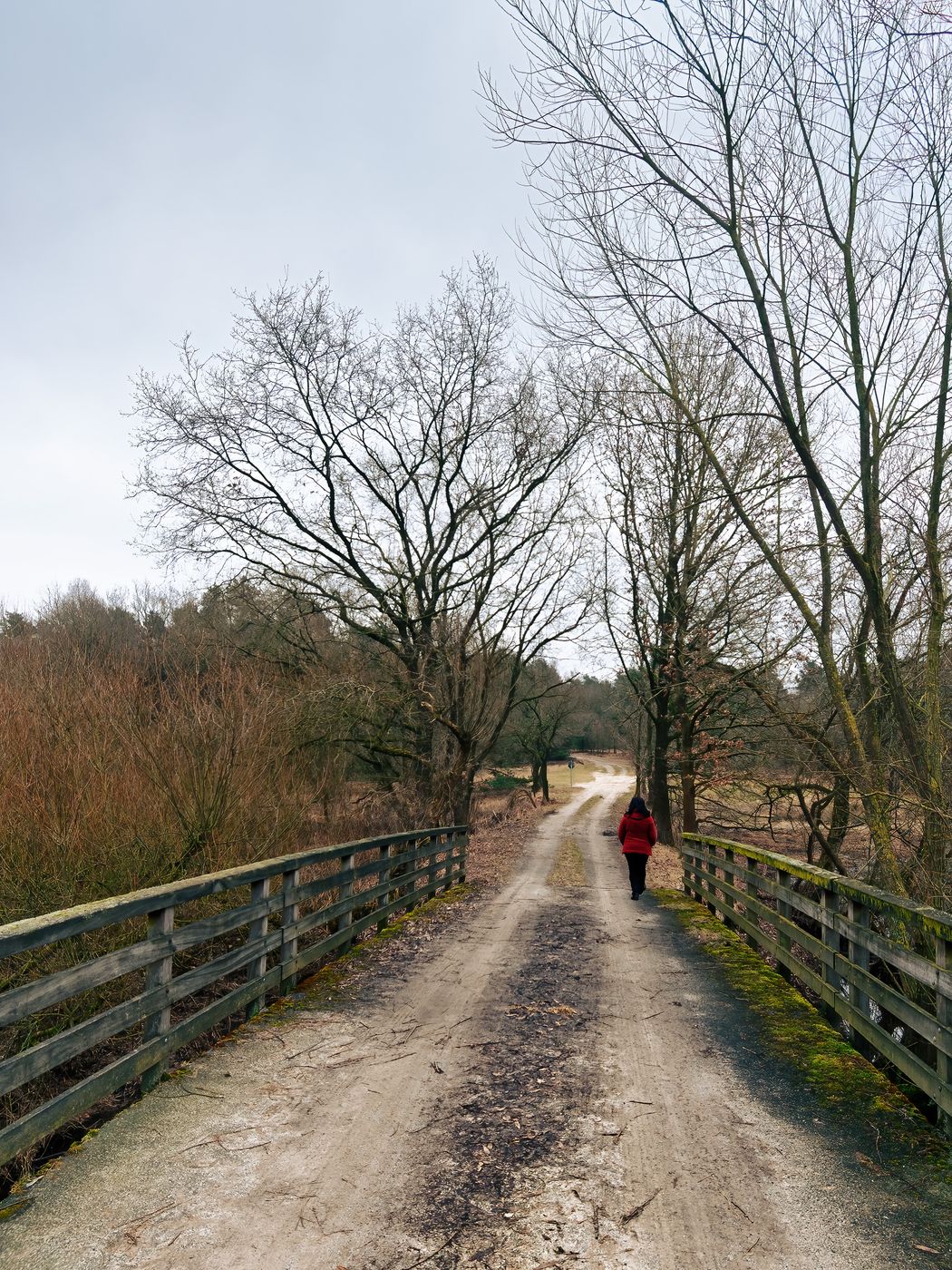
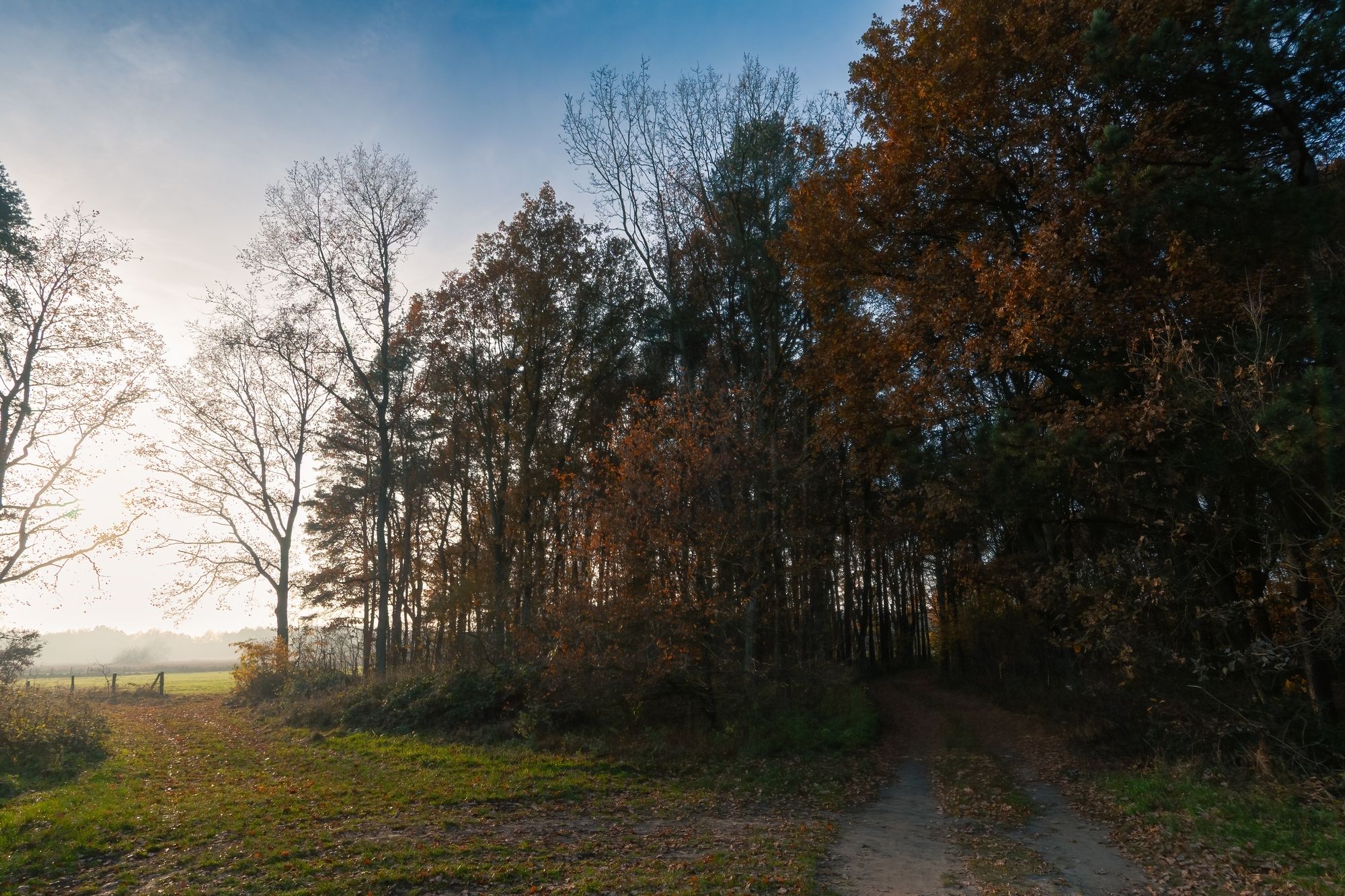
Germany The Oste River near Rockstedt
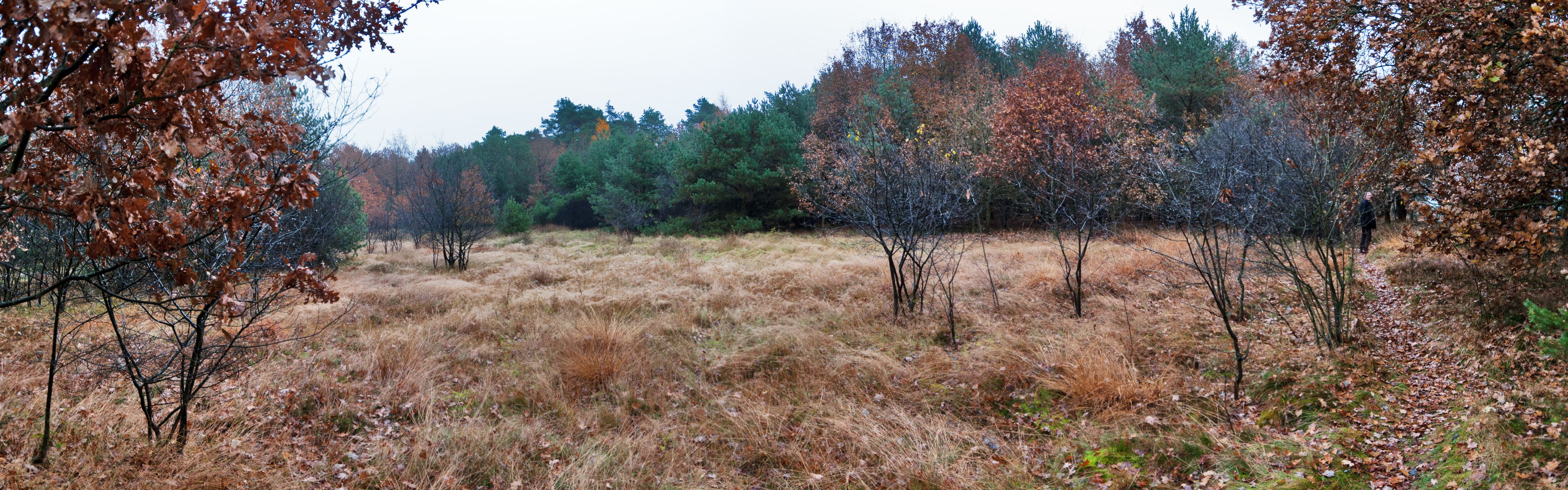
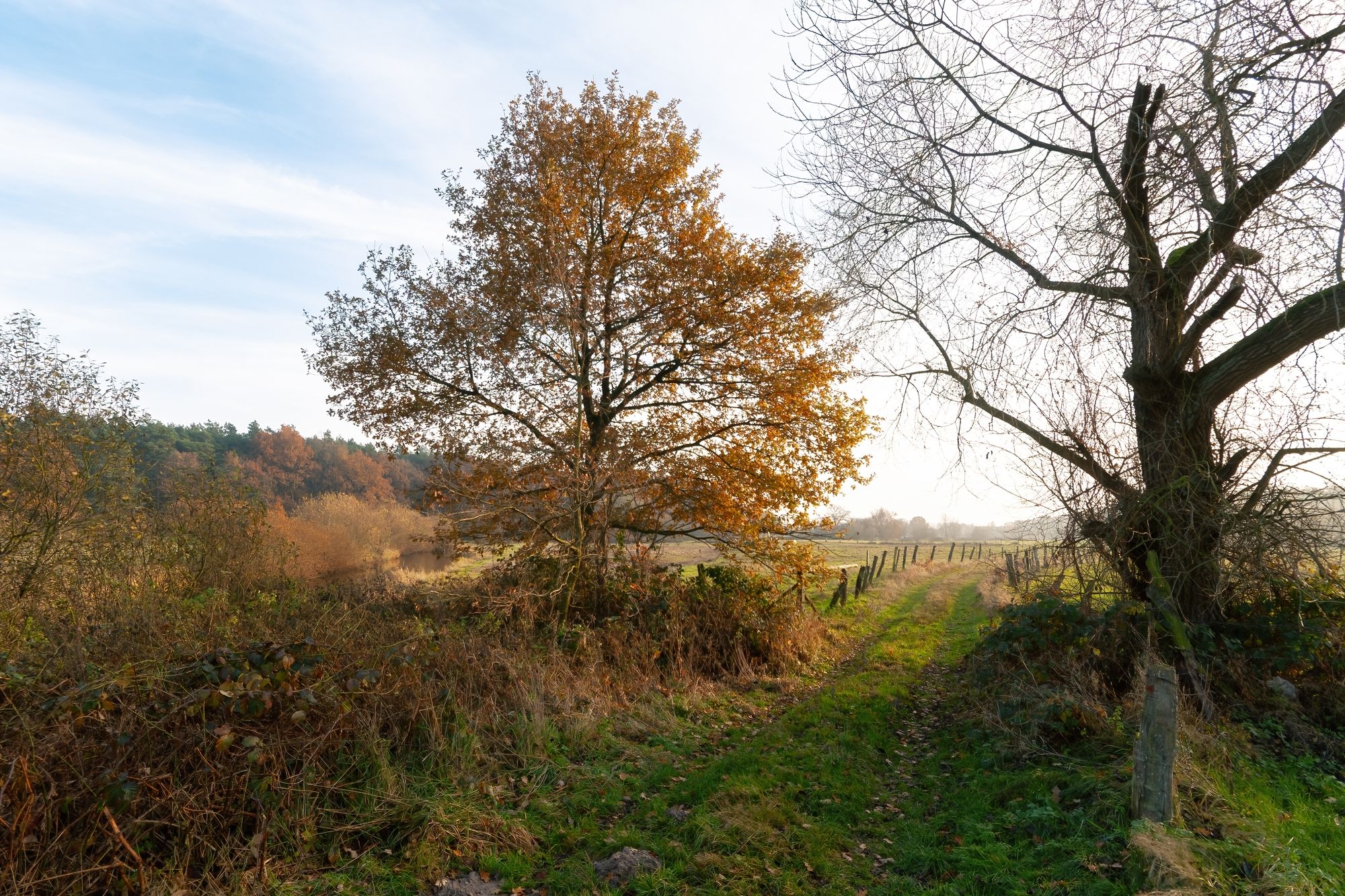
The Oste near Rockstedt, just east of Zeven, winds through open farmland and quiet riparian thickets. Willows and alders lean over the water, casting shifting shade that slows the current and shelters minnows, roach, and the odd pike beneath undercut roots. The river narrows here, then relaxes into tight bends that draw soft scallops of sand and silt from the banks.
You meet the Oste at ground level. Modest footbridges and farm tracks cross without ceremony; cattle paths drop to the water where dragonflies skim and herons stand in the shallows. After rain, the river spreads into low meadows, feeding old side channels and temporary pools that teem with amphibians and invertebrates. When the water retreats, it leaves a thin skin of silt that renews the pasture.
For people, this stretch rewards unhurried travel. Cyclists roll along quiet lanes that dip to the bank and rise through patches of birch and oak. A canoe slips easily under low branches in normal flows, while motorboats feel out of place. What stands out is the scale: intimate and close to the senses, yet binding together meadow, thicket, and gently worked fields. The Oste near Rockstedt doesn’t shout; it earns attention, one calm bend at a time.
You meet the Oste at ground level. Modest footbridges and farm tracks cross without ceremony; cattle paths drop to the water where dragonflies skim and herons stand in the shallows. After rain, the river spreads into low meadows, feeding old side channels and temporary pools that teem with amphibians and invertebrates. When the water retreats, it leaves a thin skin of silt that renews the pasture.
For people, this stretch rewards unhurried travel. Cyclists roll along quiet lanes that dip to the bank and rise through patches of birch and oak. A canoe slips easily under low branches in normal flows, while motorboats feel out of place. What stands out is the scale: intimate and close to the senses, yet binding together meadow, thicket, and gently worked fields. The Oste near Rockstedt doesn’t shout; it earns attention, one calm bend at a time.
Photography Tips
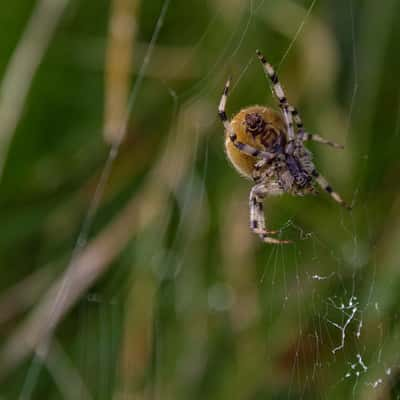
At the Oste near Rockstedt, work with first light. Dawn mist hangs over the meadows and soft side-light reveals ripples, reed heads, and spider webs; after rain the greens deepen and eddies turn mirror-calm. Keep exposure bias around −0.3 to −1 EV when bright water dominates to protect highlights. Let the river’s S-bends lead the frame—place the tightest curve near a third and anchor the foreground with grasses, driftwood, or a fencepost. Shoot low at the bank to double reflections and exaggerate depth, then step onto a footbridge for a clean, graphic read of the channel.
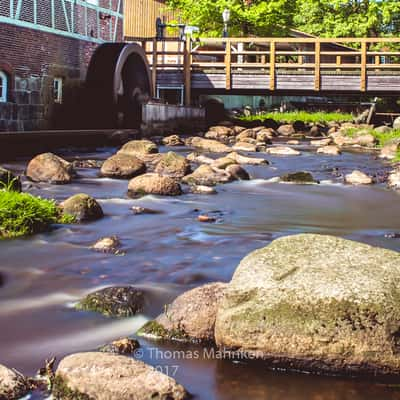
Carry a wide angle to hold sky, bank texture, and the meander in one breath, and a short telephoto to compress curves, isolate a heron, or layer distant willows. A circular polariser tames glare, reveals the streambed, and enriches foliage; rotate it until reflections feel intentional rather than accidental. For motion, stack ND filters and work around one to four seconds to smooth the flow while watching for wind in the reeds. If you prefer texture, stay near 1/500–1/1000 s to freeze surface patterns and raindrop impacts. Wildlife asks for patience and quiet clothing; use continuous autofocus with a small zone, start at 1/2000 s, f/4–f/5.6, Auto-ISO capped near 3200, and refine once behaviour settles.
Keep colour consistent by shooting RAW with a manual white balance around 5200–6000 K, nudging warmer in fog or at blue hour if the mood calls for it. Spring brings fresh greens and busy insects for macro work; summer’s hard midday light invites tight tele abstracts of ripples; autumn and winter reward with fog banks, bare willow structure, and frost that turns the river margins into ready-made monochrome studies. Stay safe on slick banks, respect private land, and let the river set the tempo—slow, observant, and precise.
Carry a wide angle to hold sky, bank texture, and the meander in one breath, and a short telephoto to compress curves, isolate a heron, or layer distant willows. A circular polariser tames glare, reveals the streambed, and enriches foliage; rotate it until reflections feel intentional rather than accidental. For motion, stack ND filters and work around one to four seconds to smooth the flow while watching for wind in the reeds. If you prefer texture, stay near 1/500–1/1000 s to freeze surface patterns and raindrop impacts. Wildlife asks for patience and quiet clothing; use continuous autofocus with a small zone, start at 1/2000 s, f/4–f/5.6, Auto-ISO capped near 3200, and refine once behaviour settles.
Keep colour consistent by shooting RAW with a manual white balance around 5200–6000 K, nudging warmer in fog or at blue hour if the mood calls for it. Spring brings fresh greens and busy insects for macro work; summer’s hard midday light invites tight tele abstracts of ripples; autumn and winter reward with fog banks, bare willow structure, and frost that turns the river margins into ready-made monochrome studies. Stay safe on slick banks, respect private land, and let the river set the tempo—slow, observant, and precise.
Travel Information
While in principle possible by public transportation, you most likely need a car... and walk.
Spot Type
Outdoor
Crowd Factor
Nearly no other people
Best Timing
Blue hour/at night in fall
Sunrise & Sunset
07:05 - 19:27
| current local time: 21:51
Photo Themes
Farmland
Forest
Nature
River





Spot comments (0)