
Germany Teufelsmoor
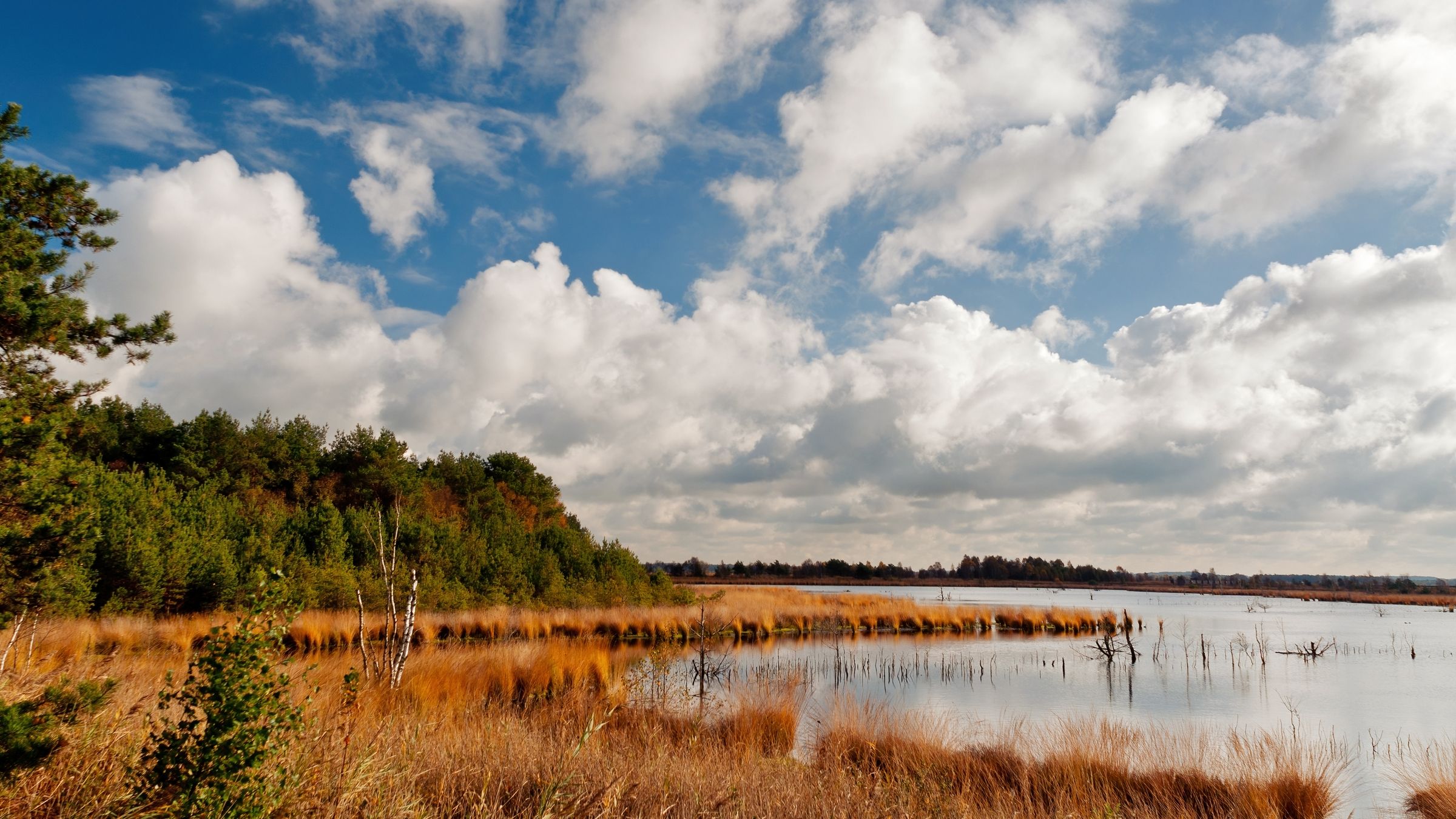
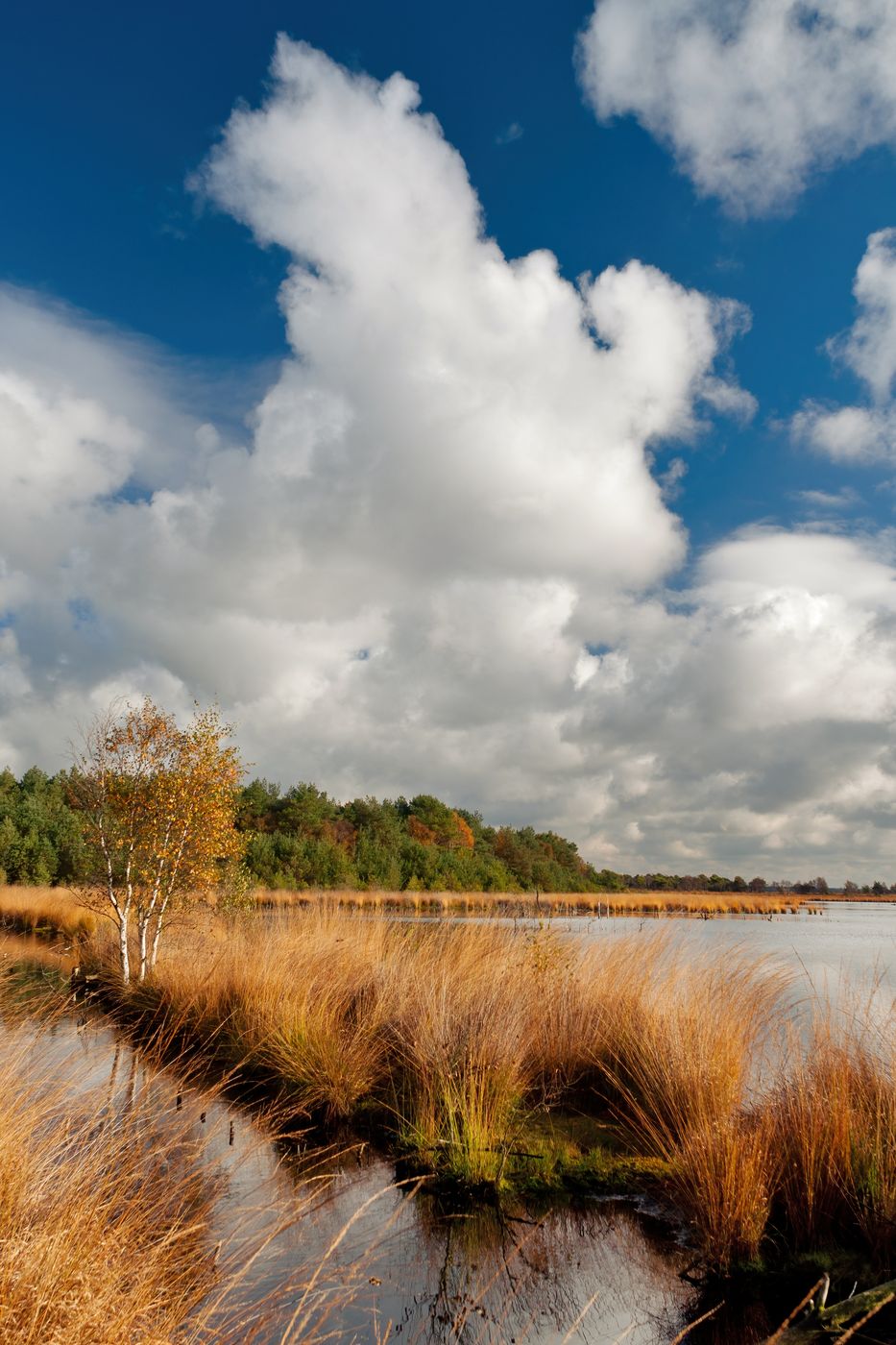
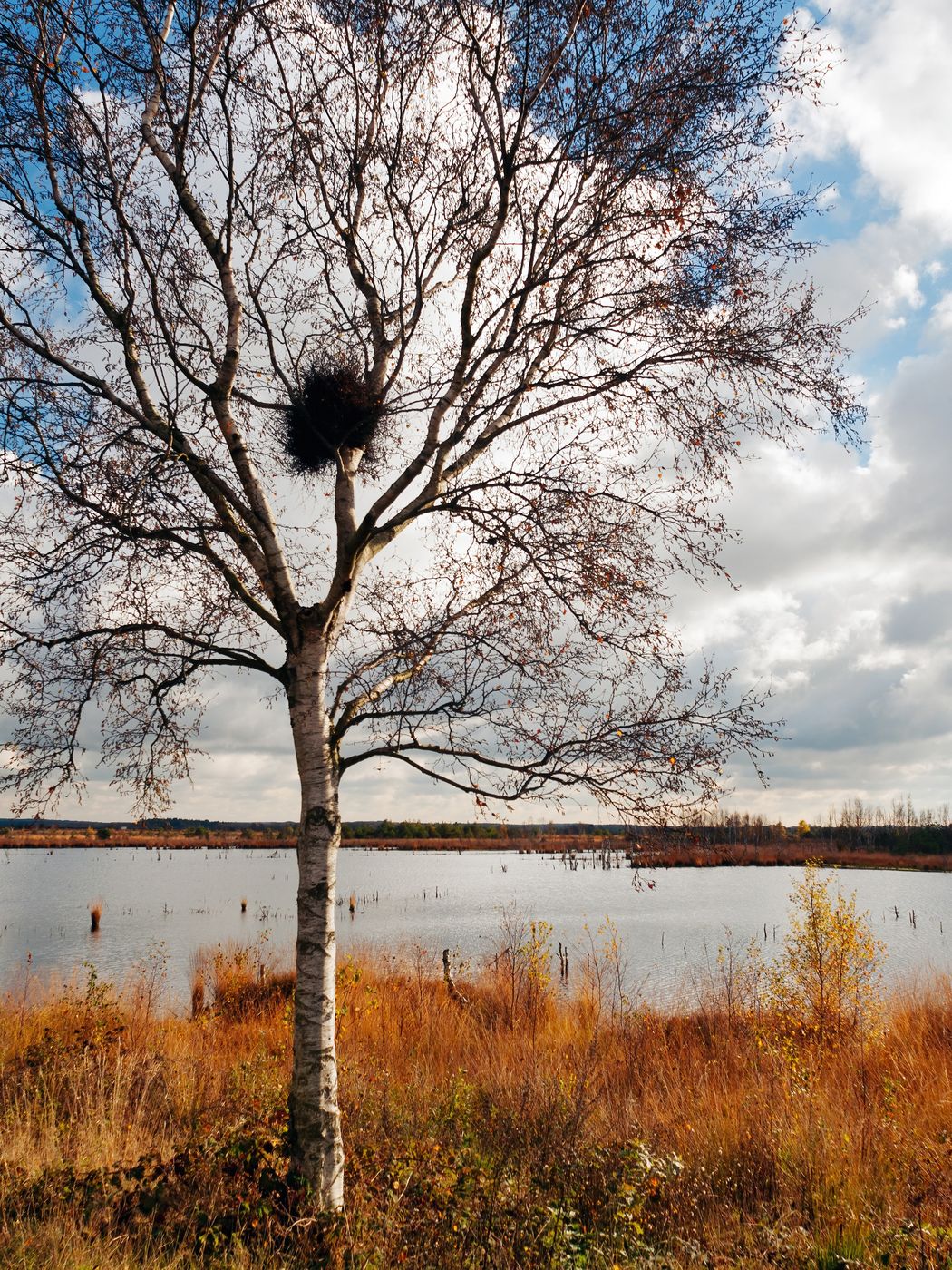
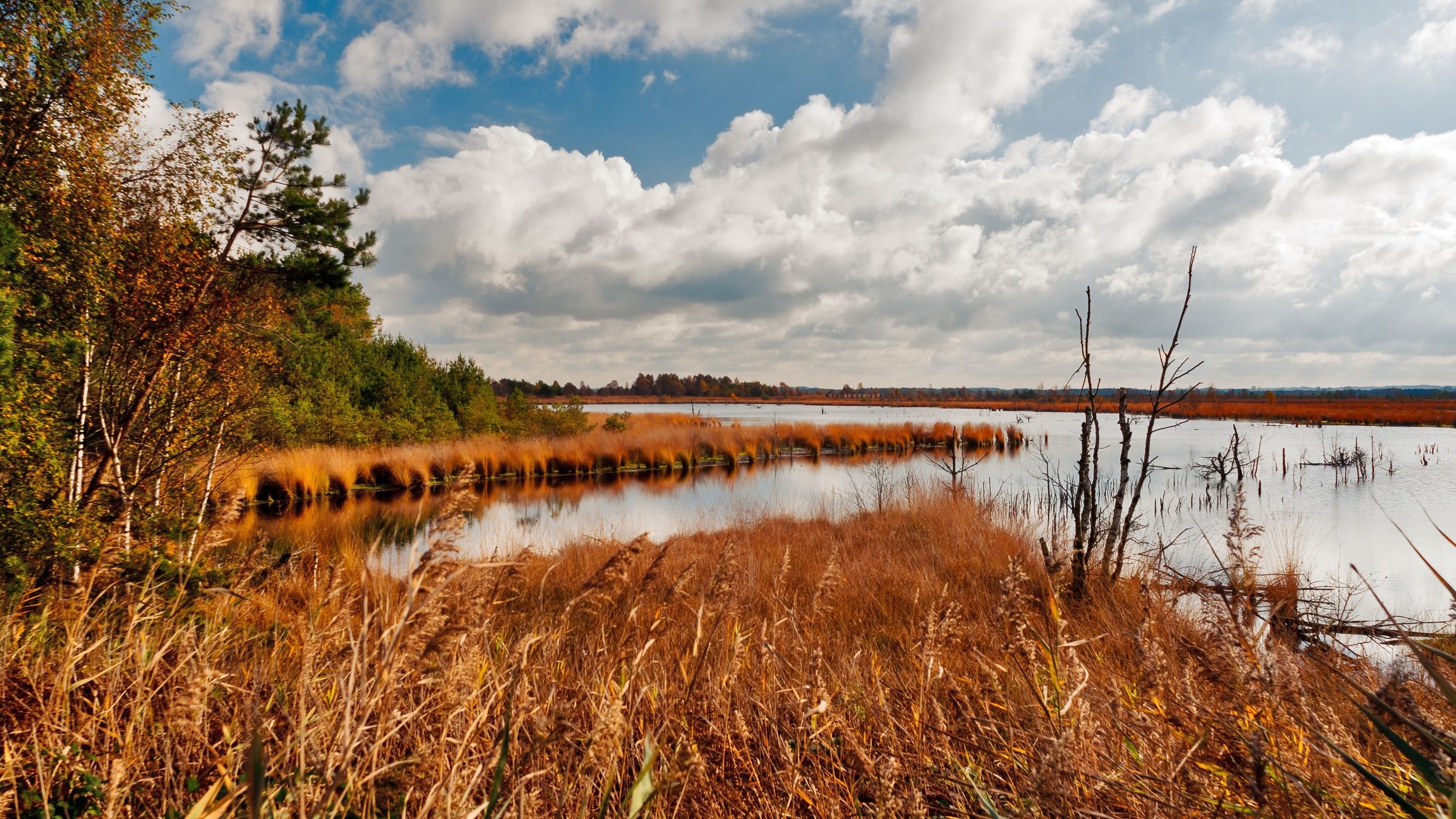
Teufelsmoor near Worpswede is one of those landscapes that feels slightly unreal – a wide, flat moorland where mist hangs over drainage canals, lone farms sit on narrow dykes and the sky basically hogs half the scene. It lies north-east of Bremen, around the artists’ village of Worpswede, and is a classic North German peat bog landscape: open horizons, reed belts, meadows that flood in winter, and long, straight canals once used to ship peat towards Bremen. Today it is a quiet mix of nature reserve and cultural landscape, with birdwatching towers, walking and cycling routes, and old peat barges and museums telling the story of life in the moor.
For photography, Teufelsmoor is a bit of a playground if you like subtle moods more than dramatic mountains:
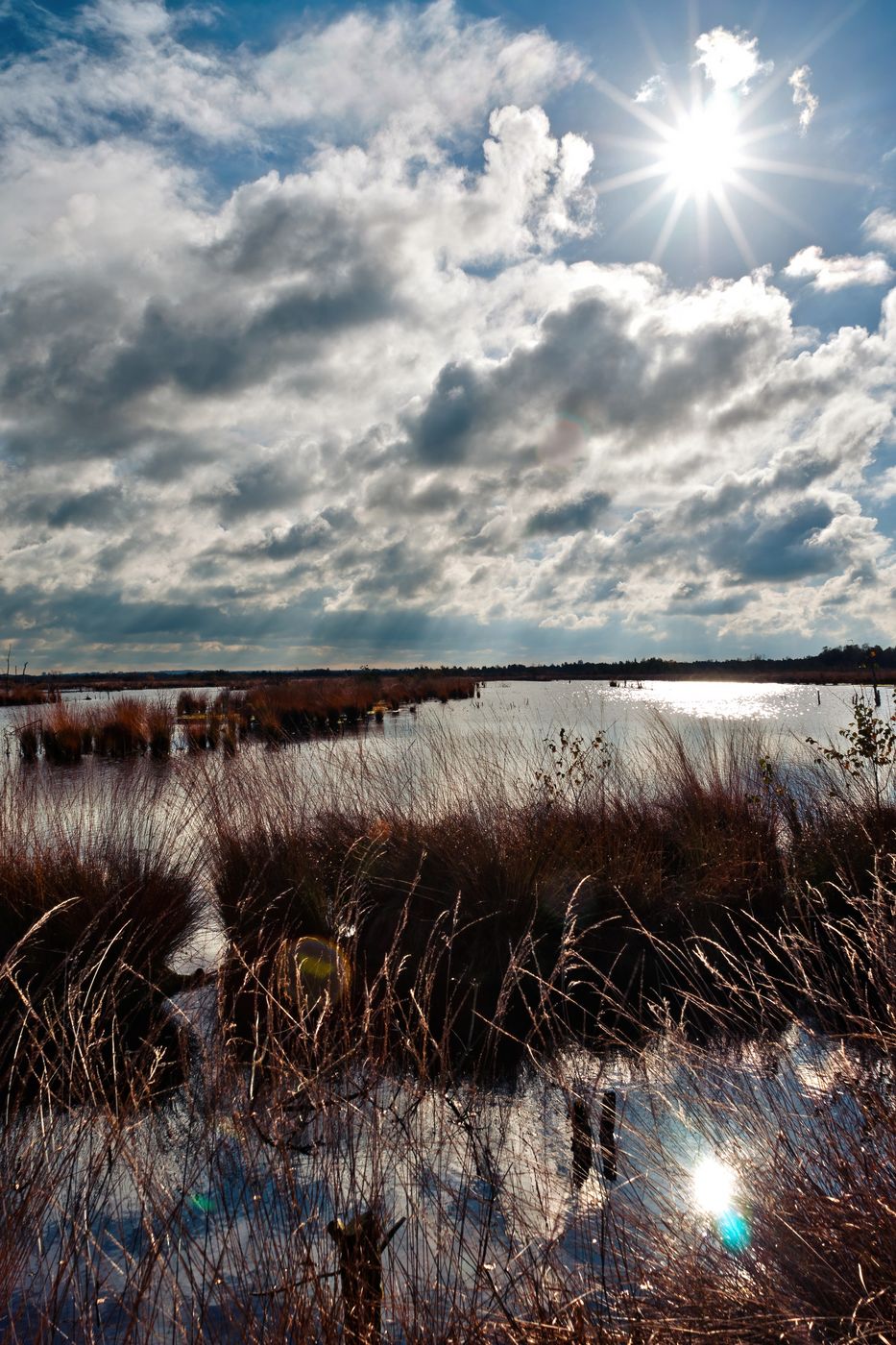
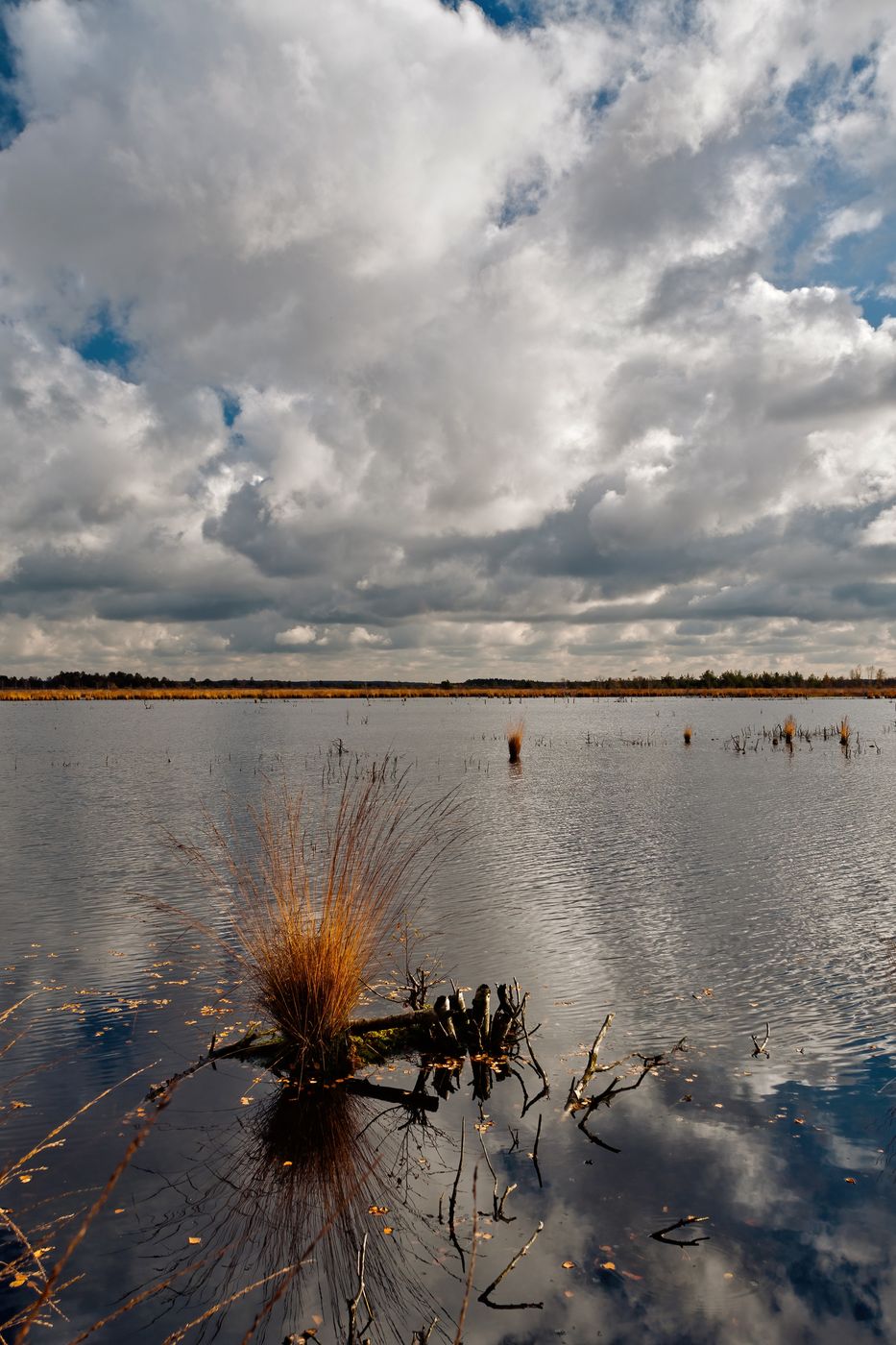
Big skies and minimalism – The absolutely flat landscape gives very clean horizons. Clouds, fog and changing light become the main “actors” in your frame.
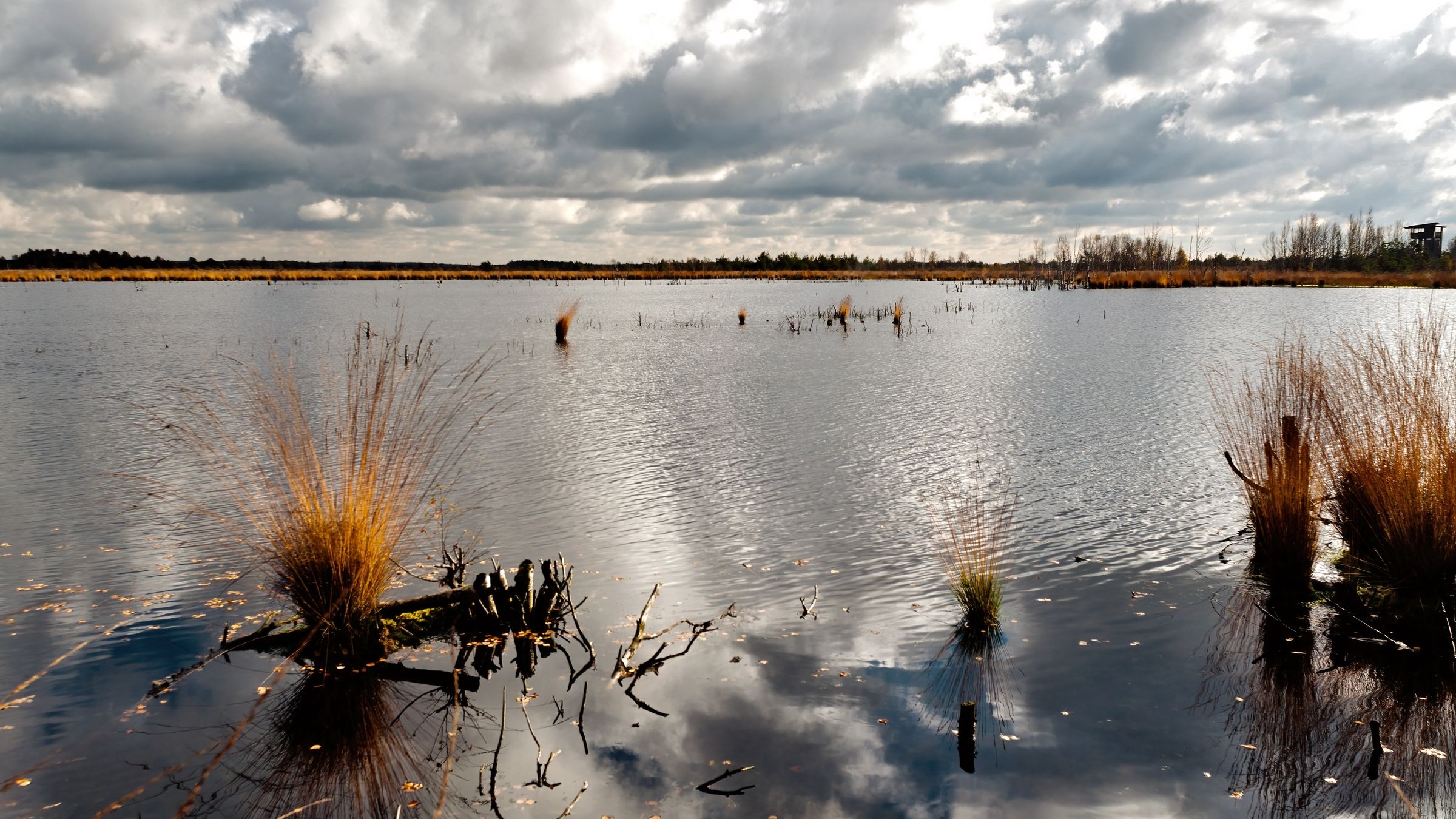
Water reflections – Canals, drainage ditches and flooded meadows create great mirror surfaces at dawn and dusk. In late winter and early spring the area often turns into a semi-flooded lake, which is perfect for reflection shots.
Birdlife and seasonal change – In winter and during migration you can photograph cranes and other waterbirds from observation towers like the “Himmelstreppe”, which overlooks large stretches of moor.
Cultural details – Old peat barges, the Torfschiffswerft-Museum in Schlußdorf, small farms and the nearby artists’ village Worpswede offer more “human” motives to mix with the nature shots.
For photography, Teufelsmoor is a bit of a playground if you like subtle moods more than dramatic mountains:
Big skies and minimalism – The absolutely flat landscape gives very clean horizons. Clouds, fog and changing light become the main “actors” in your frame.
Water reflections – Canals, drainage ditches and flooded meadows create great mirror surfaces at dawn and dusk. In late winter and early spring the area often turns into a semi-flooded lake, which is perfect for reflection shots.
Birdlife and seasonal change – In winter and during migration you can photograph cranes and other waterbirds from observation towers like the “Himmelstreppe”, which overlooks large stretches of moor.
Cultural details – Old peat barges, the Torfschiffswerft-Museum in Schlußdorf, small farms and the nearby artists’ village Worpswede offer more “human” motives to mix with the nature shots.
Photography Tips
Light and conditions matter a lot here, because the landscape is subtle and quite flat. A few practical ideas:
Go for early morning mist
Aim for sunrise on cool, still mornings – canals and low meadows often produce ground fog, giving that moody, painterly look the area is known for.
Bring a tripod; long exposures at blue hour make the water like glass.
Use leading lines
Canals, dykes and paths naturally pull the eye into the frame. Position them as diagonals to avoid the “flat postcard” look.
Wooden walkways or narrow farm tracks work nicely as foreground elements.
Pack the right lenses
A wide-angle (16–35 mm full-frame) helps you emphasise big skies and layered clouds.
A telephoto (100–400 mm) is useful from towers like Himmelstreppe to isolate birds, lone trees or farmhouses in the distance.
Think in series, not single shots
The moor is about atmosphere and repetition. Consider shooting small series:
“Lines in the landscape” – canals, fences, electricity masts, farm tracks.
“Weather moods” – the same spot in mist, rain, clear evening.
“Traces of peat” – barges, old tools, museum details, peat stacks.
Respect nature protection rules
Some paths are closed between March and May for breeding birds; obey signs and use towers and official trails to avoid disturbing wildlife.
Go for early morning mist
Aim for sunrise on cool, still mornings – canals and low meadows often produce ground fog, giving that moody, painterly look the area is known for.
Bring a tripod; long exposures at blue hour make the water like glass.
Use leading lines
Canals, dykes and paths naturally pull the eye into the frame. Position them as diagonals to avoid the “flat postcard” look.
Wooden walkways or narrow farm tracks work nicely as foreground elements.
Pack the right lenses
A wide-angle (16–35 mm full-frame) helps you emphasise big skies and layered clouds.
A telephoto (100–400 mm) is useful from towers like Himmelstreppe to isolate birds, lone trees or farmhouses in the distance.
Think in series, not single shots
The moor is about atmosphere and repetition. Consider shooting small series:
“Lines in the landscape” – canals, fences, electricity masts, farm tracks.
“Weather moods” – the same spot in mist, rain, clear evening.
“Traces of peat” – barges, old tools, museum details, peat stacks.
Respect nature protection rules
Some paths are closed between March and May for breeding birds; obey signs and use towers and official trails to avoid disturbing wildlife.
Travel Information
From Bremen
By train + bus
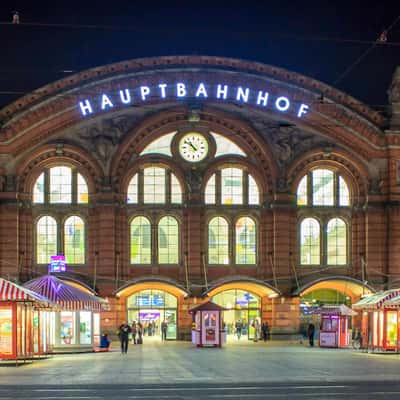
Take a regional train from Bremen Hauptbahnhof to Osterholz-Scharmbeck (the ride is short, around a quarter of an hour).
From Osterholz-Scharmbeck continue by local bus or taxi towards Worpswede or directly into the Teufelsmoor villages. Buses run to Worpswede from the station, and from there you can walk, cycle, or take a short taxi ride into the moor.
By bike
The whole region is very bike-friendly and mostly flat. You can cycle from Bremen to Worpswede on quiet country roads and dyke paths. From Worpswede, small roads and signposted cycle routes lead straight into the Teufelsmoor.
By car
From Bremen, drive towards Osterholz-Scharmbeck and then follow signs to Worpswede.
From Worpswede, follow local roads such as Teufelsmoorstraße or the roads towards Schlußdorf and other moor settlements. There are small car parks at viewing towers, museums and trailheads.
Historic train (seasonal)
In the summer season, a historic train called the Moorexpress runs on weekends between Bremen and the region, with stops around Worpswede and the moor. It is slower but very scenic and a nice option if you combine it with walking or cycling.
Once you are in Worpswede or a nearby village, most of the interesting spots in the Teufelsmoor are reachable by a short drive, bike ride or walk along the canals and dykes.
By train + bus
Take a regional train from Bremen Hauptbahnhof to Osterholz-Scharmbeck (the ride is short, around a quarter of an hour).
From Osterholz-Scharmbeck continue by local bus or taxi towards Worpswede or directly into the Teufelsmoor villages. Buses run to Worpswede from the station, and from there you can walk, cycle, or take a short taxi ride into the moor.
By bike
The whole region is very bike-friendly and mostly flat. You can cycle from Bremen to Worpswede on quiet country roads and dyke paths. From Worpswede, small roads and signposted cycle routes lead straight into the Teufelsmoor.
By car
From Bremen, drive towards Osterholz-Scharmbeck and then follow signs to Worpswede.
From Worpswede, follow local roads such as Teufelsmoorstraße or the roads towards Schlußdorf and other moor settlements. There are small car parks at viewing towers, museums and trailheads.
Historic train (seasonal)
In the summer season, a historic train called the Moorexpress runs on weekends between Bremen and the region, with stops around Worpswede and the moor. It is slower but very scenic and a nice option if you combine it with walking or cycling.
Once you are in Worpswede or a nearby village, most of the interesting spots in the Teufelsmoor are reachable by a short drive, bike ride or walk along the canals and dykes.
Spot Type
Outdoor
Crowd Factor
Just a few people
Best Timing
Fall
Sunrise & Sunset
06:54 - 19:45
| current local time: 03:59
Photo Themes
clouds
moor
moorland
Moorlandschaft
Nature
sky
Trees
Water
Locations
Northern Germany
Niedersachsen
Worpswede
Lower Saxony





Spot comments (0)