
76 Photo Spots on Crete

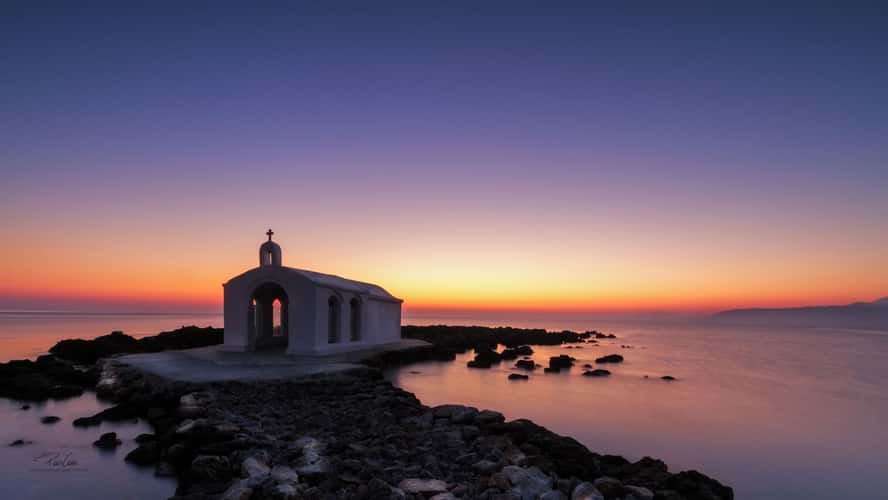
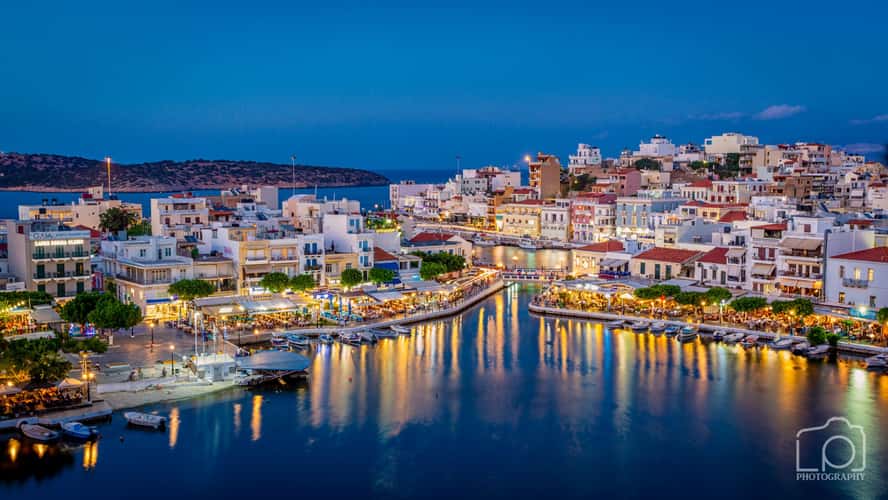
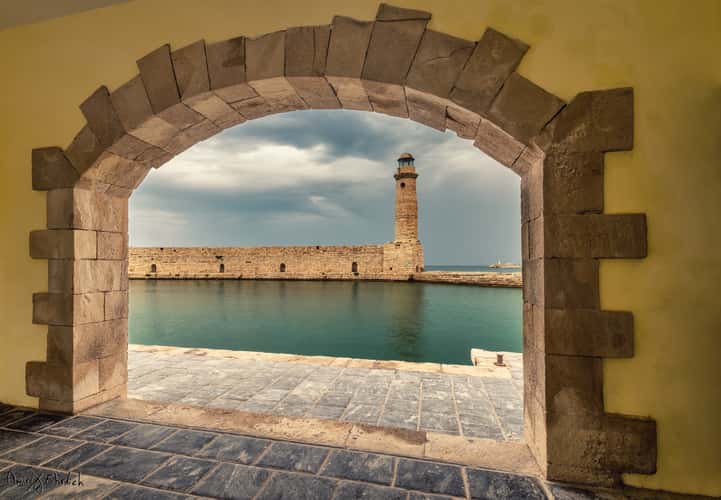
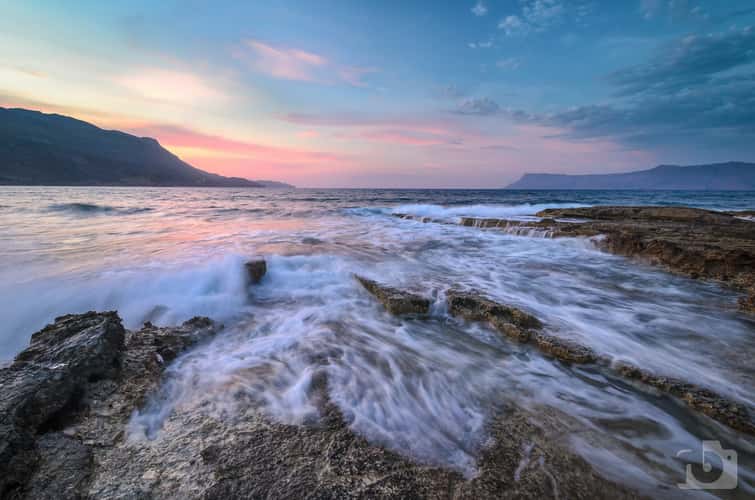
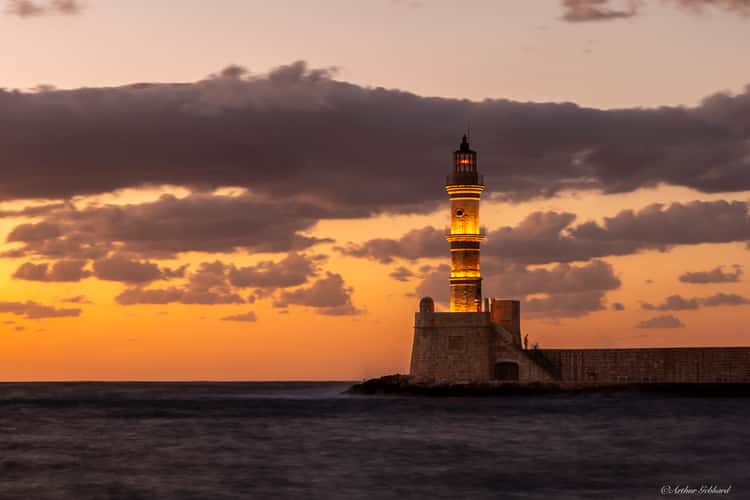
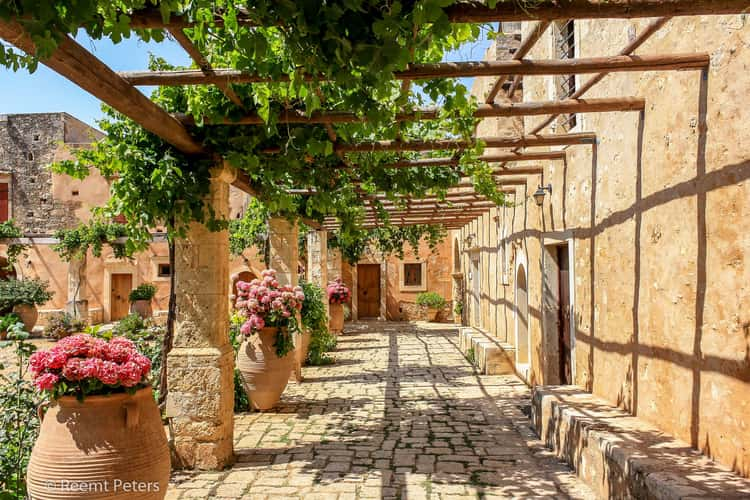
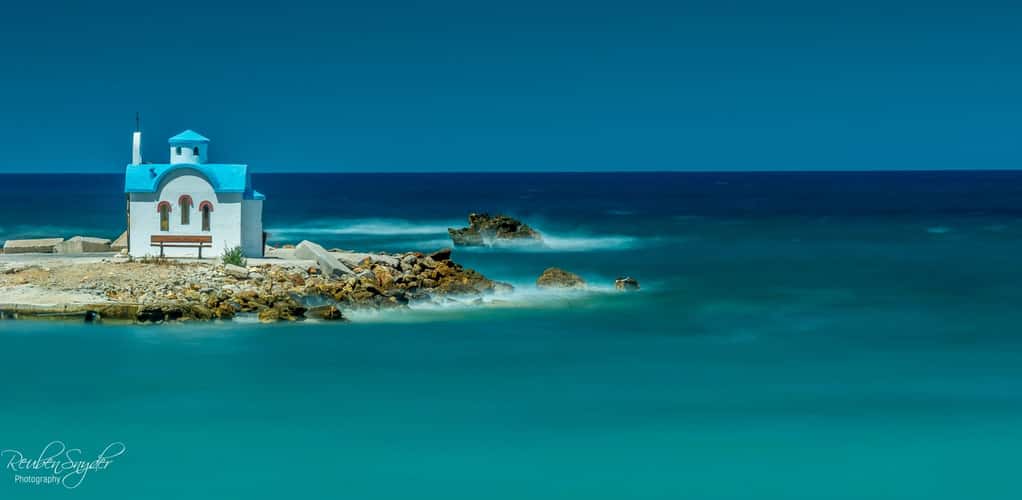
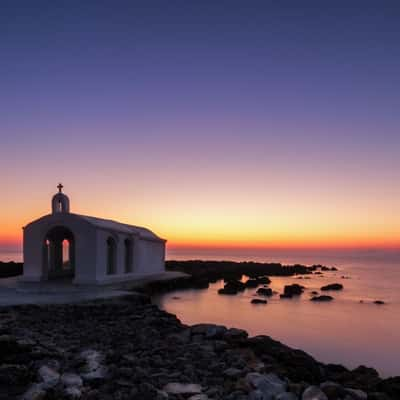
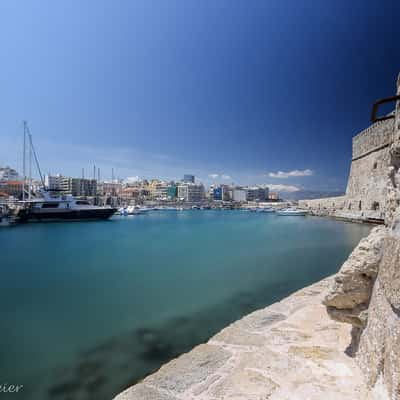
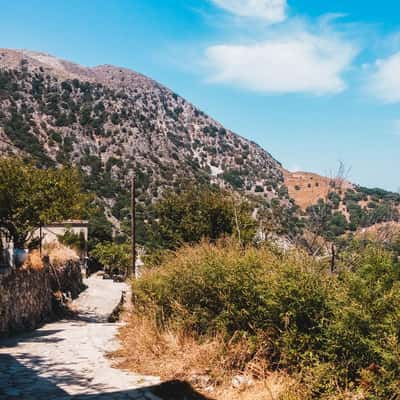
Crete is one of those islands that feels like it was designed with photographers in mind: rugged mountains, turquoise lagoons, ancient sites, dramatic gorges, and pastel-colored coastal towns all packed into one long, beautiful stretch of land.

latest contributors
Flicwork Zdeněk "DrakMrak" Charvát Gino Jarne S Arthur Gebhard

Tips for your trip to Crete

About the location

Whether you’re wandering through the narrow alleys of Chania’s Venetian harbor, hiking toward windswept cliffs, or discovering quiet mountain villages, you’ll constantly stumble into scenes that deserve a spot in your portfolio.

And there’s a charming twist to photographing on Crete: the island’s goats have absolutely zero respect for personal space or composition rules. They love climbing into impossible places and then staring at you as if you interrupted their photoshoot. It’s almost guaranteed you’ll return home with at least one goat photobomb shot.
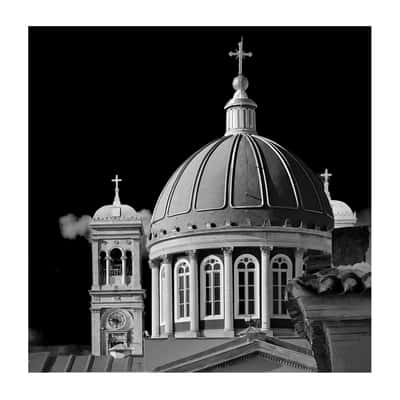
Best timing

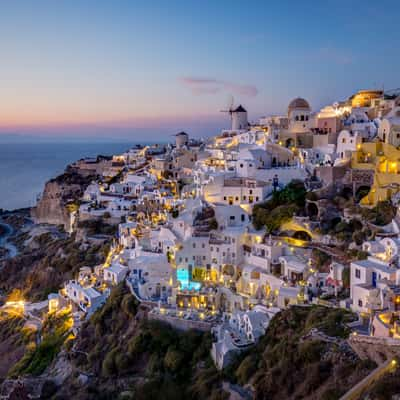
The best seasons for photography on Crete are spring and autumn, when the weather is warm but not overwhelming and the landscape is at its most vibrant. Spring brings wildflowers, lush greens, and soft coastal light. Autumn offers calmer winds, beautifully golden sunsets, and fewer crowds, making it easier to explore beaches, ruins, and gorges without waiting for the scene to clear.

Summer is of course the classic travel season, but it’s not ideal for photographers. The sun is harsh for most of the day, temperatures can make long hikes exhausting, and iconic places like Balos or Elafonisi are far more crowded. If you visit during summer, plan your outings strictly around sunrise and sunset, when the island regains its softer charm.

Traveling

Crete is easy to reach thanks to its two main airports: Heraklion in the center of the island and Chania in the northwest. Most visitors fly in directly, but ferries from Athens are also an option if you prefer slower, more scenic travel. Once on the island, renting a car is by far the best way to get around — many of the most beautiful viewpoints, beaches, and mountain passes are inaccessible or slow to reach by public transport.

Driving is generally straightforward, but mountain roads can be narrow and winding, so take your time. Buses are reliable between larger towns, but photographers who want to explore gorges, remote coves, monasteries, or high viewpoints will appreciate the flexibility of having their own vehicle. If you plan to venture deep into the mountains or dirt tracks, consider renting something with a bit more clearance.

Photography tips for Crete

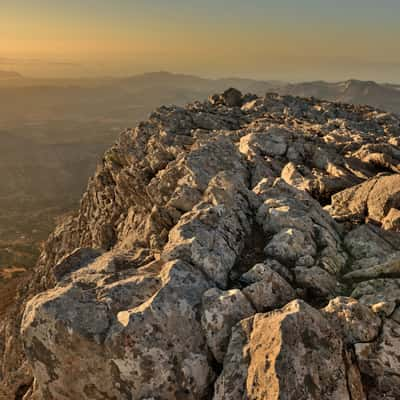
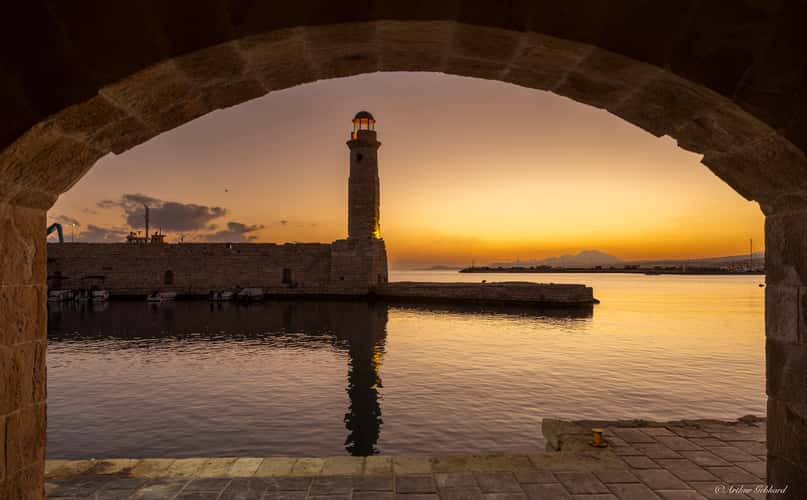
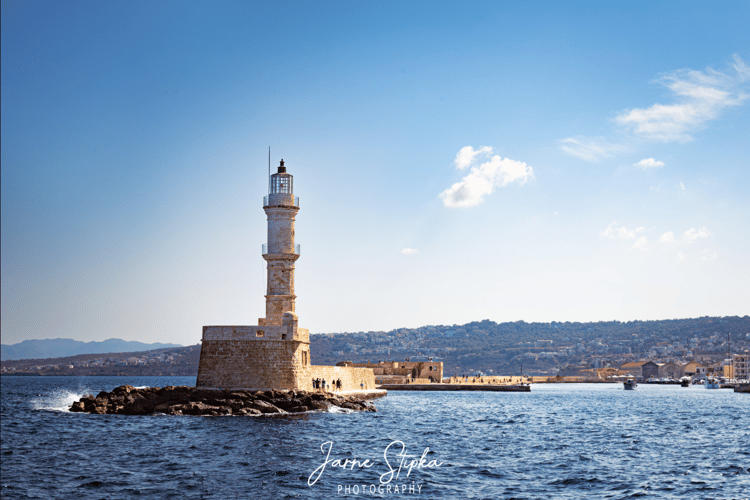
Crete is all about timing and light. Coastal towns like Chania and Rethymno glow beautifully during sunrise and sunset, when the Venetian buildings pick up warm pastel tones. Beaches like Balos, Seitan Limania, or Falassarna are best photographed in early morning when the water is calm and the light is still soft. Mountain areas, on the other hand, often benefit from late-afternoon light that adds depth to the landscape.

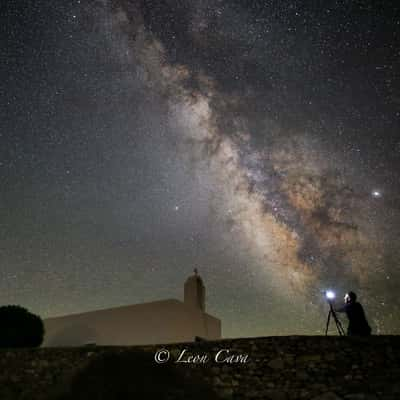
For equipment, a wide-angle lens is incredibly useful for capturing gorges, cliffs, and the expansive coastline. A telephoto lens helps isolate monasteries on hilltops or pick out details on mountain peaks. A polarizer can make the Mediterranean colors pop, especially around lagoons and clear-water bays. And if you enjoy night photography, head into the southern or central regions of the island — light pollution is low, and the sky is perfect for Milky Way shots during summer and early autumn.

Other languages

Here is how Crete is called in other languages:
CS Kréta DE Kreta EL Κρήτη ES Creta FI Kreeta FR Crète HI क्रीट HR Kreta IS Kreta IT Creta JA クレタ島 NL Kreta NO Kreta PL Kreta PT Creta RU Крит SV Kreta TR Girit ZH 克里特

Imprint & Contact © Locationscout 2026 Privacy / Terms