
Vietnam Phu Lang Pottery Craft Village
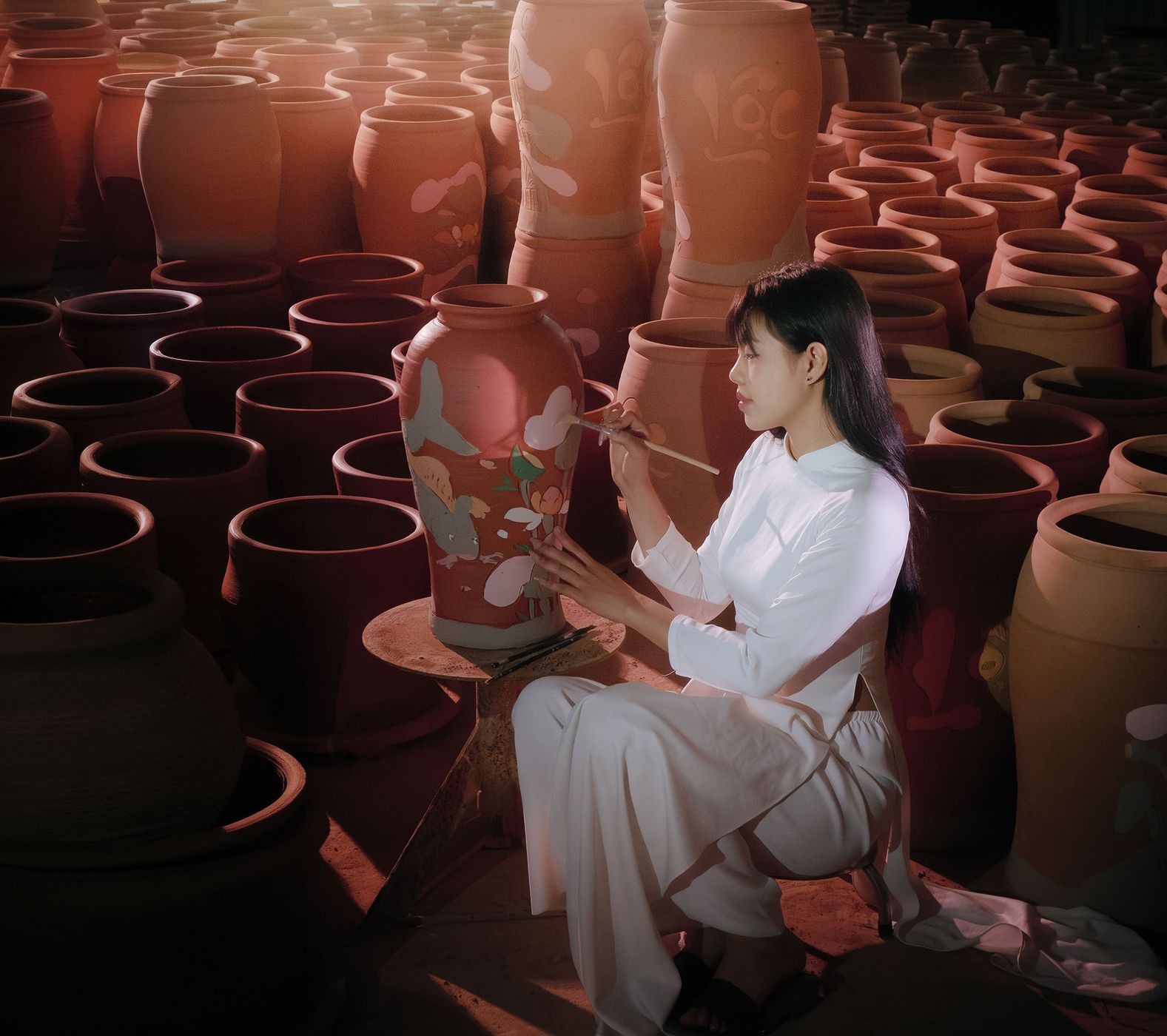
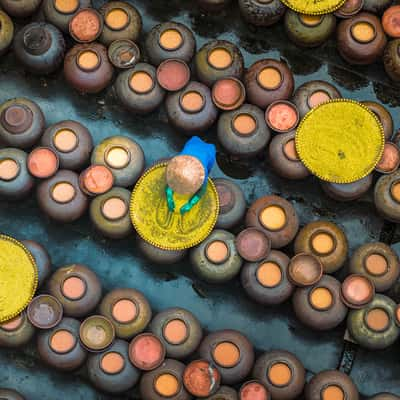
Situated along the tranquil Cau River in Que Vo District, Phu Lang is one of Northern Vietnam's most ancient and iconic pottery villages, famous for its unglazed terracotta and distinctive brown-yellow ash glaze pottery. Stepping into the village's traditional kilns and spacious drying workshops, photographers enter a cinematic world filled with hundreds of reddish-brown clay jars, urns, and intricate ceramic vases stacked neatly in rows.
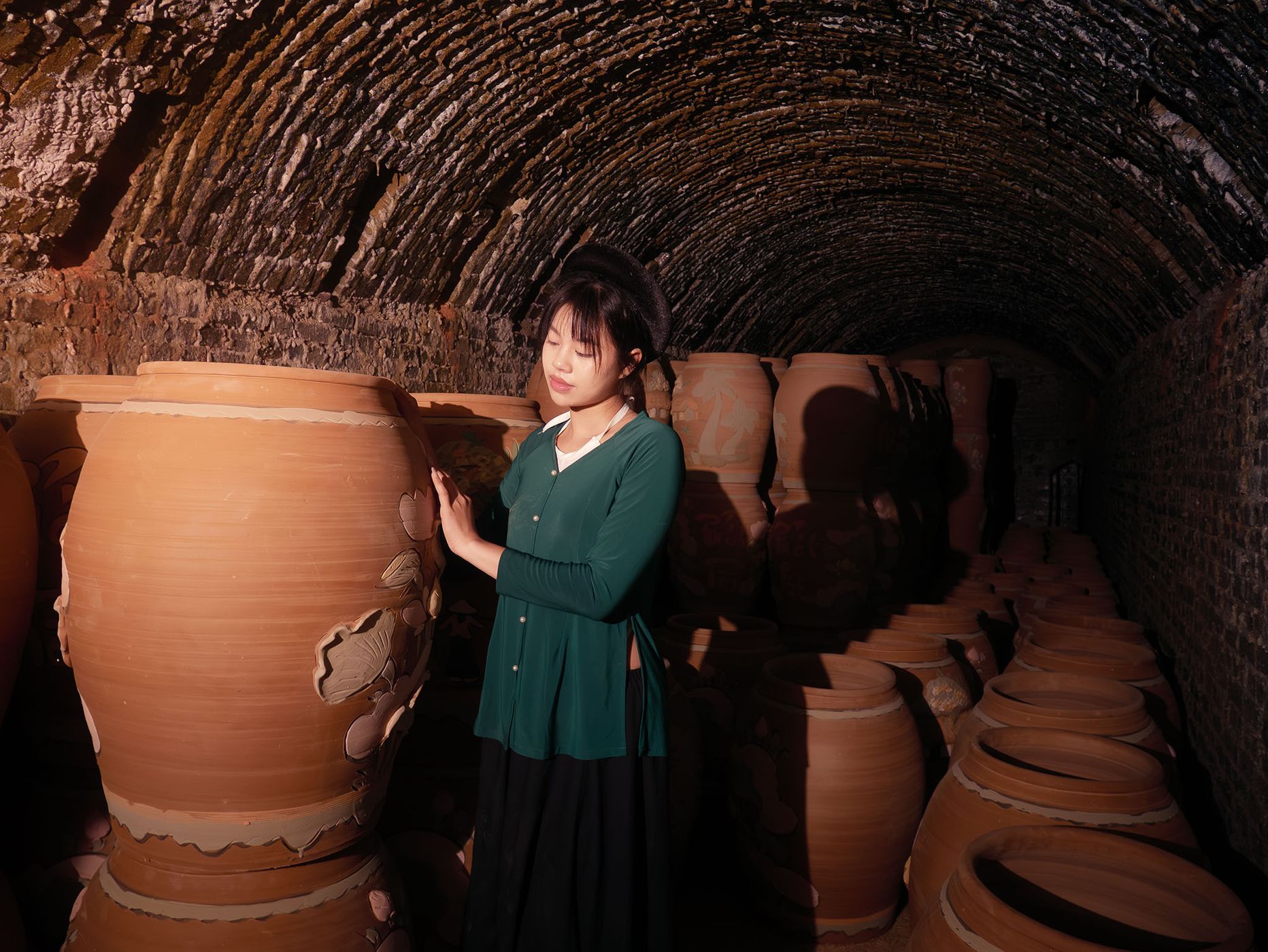
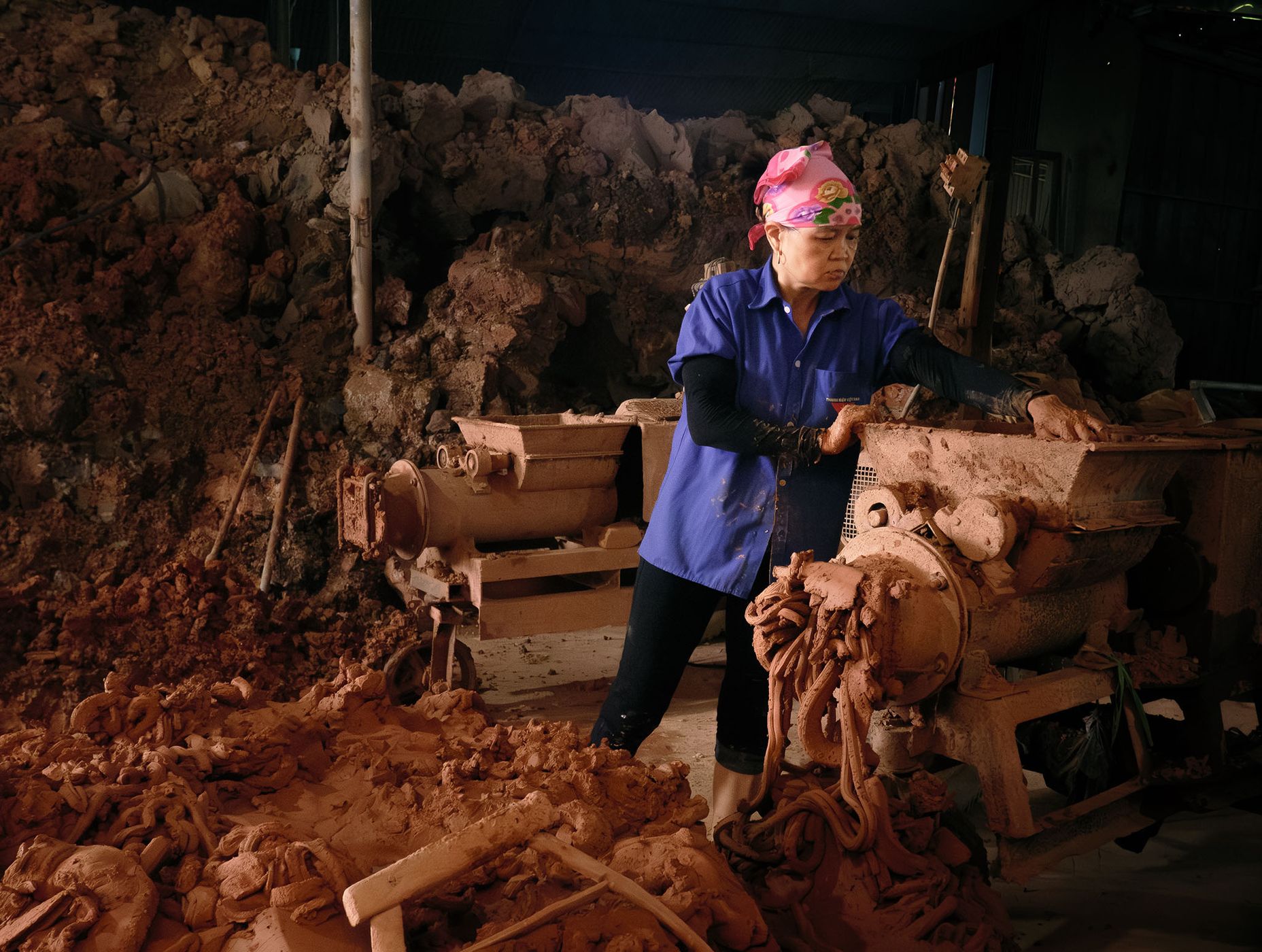
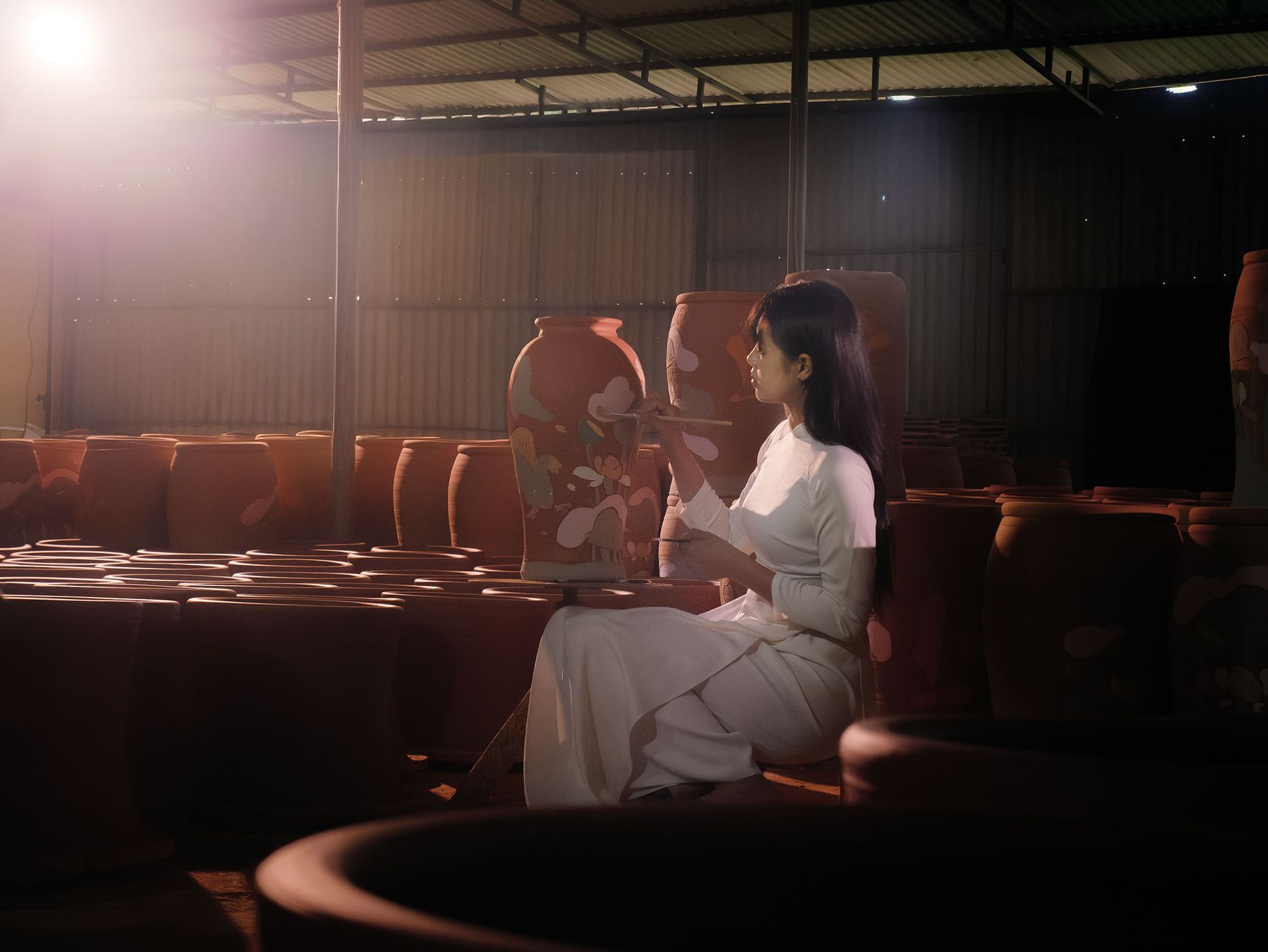
The location features dramatic, atmospheric environments: rustic arched brick kilns, clay preparation machinery, and dim indoor workshop spaces illuminated by warm, directional light shafts. Framing models wearing white Ao Dai or traditional folk attire while painting details or touching raw clay jars creates a deeply poetic, timeless aesthetic for fine-art portraiture, travel, and cultural documentary photography
The location features dramatic, atmospheric environments: rustic arched brick kilns, clay preparation machinery, and dim indoor workshop spaces illuminated by warm, directional light shafts. Framing models wearing white Ao Dai or traditional folk attire while painting details or touching raw clay jars creates a deeply poetic, timeless aesthetic for fine-art portraiture, travel, and cultural documentary photography
Photography Tips
Best Time: Daytime (8:30 AM – 4:30 PM). Indoor workshop setups benefit greatly from continuous warm video lights or off-camera flashes (strobe) to create low-key, dramatic light rays across the textured clay surfaces.
Best Gear: A full-frame camera body paired with a fast prime portrait lens (50mm or 85mm f/1.4 - f/1.8) or a versatile 24-70mm f/2.8 zoom lens. A fast lens is essential for handholding in low-light kiln tunnels and creating smooth background separation against surrounding ceramic urns.
Composition: Shoot from a low squatting angle to use the dark rims of foreground clay jars as a natural bottom frame, focusing on the subject sitting at a pottery wheel or painting a vase. In brick kilns, center the model along the curved tunnel vault to leverage strong leading lines and perspective depth.
Travel Information
Located in Phu Lang Commune, Que Vo District, approximately 45 km northeast of Hanoi City center and 10 km from Bac Ninh City. Easily accessible by car, taxi, or motorbike via National Route 18 (QL18).
Visitors can park motorbikes or cars along village roads, communal house grounds, or directly in front of major pottery workshops (e.g., Thieu Nhu Thi, Dung Ngoc) before walking in
Visitors can park motorbikes or cars along village roads, communal house grounds, or directly in front of major pottery workshops (e.g., Thieu Nhu Thi, Dung Ngoc) before walking in
Spot Type
Indoor
Crowd Factor
Just a few people
Best Timing
Daytime
Sunrise & Sunset
06:01 - 17:16
| current local time: 15:36
Photo Themes
Clay Sculpting
culture
portrait
Pottery Kiln
Terra Cotta Jars




Spot comments (0)