

86 Photo Spots in Wallis

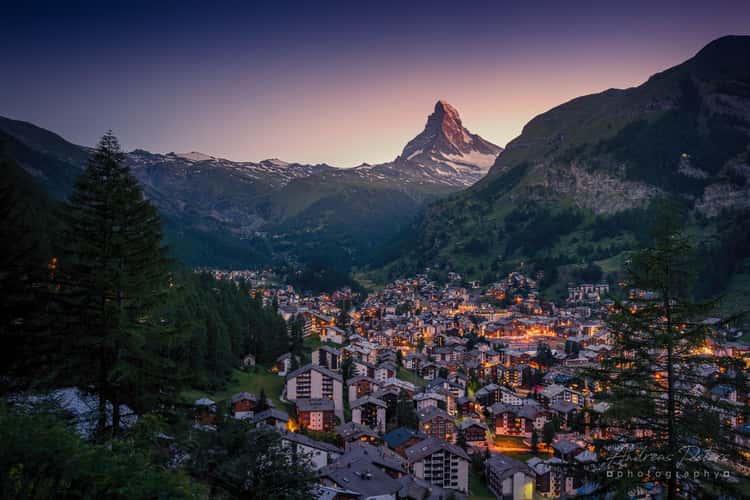
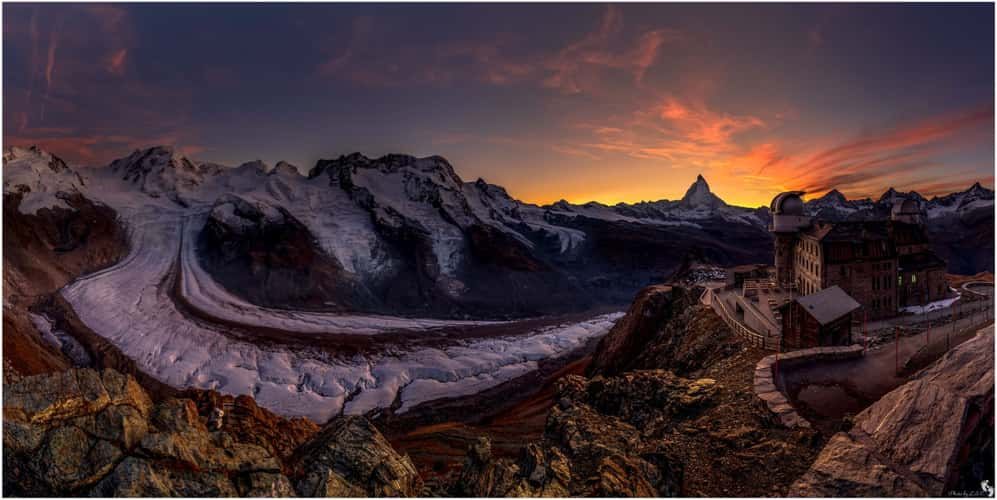
Wallis is a majestic alpine region in Switzerland featuring the world-famous Matterhorn and the largest glacier in the Alps. It provides photographers with a stunning diversity of subjects ranging from jagged 4,000-meter peaks to lush vineyards and ancient stone villages.

latest contributors
Matt Wild Marcelo Aguilar Eric Klaus L. Oberchecker

Tips for your trip to Wallis

About the location

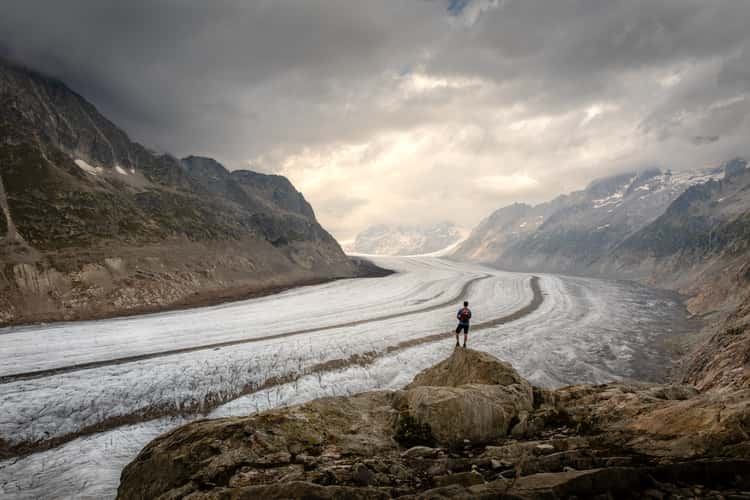
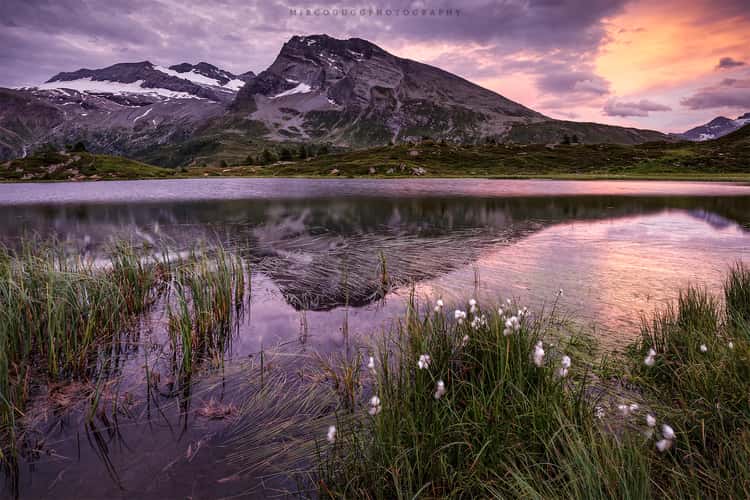
The heart of the region is the Rhone Valley, which is flanked by some of the highest mountains in Europe, creating a landscape of immense scale and verticality. For landscape photographers, the Aletsch Glacier offers a unique opportunity to capture the raw power of ice, while high-altitude lakes like the Riffelsee reflect the surrounding peaks in perfectly still water during the early morning hours. Beyond the natural wonders, the region is dotted with historic villages like Grimentz and Saas-Fee, where sun-blackened wooden houses and narrow alleys offer a glimpse into traditional Swiss life. This combination of accessible high-alpine terrain and rich cultural heritage makes it one of the most productive regions for photography in the world.


Best timing

The most iconic time for photography in Wallis is during late October when the larch forests turn a vibrant, burning gold, creating a spectacular contrast against the blue sky and snow-dusted peaks. This period offers a unique color palette that is rarely found elsewhere in the Alps.

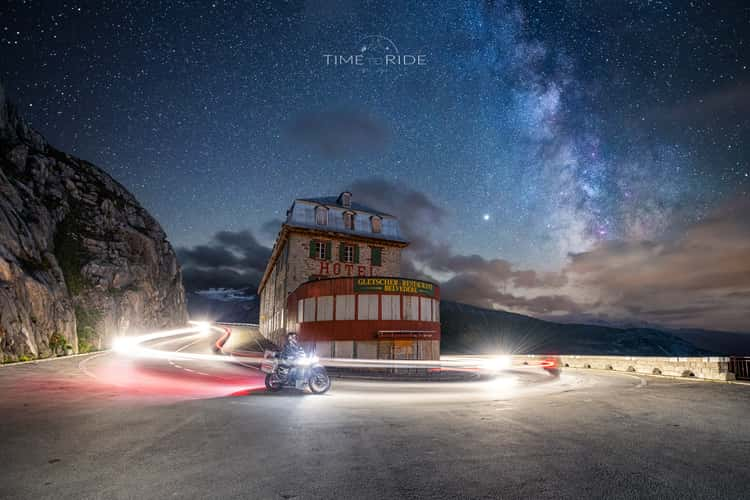
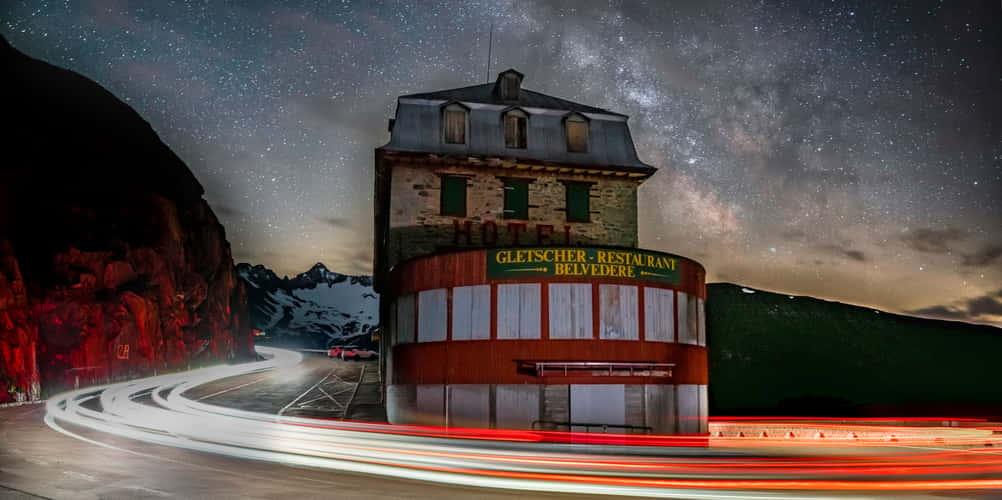
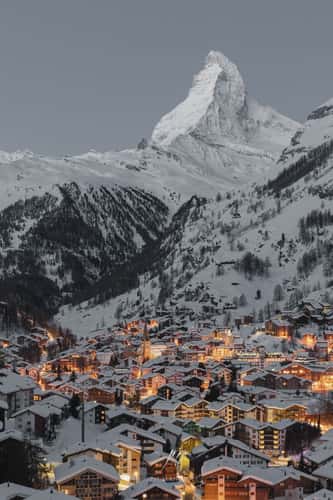
Winter provides a classic snowy wonderland atmosphere, ideal for long exposures of frozen waterfalls and night shots of illuminated mountain villages. In contrast, the summer months are best for capturing the Milky Way over high-alpine huts and hiking to remote viewpoints that are inaccessible during the rest of the year.

Traveling

Wallis is excellently connected via the Swiss Federal Railways (SBB), with high-speed connections from Zurich and Geneva to the main hubs of Visp and Brig. From these hubs, narrow-gauge railways and the extensive PostBus network reach almost every mountain valley. While cars are useful for exploring the more remote side valleys, many of the premier photography destinations like Zermatt, Saas-Fee, and Bettmeralp are strictly car-free. Photographers traveling by car should be prepared to use large parking facilities at the base of these mountains and continue their journey by train or cable car. A regional travel pass, such as the Swiss Travel Pass, is highly recommended to manage the cost of the frequent cable car and mountain railway trips needed to reach the best viewpoints.

Photography tips for Wallis

To capture the true scale of the landscape, a telephoto lens (70-200mm) is just as important as a wide-angle, as it allows you to pick out textures in the glaciers and compress the layers of distant peaks. For the best light on the Matterhorn, stay overnight in Zermatt and head to Stellisee or Riffelsee before dawn to catch the 'Alpenglow' reflecting in the water. Use a circular polarizer to cut through the haze and enhance the saturation of the deep blue alpine skies and turquoise glacial lakes. Additionally, consider bringing a sturdy tripod for astrophotography, as the high-altitude air and lack of light pollution in the side valleys provide some of the clearest night skies in Europe.

Other languages

Here is how Wallis is called in other languages:
CS Valais DE Wallis EL Βαλαί ES Valais FI Valais FR Valais HI वैलिस HR Valais IS Wallis IT Vallese JA ヴァレー州 NL Wallis NO Valais PL Valais PT Valais RU Вале SV Valais TR Valais ZH 瓦莱州

Imprint & Contact © Locationscout 2026 Privacy / Terms