

349 Photo Spots in the Austrian Alps

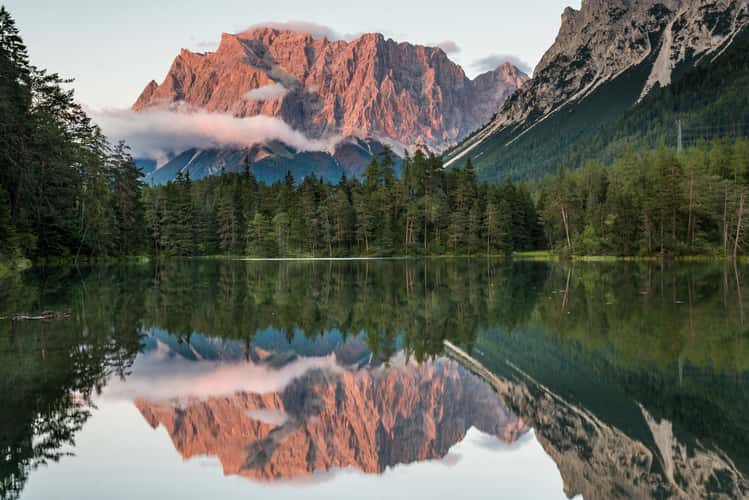
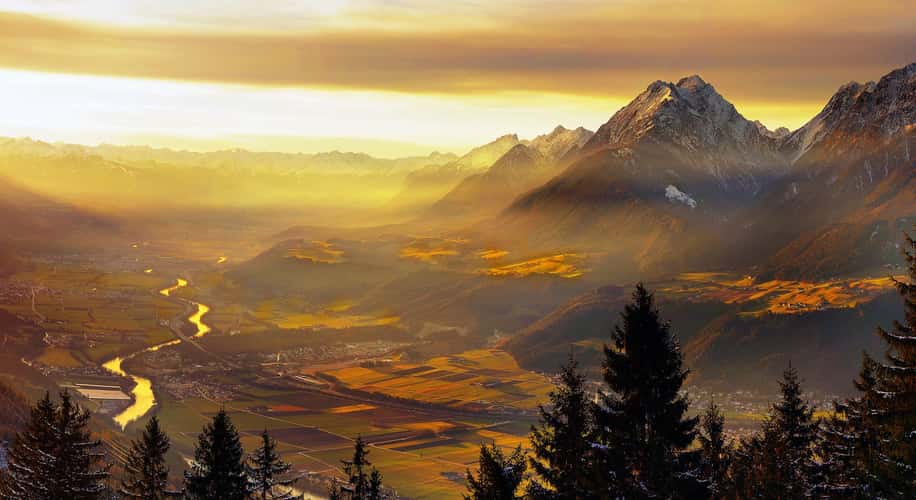
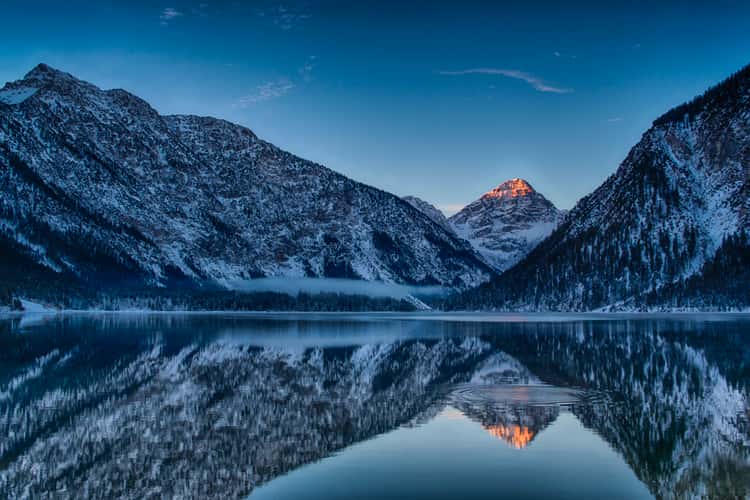
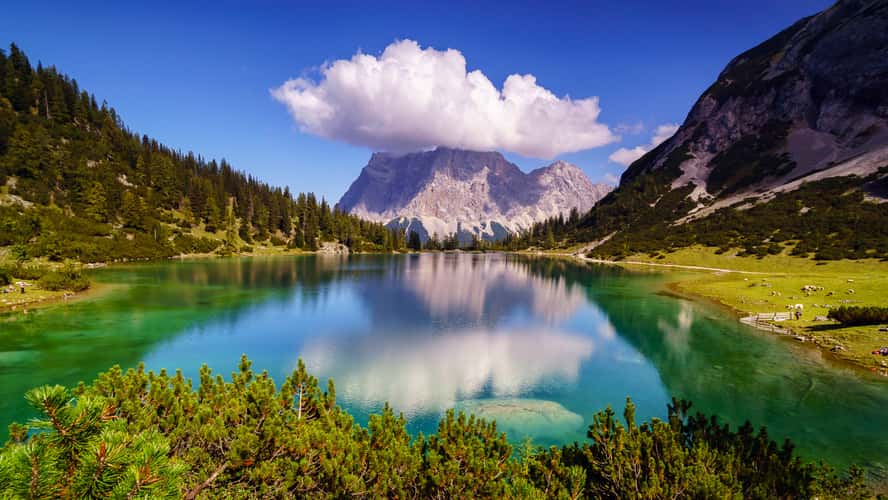
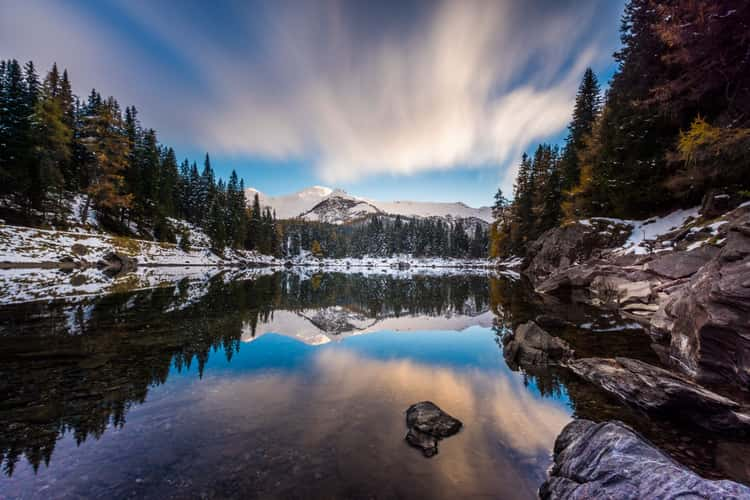
The Austrian Alps offer a stunning tapestry of dramatic jagged peaks, emerald-green valleys, and crystalline alpine lakes that define European mountain scenery. This region is a photographer's paradise, providing endless opportunities to capture the interplay of light and shadow across iconic massifs and traditional Tyrolean villages.

latest contributors
Paul Matt Marie Levillain Reto Kurmann Rudolf Zoechling GeraldMcBird

Tips for your trip to Austrian Alps

About the location

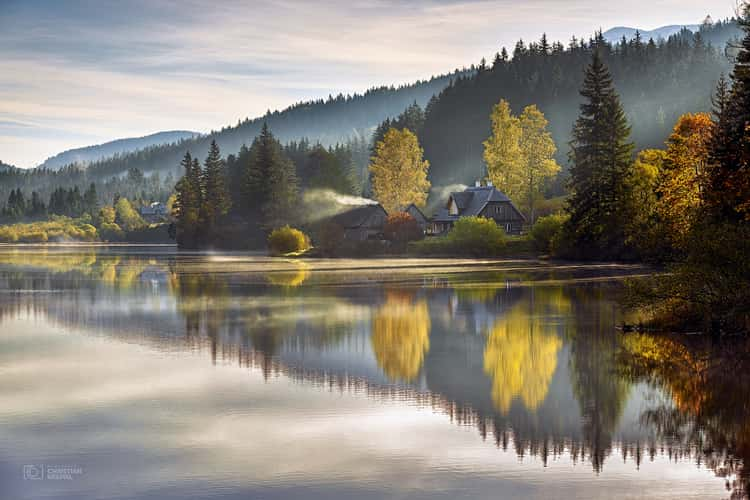
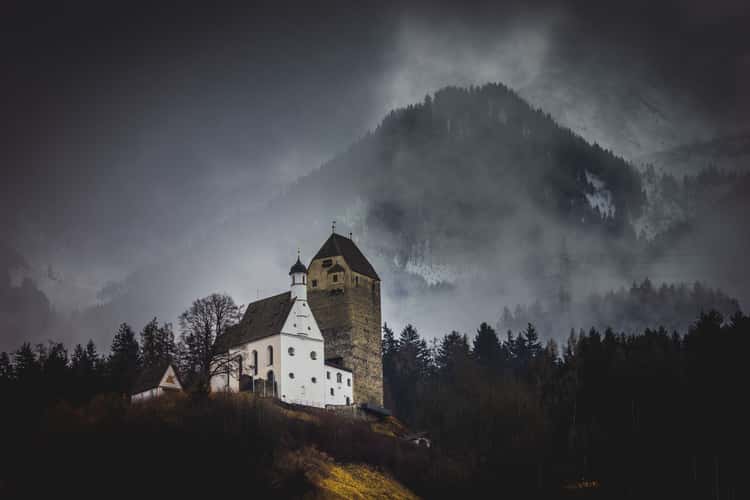
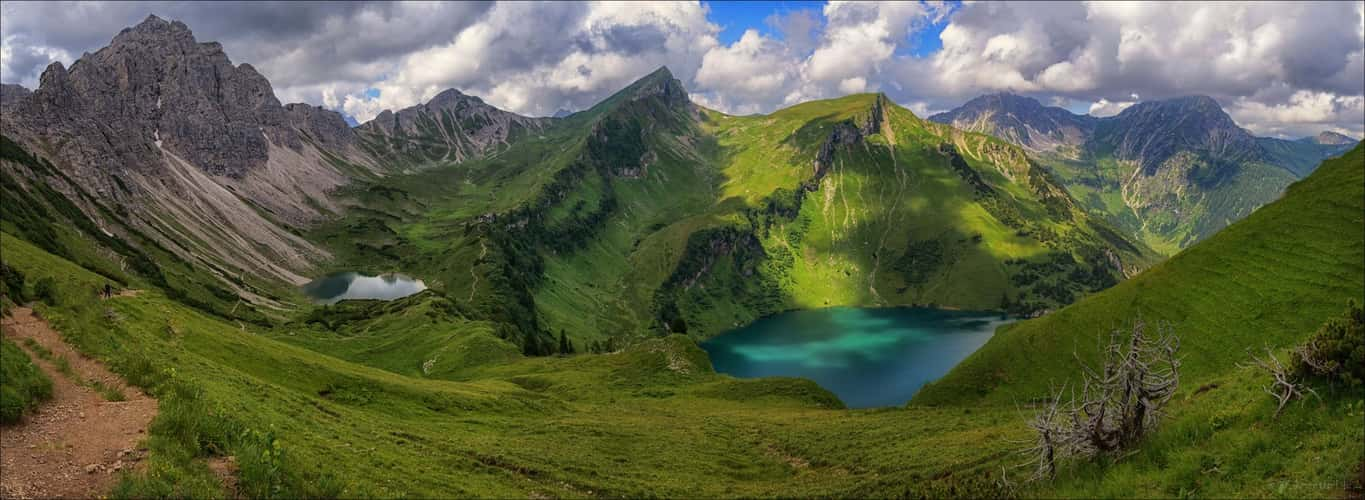
From the high-altitude glaciers of the Hohe Tauern to the mirror-like surfaces of Hallstätter See, the diversity of landscapes is immense. Photographers are drawn to the rugged textures of the limestone Alps and the lush, wildflower-filled meadows that appear in spring. The region is also dotted with historic architecture, ranging from mountaintop chapels to medieval fortresses, offering compelling foreground elements for wide-angle landscape shots. The combination of dramatic nature and well-preserved cultural heritage makes it a unique destination for both landscape and architectural photography.

Best timing

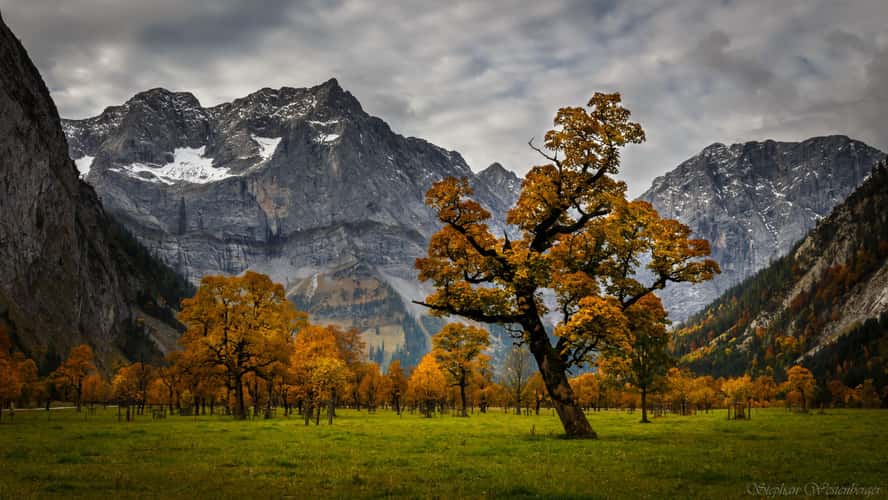
Autumn is arguably the best time for photography, specifically late September to October, when the larch trees turn golden and the air is exceptionally clear. This season provides stable weather and beautiful color contrast against the grey rock and blue skies.

Winter also offers a magical atmosphere with heavy snow blankets and "blue hour" opportunities in illuminated alpine towns like Kitzbühel or Lech. However, photographers should be aware that many high-altitude passes and trails are closed or require specialized gear during this time.

Traveling

Access is easiest via major hubs like Innsbruck, Salzburg, or Munich, which provide excellent train and road connections into the heart of the mountains. A rental car is highly recommended for photographers needing to reach remote trailheads or chase sunrise light, as it provides the necessary flexibility for changing weather conditions.

The Austrian Federal Railways (ÖBB) and local bus networks are very efficient for traveling between major towns, but reaching specific viewpoints often requires local cable cars or hiking. Be aware that many high-mountain roads, such as the Grossglockner High Alpine Road, are toll roads and are only open seasonally from May to October.

Photography tips for Austrian Alps

A wide-angle lens is essential for capturing the scale of the peaks, but a telephoto lens (70-200mm or longer) is equally important for isolating textures in the rock faces or capturing compressed views of distant villages. Polarizing filters are invaluable for managing reflections on alpine lakes and enhancing the deep blue of the high-altitude sky.

Early morning and late evening provide the best light, as the high peaks can create harsh, unappealing shadows during the midday sun. Consider using a sturdy tripod for long exposures of waterfalls or for shooting during the dawn and dusk hours when the light is most dramatic. Don't overlook the interior of small wooden huts and mountain chapels for intimate cultural details that tell the story of the region.

Other languages

Here is how Austrian Alps is called in other languages:
CS Rakouské Alpy DE Österreichische Alpen EL Αυστριακές Άλπεις ES Alpes austríacos FI Itävallan Alpit FR Alpes autrichiennes HI ऑस्ट्रियाई आल्प्स HR Austrijske Alpe IS Austurrísku Alpafjöllin IT Alpi austriache JA オーストリア・アルプス NL Oostenrijkse Alpen NO Østerrikske Alper PL Alpy Austriackie PT Alpes austríacos RU Австрийские Альпы SV Österrikiska Alperna TR Avusturya Alpleri ZH 奥地利阿尔卑斯山

Imprint & Contact © Locationscout 2026 Privacy / Terms