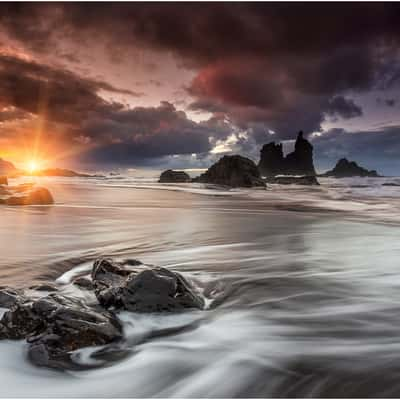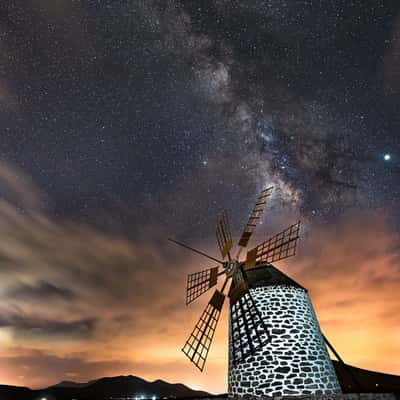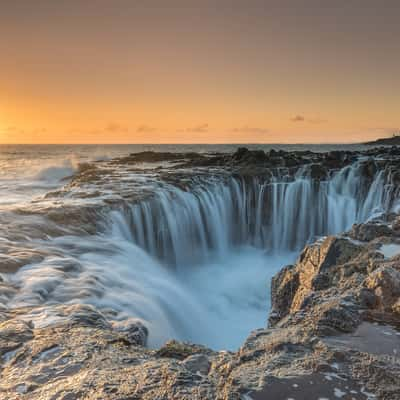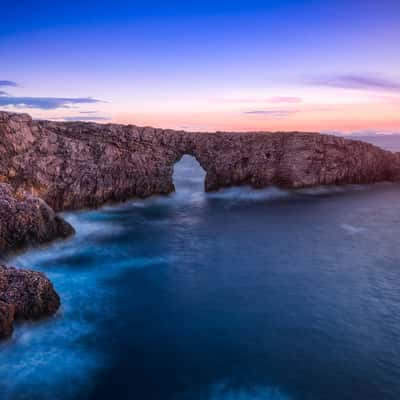
234 Photo Spots on Mallorca

Mallorca (or Majorca) is the largest island of the Balearic Islands, located in the Mediterranean Sea. The island is a very popular holiday destination for european countries like Germany or the United Kingdom, especially because of the countless beautiful beaches, sunny warm weather and a relatively short travel time. Nonetheless Mallorca also offers many great places for photographers, particularly near the ocean.

latest contributors
david de la chapelle Sebastian Grafe Lev Levin Jimmy Vinueza Kevin Maschke

Tips for your trip to Mallorca

Best timing

The ideal time for photographers to visit Mallorca is during the spring from late February to May or during the autumn months of September and October. In spring, the island is lush and green, and the almond blossoms in February and March create a stunning white and pink landscape. The light is soft, and the temperatures are comfortable for hiking to remote coastal viewpoints without the harsh heat of summer. Autumn offers a different palette with warmer tones and occasional dramatic storm clouds over the Mediterranean, which are perfect for long-exposure photography. During these shoulder seasons, you successfully avoid the intense midday sun and the overwhelming crowds of the summer months, allowing for cleaner shots of popular landmarks like the Palma Cathedral. The golden hour is particularly long and beautiful during these periods, providing ample opportunity for high-quality landscape work along the rugged Serra de Tramuntana mountain range.
Traveling

Mallorca is most easily reached by flying into Palma de Mallorca Airport (PMI), which has frequent connections to major European hubs. While public transport and taxis are available within the city of Palma, renting a car is absolutely essential for photographers who need to reach remote calas, mountain viewpoints, or specific sunrise locations before dawn. Parking in Palma can be difficult and expensive, so it is best to use designated underground garages; however, in rural areas and near hiking trailheads, parking is generally more accessible, though spots fill up early in peak seasons. The road network across the island is excellent, but photographers should be prepared for narrow, winding mountain passes like the famous Sa Calobra road. When scouting, always check for local parking restrictions near popular beaches to avoid heavy fines.

Photography tips for Mallorca

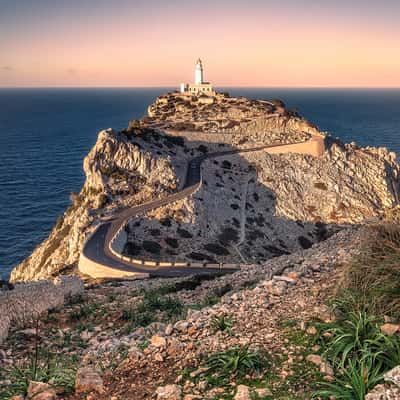
Focus your lens on the Serra de Tramuntana, a UNESCO World Heritage site, for dramatic mountain vistas and ancient stone villages like Valldemossa and Deia. For iconic coastal shots, head to Cap de Formentor at sunrise or sunset to capture the lighthouse perched against the sheer cliffs (don't make the mistake of going there during the day in the main season!).

Use a circular polarizer to cut through reflections and enhance the vibrant turquoise color of the Mediterranean water in spots like Cala Llombards or Cala Pi. For architectural interest, the Palma Cathedral (La Seu) offers incredible interior light play, especially during the 'spectacle of the eight' in February and November. Bring a sturdy tripod for long exposures of the rocky coastline and a wide-angle lens to capture the scale of the limestone cliffs. Additionally, do not overlook the island's interior for authentic shots of historic windmills and rolling agricultural fields.

Other languages

Here is how Mallorca is called in other languages:
CS Mallorca DE Mallorca EL Μαγιόρκα ES Mallorca FI Mallorca FR Majorque HI मैलोर्का HR Mallorca IS Mallorca IT Maiorca JA マヨルカ島 NL Mallorca NO Mallorca PL Majorka PT Maiorca RU Майорка SV Mallorca TR Mayorka ZH 马略卡岛

Imprint & Contact © Locationscout 2026 Privacy / Terms