



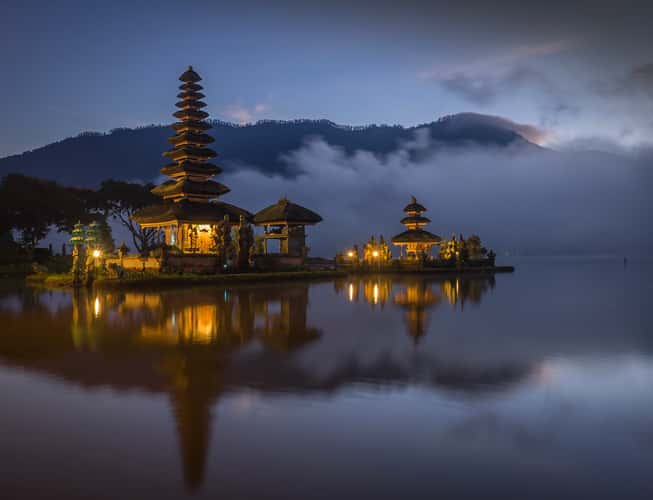
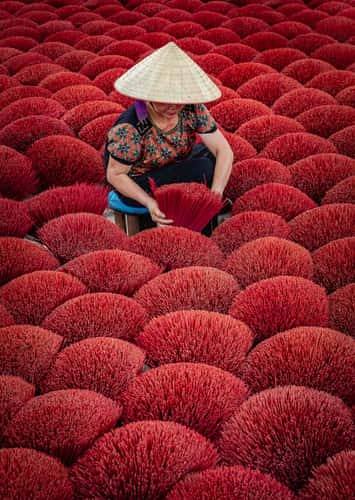
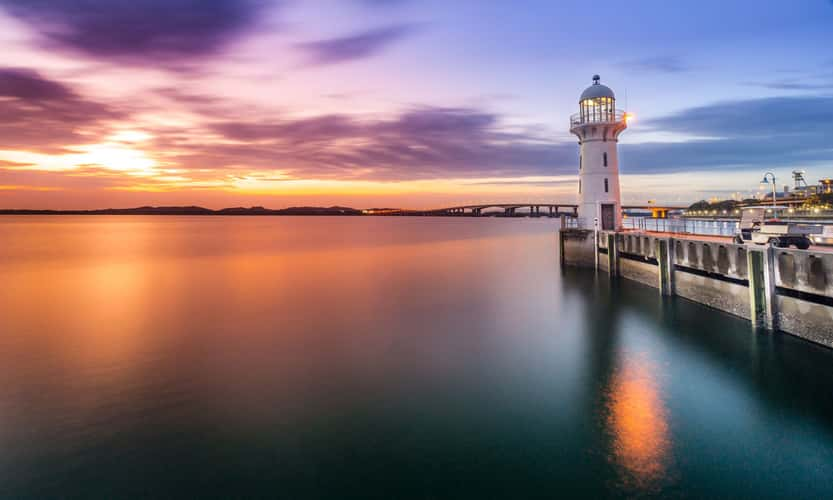
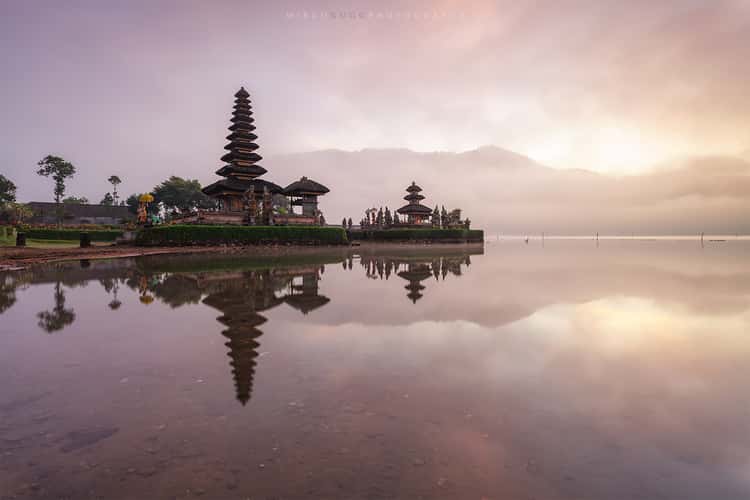
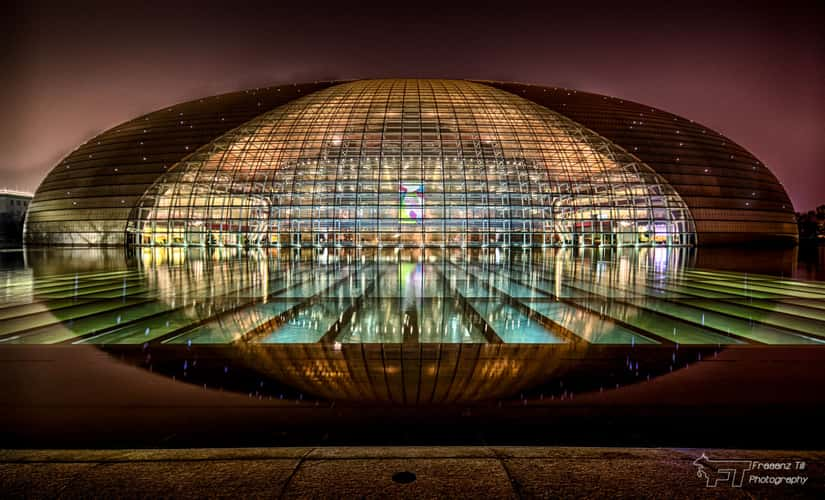
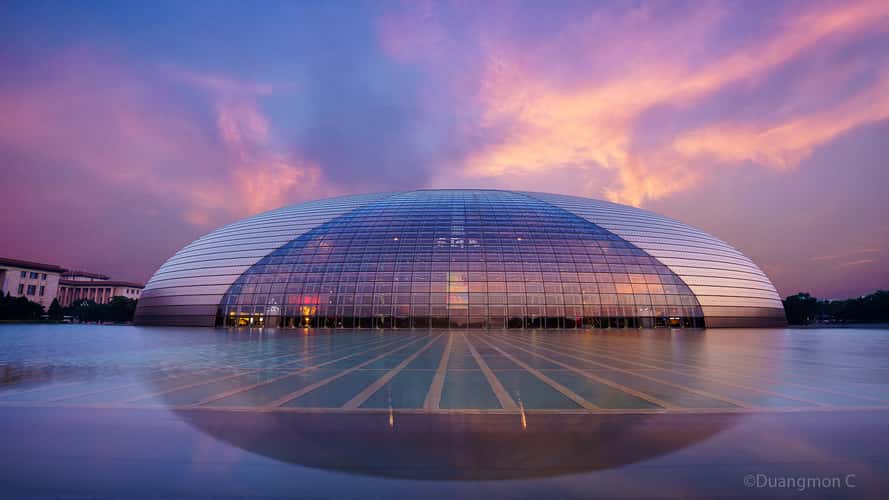
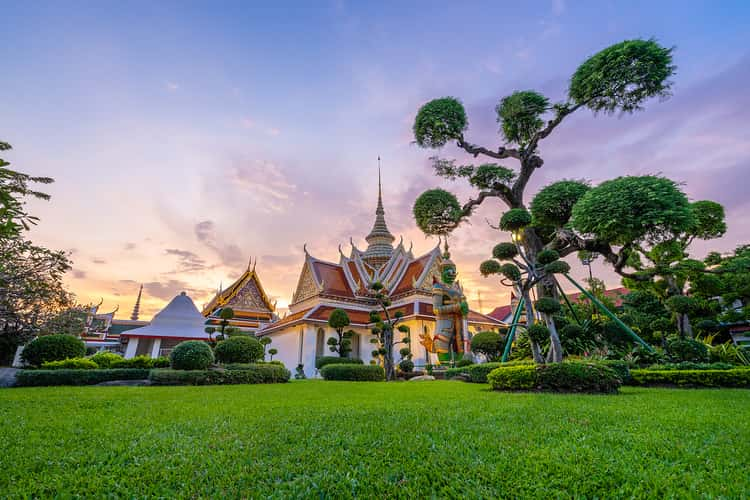
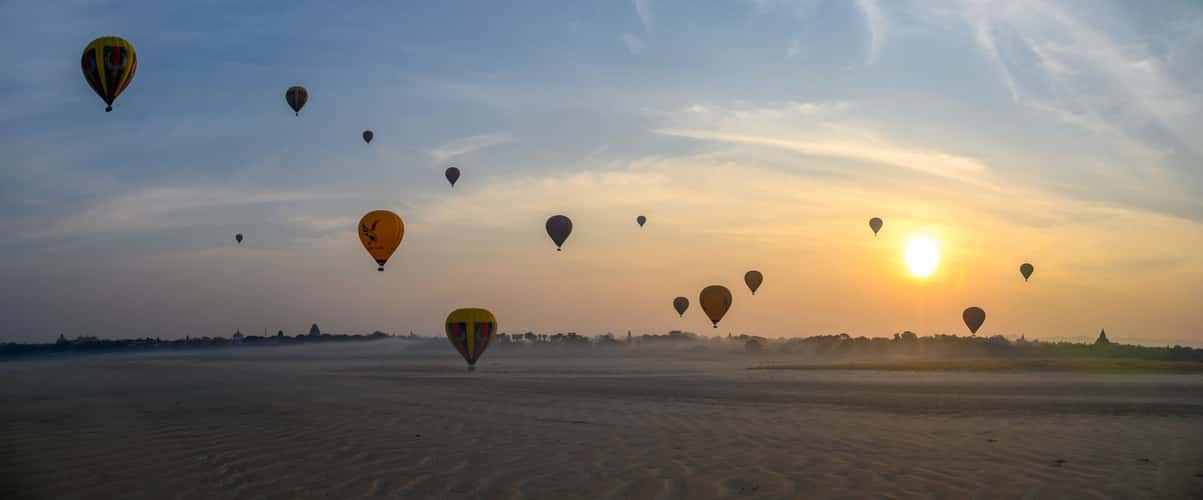
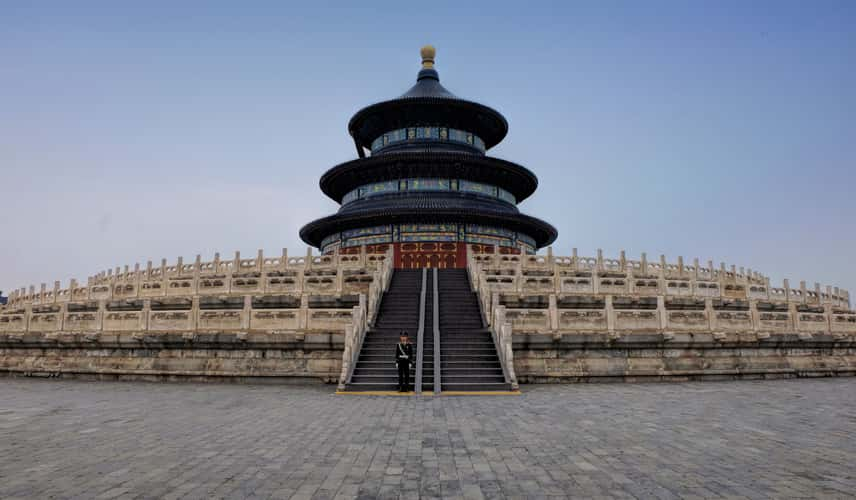
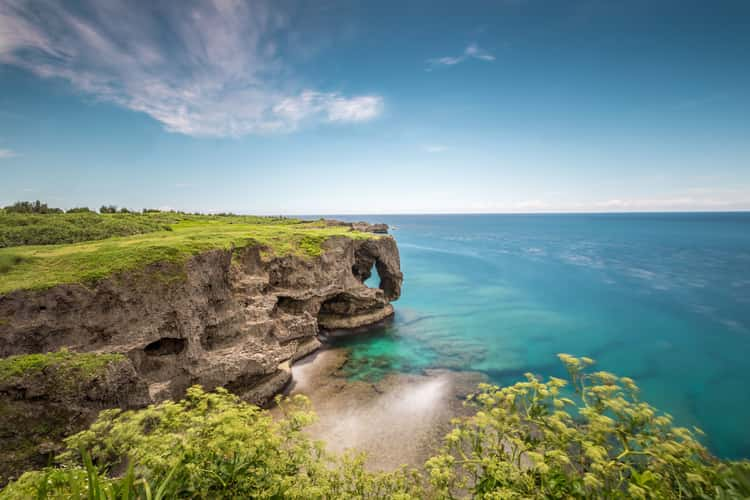
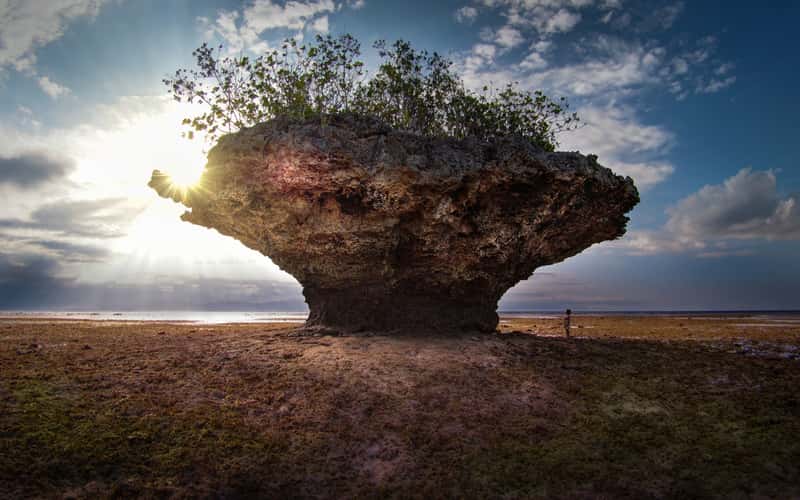
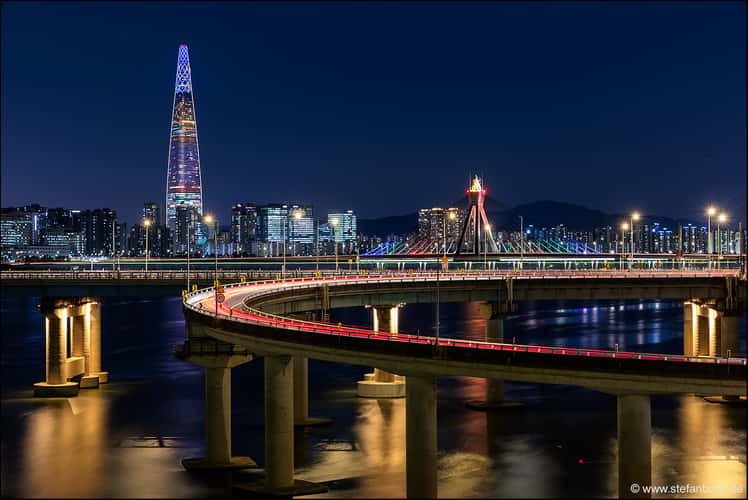
Asia offers an unparalleled diversity of visual stories, ranging from the neon-lit streets of Tokyo to the tranquil, ancient temples of Angkor Wat. Its vastness encompasses every imaginable landscape, providing photographers with a lifetime of subjects within a single continent.

latest contributors
Geza Kurka Touristic Photographer TERRY HARRISON Paul Harhen Till Vallée Stefan Bock

Tips for your trip to Asia

About the location

The sheer variety of cultures and environments makes Asia a bucket-list destination for any visual artist. You can capture the futuristic architecture of Singapore's skyline one day and the rugged, snow-capped peaks of the Himalayas the next. The interplay between tradition and modernity is a recurring theme, visible in the contrast between rural villages and sprawling megacities.

Light in Asia is equally diverse, from the hazy, atmospheric humidity of Southeast Asian jungles to the crisp, high-altitude clarity of the Tibetan Plateau. Photographers are drawn to the vibrant festivals, colorful street markets, and the incredible hospitality of its people, which often leads to intimate portrait opportunities.


Best timing

Given the continent's size, the best time depends heavily on the specific sub-region, but generally, spring (March to May) and autumn (September to November) offer the most stable weather across many countries. These periods avoid the extreme heat of summer and the peak of the monsoon rains in the south, while providing beautiful foliage or blossoms in temperate zones.

For those targeting specific events, late March is ideal for cherry blossoms in Japan, while the dry season from November to February is best for exploring the tropical landscapes of Southeast Asia. Always check local climate patterns, as the monsoon can significantly impact accessibility and light conditions.

Traveling

Accessing Asia is typically done through major international aviation hubs like Singapore Changi, Tokyo Narita, Hong Kong International, or Dubai. Once within the continent, travel methods vary significantly by region; East Asia boasts world-class high-speed rail networks, while Southeast Asia often relies on budget airlines, buses, or ferries. In major cities, public transport is usually excellent and the most efficient way to reach photography spots. For remote areas, hiring a local driver or renting a motorbike is common, though photographers should be aware of varying road safety standards and local permit requirements for certain regions.

Photography tips for Asia

To capture the essence of Asia, a versatile kit is essential, including a wide-angle lens for sweeping landscapes and architecture, and a fast prime lens for street photography. Respectful engagement is key when taking portraits; always ask for permission or use a longer focal length to remain unobtrusive in candid situations. Early morning visits to temples and markets provide the best light and allow you to avoid the largest crowds. Don't shy away from the blue hour in cities like Shanghai or Seoul, where the artificial lights create a spectacular, futuristic aesthetic. In humid climates, ensure you have weather-sealed gear and silica gel packs to protect your equipment from moisture.

Other languages

Here is how Asia is called in other languages:
CS Asie DE Asien EL Ασία ES Asia FI Aasia FR Asie HI एशिया HR Azija IS Asía IT Asia JA アジア NL Azië NO Asia PL Azja PT Ásia RU Азия SV Asien TR Asya ZH 亚洲

Imprint & Contact © Locationscout 2026 Privacy / Terms