


21 Photo Spots in the Elbsandsteingebirge

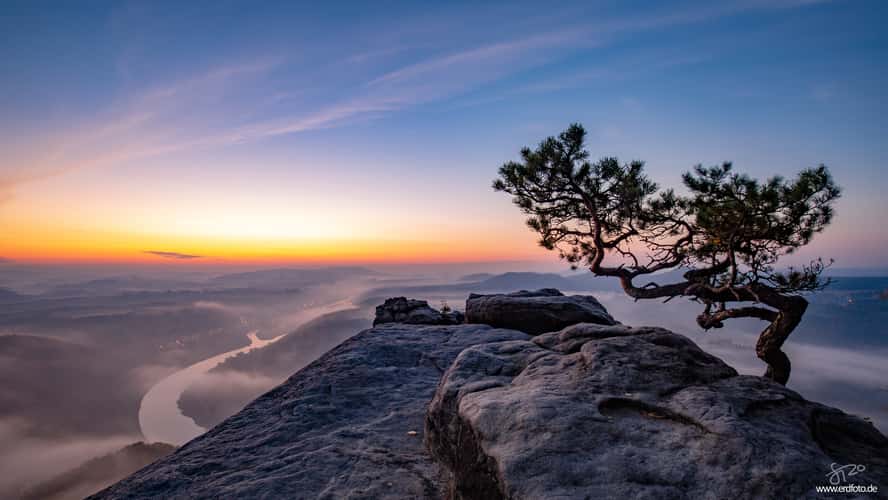
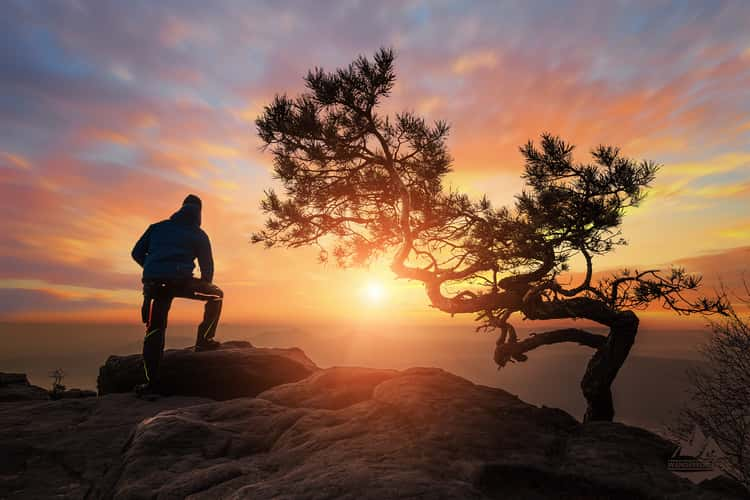
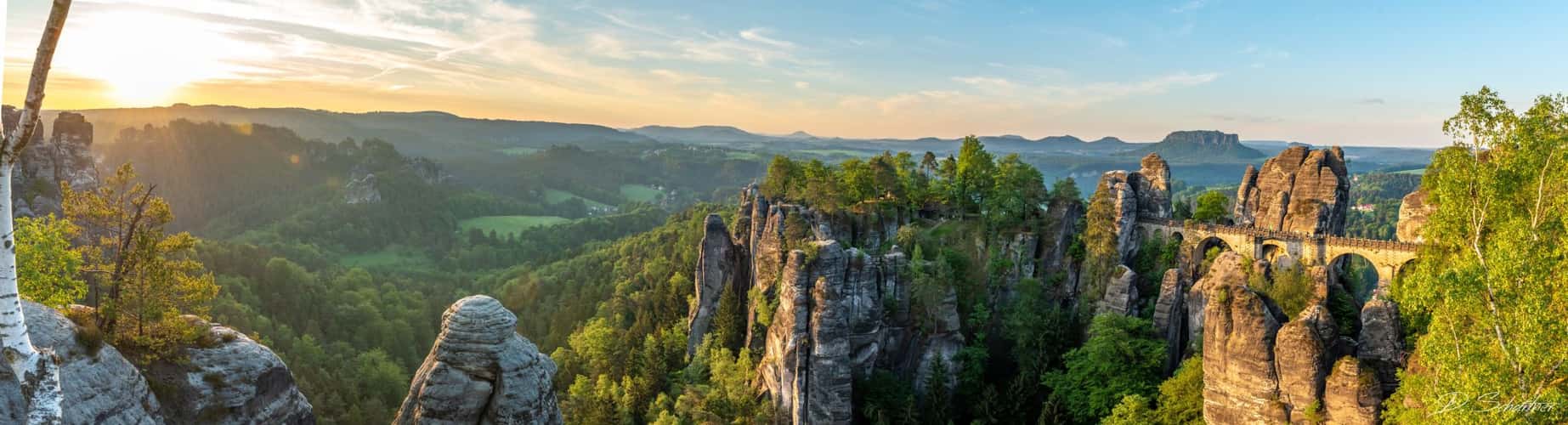
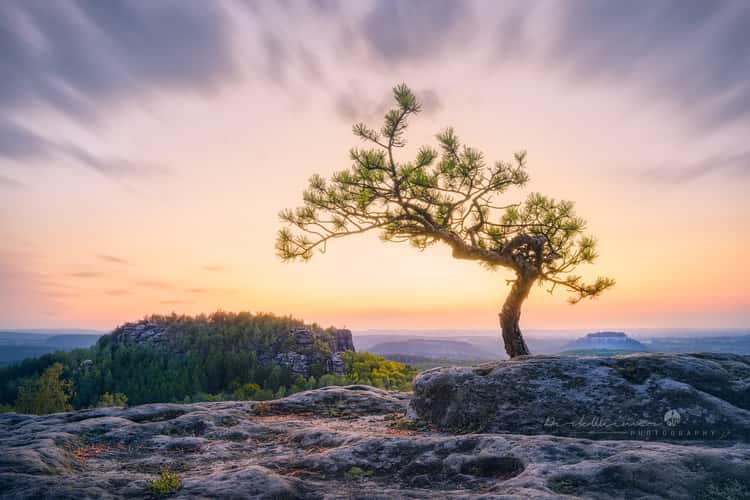
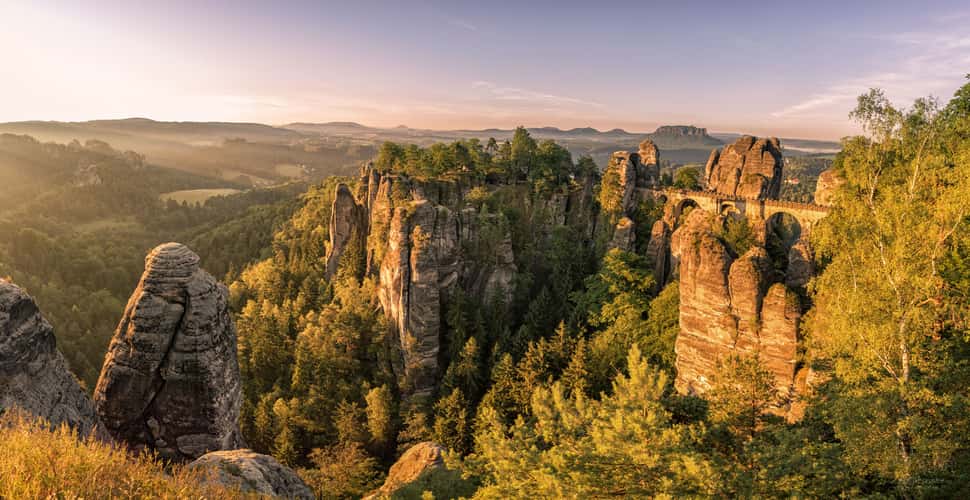
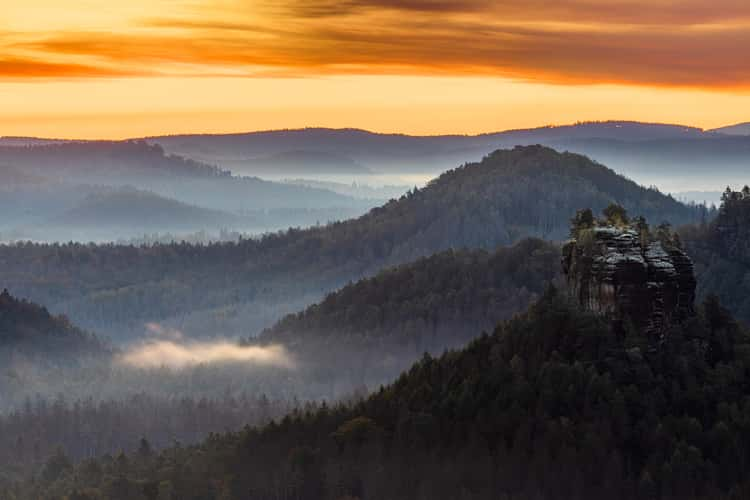
The Elbsandsteingebirge is a dramatic mountain range characterized by unique sandstone pillars, deep gorges, and mist-filled valleys that create a surreal, painterly atmosphere. Its most famous landmarks, like the Bastei Bridge and the Lilienstein, offer some of Europe's most spectacular landscape photography opportunities.

latest contributors
Eckhard Scheibler Thomas Hartmann Felix Hänold Mathias & Annika Koch Stefan Tiesing

Tips for your trip to Elbsandsteingebirge

About the location

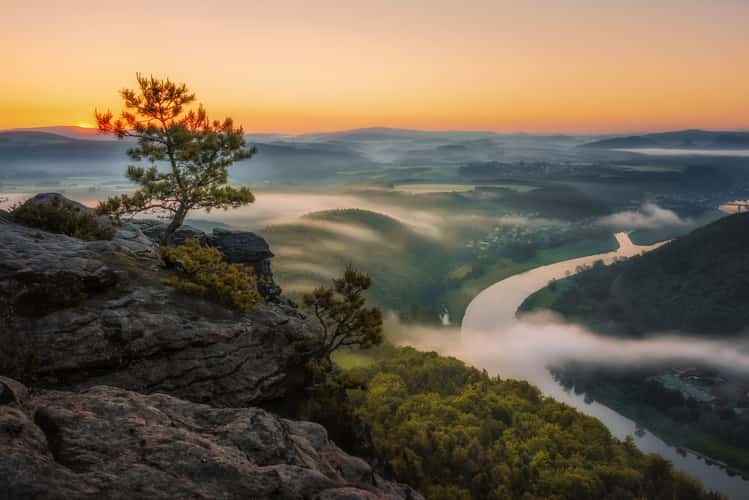
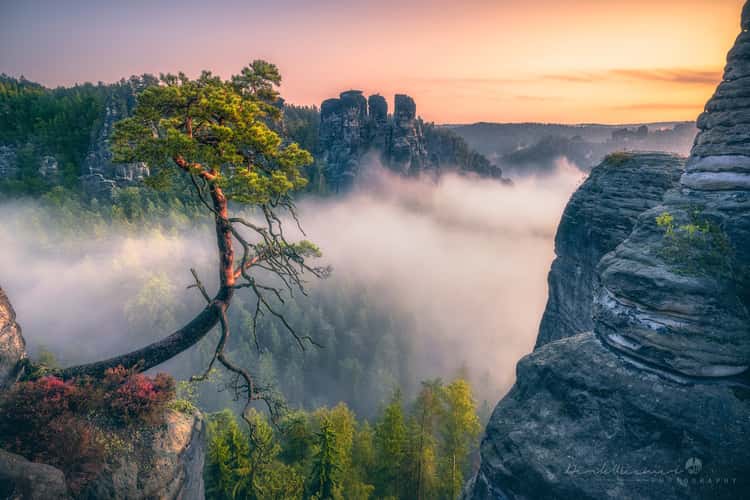
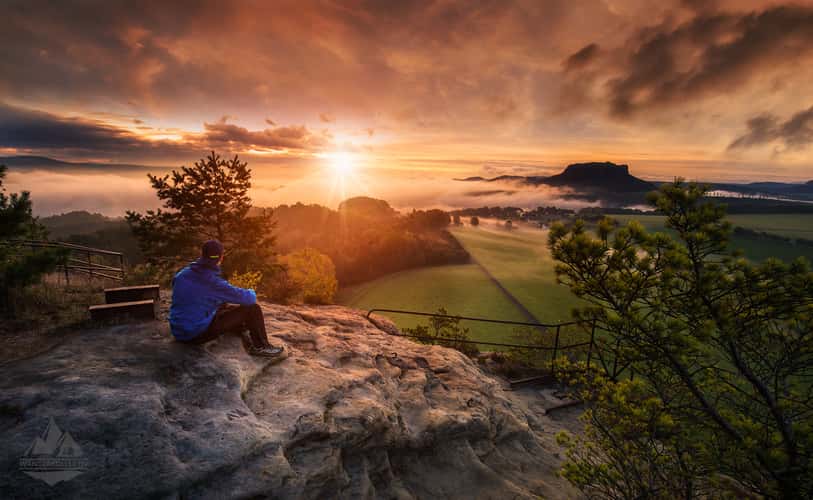
This region, straddling the border between Germany and the Czech Republic, is often referred to as Saxon Switzerland on the German side and Bohemian Switzerland on the Czech side. For photographers, the primary draw is the interaction between the vertical rock formations and the atmospheric weather conditions. The sandstone towers rise abruptly from the forest floor, often emerging from a blanket of morning fog that fills the Elbe valley.

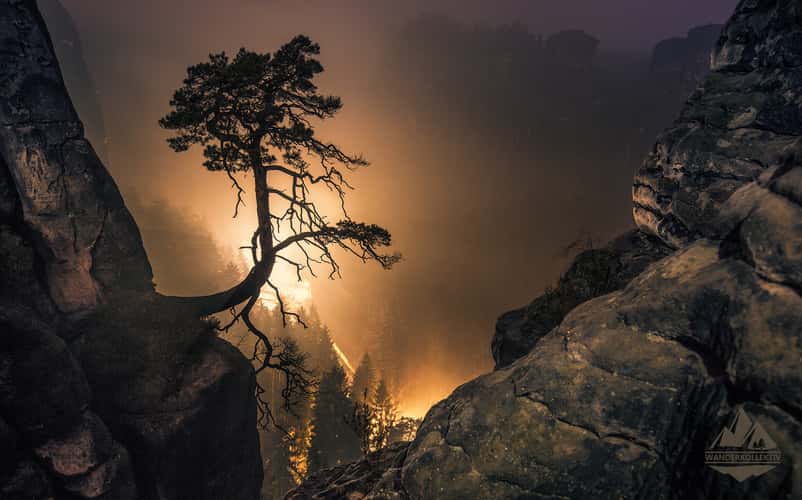
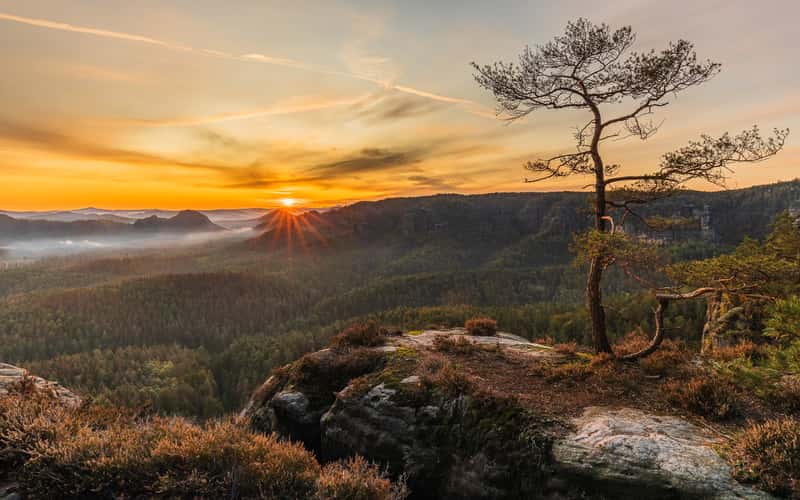
The play of light during the golden hour highlights the warm, orange tones of the sandstone, contrasting beautifully with the deep green of the pine forests. Many viewpoints are easily accessible via well-marked hiking trails, providing a variety of perspectives ranging from wide-angle vistas to intimate forest scenes and macro shots of the textured rock surfaces.


Best timing

The absolute best time for photography is during autumn, specifically October and November, when the deciduous trees turn vibrant shades of gold and red and the likelihood of ground fog is highest. Spring also offers fresh greenery and misty mornings, which are essential for capturing the mystical mood the region is known for.

Plan your shoots for sunrise and sunset to catch the low sun illuminating the rock faces and creating long, dramatic shadows. Mid-week visits are highly recommended to avoid the heavy crowds of hikers and tourists that flock to popular spots like the Bastei or Pravčická brána on weekends.

Traveling

To reach the Elbsandsteingebirge, the city of Dresden serves as the primary gateway, with frequent train connections to towns like Bad Schandau or Pirna. Once in the region, the S-Bahn (suburban train) runs along the Elbe river, providing easy access to many trailheads. While many popular spots have parking lots, they can fill up quickly during peak season, so arriving early is crucial. A car is beneficial for reaching more remote trailheads on both the German and Czech sides, but many photographers rely on the excellent public transport and extensive hiking network. Be prepared for steep climbs; sturdy hiking boots and a lightweight tripod are essential for reaching the best viewpoints.

Photography tips for Elbsandsteingebirge

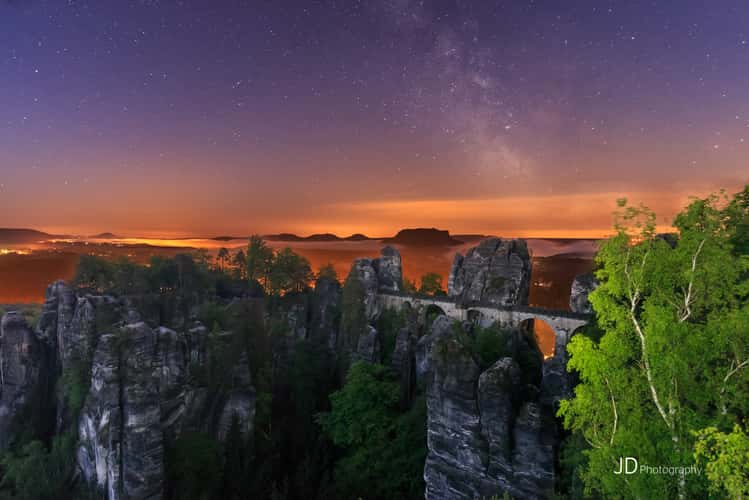
Focus on the classic viewpoints like the Bastei Bridge, but also explore the table mountains like Lilienstein and Königstein for panoramic views. Use a wide-angle lens to capture the vastness of the rock formations, but don't overlook a telephoto lens to compress the layers of pillars and fog. A circular polarizer is indispensable for enhancing the colors of the foliage and reducing glare on wet rocks. For the iconic sea of clouds look, monitor weather forecasts for high humidity and clear nights, and be at your chosen viewpoint at least 45 minutes before sunrise. Don't forget to explore the deep, mossy gorges like the Edmundsklamm for intimate forest and water photography.

Other languages

Here is how Elbsandsteingebirge is called in other languages:
CS Labské pískovce DE Elbsandsteingebirge EL Όρη από ψαμμίτη του Έλβα ES Montañas de Arenisca del Elba FI Elbsandsteingebirge FR Monts de grès de l'Elbe HI एल्बे सैंडस्टोन पर्वत HR Labsko pješčenjačko gorje IS Elbsandsteingebirge IT Monti di Elbsandstein JA エルベ砂岩山地 NL Elbezandsteengebergte NO Elbsandsteingebirge PL Góry Połabskie PT Montanhas de Arenito do Elba RU Эльбские Песчаниковые горы SV Elbsandsteingebirge TR Elbe Kumtaşı Dağları ZH 易北河砂岩山脉

Imprint & Contact © Locationscout 2026 Privacy / Terms