



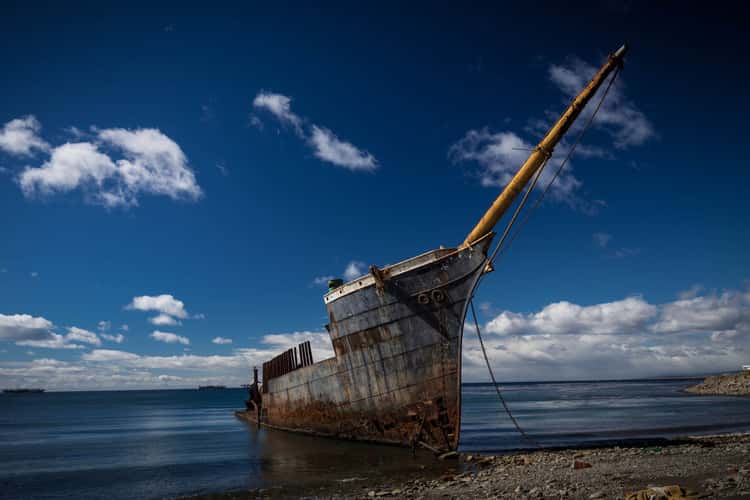
270 Photo Spots in Patagonia

Patagonia is a vast, untamed wilderness at the southern tip of South America, offering some of the most dramatic mountain landscapes and glacial vistas on Earth. Its unique combination of jagged granite peaks, turquoise lakes, and unpredictable weather creates a paradise for landscape photographers seeking raw, powerful imagery.

latest contributors
Heinz Hieke Philipp Raczek Marcelo Aguilar Maximilian Lehrke Chris Peters

Tips for your trip to Patagonia

About the location

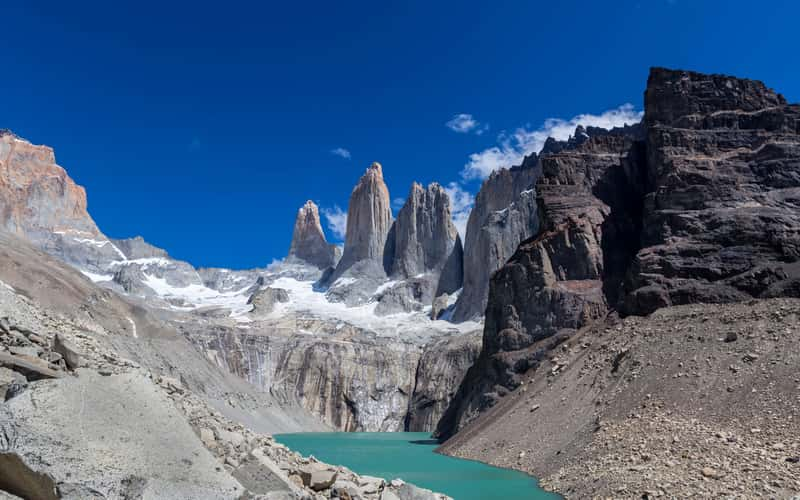
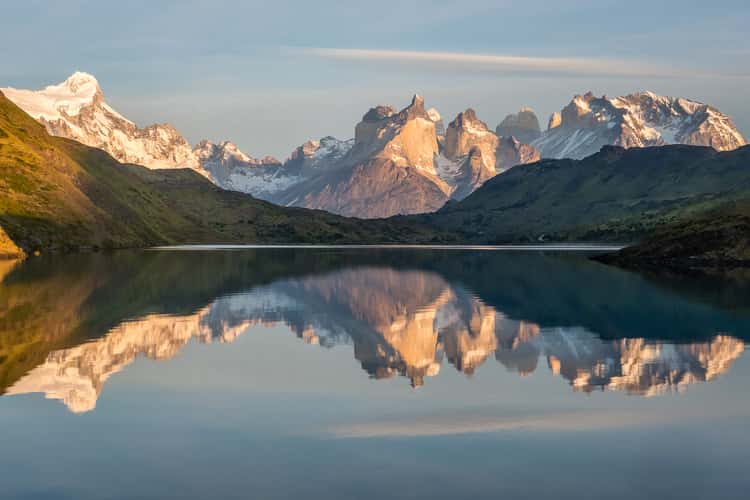
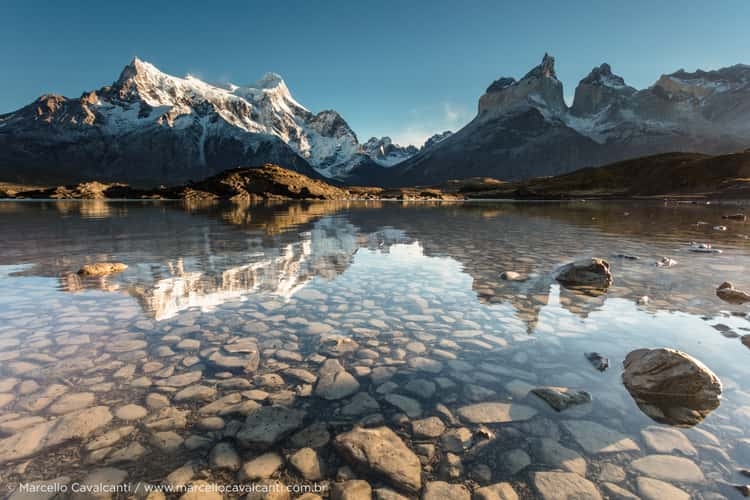
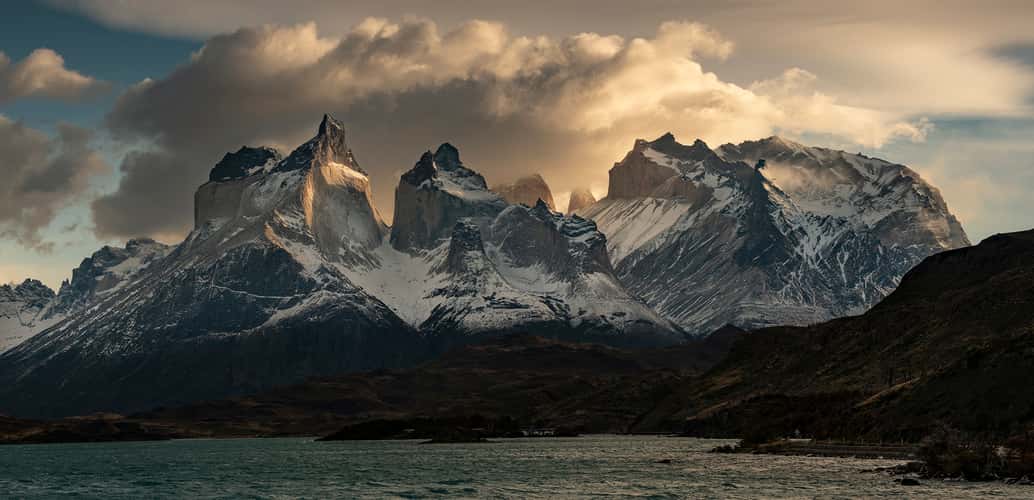
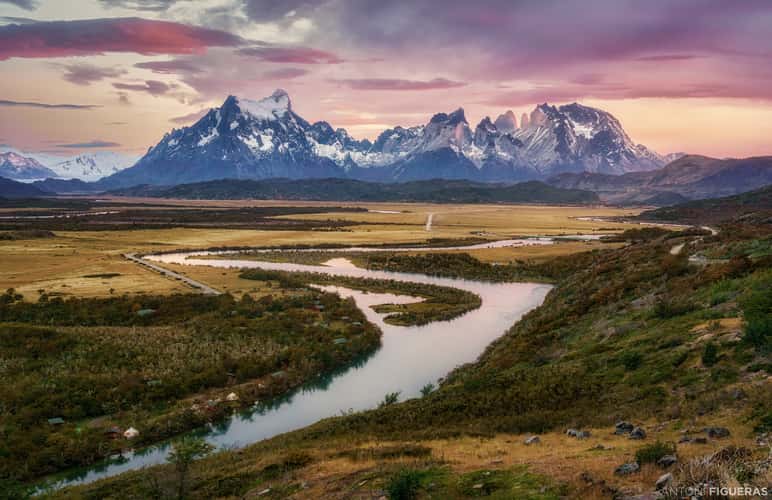
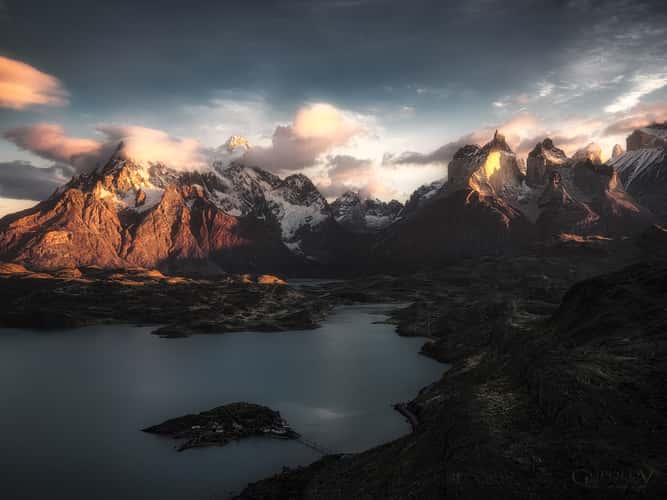
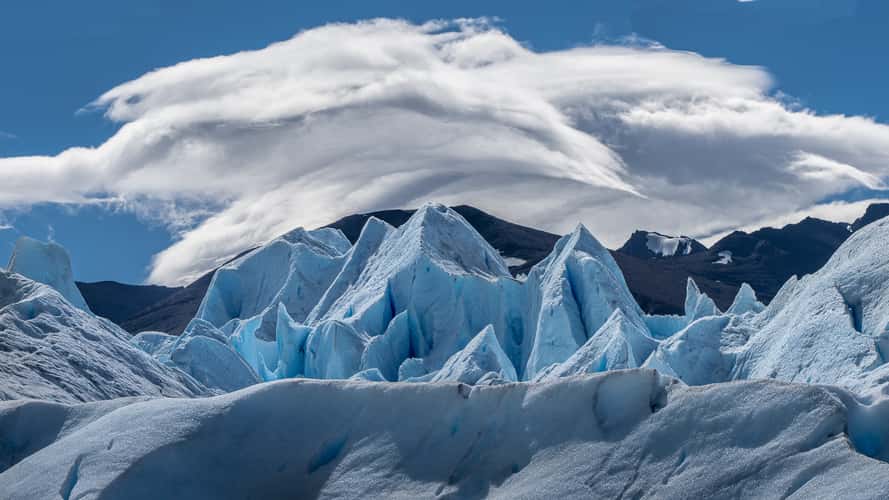
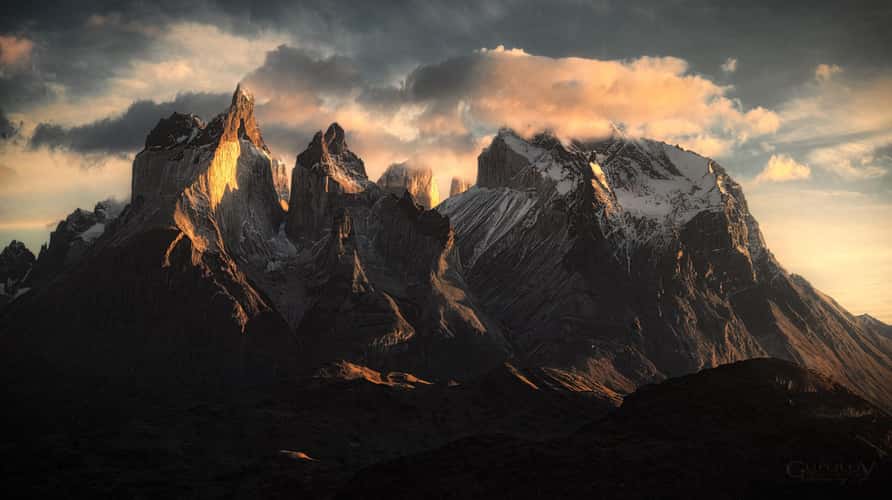
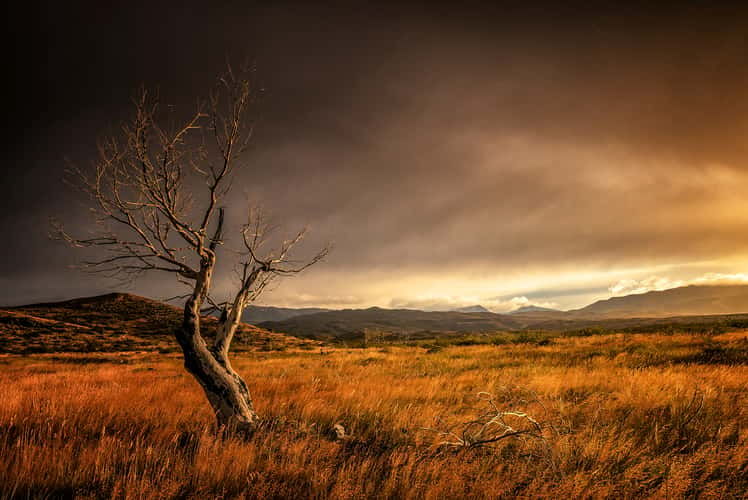
The region is characterized by iconic landmarks such as the Torres del Paine in Chile and the Fitz Roy massif in Argentina. These granite spires are world-renowned for catching the first light of dawn, turning vibrant shades of orange and red. Photographers are often drawn to the stark contrast between the ice-blue glaciers, like Perito Moreno, and the golden hues of the surrounding pampas.

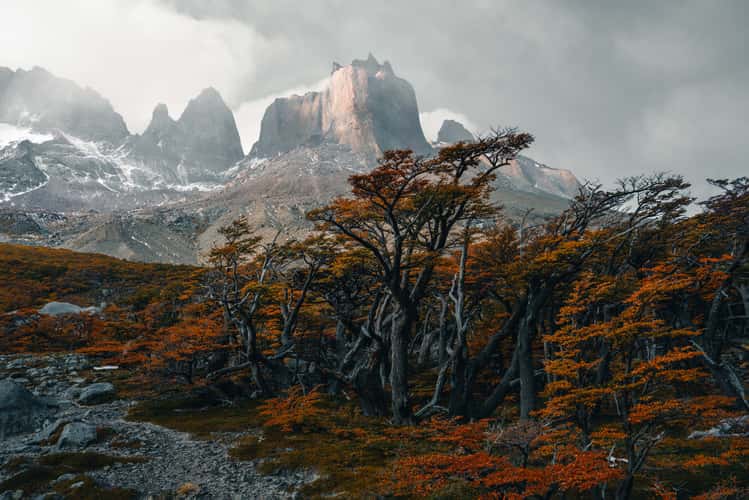
Beyond the mountains, Patagonia offers unique flora and fauna, including the resilient lenga forests and wildlife like guanacos, condors, and the elusive puma. The famous Patagonian winds often sculpt the clouds into rare lenticular formations, providing a sky that is just as dramatic as the earth below. The sense of isolation and the sheer scale of the landscape make it one of the most rewarding yet challenging destinations for outdoor photography.


Best timing

The best months for photography are during the austral autumn (late March to April) and spring (October to November). Autumn is particularly spectacular as the beech forests turn brilliant shades of red and gold, providing incredible color contrast against the blue glaciers and granite walls.

Summer (December to February) offers the warmest weather and longest daylight hours, but it is also the windiest season and the most crowded with tourists. Winter (June to August) provides a unique opportunity for snow-covered landscapes and low-angle light throughout the day, though many hiking trails and accommodations may be closed or difficult to access.

Traveling

Accessing Patagonia typically involves flying into gateway cities like El Calafate in Argentina or Punta Arenas and Puerto Natales in Chile. From these hubs, renting a sturdy vehicle, preferably a 4WD, is the most flexible way for photographers to move between locations like Los Glaciares National Park and Torres del Paine.

Public buses connect the major towns, but they often don't cater to the early morning or late evening schedules required for golden hour shoots. Parking is generally available at major trailheads and overlooks, though some areas require park fees and permits. Photographers should be prepared for long driving distances on unpaved roads and should always carry extra fuel and supplies when heading into remote areas.

Photography tips for Patagonia

A sturdy, high-quality tripod is the most essential piece of gear due to the legendary Patagonian winds which can easily ruin long exposures. Use a wide-angle lens to capture the immense scale of the mountain ranges and glaciers, but keep a telephoto lens handy for compressing the dramatic peaks or capturing distant wildlife like pumas and Andean condors.

To get the best light, be in position well before sunrise; the granite peaks of Fitz Roy and the Torres often glow intensely for only a few minutes. Polarizing filters are helpful for managing reflections on the glacial lakes and enhancing the deep blues of the sky. Lastly, always protect your gear with rain covers, as the weather can change from clear blue skies to a rainstorm in a matter of minutes.

Other languages

Here is how Patagonia is called in other languages:
CS Patagonie DE Patagonien EL Παταγονία ES Patagonia FI Patagonia FR Patagonie HI पैटागोनिया HR Patagonija IS Patagónía IT Patagonia JA パタゴニア NL Patagonië NO Patagonia PL Patagonia PT Patagônia RU Патагония SV Patagonien TR Patagonya ZH 巴塔哥尼亚

Imprint & Contact © Locationscout 2026 Privacy / Terms