
90 Photo Spots on Corsica

Corsica is a stunning Mediterranean island known for its dramatic diversity, ranging from rugged mountain peaks to crystal-clear turquoise coastlines. It offers photographers a unique blend of wild natural beauty, ancient citadel towns, and vibrant cultural heritage that feels distinct from mainland Europe.

latest contributors
Henning Bergermann Donovan Callaghan Xavier Keijei Giuseppe Galasso

Tips for your trip to Corsica

About the location

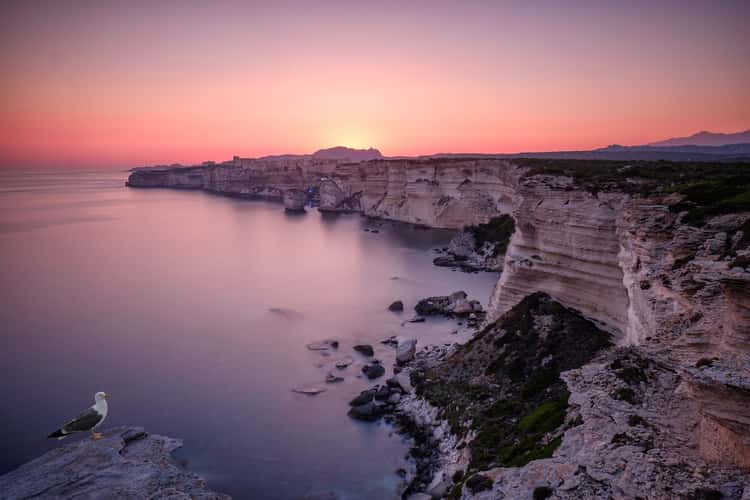
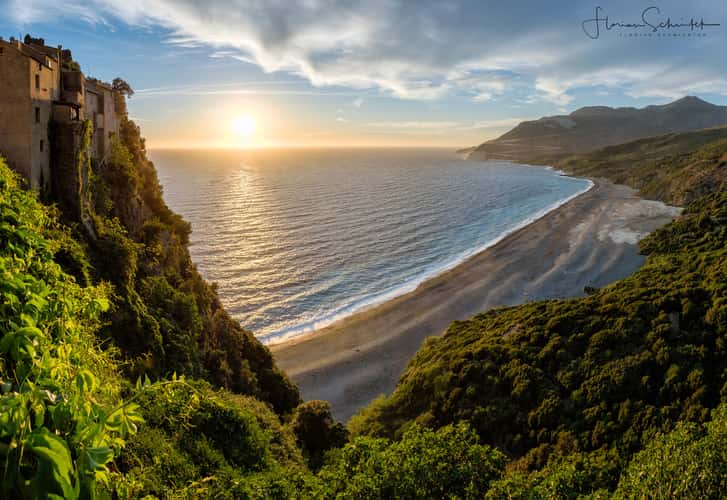
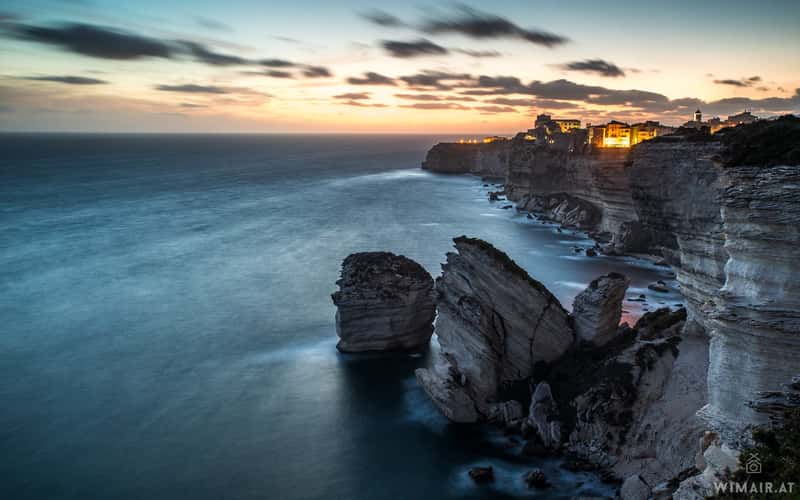
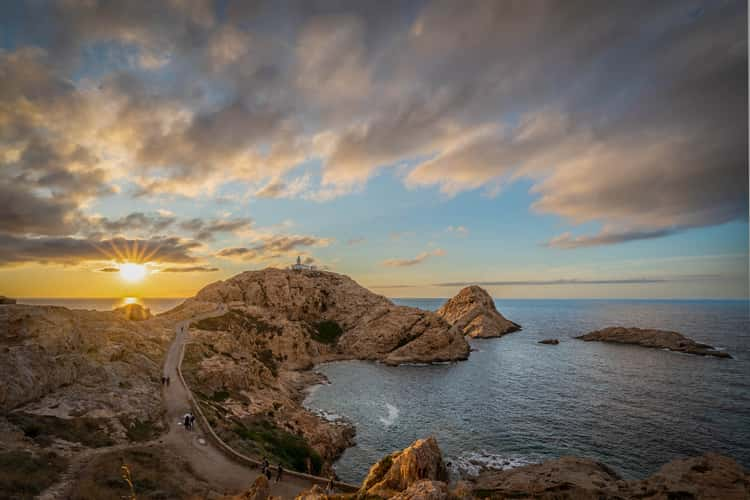
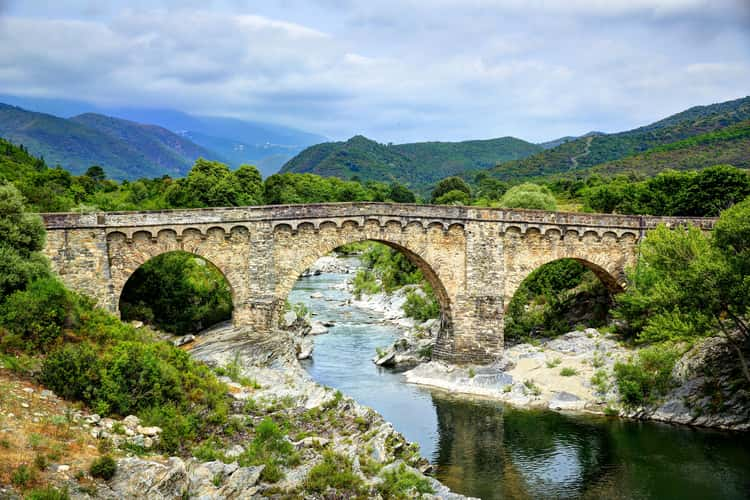
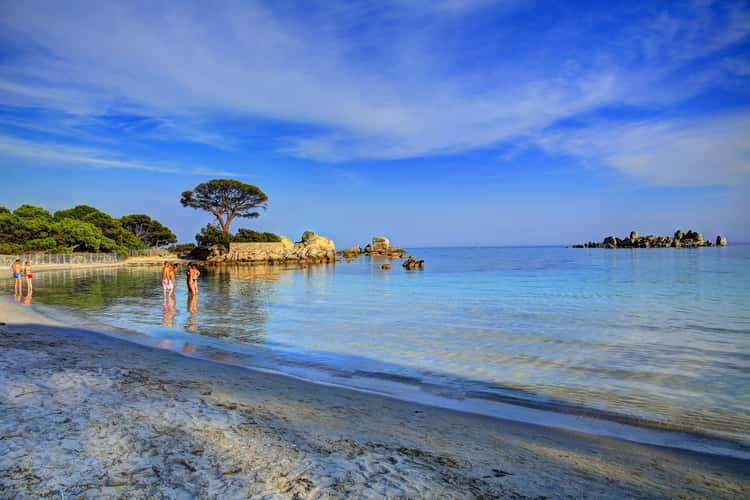
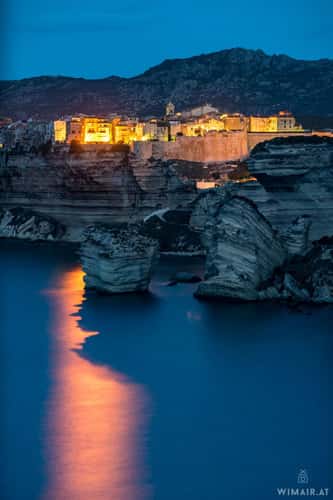
The island's interior is dominated by a central mountain range where sharp granite spires and glacial lakes provide spectacular alpine photography opportunities. Along the coast, the Calanques de Piana showcase striking red porphyry rock formations that glow intensely at sunset, while the sheer limestone cliffs of Bonifacio offer a dramatic vertical perspective of the sea. Photographers will also find immense charm in the narrow, winding streets of hilltop villages like those in the Balagne region, where time seems to have stood still for centuries. From the lush chestnut forests of Castagniccia to the desert-like landscape of the Agriates, the visual variety ensures that every turn in the road presents a new composition.

Best timing

The best months for photography are May and June, when the landscape is lush, wildflowers are in bloom, and the mountain peaks often still retain a dusting of snow. September and October are also excellent, offering warmer sea temperatures, thinner crowds, and a softer, golden light that is perfect for coastal landscapes.

Avoid the peak of summer in July and August, as the harsh midday sun creates flat lighting and the narrow roads become heavily congested with tourists. Winter can be beautiful for capturing snow-capped mountains and dramatic stormy seas, though many coastal services and mountain passes may be closed during this period.

Traveling

Corsica is accessible by air via four main airports—Ajaccio, Bastia, Calvi, and Figari—or by ferry from mainland France and Italy. Renting a car is absolutely essential for photographers, as public transport is limited and many of the best viewpoints are located along remote, winding roads. Be prepared for slow travel times; the island's mountainous geography means that even short distances on a map can take hours to drive due to hairpin turns and narrow passes. Parking is generally available in towns, though it can be scarce near popular beaches during the high season.

Photography tips for Corsica

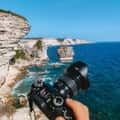
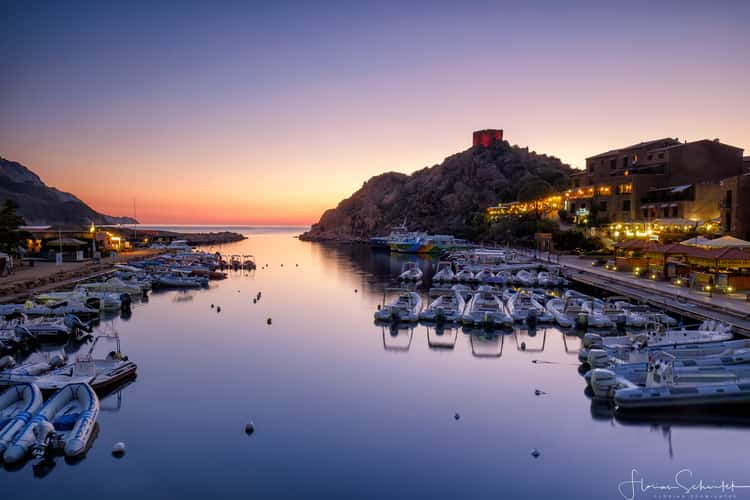
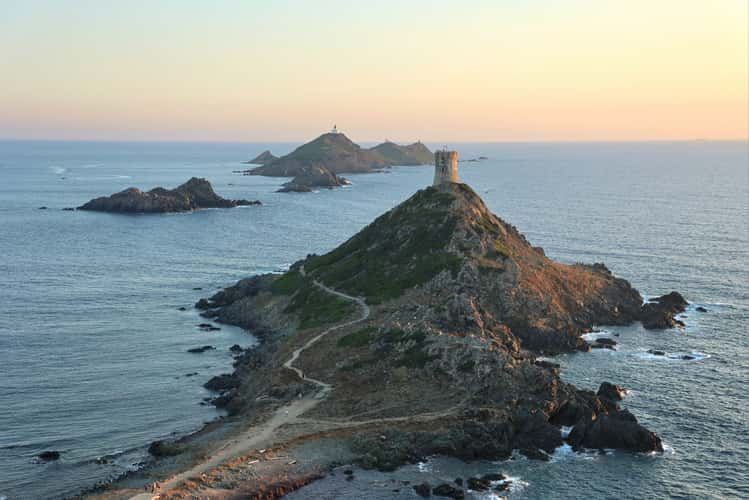
For coastal shots, prioritize the Scandola Nature Reserve and the Calanques de Piana during the golden hour to capture the fiery red hues of the rocks against the deep blue sea. Use a wide-angle lens to emphasize the scale of the Bonifacio cliffs and a tripod to capture the movement of waves against the rugged shore. In the interior, look for the 'Tours Génoises' (Genoese towers) dotted along the coastline, which serve as excellent foreground elements for long-exposure seascapes or starry night photography. Polarizing filters are highly recommended to manage reflections and enhance the incredible water clarity of the island's many hidden coves. Drone photographers should be aware of the many protected nature reserves where flight is strictly prohibited.

Other languages

Here is how Corsica is called in other languages:
CS Korsika DE Korsika EL Κορσική ES Córcega FI Korsika FR Corse HI कोर्सिका HR Korzika IS Korsíka IT Corsica JA コルシカ島 NL Corsica NO Korsika PL Korsyka PT Córsega RU Корсика SV Korsika TR Korsika ZH 科西嘉岛

Other islands in France

Imprint & Contact © Locationscout 2026 Privacy / Terms