



78 Photo Spots on the Great Australian Bight

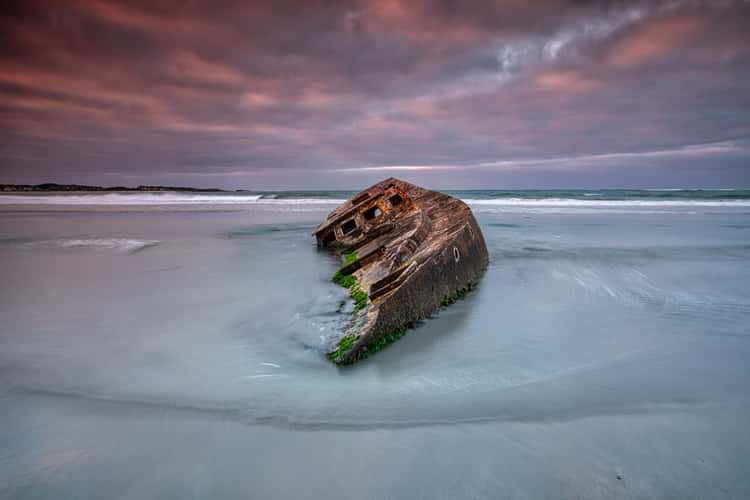
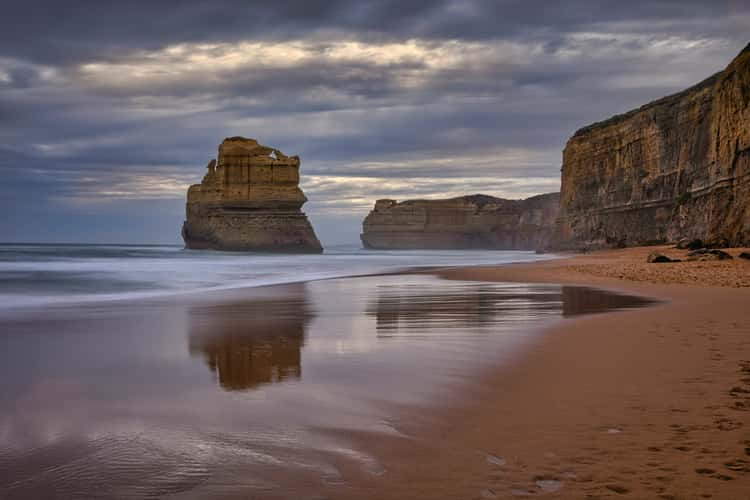
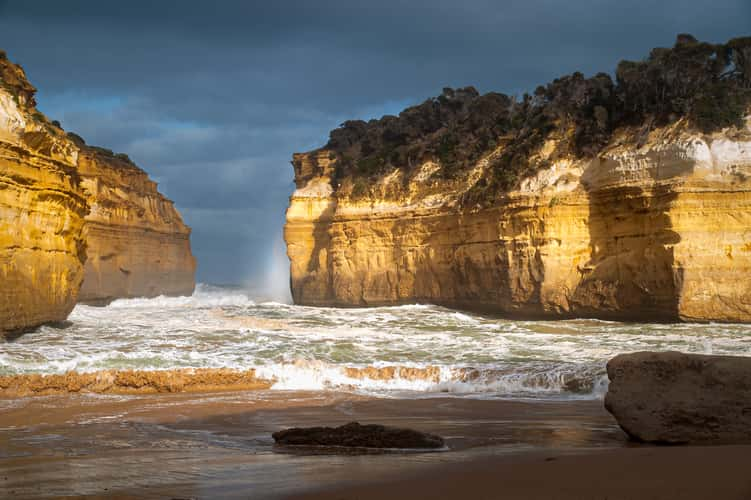
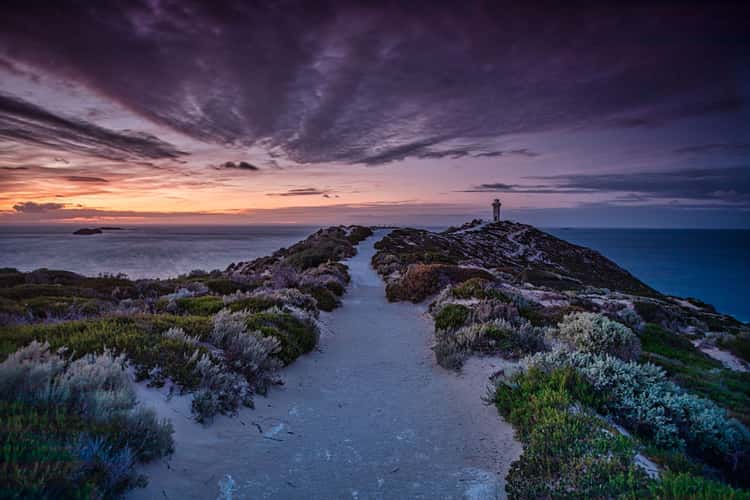
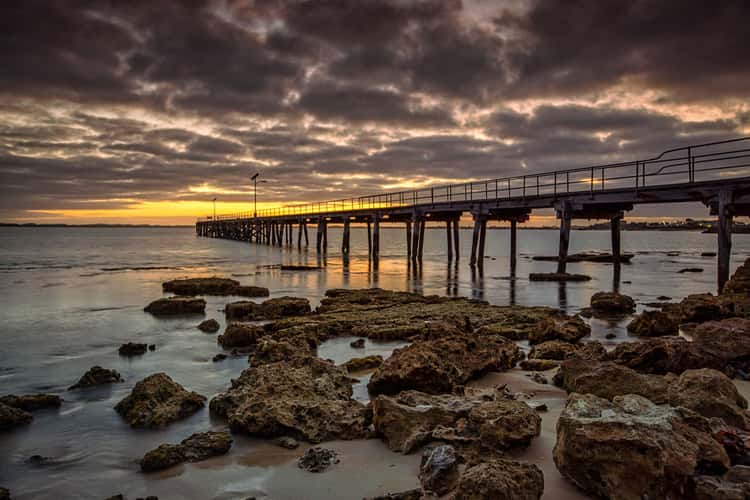
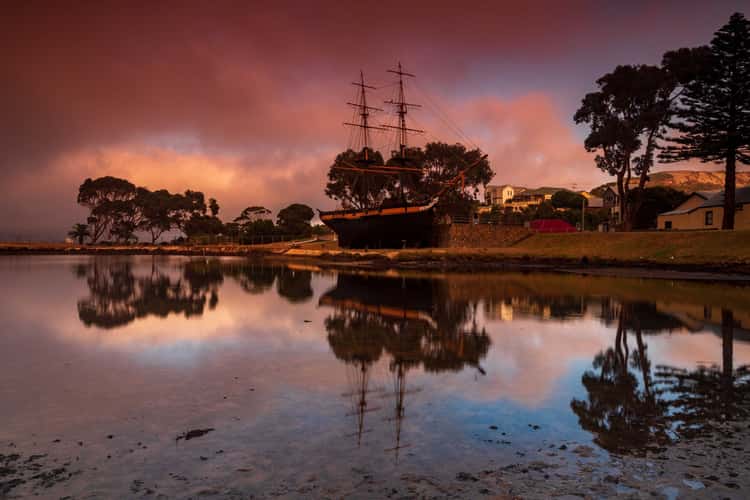
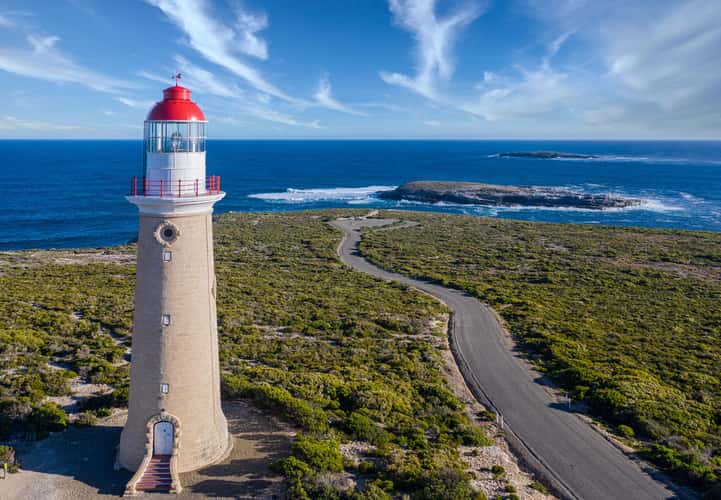
The Great Australian Bight is a vast open bay featuring some of the world's most dramatic limestone sea cliffs and pristine marine environments. It offers photographers an unparalleled opportunity to capture the raw power of the Southern Ocean meeting the edge of the Australian continent.

latest contributors
Wolfgang Haas Jörg Crisandt Robert Dettman Donovan Callaghan

Tips for your trip to Great Australian Bight

About the location

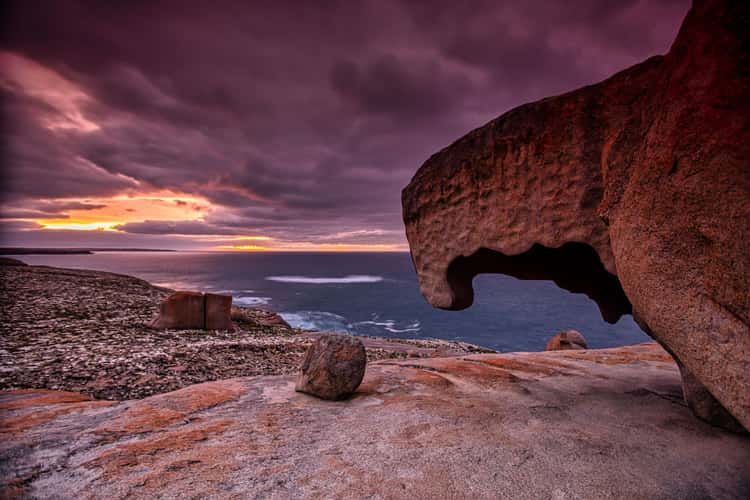
The highlight for many is the Bunda Cliffs, a continuous stretch of dramatic precipices that drop vertically into the turquoise waters for hundreds of kilometers. These cliffs provide a stark, geometric contrast against the organic movement of the sea, making them a dream for minimalist and landscape photographers. The sheer scale of the landscape is humbling, with the vast Nullarbor Plain stretching inland as far as the eye can see.

Beyond the geology, the Bight is a sanctuary for marine life. Between May and October, the Head of Bight becomes a nursery for Southern Right Whales, allowing for spectacular wildlife photography from high vantage points. The lack of light pollution in this remote region also makes it an exceptional spot for astrophotography, where the Milky Way stretches clearly over the dark ocean horizon.


Best timing

The optimal time to visit is during the Australian winter and spring, specifically from June to September. This period aligns with the southern right whale migration, providing unique wildlife opportunities, and the cooler temperatures make the long desert drives more manageable.

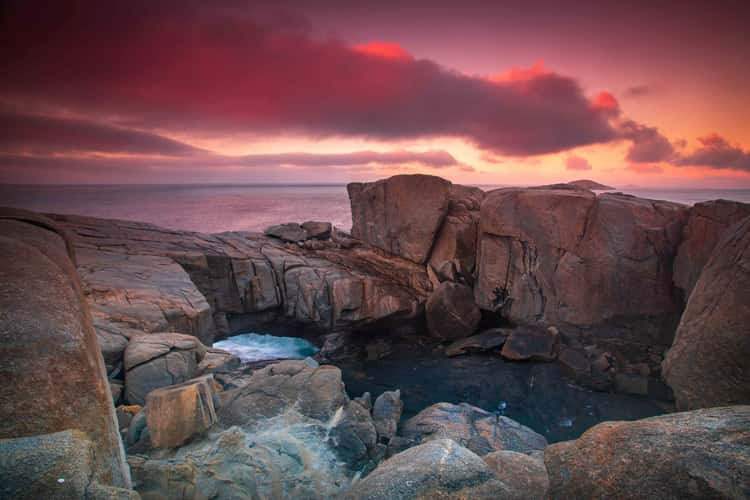
Photographically, sunrise and sunset are crucial for capturing the Bunda Cliffs. During these times, the limestone glows in vibrant shades of orange and red, while the low light angle emphasizes the texture and depth of the rock face.

Traveling

Accessing the Great Australian Bight typically involves a road trip along the Eyre Highway, which traverses the Nullarbor Plain. The most iconic viewpoints are located in South Australia, several hundred kilometers west of Ceduna. Most major lookout points, like the Head of Bight and various Bunda Cliffs stops, are accessible by 2WD vehicles, though 4WD is necessary if you plan to explore more remote coastal tracks. There are designated parking areas at major lookout points, but photographers should be prepared for long distances between fuel stops and limited mobile reception. Carrying extra water, fuel, and a satellite communication device is highly recommended for safety in this remote wilderness.

Photography tips for Great Australian Bight

To capture the immense scale of the Bunda Cliffs, use a wide-angle lens, but also consider a telephoto lens to compress the layers of the cliffs or to photograph whales from the clifftops. Using a circular polarizer is essential to manage reflections on the water and to enhance the deep blues and turquoises of the Southern Ocean. For composition, look for leading lines where the cliff edge meets the horizon, or use the sparse vegetation of the Nullarbor as a foreground element to add depth. If using a drone, be aware of strict local regulations, especially near whale nurseries where flight is often prohibited to protect the animals. Finally, a sturdy tripod is a must, as the wind along the Bight can be extremely powerful and persistent.

Other languages

Here is how Great Australian Bight is called in other languages:
CS Velký australský záliv DE Große Australische Bucht EL Μεγάλος Αυστραλιανός Κόλπος ES Gran Bahía Australiana FI Ison-Australian lahti FR Grande baie australienne HI ग्रेट ऑस्ट्रेलियन बाइट HR Veliki australski zaljev IS Stóra-Ástralíuflói IT Grande Baia Australiana JA グレートオーストラリア湾 NL Grote Australische Bocht NO Stor-Australbukta PL Wielka Zatoka Australijska PT Grande Baía Australiana RU Большой Австралийский залив SV Stora australiska bukten TR Büyük Avustralya Körfezi ZH 大澳大利亚湾

Imprint & Contact © Locationscout 2026 Privacy / Terms