




29 Photo Spots in the Torres del Paine National Park

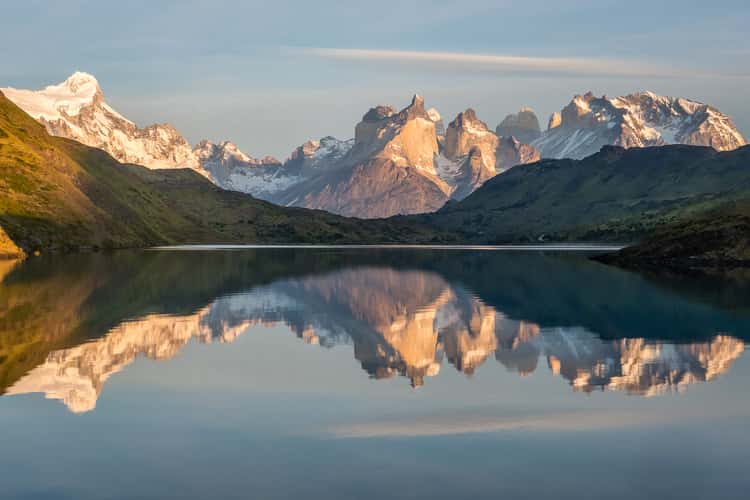
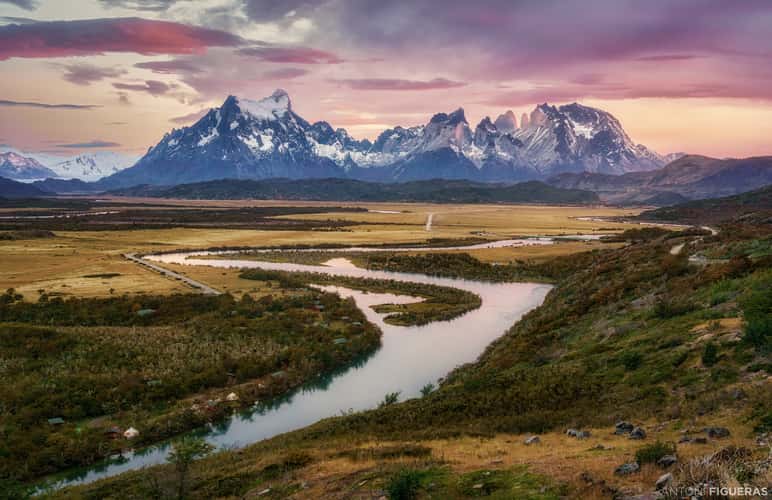
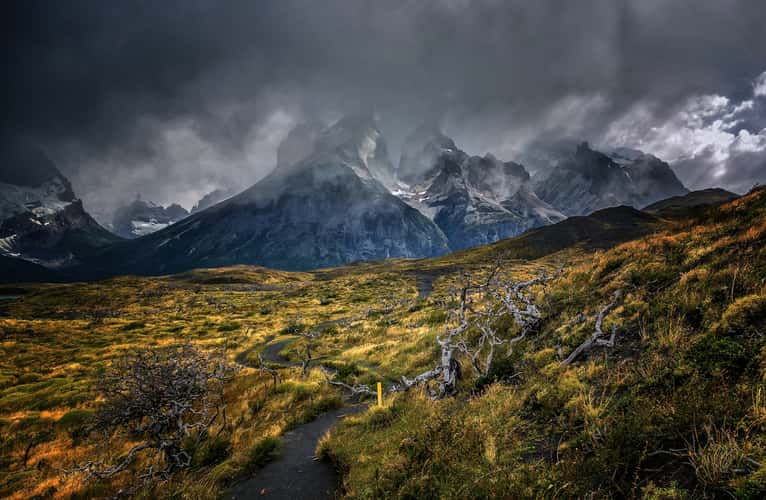
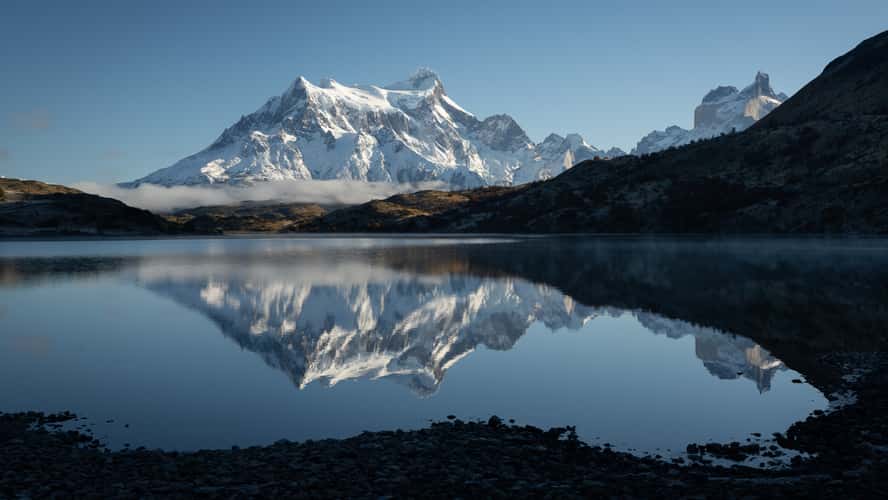
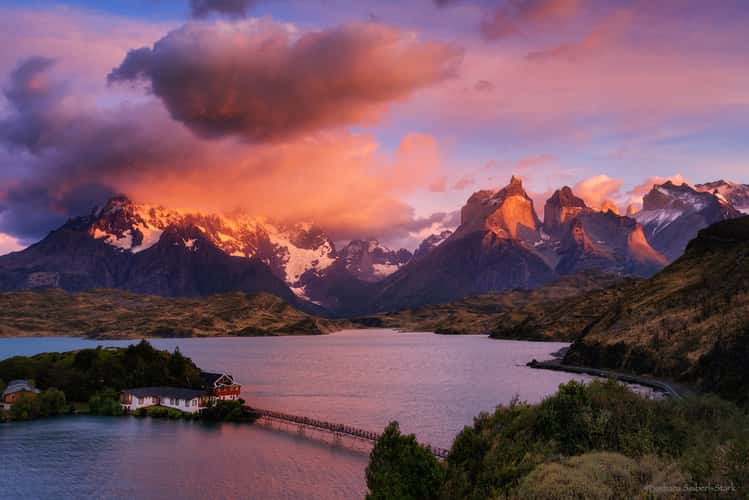
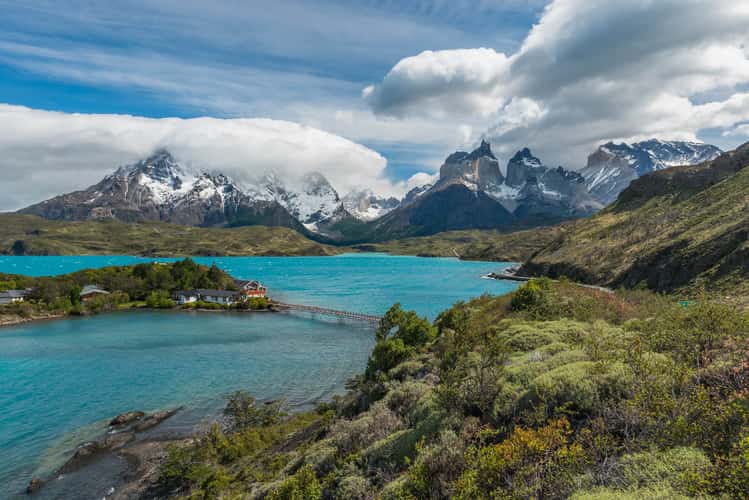
Torres del Paine National Park stands as the crown jewel of Chilean Patagonia, offering photographers a surreal landscape of jagged granite spires and vibrant glacial lakes. It is a place where the weather creates its own art, transforming the scenery from misty ethereal moods to fiery sunrises in a matter of minutes.

latest contributors
Ignacio Mc Lean Philipp Raczek Georgi Petrov Heinz Hieke tom hartmann

Tips for your trip to Torres del Paine National Park

About the location

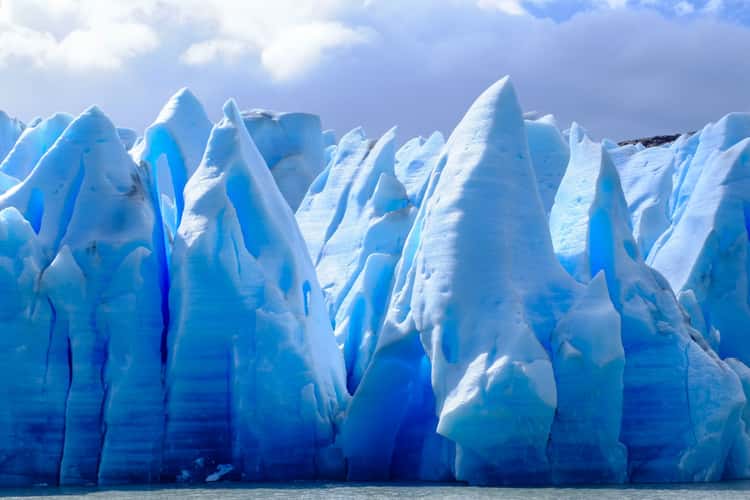
The park is unique for its incredible geological diversity packed into a relatively accessible area. From the iconic three towers reflecting in glacial tarns to the hanging glaciers of the French Valley and the iceberg-choked waters of Lago Grey, every corner provides a different visual narrative. The local wildlife, particularly the guanacos and pumas, adds a living element to the vast landscapes, allowing for a mix of grand vista and intimate nature photography. Photographers should be prepared for the 'four seasons in one day' phenomenon, which, while challenging, provides some of the most dramatic lighting conditions found anywhere on Earth.

Best timing

The best time for photography is during the Patagonian summer and shoulder seasons, specifically from October to April. Late March and April are particularly prized for the stunning fall foliage when the lenga forests turn vibrant shades of red and orange.

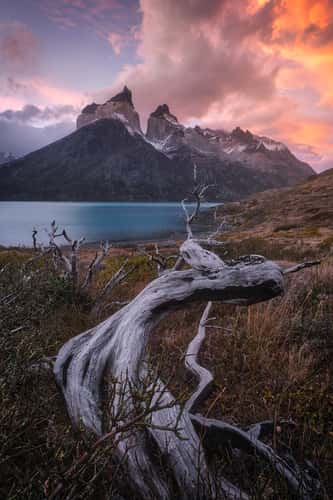
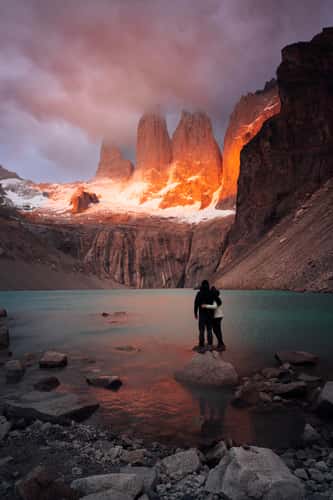
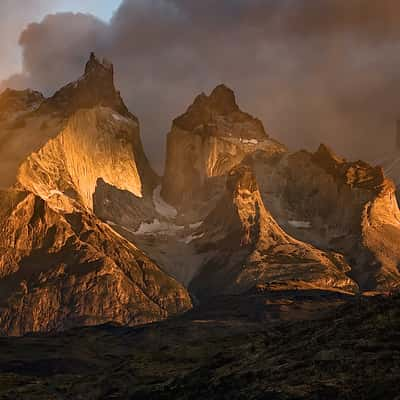
Sunrise is the most critical time of day, as the first light often hits the granite peaks of the Towers or the Horns, turning them a brilliant orange or pink. During mid-summer, be prepared for extremely long days and very short nights, which can be exhausting for photographers chasing both sunset and sunrise.

Traveling

To reach the park, most photographers fly into Punta Arenas or Puerto Natales and then rent a 4WD vehicle, which is highly recommended for flexibility and reaching remote trailheads. While there is a bus system and internal shuttles, having your own vehicle is essential for catching the light at sunrise and sunset outside of the main camp areas. Parking is generally available at major hotels, campsites, and the starts of the main trekking routes like the 'W' trek. Be aware that fuel is not available inside the park, so you must fill up in Puerto Natales before entering. For the most famous viewpoints, expect significant hiking on well-marked but often steep trails.

Photography tips for Torres del Paine National Park

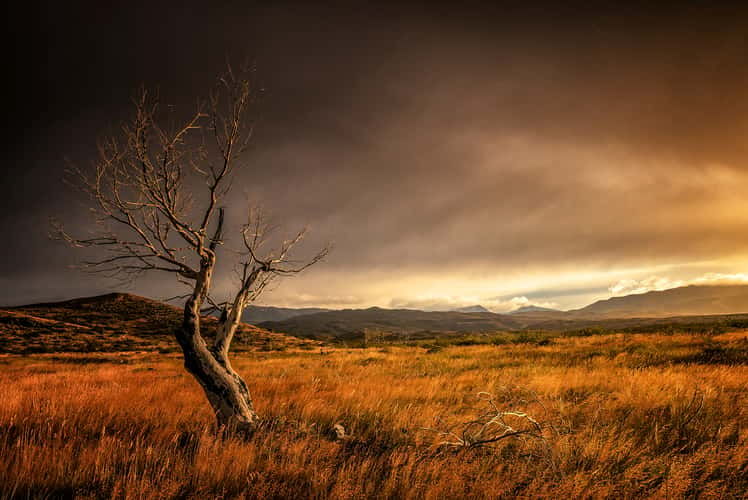
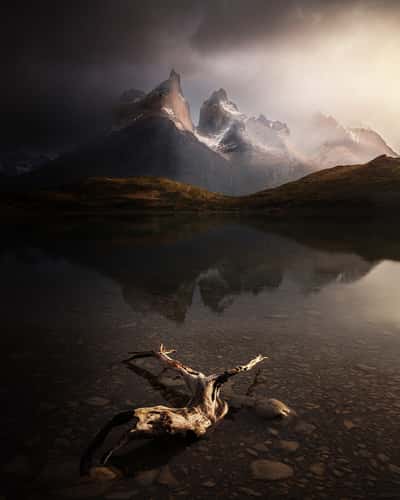
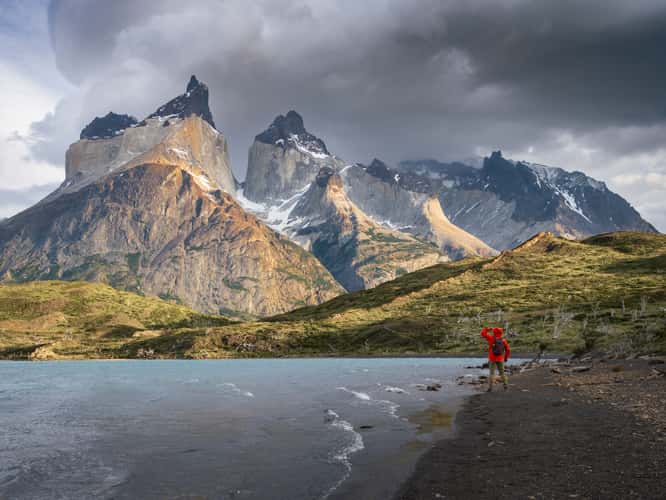
A sturdy tripod is non-negotiable due to the legendary Patagonian winds, which can easily shake a camera or even knock it over. Use graduated neutral density filters to balance the bright sky against the dark mountain shadows, or practice bracketed exposures for high dynamic range processing. For the iconic shot of the three towers (Las Torres), prepare for a steep 4-hour hike starting well before dawn to arrive by first light. Telephoto lenses are surprisingly useful here, not just for wildlife like guanacos and condors, but for isolating the textures and jagged edges of the 'Cuernos' (Horns) against the sky. Don't overlook the smaller details; the wind-swept trees known as 'flag trees' and the patterns in the ice at Grey Glacier make for compelling foreground elements.

Other languages

Here is how Torres del Paine National Park is called in other languages:
CS Národní park Torres del Paine DE Nationalpark Torres del Paine EL Εθνικό Πάρκο Τόρες ντελ Πάινε ES Parque Nacional Torres del Paine FI Torres del Painen kansallispuisto FR Parc national Torres del Paine HI टोरेस डेल पेन नेशनल पार्क HR Nacionalni park Torres del Paine IS Torres del Paine þjóðgarðurinn IT Parco nazionale Torres del Paine JA トレス・デル_パイネ国立公園 NL Nationaal park Torres del Paine NO Torres del Paine nasjonalpark PL Park Narodowy Torres del Paine PT Parque Nacional Torres del Paine RU Национальный парк Торрес-дель-Пайне SV Torres del Paine nationalpark TR Torres del Paine Ulusal Parkı ZH 百内国家公园

Other national parks in Chile

Imprint & Contact © Locationscout 2026 Privacy / Terms