

124 Photo Spots in the Swiss Alps

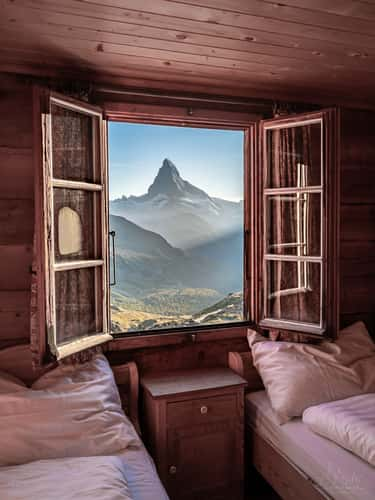
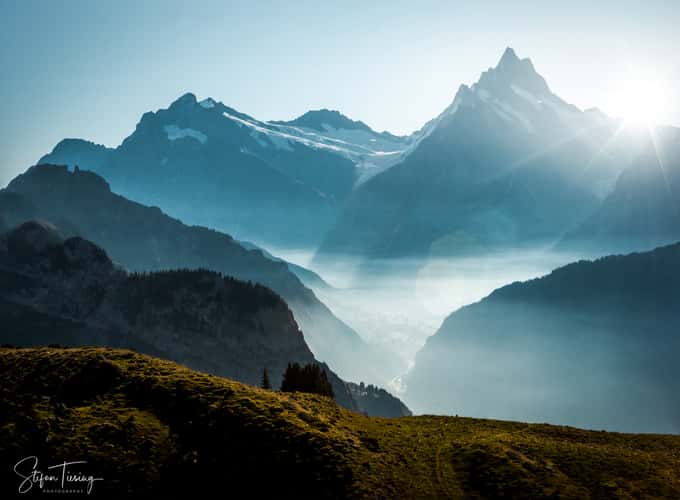
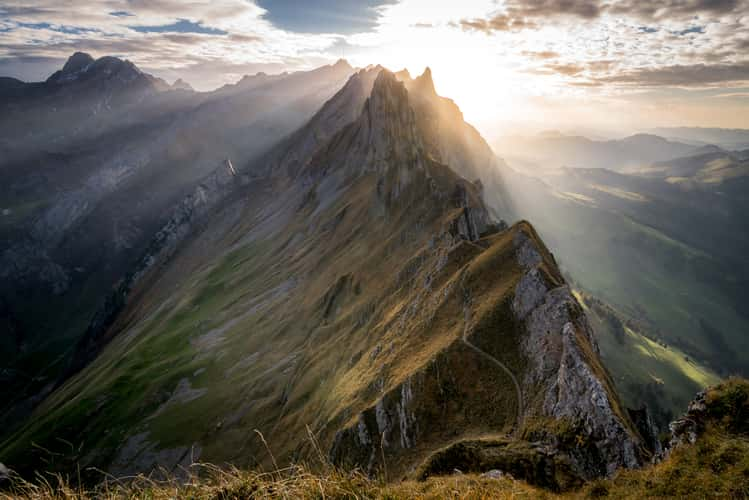
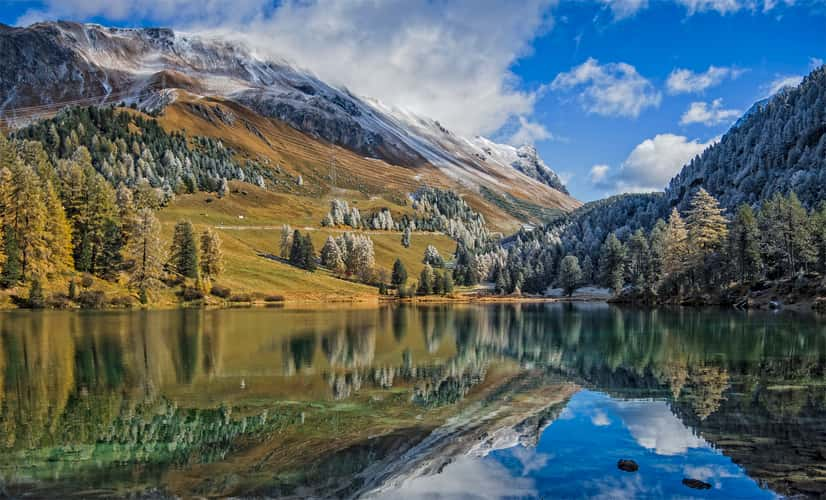
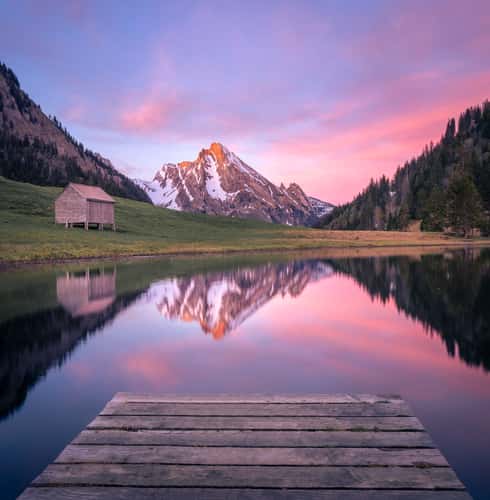
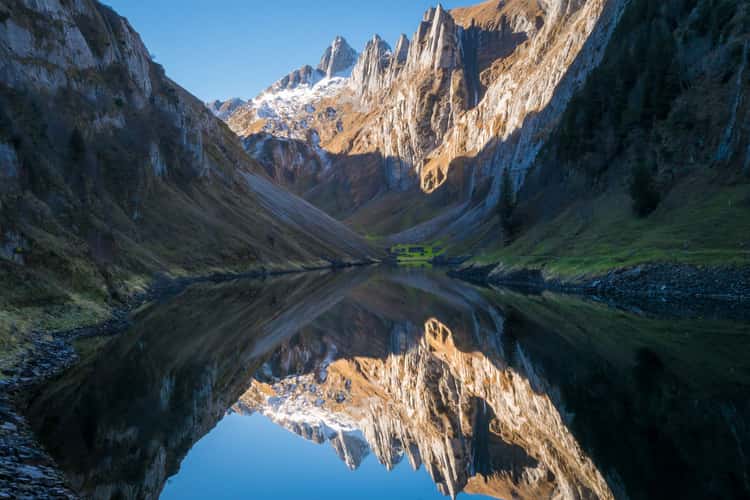
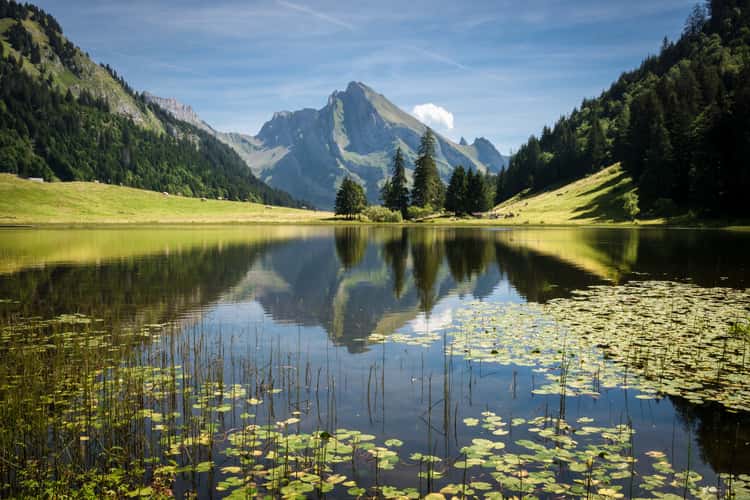
The Swiss Alps offer an unparalleled landscape of jagged peaks, crystalline lakes, and quintessential alpine villages that serve as a masterpiece for any landscape photographer. This region provides a diverse range of geological features and atmospheric conditions that change dramatically with the seasons, ensuring unique shots year-round.

latest contributors
Matt Wild Dani W. Mathias & Annika Koch Pieter Veraart Jiasong Zhu

Tips for your trip to Swiss Alps

About the location

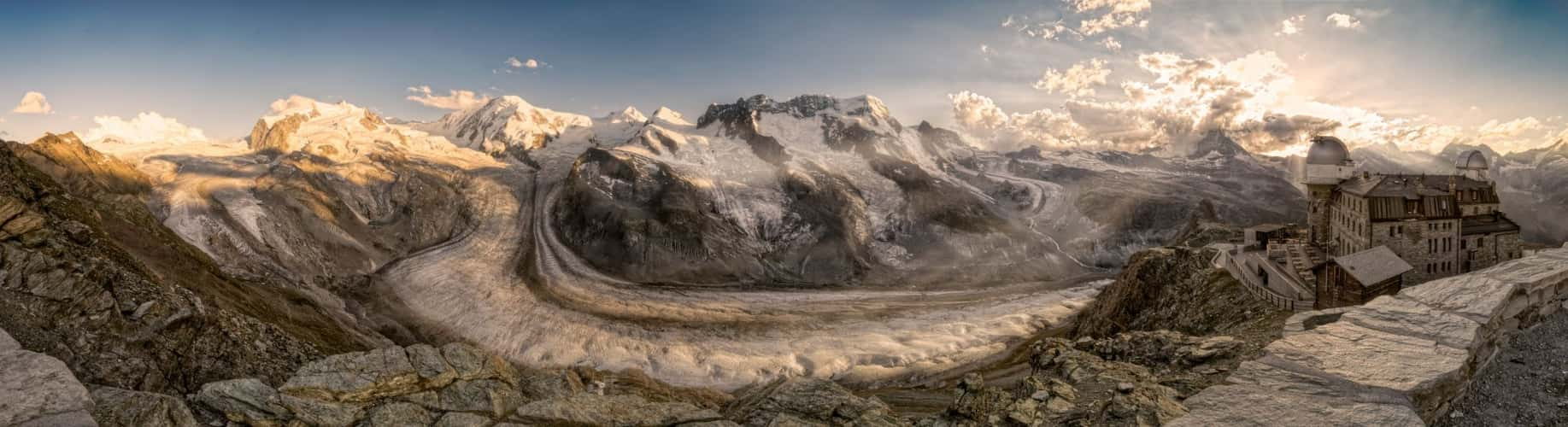
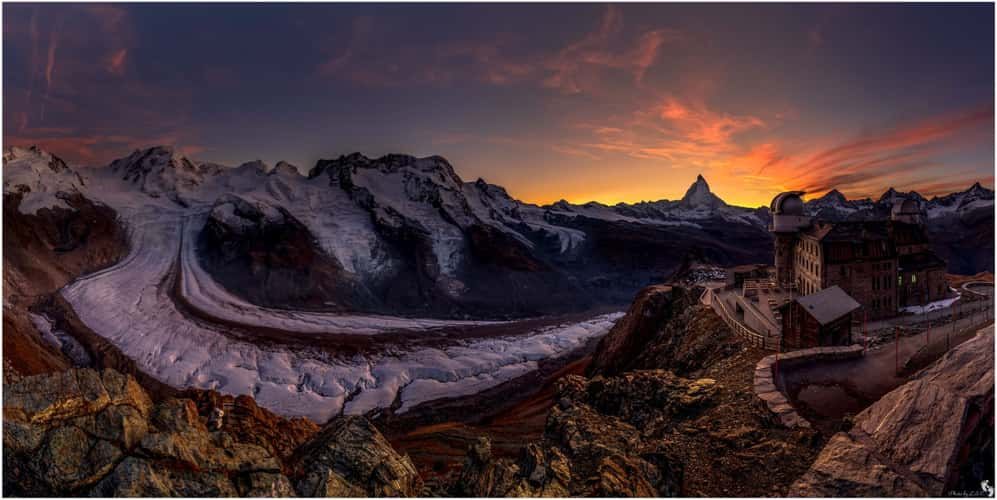
Beyond the famous peaks like the Eiger, Mönch, and Jungfrau, the region is dotted with spectacular glaciers and deep U-shaped valleys. The accessibility provided by a dense network of cable cars and mountain railways means photographers can reach high-altitude viewpoints with heavy gear during the best lighting conditions of the day. Whether you are looking for dramatic cloud inversions in the autumn or the milky way over a silent mountain pass in the summer, the Swiss Alps provide endless opportunities for creative expression. Small details, such as the unique architecture of the Valais region or the reflections in the Oeschinensee, offer variety that keeps even the most seasoned professionals inspired.
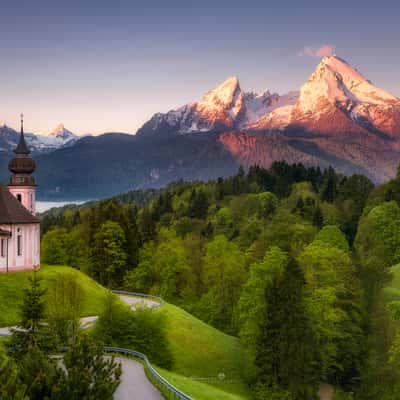
Best timing

Autumn, particularly October, is exceptional for photography as the larch forests turn golden and the first snow begins to dust the higher peaks. This period offers stable weather and beautiful contrast between the warm valley tones and the cold mountain summits.

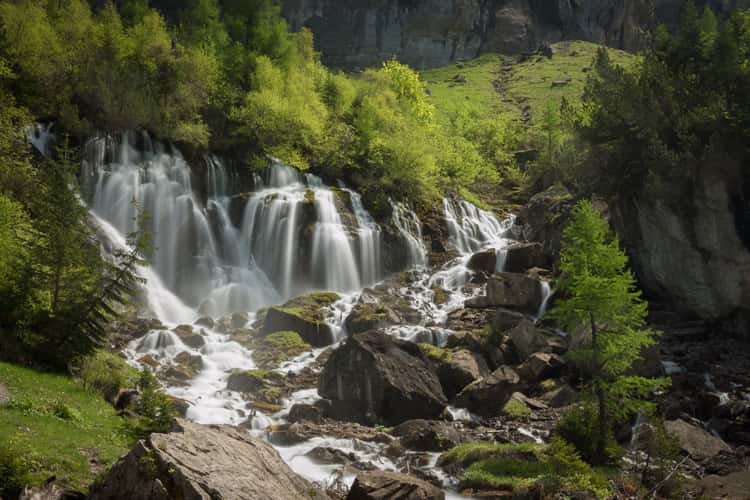
Spring and early summer are also fantastic for capturing lush green pastures filled with wildflowers against a backdrop of snow-capped mountains. During this time, the melting snow feeds numerous waterfalls, adding dynamic movement to your alpine compositions.

Traveling

Accessing the Swiss Alps is most convenient through the international hubs of Zurich or Geneva. Switzerland's integrated public transport system, the SBB, is world-renowned and allows photographers to reach even the most remote areas via train, bus, or boat. For maximum flexibility, the Swiss Travel Pass is an excellent investment. While many mountain passes are accessible by car, be aware that famous spots like Zermatt, Mürren, and Wengen are entirely car-free, necessitating a train or cable car to reach them. Parking is generally available at valley stations, though it can be expensive in popular tourist hubs.

Photography tips for Swiss Alps

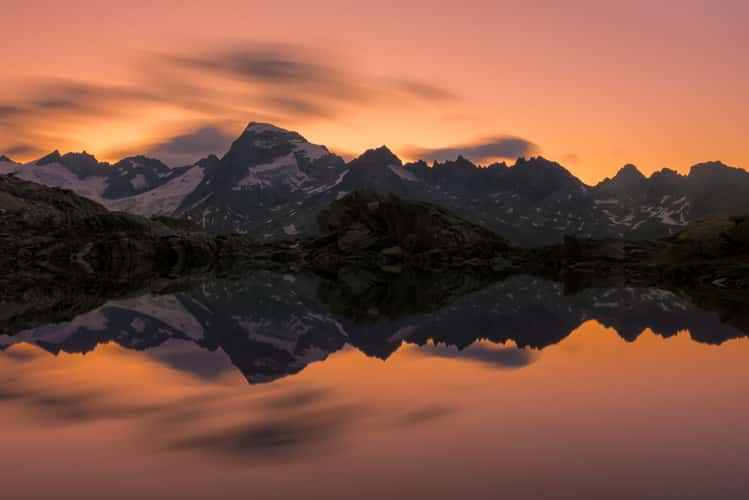
Focus your efforts on the Berner Oberland for iconic peaks and the Valais for high-altitude glacial landscapes. Using a wide-angle lens is essential for capturing the scale of the mountains, but a telephoto lens (70-200mm) is equally important for picking out textures in the rock and compressing the layers of the landscape. Early morning and late afternoon provide the best light, but don't overlook the blue hour for a serene, ethereal quality. Circular polarizers are a must to manage reflections on alpine lakes and to deepen the sky's color at high altitudes, where the atmosphere is thinner.

Other languages

Here is how Swiss Alps is called in other languages:
CS Švýcarské Alpy DE Schweizer Alpen EL Ελβετικές Άλπεις ES Alpes suizos FI Sveitsin Alpit FR Alpes suisses HI स्विस आल्प्स HR Švicarske Alpe IS Svissnesku Alparnir IT Alpi svizzere JA スイス・アルプス NL Zwitserse Alpen NO Sveitsiske Alper PL Alpy Szwajcarskie PT Alpes suíços RU Швейцарские Альпы SV Schweiziska alperna TR İsviçre Alpleri ZH 瑞士阿尔卑斯山

Other mountain ranges in Switzerland

Imprint & Contact © Locationscout 2026 Privacy / Terms