



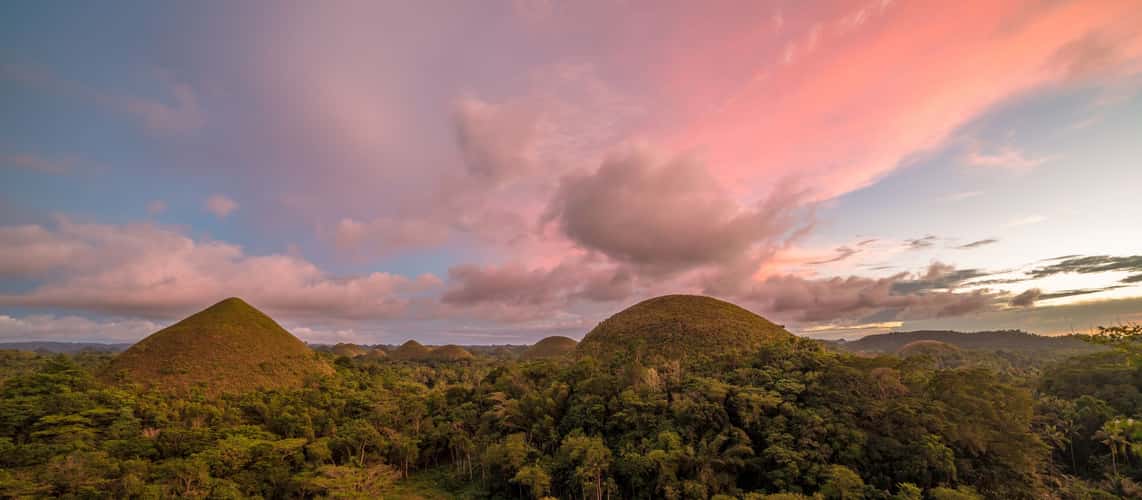
35 Photo Spots in South East Asia

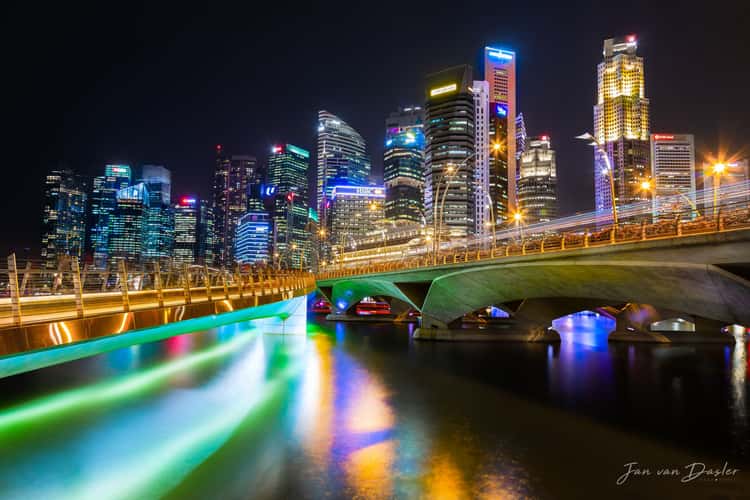
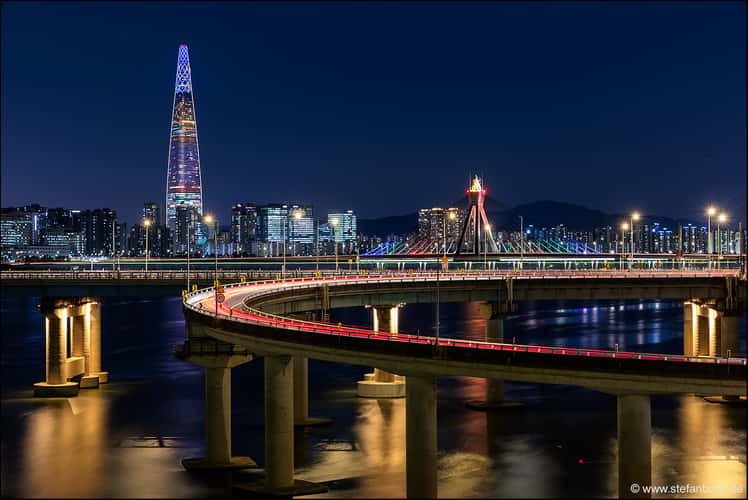
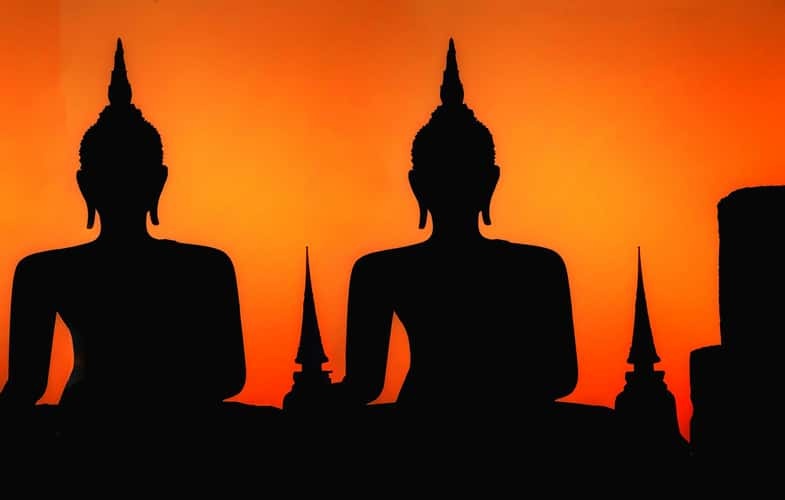
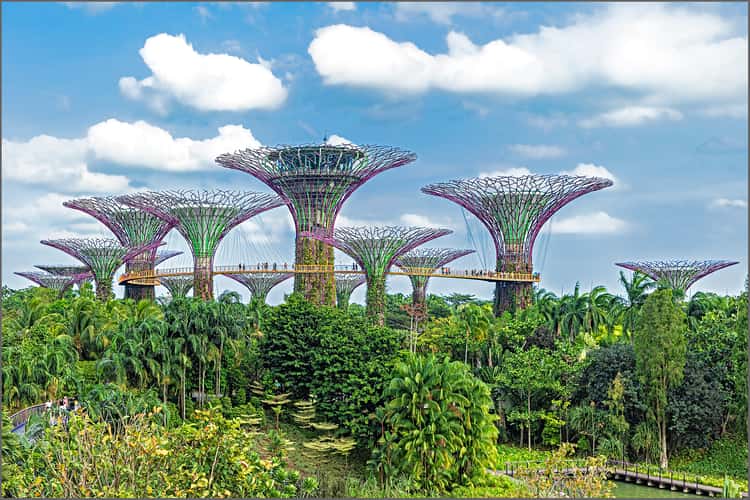
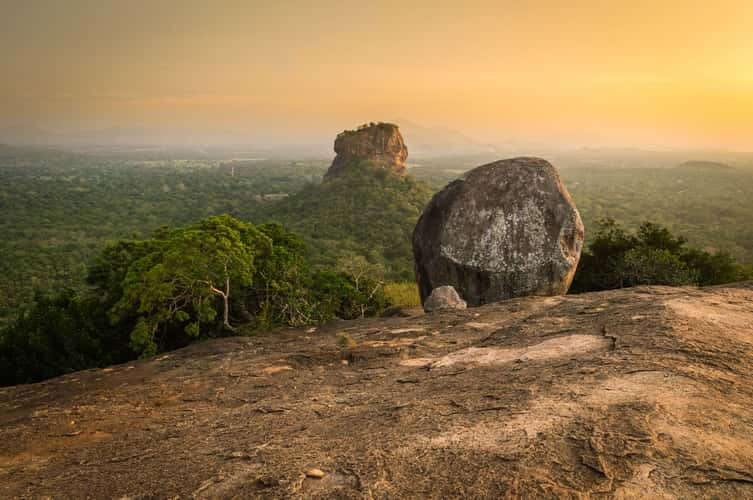
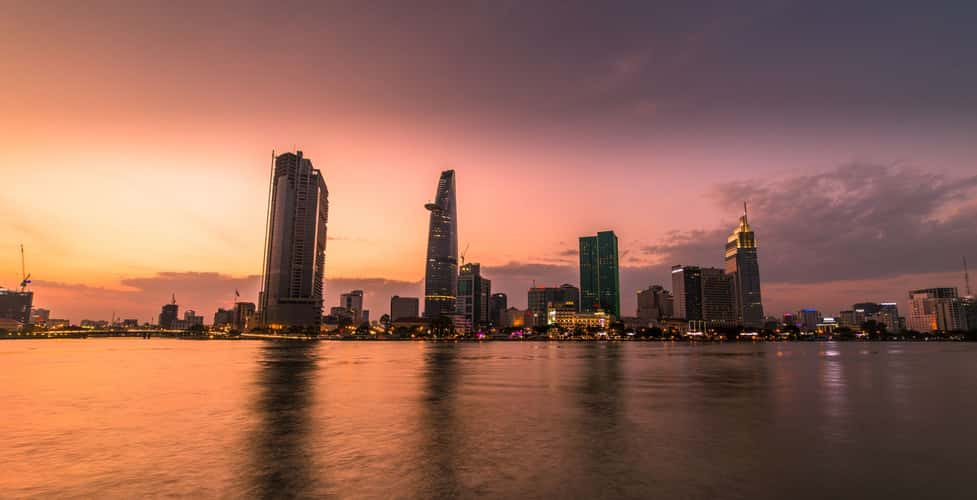
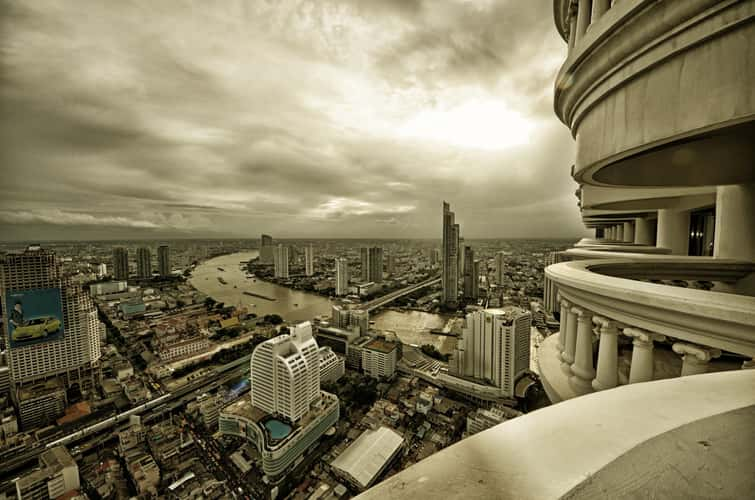
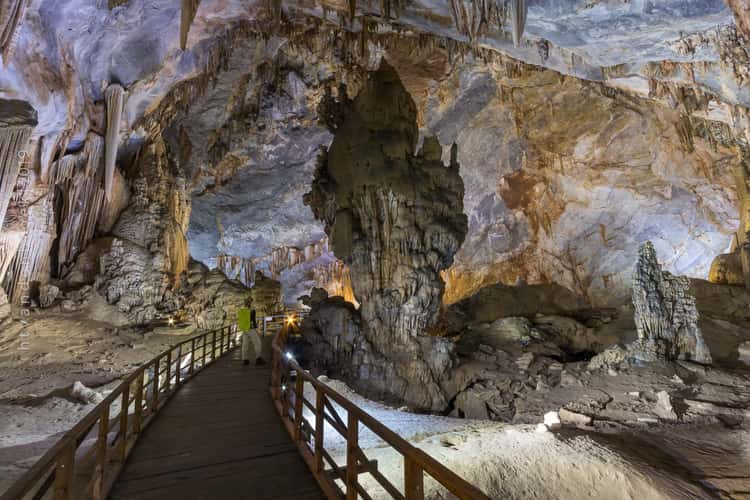
South East Asia offers an unparalleled diversity of visual experiences, ranging from neon-lit megacities to ancient forest-shrouded ruins. It is a region where vibrant cultural heritage meets dramatic natural landscapes, providing endless opportunities for both street and landscape photographers.

latest contributors
Stefan Bock khoistudio Borievky Sebastian Lehrke Marcin G

Tips for your trip to South East Asia

About the location

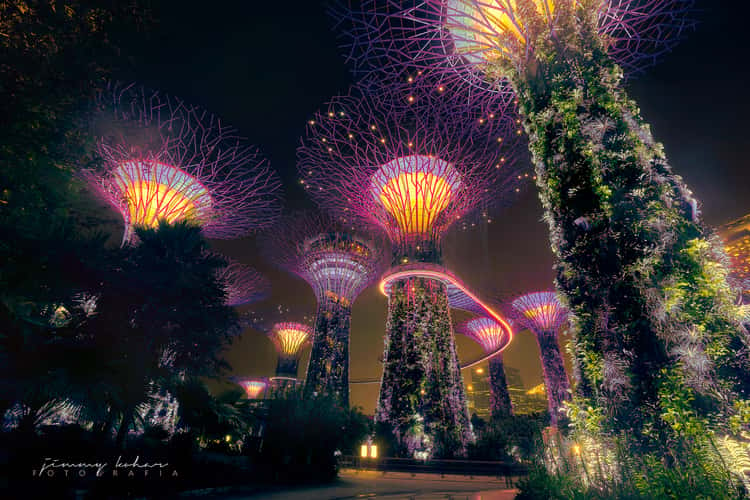
Photographers are drawn here for the incredible contrast between tradition and modernity. You can find yourself shooting the futuristic skyline of Singapore one day and the misty, sunrise-lit pagodas of Bagan the next. The region's markets are a sensory explosion of color and movement, perfect for candid street photography and environmental portraits.

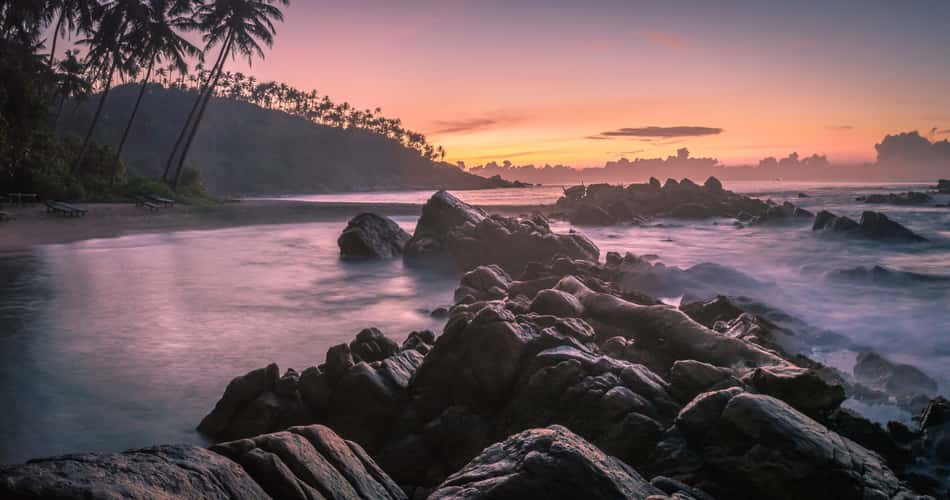
Nature lovers will find everything from the limestone karsts of Ha Long Bay to the emerald rice terraces of Bali and the active volcanoes of Indonesia. The light in this part of the world is often softened by humidity, creating atmospheric glows during the golden hours that are highly sought after for cinematic shots.


Best timing

Generally, the best time to visit most of South East Asia is during the dry season, which typically runs from November to February. During these months, the weather is cooler and more predictable, making it easier to plan outdoor shoots without the frequent interruptions of heavy tropical downpours.

However, if you are looking for lush, vibrant green landscapes, the shoulder seasons or the start of the rainy season can be ideal. The burning season in northern Thailand and Laos (usually February to April) should be avoided due to heavy haze which significantly reduces visibility and air quality for landscape photography.

Traveling

Most international photographers arrive via major hubs like Bangkok, Singapore, or Kuala Lumpur, which offer extensive global connections. Getting around between countries is affordable and efficient thanks to several budget airlines, while domestic travel varies from high-speed trains to local tuk-tuks. Within cities, ride-sharing apps like Grab are indispensable for navigating quickly with camera gear. Be prepared for high humidity and heat, which can take a toll on both equipment and the photographer; always carry silica gel packs for your camera bag and stay hydrated.

Photography tips for South East Asia

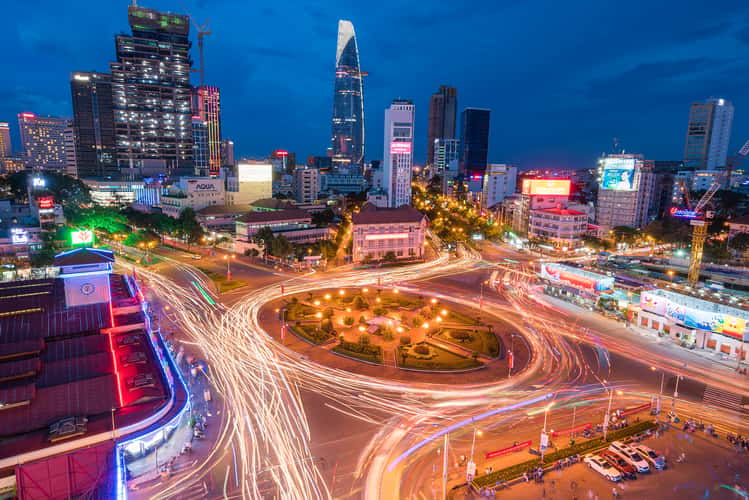
Respect is paramount; always ask for permission before taking close-up portraits of locals, especially in religious sites or remote villages. Use a fast prime lens (35mm or 50mm) for street photography to capture the intimate energy of night markets and narrow alleys. For landscapes, a sturdy but lightweight tripod is essential for sunrise shoots at temples like Angkor Wat or Borobudur, where you'll often be competing for space with other tourists. Polarizing filters are incredibly useful for cutting through the haze and enhancing the saturation of tropical greens and blues. Don't ignore the blue hour in the megacities, where the artificial lights of skyscrapers create a stunning contrast against the darkening sky.

Other languages

Here is how South East Asia is called in other languages:
CS Jihovýchodní Asie DE Südostasien EL Νοτιοανατολική Ασία ES Sudeste Asiático FI Kaakkois-Aasia FR Asie du Sud-Est HI दक्षिण पूर्व एशिया HR Jugoistočna Azija IS Suðaustur-Asía IT Sud-est asiatico JA 東南アジア NL Zuidoost-Azië NO Sørøst-Asia PL Azja Południowo-Wschodnia PT Sudeste Asiático RU Юго-Восточная Азия SV Sydostasien TR Güneydoğu Asya ZH 东南亚

Imprint & Contact © Locationscout 2026 Privacy / Terms