


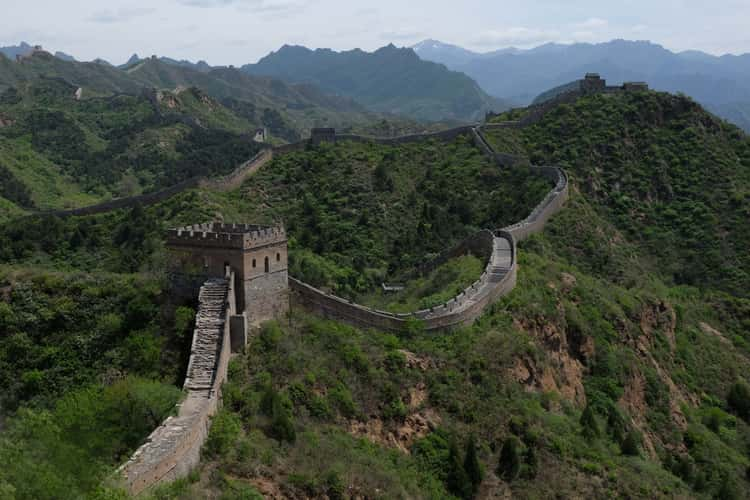
3 Photo Spots at the Great Wall

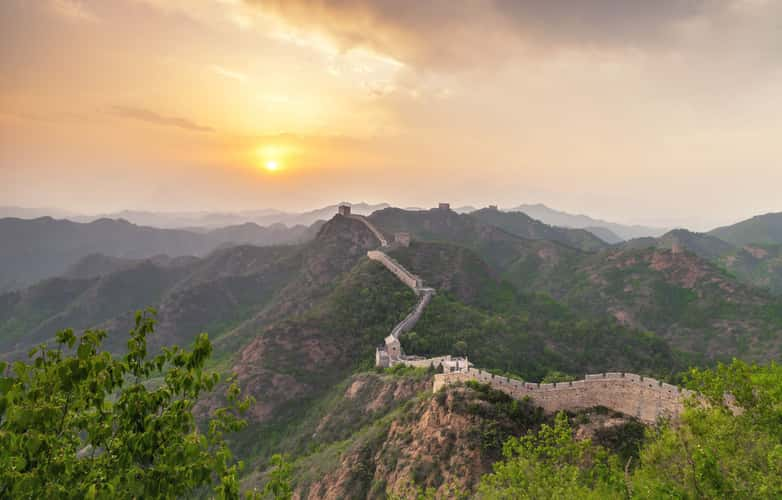
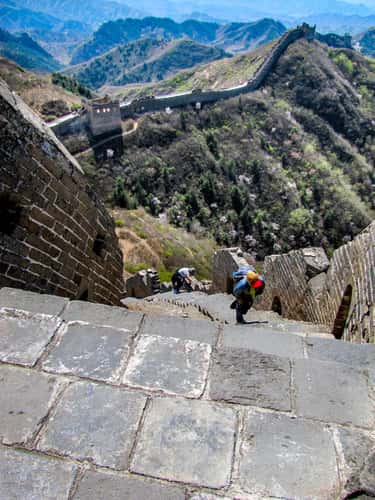
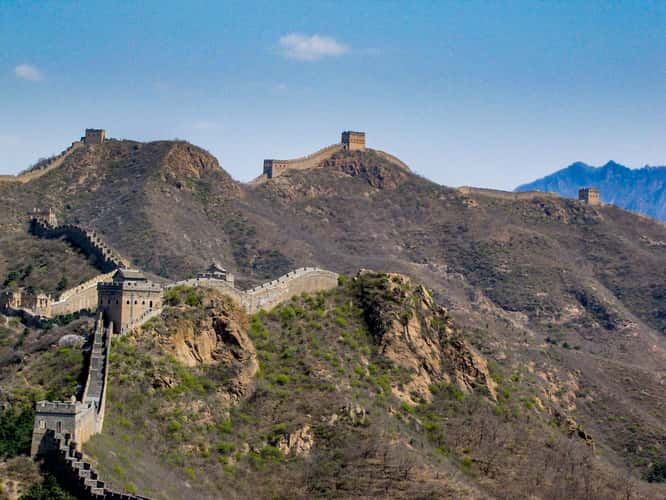
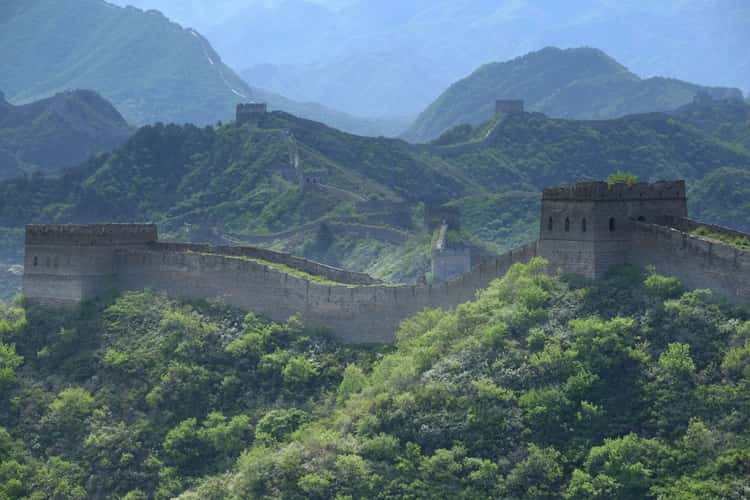
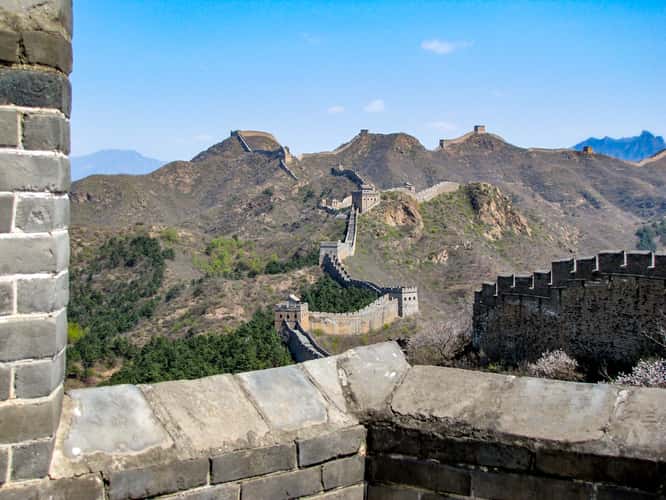
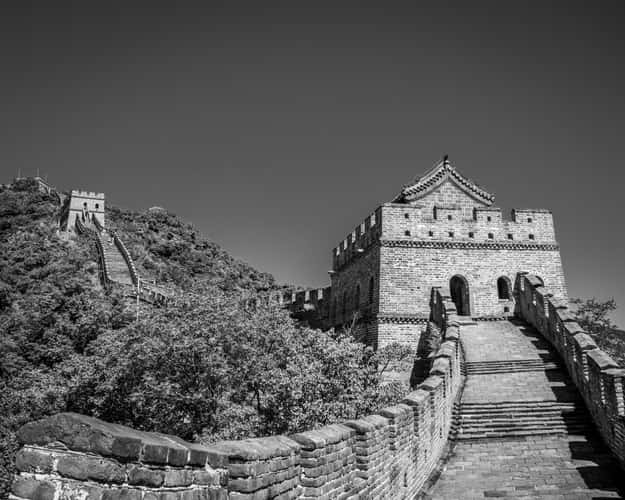
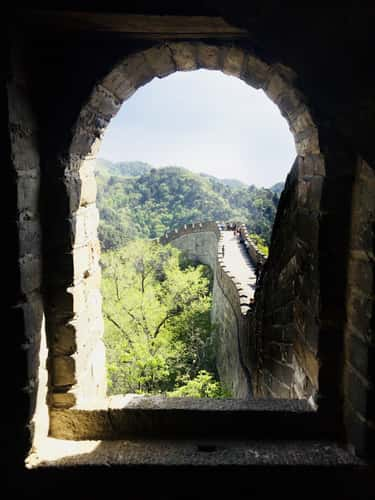
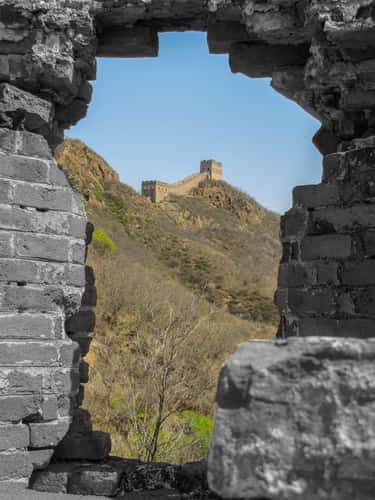
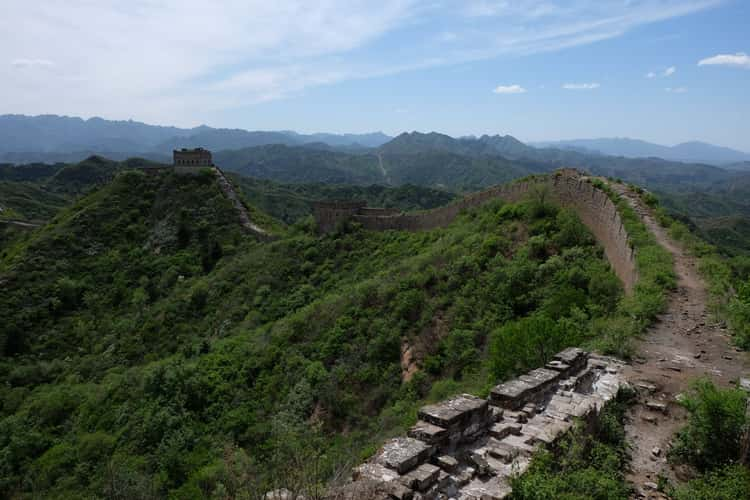
The Great Wall of China is an architectural marvel that winds through dramatic mountain landscapes, offering unparalleled opportunities for landscape and architectural photography. Its massive stone structures provide a powerful sense of scale and history against the backdrop of rugged peaks and shifting weather conditions.

latest contributors
Isabelle Hofmann Agnieszka Drobniak YANG YANG Douglas Carpenter Igli Martini

Tips for your trip to Great Wall

About the location

Photographers are drawn to the wall's unique ability to guide the viewer's eye through the frame using its undulating path as a natural leading line. Whether capturing the meticulously restored sections near Beijing or the crumbling wild wall in remote areas, the textures of ancient brick and the play of light on steep ridges create compelling compositions. The wall serves as a testament to human ingenuity and offers a diverse range of subjects, from expansive panoramas to intricate architectural details of watchtowers. Seasonal changes transform the site completely, with autumn foliage, winter snow, and spring blossoms providing distinct visual narratives throughout the year.


Best timing

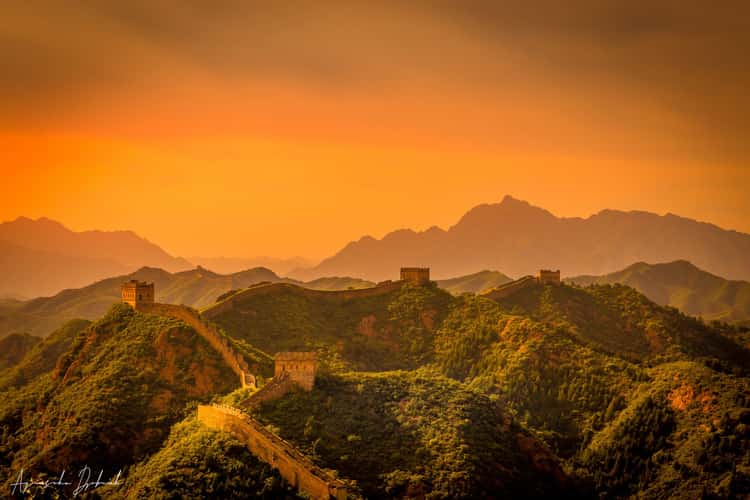
Sunrise and sunset are the gold standards for photographing the Great Wall, as the low sun angle highlights the textures of the stone and the contours of the mountains. During these golden hours, the wall is often bathed in a warm glow, and the long shadows add depth and drama to the landscape.

For the most vibrant colors, late October provides stunning fall foliage, while the winter months offer the chance to capture the wall dusted in snow, creating a minimalist and serene atmosphere. Avoiding the midday sun and peak holiday periods is crucial for both better lighting and fewer crowds.

Traveling

Accessing the Great Wall depends on the section you choose to visit. Popular restored sections like Mutianyu are easily reachable from Beijing via public buses, tourist shuttles, or private cars. For more remote and wild sections like Jiankou, hiring a private driver is highly recommended. Parking is generally available at the main tourist entrances, but the final approach often involves steep hikes or cable car rides. Photographers should be prepared for significant physical exertion, as many sections are extremely steep and require carrying gear over uneven, sometimes hazardous terrain.

Photography tips for Great Wall

To capture the true scale of the wall, use a wide-angle lens for expansive vistas, but don't forget a telephoto lens to compress the layers of mountains and focus on distant watchtowers. Look for S-curves and leading lines where the wall follows the mountain ridges to create dynamic compositions. Arriving early or staying late is key to avoiding tourists, though staying for sunset may require a permit or a stay in a nearby village for certain sections. For wild sections, ensure you have sturdy footwear and a tripod capable of handling wind, as these areas are unmaintained and can be quite exposed.

Other languages

Here is how Great Wall is called in other languages:
CS Velká čínská zeď DE Chinesische Mauer EL Σινικό Τείχος ES Gran Muralla China FI Kiinan muuri FR Grande Muraille de Chine HI चीन की विशाल दीवार HR Kineski zid IS Kínamúrinn IT Grande muraglia cinese JA 万里の長城 NL Chinese Muur NO Den kinesiske mur PL Wielki Mur Chiński PT Grande Muralha da China RU Великая Китайская стена SV Kinesiska muren TR Çin Seddi ZH 万里长城

Imprint & Contact © Locationscout 2026 Privacy / Terms