

2 Photo Spots at the Lake Lunz

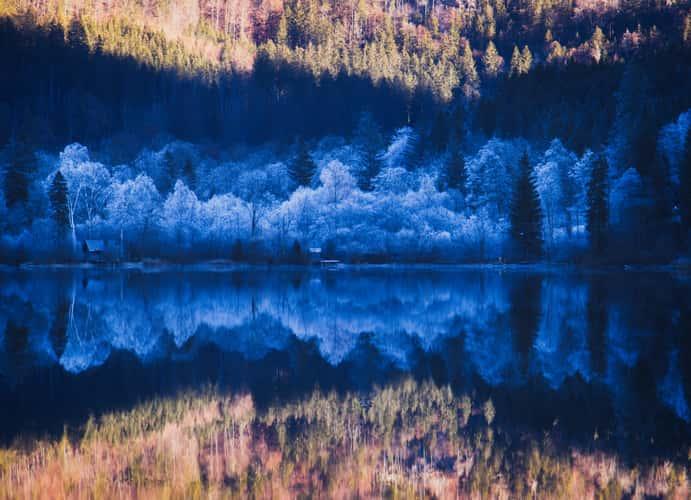
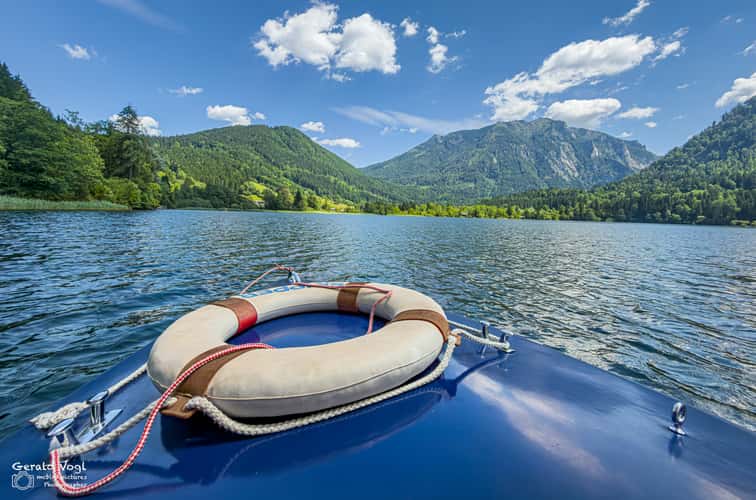
Lake Lunz is the only natural lake in Lower Austria, offering a pristine alpine setting with crystal-clear emerald waters mirrored against the backdrop of the Dürrenstein mountains. Its unique blend of dramatic landscape and iconic wooden structures, like the famous diving tower, makes it a premier destination for landscape and fine-art photographers alike.

latest contributors
GeraldMcBird Gregor Uhl

Top photos from 2 spots at the Lake Lunz

Tips for your trip to Lake Lunz

About the location

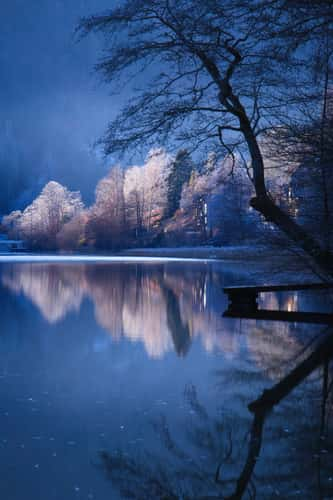
The lake's appeal lies in its stillness and the way it captures the changing light throughout the day. Photographers are particularly drawn to the Seebühne, an award-winning lake stage that provides a geometric contrast to the organic shapes of the surrounding nature. In the early morning, a layer of mist often dances across the surface, providing a moody, ethereal atmosphere that is hard to find elsewhere in the region. The surrounding forests change color dramatically with the seasons, offering a rich palette of greens in summer and vibrant oranges and reds in autumn. Whether you are capturing the grand scale of the valley or focusing on the intricate reflections of the lakeside boathouses, Lake Lunz provides endless creative opportunities.
Best timing

The most magical time for photography at Lake Lunz is during the early morning hours just before and after sunrise. This is when the water is typically at its calmest, creating perfect reflections, and you are most likely to encounter the characteristic low-lying mist that adds a sense of mystery to your shots.

Seasonally, autumn is spectacular due to the dense forest surrounding the lake turning into a canvas of warm colors, usually peaking in mid-to-late October. Winter is also highly recommended when the lake and the surrounding peaks are covered in snow, often resulting in a minimalist, high-key landscape that looks incredible in black and white.

Traveling

Lake Lunz is located in the town of Lunz am See in Lower Austria. It is most easily accessible by car via the A1 motorway and then following the B25 towards the mountains. There are several designated parking areas near the lake's northern shore, including a large lot near the public lido (Seebad), though these can fill up quickly during summer weekends. For photographers, the entire perimeter of the lake is accessible via a well-maintained hiking trail. The lake is small enough to be explored entirely on foot, which is the best way to find unique vantage points away from the main tourist areas.

Photography tips for Lake Lunz

To capture the best reflections, bring a sturdy tripod and arrive before the wind picks up in the mid-morning. Using a circular polarizer is essential here to either cut through the surface glare to reveal the green depths of the water or to enhance the reflections of the mountains. The wooden diving tower is a classic subject; try using a long exposure to smooth out the water even further, creating a minimalist architectural shot. Don't forget to explore the southern end of the lake, where the inflow of the Seebach river creates interesting textures and leading lines. A wide-angle lens is great for the scale of the mountains, but a telephoto lens can help you isolate the small boathouses or the texture of the forest on the slopes.

Other languages

Here is how Lake Lunz is called in other languages:
CS Lunzské jezero DE Lunzer See EL Λίμνη Λουντς ES Lago de Lunz FI Lunz-järvi FR Lac de Lunz HI लुन्ज़ झील HR Lunjsko jezero IS Lunz-vatn IT Lago di Lunz JA ルンツ湖 NL Meer van Lunz NO Lunzvatnet PL Jezioro Lunz PT Lago de Lunz RU Лунцер-Зее SV Lunzsjön TR Lunz Gölü ZH 伦茨湖

Imprint & Contact © Locationscout 2026 Privacy / Terms