1 Photo Spot at the Waibaidu Bridge

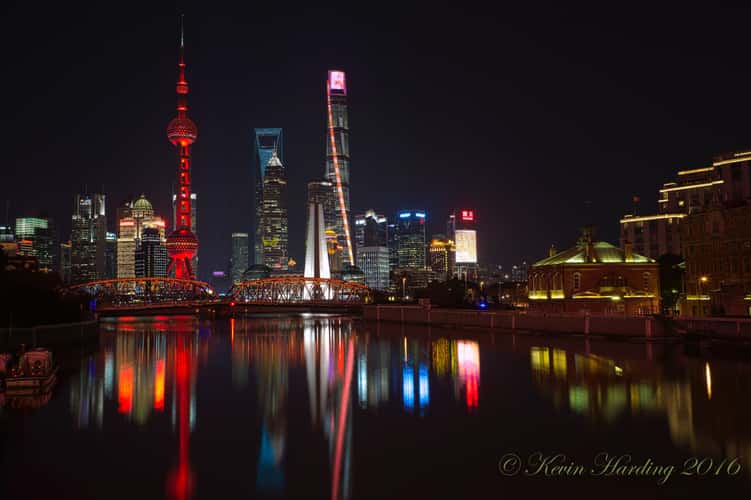
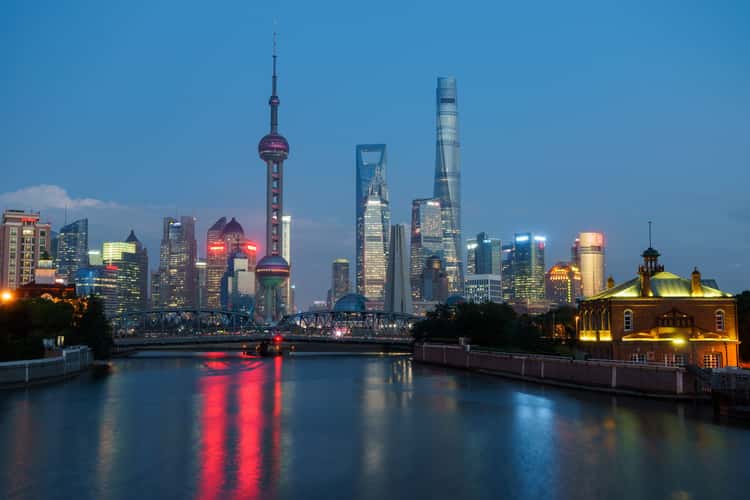
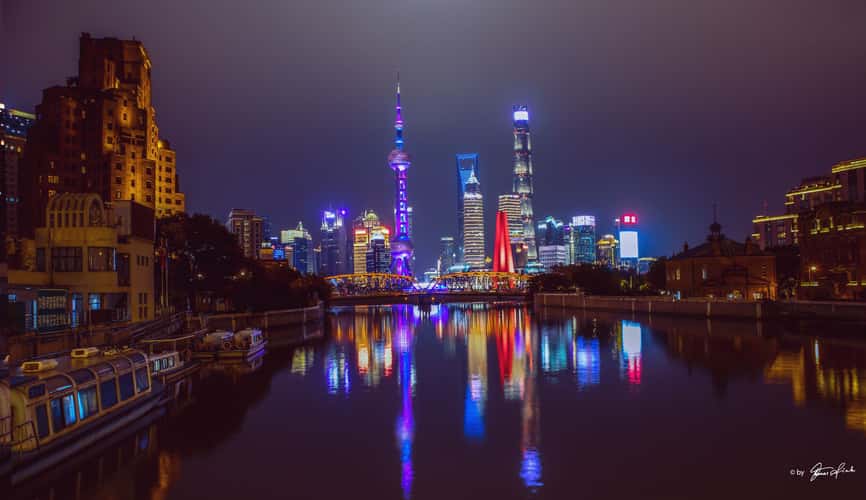
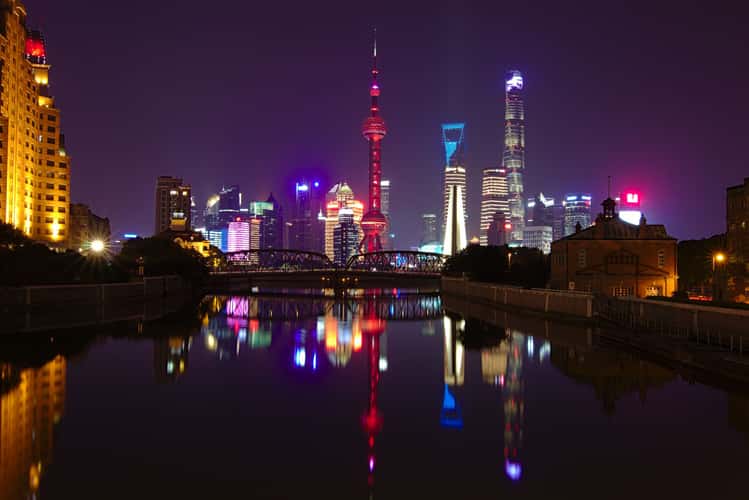
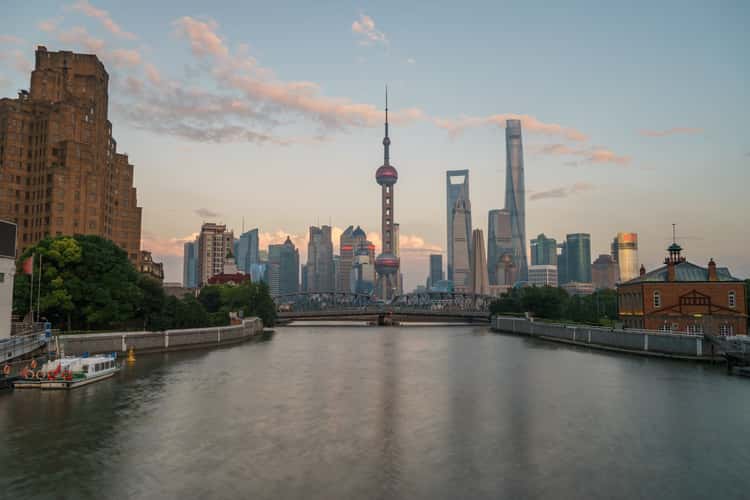
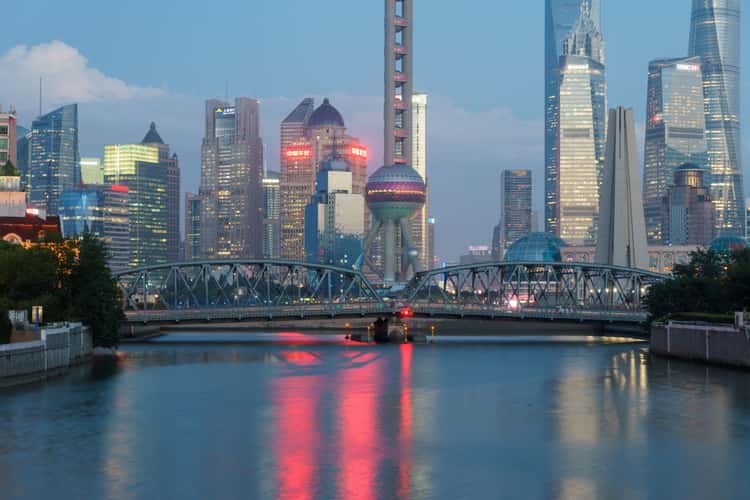
The Waibaidu Bridge is Shanghai's oldest all-steel bridge and a striking symbol of the city's rich architectural history. It offers a unique vantage point that perfectly frames the futuristic Lujiazui skyline through its industrial, colonial-era trusses.

Tips for your trip to Waibaidu Bridge

About the location

Built in 1907, this "Garden Bridge" is a masterclass in early 20th-century engineering, providing photographers with a rugged, metallic foreground that contrasts beautifully against the sleek glass of the Oriental Pearl Tower and surrounding skyscrapers. Its location at the confluence of the Suzhou Creek and the Huangpu River makes it a pivotal spot for capturing the intersection of old and new Shanghai. Photographers flock here to utilize the bridge's leading lines and the dramatic evening illumination that transforms the steel structure into a glowing golden frame for the city’s most famous landmarks.

Best timing

The absolute best time to photograph the Waibaidu Bridge is during the blue hour and late into the evening when the city lights and the bridge's own illumination are in full effect. The glowing steel provides a warm foreground against the cool tones of the evening sky and the neon-lit Pudong skyline.

Sunrise is also highly recommended for those looking to avoid the heavy crowds of tourists and wedding photographers that frequent the area. During the early morning, the soft, low-angled light hits the Bund's historic buildings and the bridge's steelwork, offering a cleaner and more serene atmosphere.

Traveling

Waibaidu Bridge is located at the northern end of the Bund in central Shanghai. The most convenient way to reach it is via the Shanghai Metro, taking Line 2 or Line 10 to the East Nanjing Road Station, followed by a 10 to 15-minute walk north along the Bund. Alternatively, numerous public buses stop near the bridge, and taxis or ride-sharing services are readily available throughout the city. Because the area is a high-traffic tourist zone, parking is extremely limited and expensive; photographers are strongly advised to use public transportation or walk. The bridge itself is pedestrian-friendly, allowing for easy movement to find the best angles.

Photography tips for Waibaidu Bridge

To get the most out of Waibaidu Bridge, bring a wide-angle lens to capture the massive scale of the steel trusses while including the Lujiazui skyline in the background. Using a tripod is essential for long-exposure shots at night, which can turn the moving traffic lights into streaks of color and smooth out the water of the Suzhou Creek. Experiment with low-angle shots from the pedestrian walkway to emphasize the rhythmic patterns of the steel rivets and beams as leading lines. Be mindful of the frequent wedding photoshoots; arriving very early in the morning can help you secure a prime spot without interference. For a different perspective, walk a short distance along the Suzhou Creek bank to include the reflection of the bridge and the skyscrapers in the water.

Other languages

Here is how Waibaidu Bridge is called in other languages:
CS Most Waibaidu DE Waibaidu-Brücke EL Γέφυρα Βαϊμπάιντου ES Puente Waibaidu FI Waibaidu-silta FR Pont Waibaidu HI वायबाइदू ब्रिज HR Most Waibaidu IS Waibaidu-brúin IT Ponte Waibaidu JA 外白渡橋 NL Waibaidubrug NO Waibaidu-broen PL Most Waibaidu PT Ponte Waibaidu RU Мост Вайбайду SV Waibaidu-bron TR Waibaidu Köprüsü ZH 外白渡桥

Other bridges in China

Imprint & Contact © Locationscout 2026 Privacy / Terms