


61 Photo Spots in Bas-Rhin

The Bas-Rhin region is a rewarding destination for photographers because it combines Alsatian character with a wide variety of landscapes in a relatively small area.

latest contributors
David Maki Till Vallée Klaus L. Lev Levin Juergen Mueller

Tips for your trip to Bas-Rhin

About the location

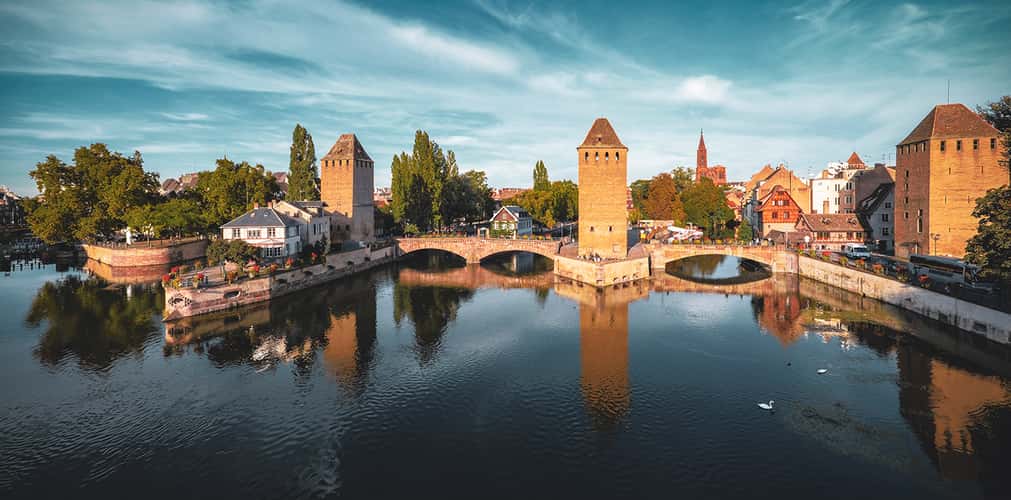
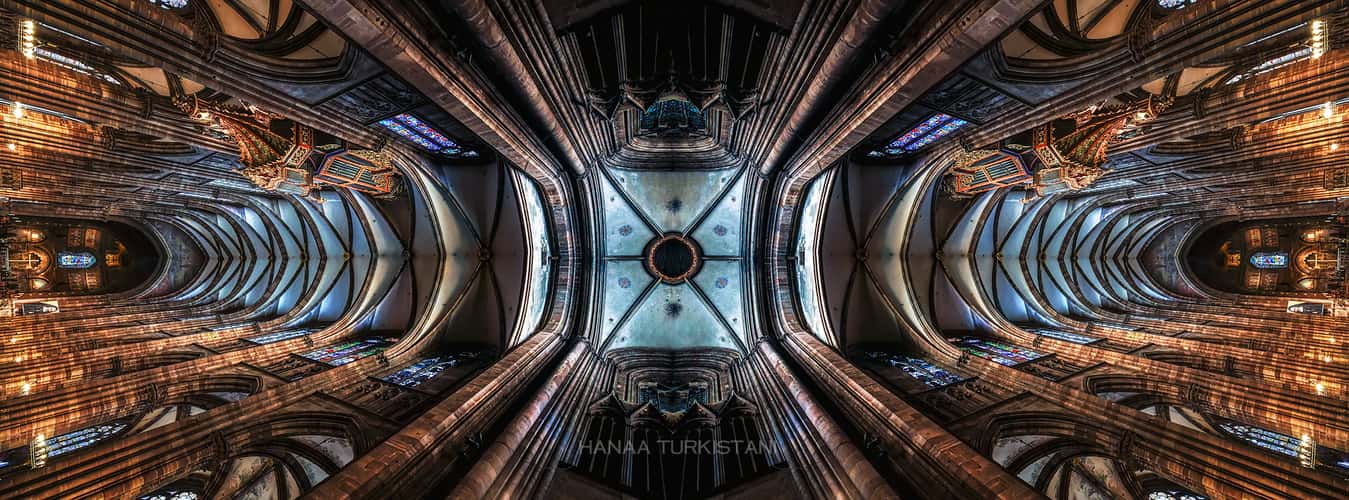
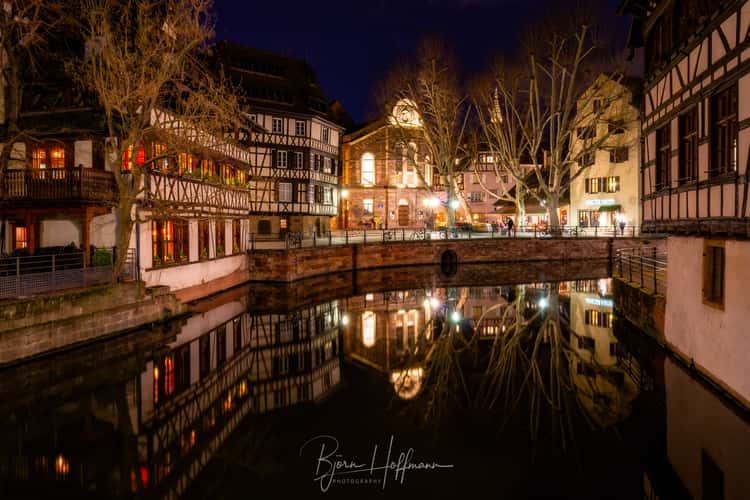
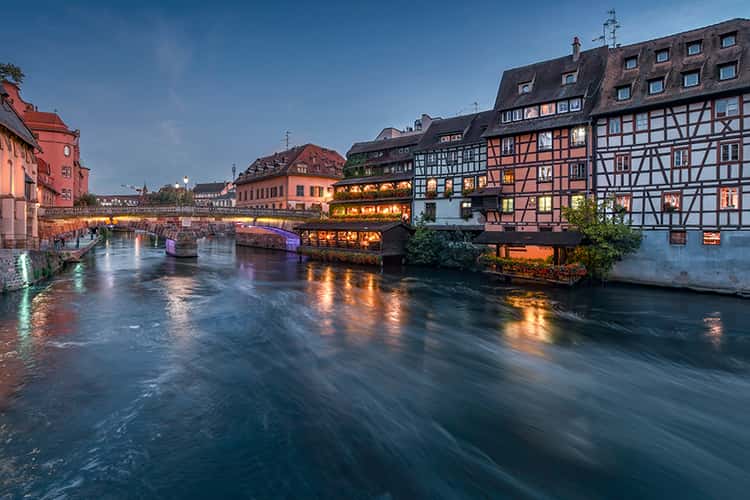
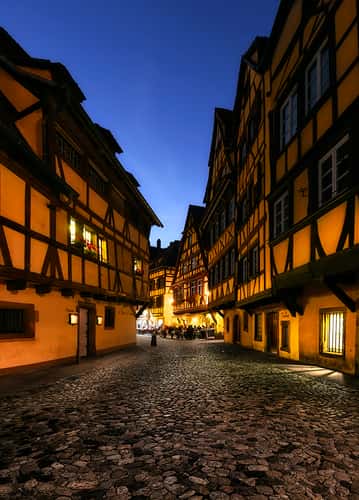
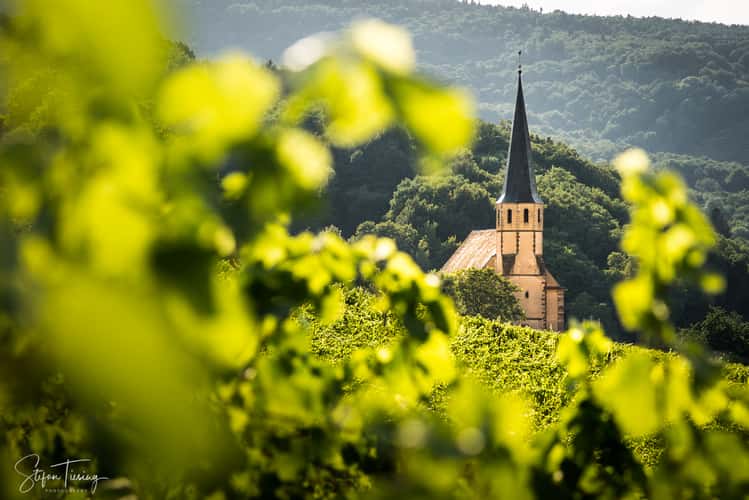
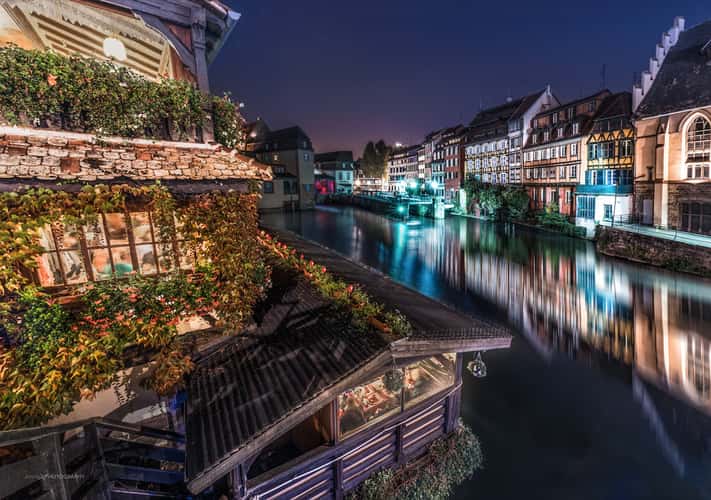
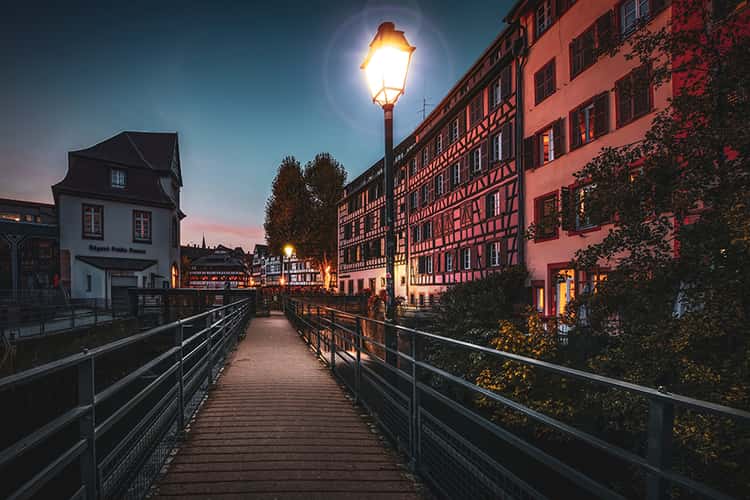
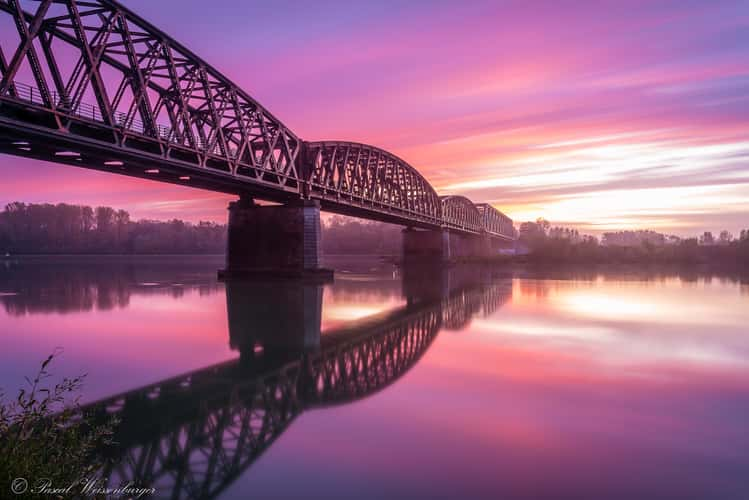
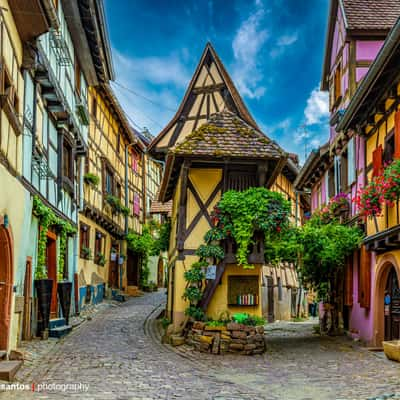
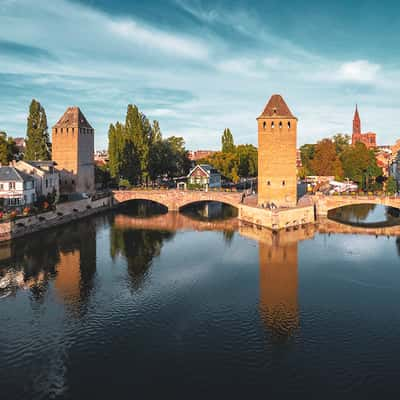
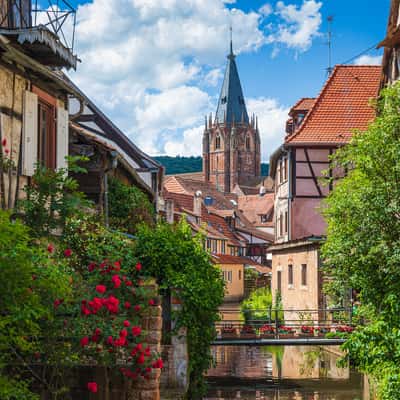
You can capture half-timbered villages like Obernai or Andlau, vineyards stretching across gentle hills, medieval castles such as Château du Haut Koenigsbourg, and historic city scenes in Strasbourg with its cathedral and canals. The mix of French and German architectural influences gives towns and villages a distinctive look that feels both authentic and visually rich. Seasonal changes add even more variety, from spring blossoms in the vineyards to warm autumn colors along the Route des Vins.

Nature photographers will also find plenty to work with in the Vosges foothills and along the Rhine plain. Forests, rolling hills, and quiet rivers create strong opportunities for moody landscapes, especially in early morning fog or soft evening light. Wildlife, rural farm scenes, and panoramic viewpoints are easy to reach, often within short driving distances. Because the region is less crowded than some major French photography hotspots, you can take your time composing shots and exploring lesser-known locations, making Bas-Rhin an excellent choice for photographers who value diversity, atmosphere, and calm exploration.


Best timing

For photography, the best time to visit the Bas-Rhin region is from late April to June and from September to October. Spring offers fresh green vineyards, flowering trees, and clear views of the Vosges foothills, while autumn brings warm colors, grape harvest scenes, and soft golden light across villages and wine routes. Early mornings are especially rewarding throughout the year, as fog often settles in valleys and vineyards, creating atmospheric scenes. Winter can also be appealing if you are interested in Christmas markets and festive village decorations, though daylight hours are short and the weather can be unpredictable.

Traveling

Bas-Rhin is easy to reach and convenient to explore. Strasbourg is the main transport hub, with direct train connections from major cities like Paris, Frankfurt, and Stuttgart, as well as an international airport just outside the city. Once there, renting a car is the best option for photographers, as it allows flexible access to villages, vineyards, castles, and viewpoints that are hard to reach by public transport. Trains and regional buses work well for traveling between Strasbourg and larger towns, but a car gives you the freedom to chase light, stop spontaneously, and reach quieter rural locations at sunrise or sunset.

Photography tips for Bas-Rhin

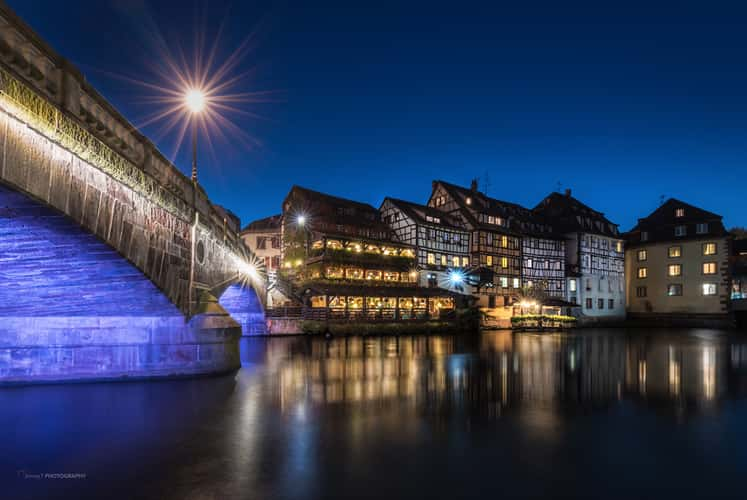
When photographing the Bas-Rhin region, focus on light and timing to bring out its character. Blue hour and early morning are ideal for towns like Strasbourg or small villages along the wine route, when streets are quiet and warm window light adds atmosphere. A moderate wide-angle lens works well for half-timbered houses and narrow streets, while a short telephoto is useful for compressing vineyard rows and isolating castles on hilltops. In rural areas, look for elevated viewpoints at sunrise to capture layers of vineyards, villages, and distant Vosges ridges, and do not overlook details such as doorways, signs, and vineyard textures that reflect the region’s unique Alsatian identity.

Other languages

Here is how Bas-Rhin is called in other languages:
CS Dolní Rýn DE Unterelsass EL Κάτω Ρήνος ES Bajo Rin FI Bas-Rhin FR Bas-Rhin HI निचला राइन HR Donji Rajna IS Neðri Rín IT Bas-Rhin JA バ=ラン県 NL Bas-Rhin NO Bas-Rhin PL Dolny Ren PT Baixo Reno RU Нижний Рейн SV Bas-Rhin TR Aşağı Ren ZH 下莱茵

Imprint & Contact © Locationscout 2026 Privacy / Terms