

94 Photo Spots in Xinjiang

Xinjiang is a vast and culturally diverse autonomous region in Northwest China, offering photographers an unparalleled blend of dramatic landscapes and vibrant ethnic traditions. Its unique geography spans from the arid Taklamakan Desert to the lush grasslands of Ili, providing a kaleidoscope of visual storytelling opportunities.

latest contributors
Jordan Lancaster-Graham Annemarie Berlin

Tips for your trip to Xinjiang

About the location

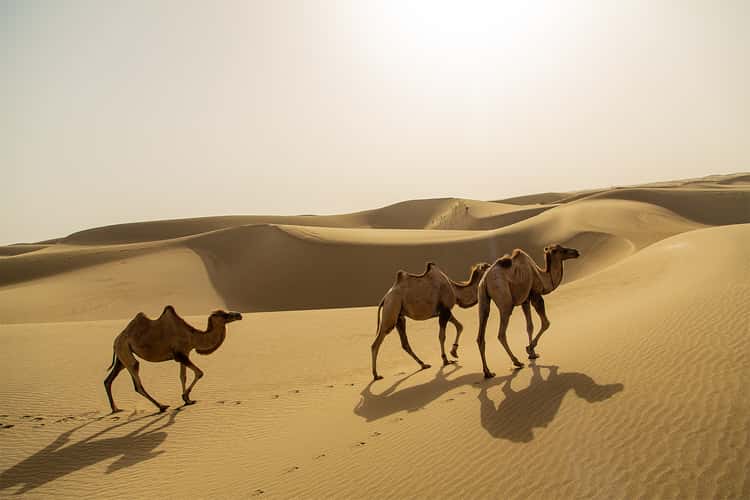
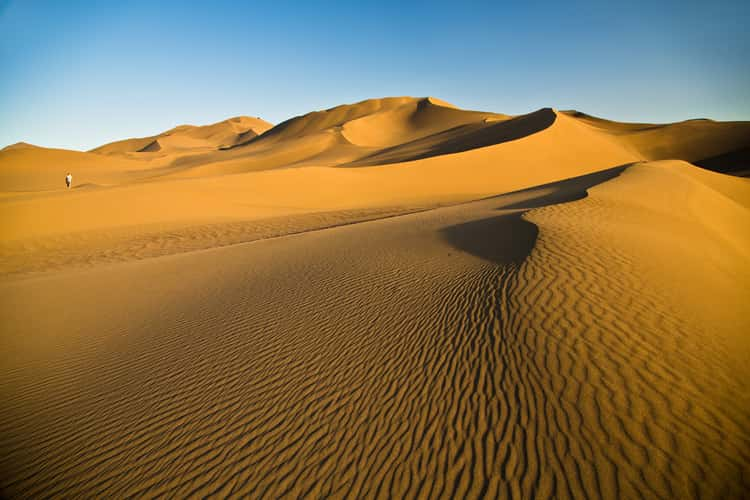
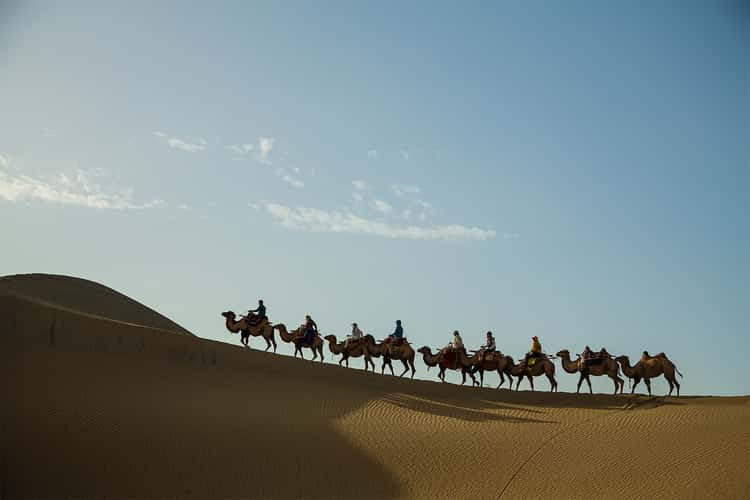
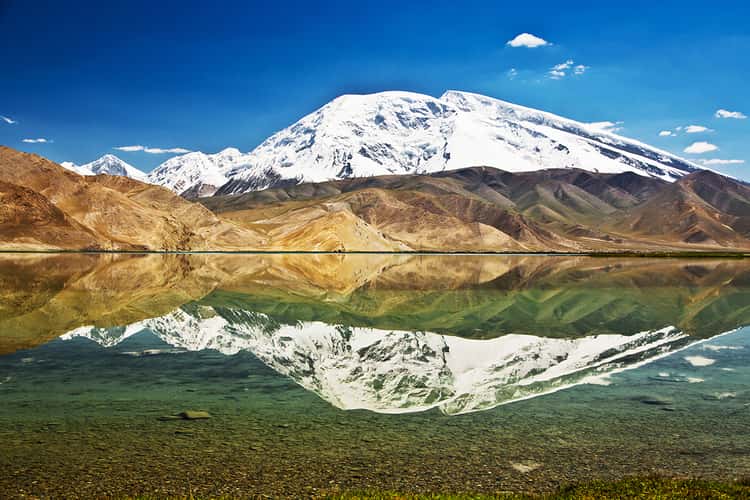
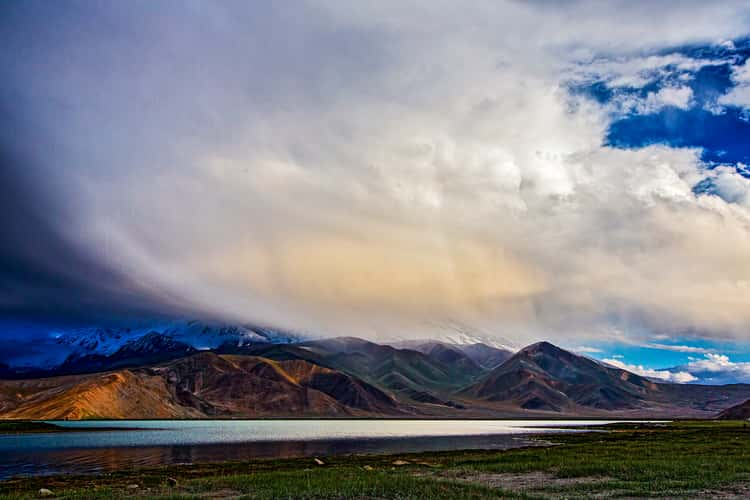
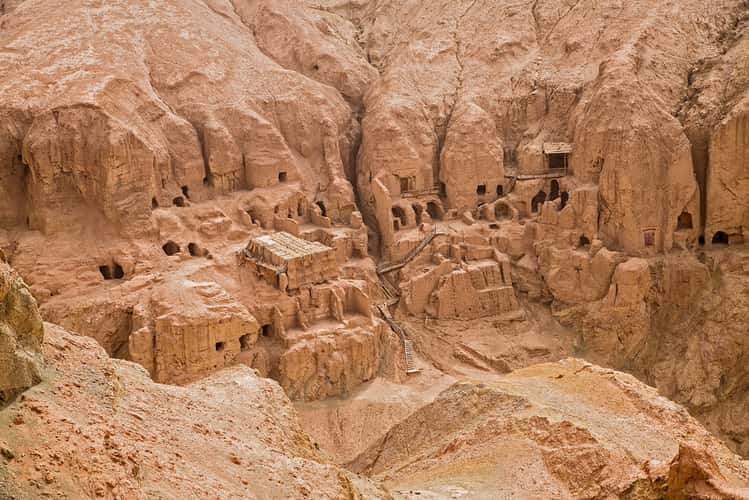
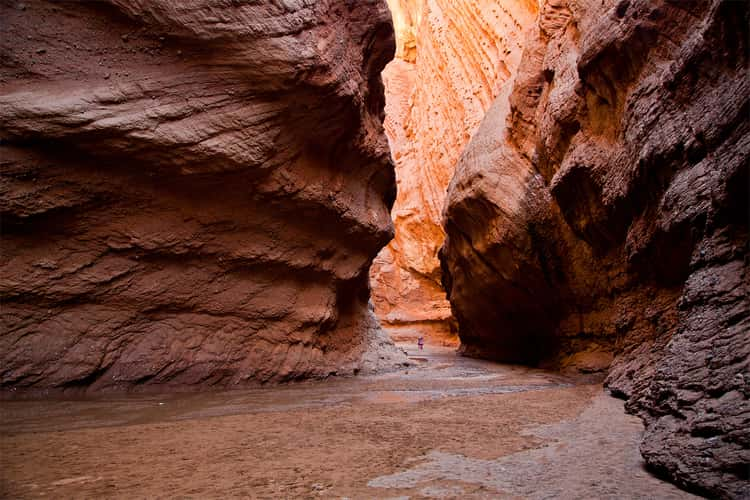
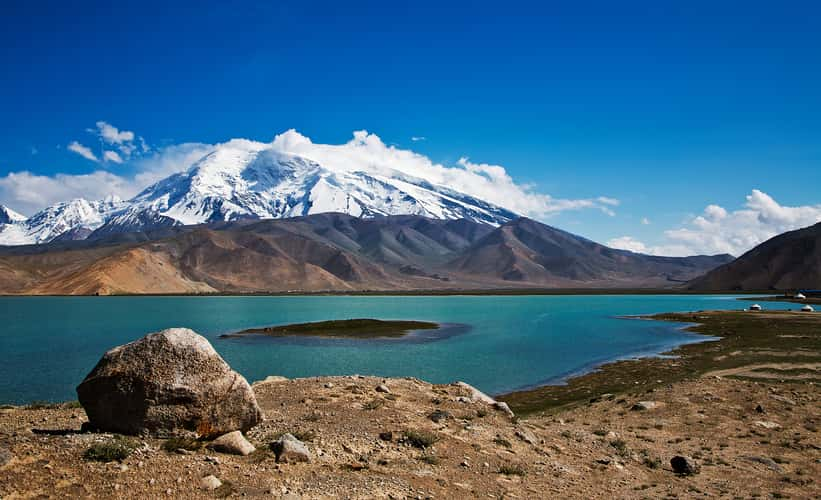
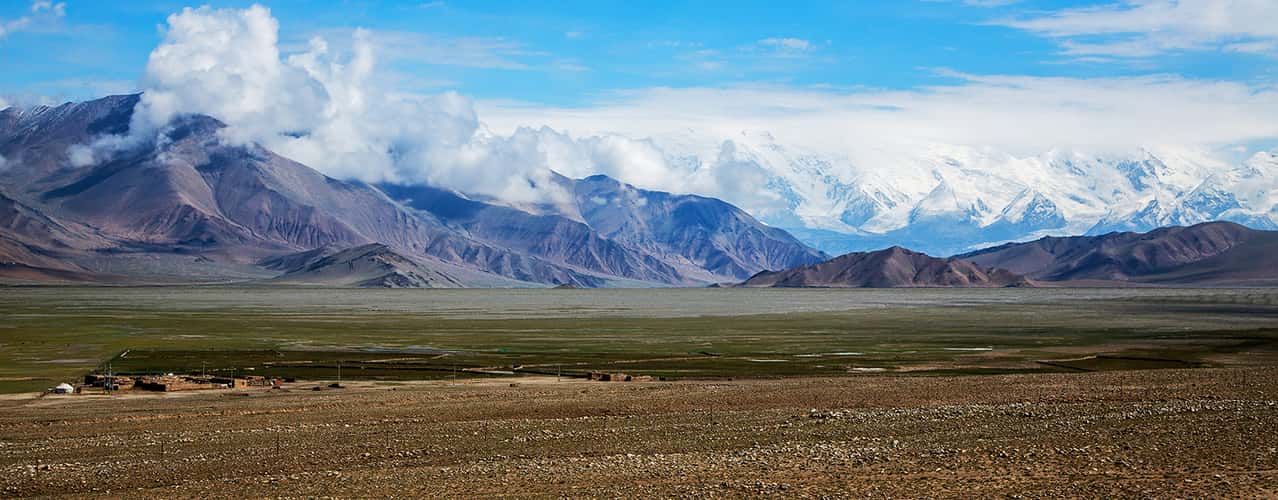
Xinjiang's charm lies in its extreme contrasts, where the ancient Silk Road heritage meets colossal natural wonders. The region is famous for the Silk Road history, where ancient ruins and bustling bazaars in cities like Kashgar provide a window into a past era. For landscape photographers, the Kanas Lake region offers emerald waters surrounded by larch forests, while the Tianshan Mountains present jagged snow-capped peaks.

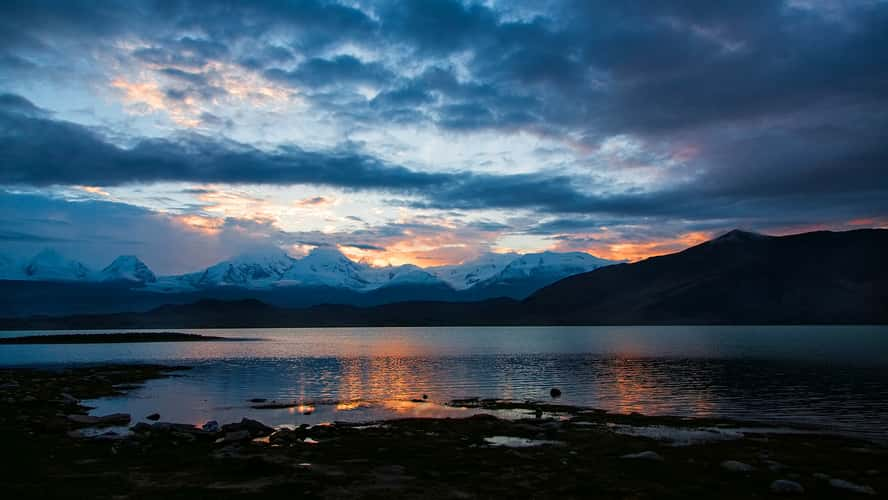
The Sayram Lake and the Bayanbulak Grassland are essential stops for those looking to capture mirror-like reflections and the "Nine Suns" phenomenon at sunset. From the ethereal "Ghost City" rock formations to the vibrant Uighur culture, every corner of Xinjiang provides a unique narrative for the lens.

Best timing

Autumn, specifically September and October, is the most visually spectacular time to visit Xinjiang as the northern forests transform into a vibrant sea of gold. June is another prime window, offering the peak bloom of lavender and wildflowers across the Ili Valley grasslands.

Winter photography has become increasingly popular in the Altay region for those seeking minimalist snowscapes and traditional Kazakh winter life. Spring is generally avoided due to the high frequency of sandstorms and unpredictable weather conditions.

Traveling

Travelers typically enter through Ürümqi Diwopu International Airport or the high-speed rail network connecting to eastern China. Because of the enormous distances between scenic spots, renting a vehicle with a professional driver is highly recommended for photographers carrying heavy equipment. Security is tight throughout the region, so always carry your passport and expect frequent checkpoints on highways and at city entrances. While domestic flights connect major cities like Kashgar and Altay, a private car offers the flexibility needed to stop for lighting and spontaneous landscape opportunities.

Photography tips for Xinjiang

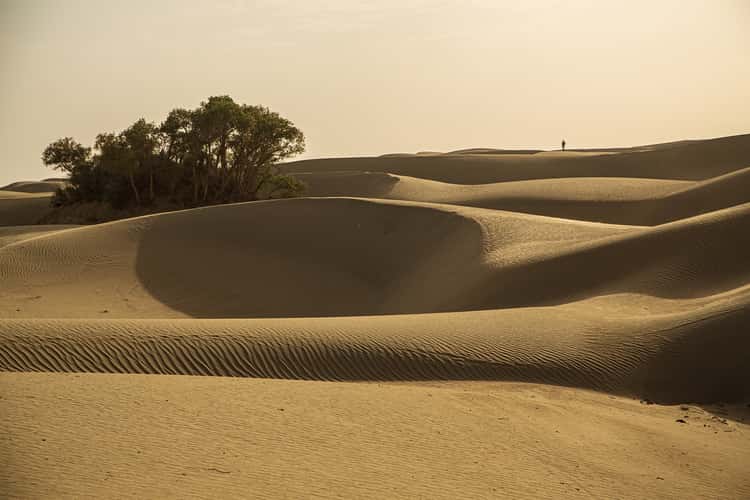
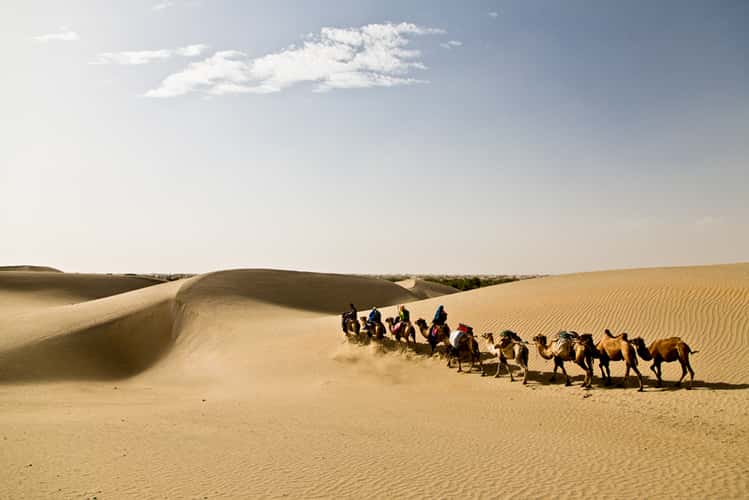
In the old city of Kashgar, focus on capturing the interplay of light and shadow in the narrow alleys using a fast prime lens like a 35mm. For the vast landscapes of the Tianshan or the Taklamakan Desert, a sturdy tripod and a graduated ND filter are essential to balance the bright sky with the foreground. Use a telephoto lens to compress the layers of the Yardang landforms or to capture the remote nomadic herds on the grasslands. Respect local customs when photographing people, especially in religious or sensitive areas; it is always best to ask permission before taking a portrait. Given the dust in the desert and the cold in the mountains, bring adequate cleaning kits and extra batteries.

Other languages

Here is how Xinjiang is called in other languages:
CS Sin-ťiang DE Xinjiang EL Σιντσιάνγκ ES Xinjiang FI Xinjiang FR Xinjiang HI शिंजियांग HR Xinjiang IS Xinjiang IT Xinjiang JA 新疆 NL Xinjiang NO Xinjiang PL Sinciang PT Xinjiang RU Синьцзян SV Xinjiang TR Sincan ZH 新疆

Other regions in China

Imprint & Contact © Locationscout 2026 Privacy / Terms