




89 Photo Spots in the North Sea

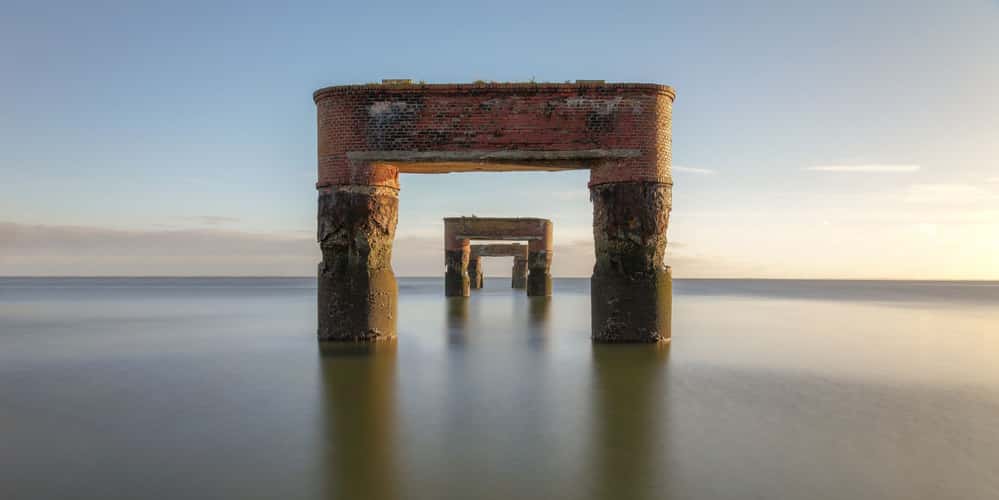
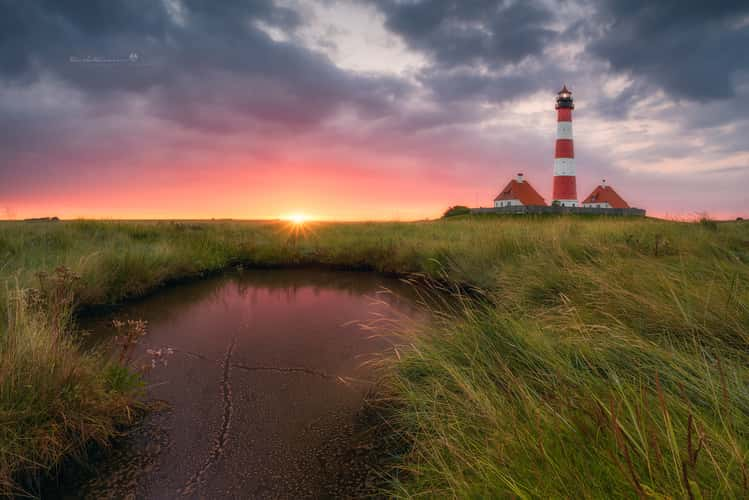
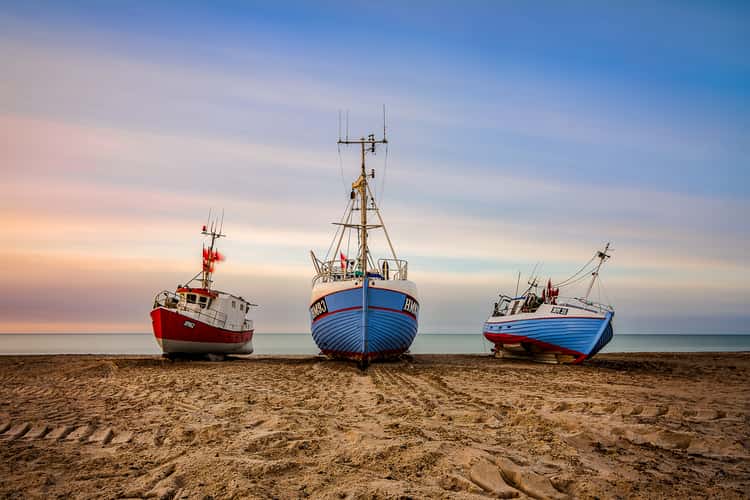
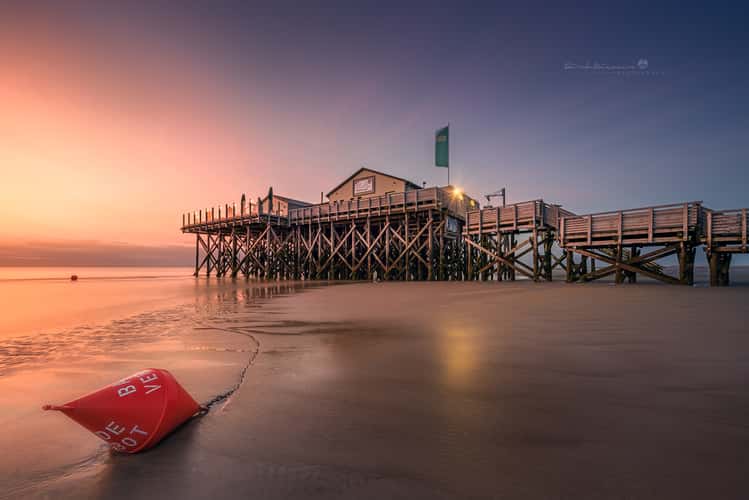
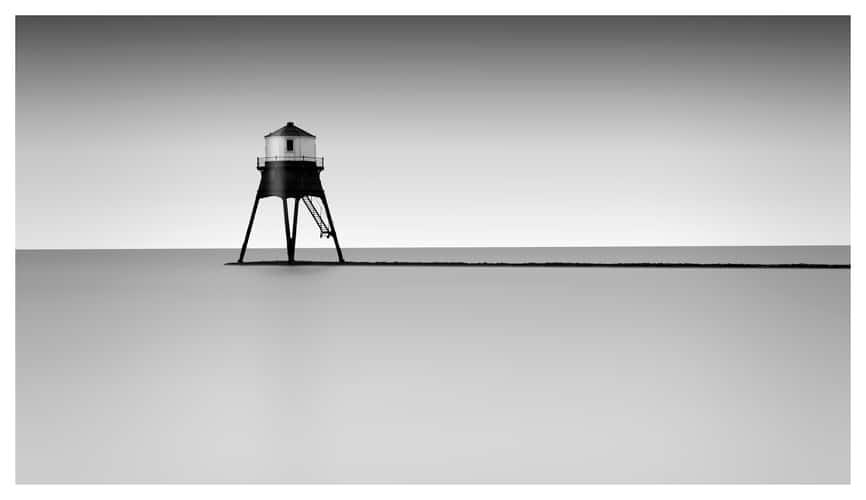
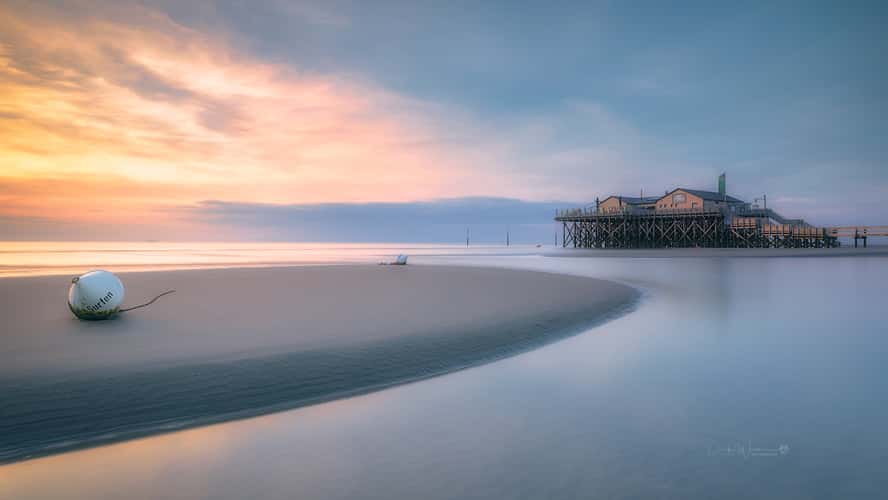
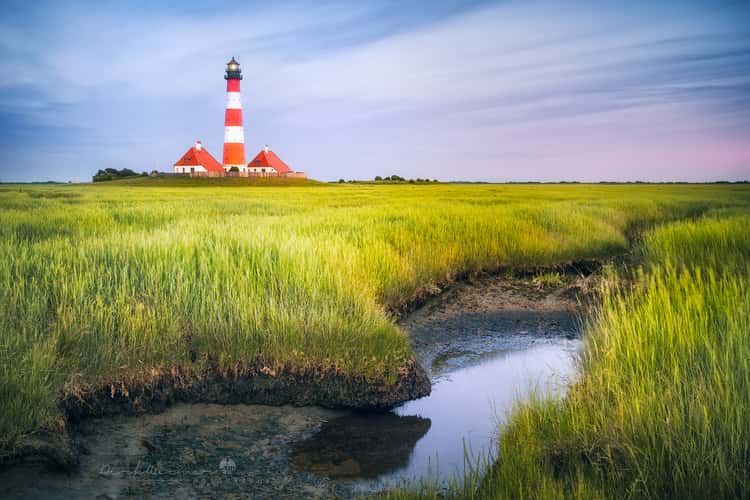
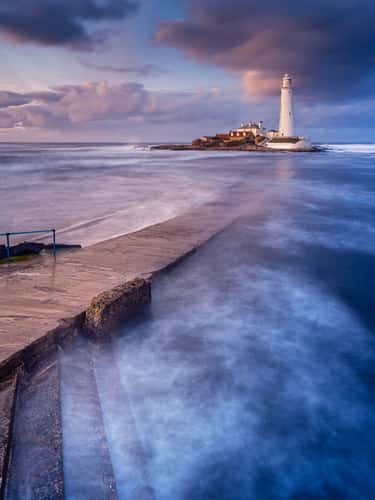
The North Sea offers a dramatic and ever-changing maritime landscape characterized by moody weather, vast horizons, and diverse coastal features. It is a premier destination for photographers seeking to capture the raw power of the Atlantic's influence, ranging from the serene Wadden Sea to the rugged cliffs of Scotland and Norway.

latest contributors
Dirk De Meyer Rene Limjoco Bernd Nonnenmacher Manuel Becker Matthias Prell

Tips for your trip to North Sea

About the location

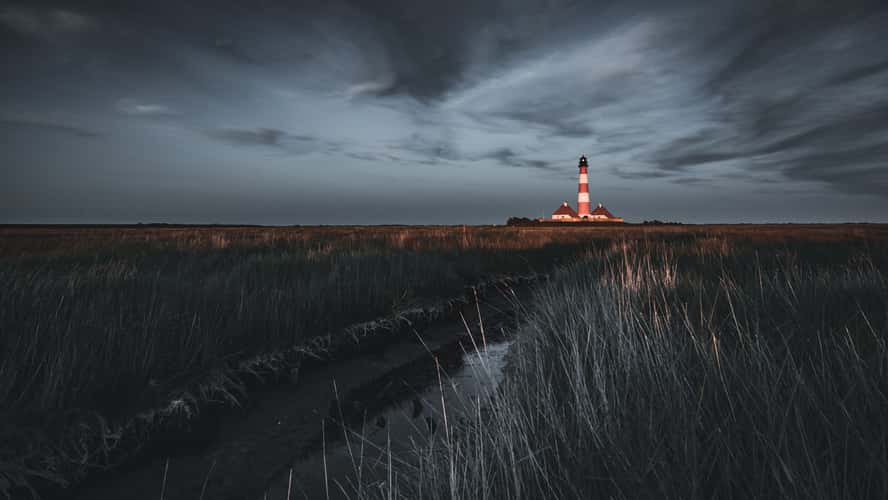
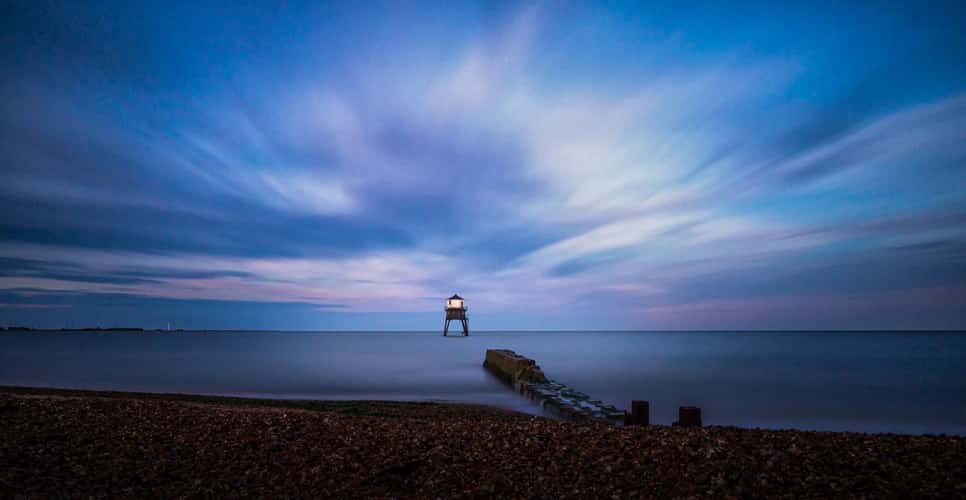
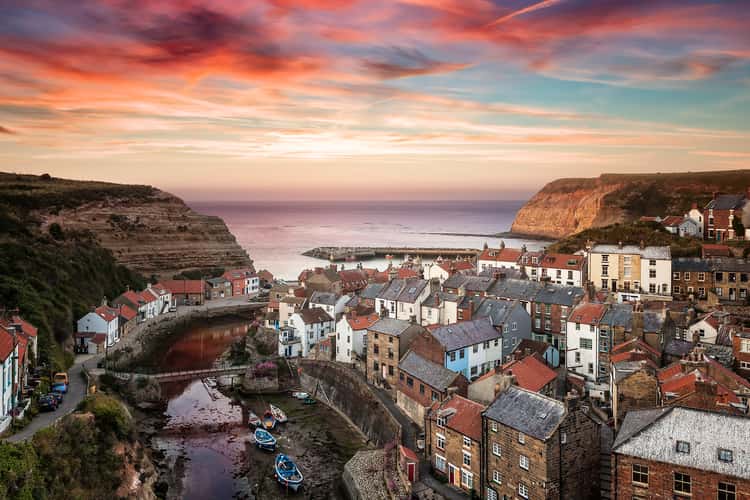
The North Sea is renowned for its unique lighting conditions, where maritime mists and fast-moving storm clouds create high-contrast scenes perfect for fine-art black and white photography. Along its shores, photographers can find a variety of subjects, including historic lighthouses, traditional fishing villages, and expansive sand dunes. The intertidal zones, particularly the UNESCO-listed Wadden Sea, provide abstract patterns of water and sand during low tide that are a dream for aerial and long-exposure enthusiasts.

Furthermore, the sea is home to diverse wildlife, from seal colonies on sandbanks to massive seabird colonies on sheer northern cliffs. The juxtaposition of industrial elements, such as offshore wind farms and busy shipping lanes, against the natural beauty of the coastline offers a contemporary take on maritime photography. Whether capturing the quiet solitude of a foggy morning or the violent surge of a winter gale, the North Sea provides endless creative possibilities.


Best timing

Autumn and winter are arguably the best seasons for photographers due to the dramatic weather systems that bring spectacular cloud formations and powerful waves. During these months, the low angle of the sun provides long, golden hours and soft light that enhances the textures of the landscape.

Spring is also excellent for bird photography as millions of migratory birds stop along the coasts. For those looking for calmer conditions and the blue hour over coastal towns, late summer offers pleasant temperatures and clearer skies, though the light is harsher during midday.

Traveling

Accessing the North Sea is straightforward as it is bordered by several major European nations including the UK, Norway, Denmark, Germany, the Netherlands, Belgium, and France. Major coastal cities like Hamburg, Amsterdam, Edinburgh, and Bergen serve as excellent hubs with international airports and extensive rail links. To explore the more remote coastal sections or islands, renting a car is highly recommended, as public transport can be sparse in rural areas. Many coastal areas have well-maintained parking lots near beaches and viewpoints, though some islands are car-free and require ferry travel.

Photography tips for North Sea

Use a sturdy tripod and a set of Neutral Density (ND) filters to capture the motion of the tides and clouds through long exposures. Protecting your gear from salt spray and sand is crucial; always carry a rain cover and plenty of microfiber cloths to wipe your lens frequently. Wide-angle lenses are essential for capturing the vastness of the horizons, while a telephoto lens is better for compressing layers of waves or photographing distant lighthouses and wildlife. Pay close attention to the tide tables, as the landscape changes completely between high and low tide, especially in the flat regions of the southern North Sea.

Other languages

Here is how North Sea is called in other languages:
CS Severní moře DE Nordsee EL Βόρεια Θάλασσα ES Mar del Norte FI Pohjanmeri FR Mer du Nord HI उत्तरी सागर HR Sjeverno more IS Norðursjór IT Mare del Nord JA 北海 NL Noordzee NO Nordsjøen PL Morze Północne PT Mar do Norte RU Северное море SV Nordsjön TR Kuzey Denizi ZH 北海

Imprint & Contact © Locationscout 2026 Privacy / Terms