

111 Photo Spots in Arctic

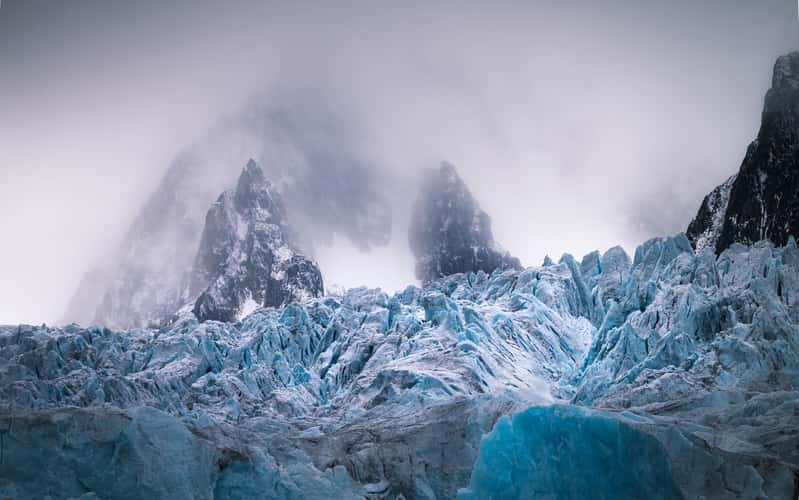
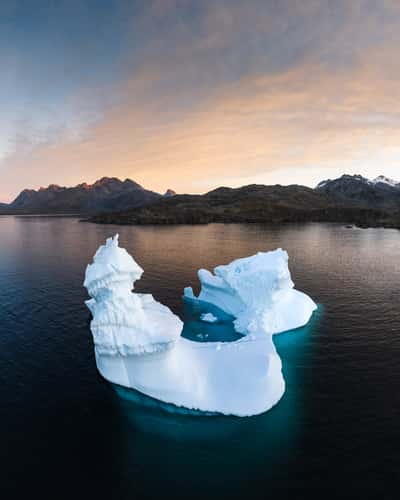
The Arctic is one of the most extreme and visually rewarding environments on Earth, offering photographers a surreal landscape of ice, unique wildlife, and ethereal light. Its vast, untouched wilderness provides a sense of scale and isolation that is hard to find anywhere else in the world.

latest contributors
Sebastian Lehrke Mark Keating

Tips for your trip to Arctic

About the location

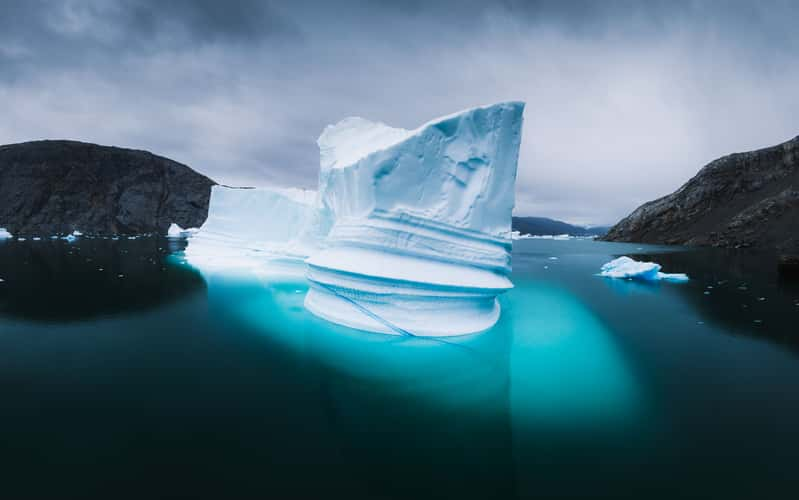
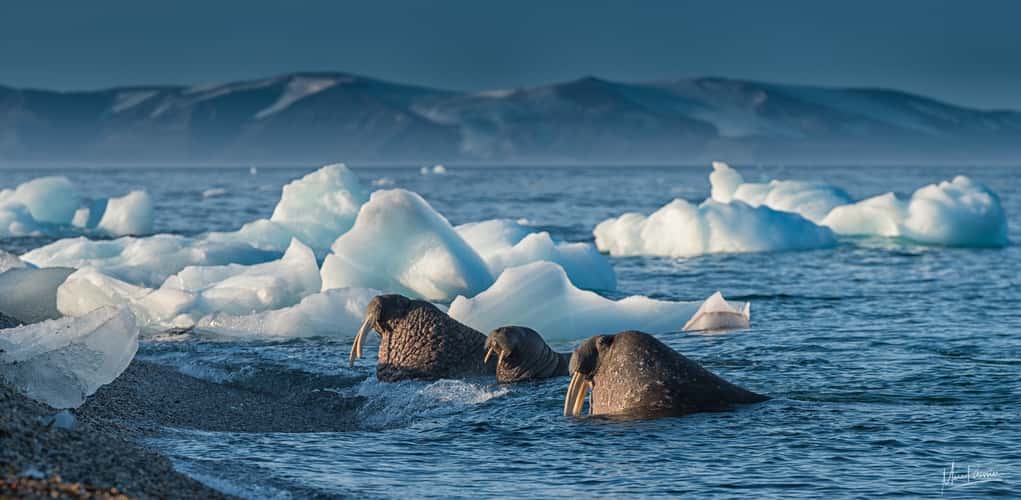
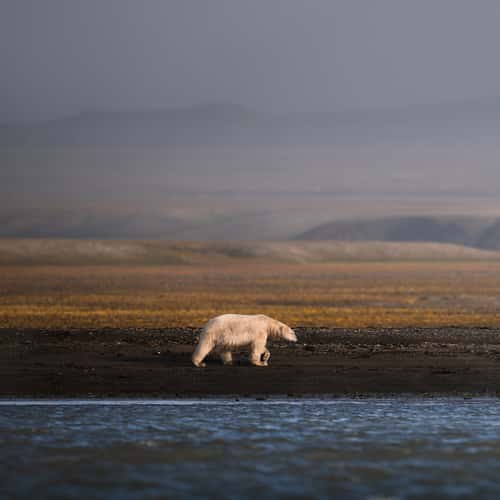
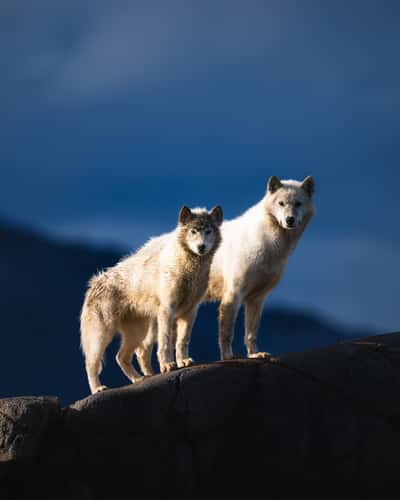
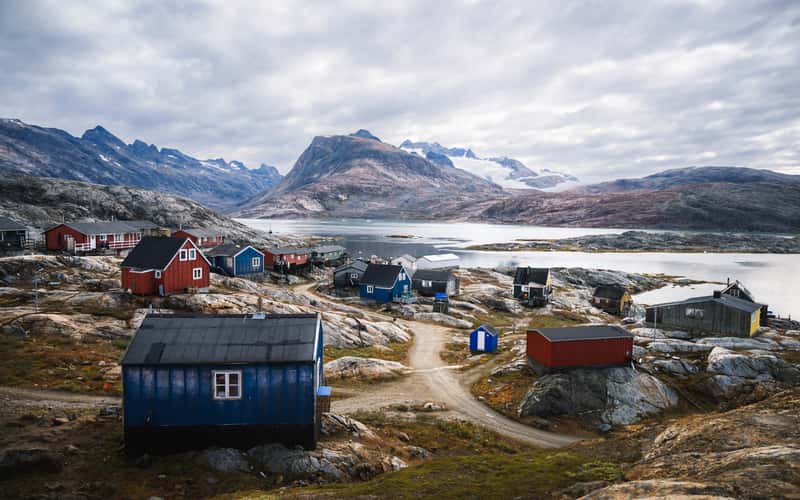
Photographers are drawn to the Arctic for its dramatic lighting conditions, particularly the "Midnight Sun" in summer and the "Polar Night" in winter, which creates an endless golden hour or deep blue tones. The region is home to iconic species such as polar bears, walruses, and arctic foxes, set against a backdrop of massive glaciers, jagged mountains, and drifting icebergs. The Aurora Borealis is a primary draw during the darker months, dancing over snow-covered landscapes in vibrant greens and purples.


Best timing

Late autumn through early spring from October to March is the best time for capturing the Northern Lights, while the summer months of June to August are ideal for wildlife photography and the Midnight Sun. The shoulder seasons of late winter and early spring offer a great balance of snowy landscapes and enough daylight for long shooting days.

Traveling

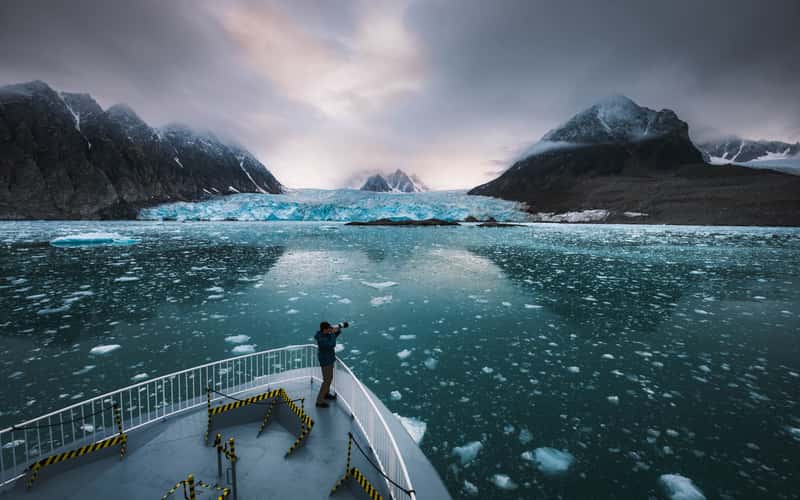
Reaching the Arctic typically involves flying into major hubs like Longyearbyen in Svalbard, Tromso in Norway, or Ilulissat in Greenland. Once there, transportation varies from snowmobiles and dog sleds in winter to expedition ships and zodiacs in summer, as there are very few roads connecting remote locations. Photographers should be prepared for extreme cold, requiring specialized gear for both themselves and their cameras, including extra batteries and cold-weather housing.

Photography tips for Arctic

Use a wide-angle lens to capture the immense scale of icebergs and the Aurora Borealis, but bring a long telephoto lens for safe and respectful wildlife shots. Fast lenses with a wide aperture of f/2.8 or lower are essential for night photography to keep ISO levels manageable while capturing the stars or the Aurora. Protecting your gear from condensation is crucial when moving between the cold outdoors and warm interiors; use airtight dry bags and allow the temperature to equalize slowly.

Other languages

Here is how Arctic is called in other languages:
CS Arktida DE Arktis EL Αρκτική ES Ártico FI Arktis FR Arctique HI आर्कटिक HR Arktik IS Norðurskautið IT Artide JA 北極 NL Arctis NO Arktis PL Arktyka PT Ártico RU Арктика SV Arktis TR Arktika ZH 北极

Imprint & Contact © Locationscout 2026 Privacy / Terms