48 Photo Spots in Grand Canyon

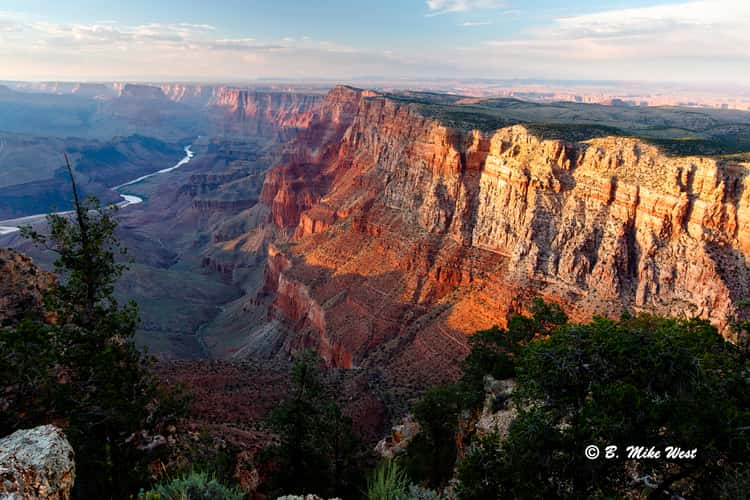
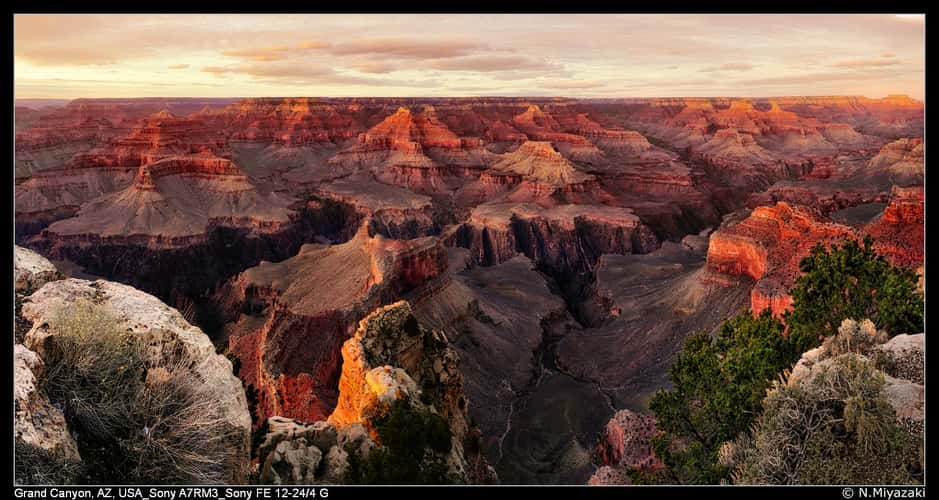
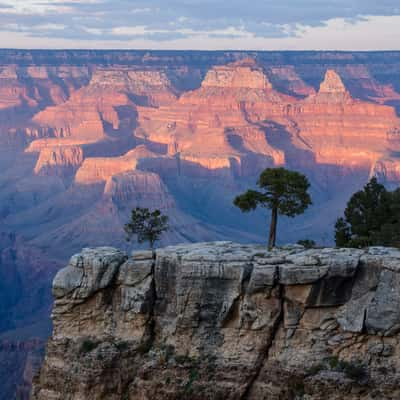
The Grand Canyon in northern Arizona is a monumental geological wonder carved by the Colorado River over millions of years. Spanning 270 miles long, up to 18 miles wide, and reaching depths of over a mile, it offers photographers breathtaking vistas and photo spots, intricate rock formations, and diverse wildlife.

latest contributors
John Bettencourt John Reinhard Prinzmeier Marcelo Aguilar carlo alberto conti

Tips for your trip to Grand Canyon

About the location

The canyon's geological diversity and the interplay of light throughout the day provide endless opportunities for capturing stunning landscapes and close-up details. Its cultural significance, marked by ancient ruins and Native American history, adds depth to photography, making the Grand Canyon a must-visit destination for photographers seeking natural beauty and historical richness.

Best timing

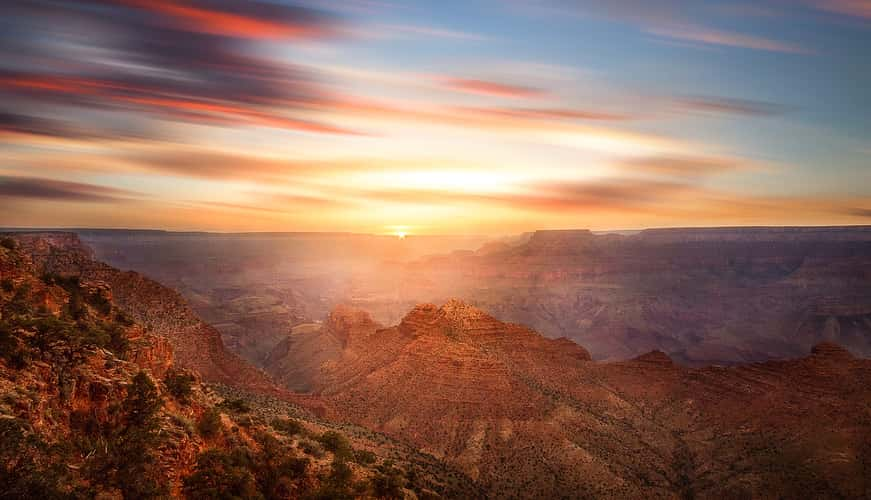
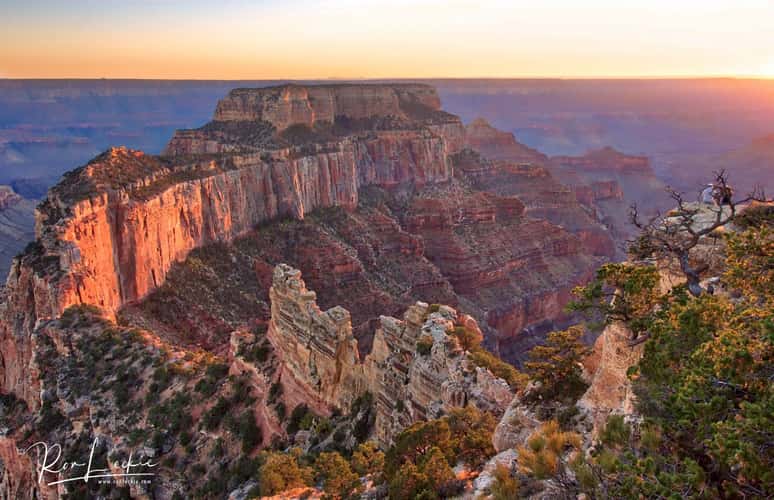
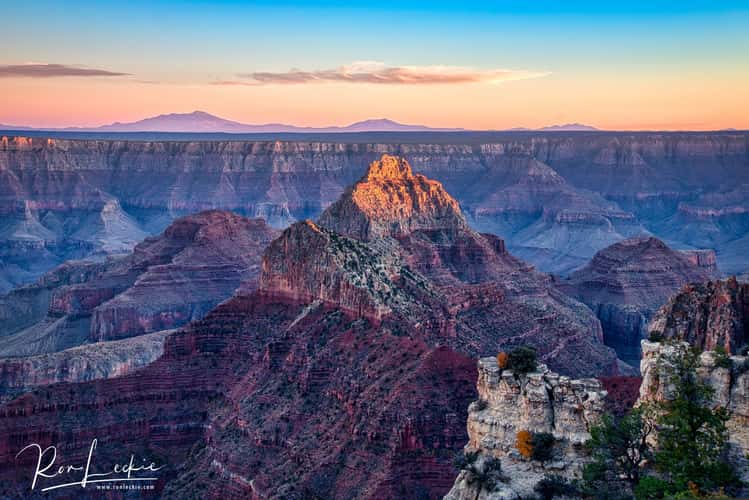
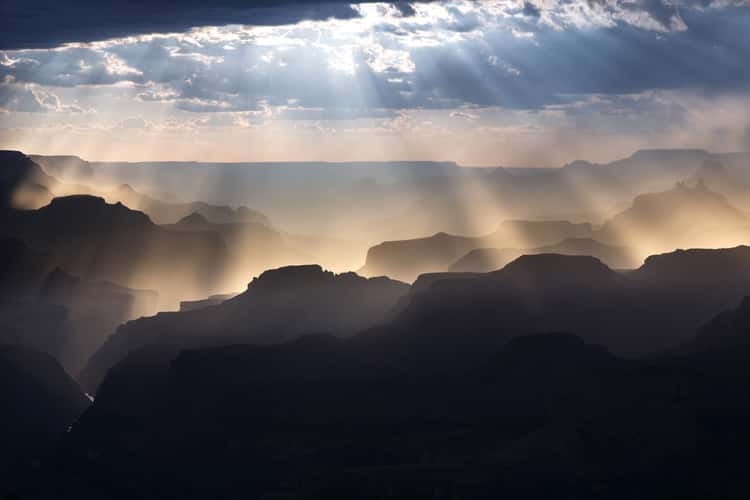
The best timing for photography at the Grand Canyon is during the golden hours of sunrise and sunset. These times provide long shadows that accentuate the canyon's immense depth and bring out the vibrant reds, oranges, and purples of the rock layers. During the middle of the day, the harsh overhead sun tends to flatten the landscape and wash out the colors. Late spring and early fall offer the most pleasant weather and ideal light angles. Additionally, the summer monsoon season in July and August can produce dramatic storm clouds, lightning, and even rainbows, which add a unique and powerful element to your compositions.

Traveling

To travel to the Grand Canyon, driving is the most convenient option from cities like Phoenix or Las Vegas, using Interstate highways directly to the South Rim or North Rim entrances. Tours and shuttles are available from nearby cities, providing guided visits and transportation. Limited public transportation includes Amtrak to Williams, AZ, with connections to the Grand Canyon Railway or park shuttles. Major airports in Phoenix and Las Vegas offer rental cars or shuttle services to the canyon. Once there, both rims offer scenic viewpoints and hiking trails, making planning ahead essential, especially during peak seasons.

Photography tips for Grand Canyon

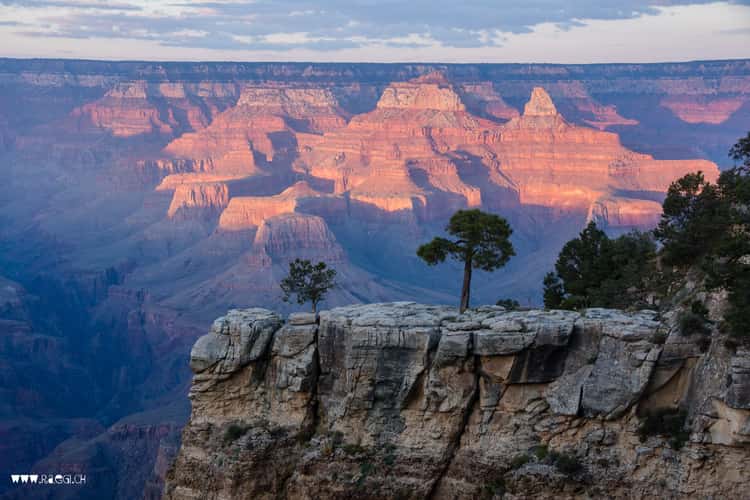
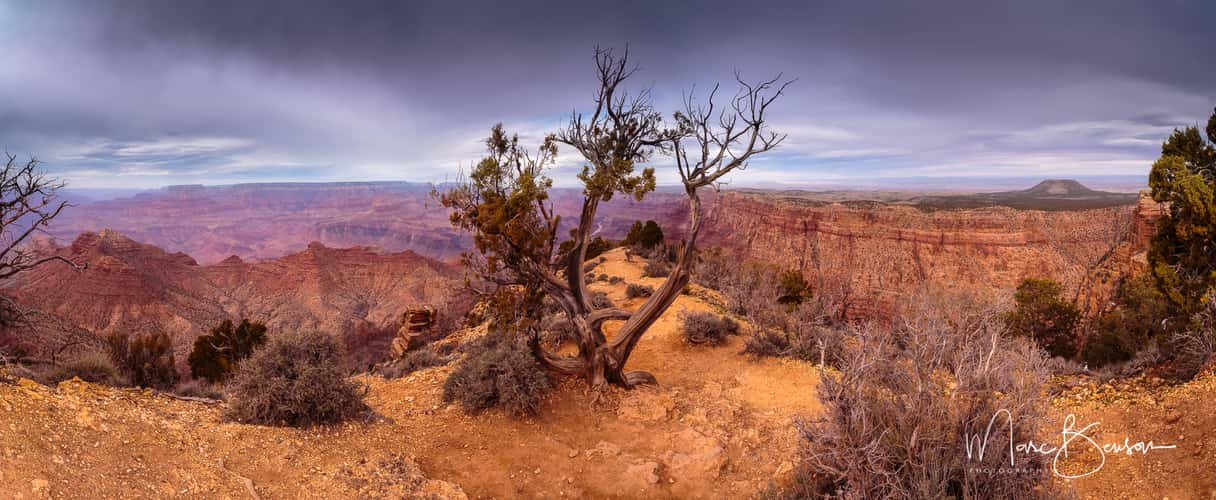
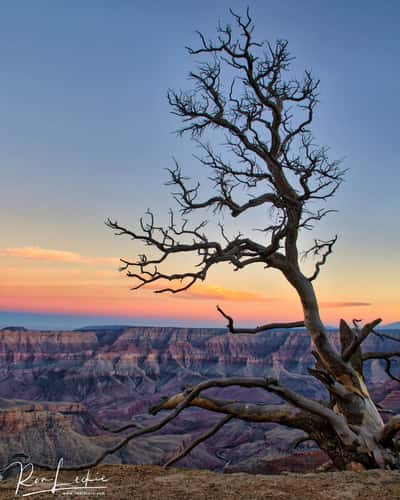
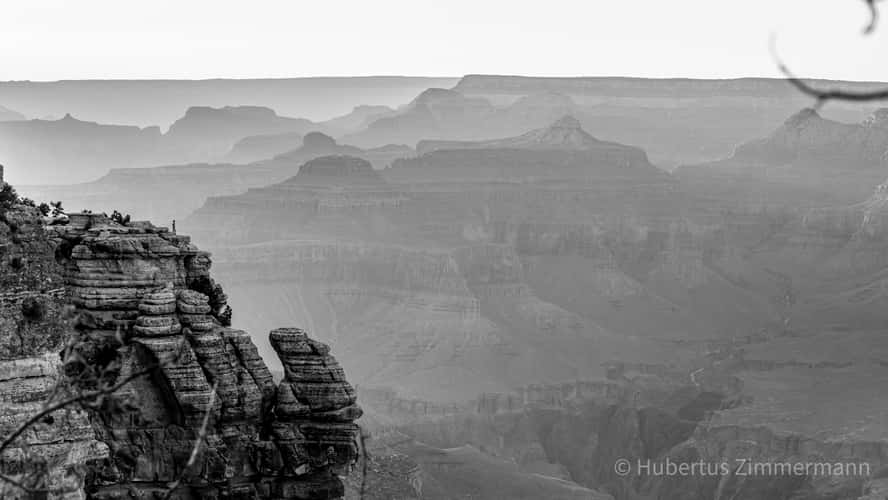
To capture the scale of the Grand Canyon, use a wide-angle lens to emphasize the foreground and lead the eye into the vastness. Conversely, a telephoto lens is excellent for isolating specific rock formations and compressing the layered ridges to showcase the canyon's complexity. A sturdy tripod is essential for sharp images during the low light of dawn and dusk. For composition, look for interesting foreground elements like gnarled trees, rocks, or wildflowers to provide a sense of scale and depth. Popular spots include Mather Point and Point Imperial for sunrise, and Hopi Point or Lipan Point for sunset. Using a circular polarizer can help reduce haze and enhance the saturation of the sky and rocks, while graduated neutral density filters are useful for balancing the bright sky with the darker canyon depths.

Other languages

Here is how Grand Canyon is called in other languages:
CS Grand Canyon DE Grand Canyon EL Γκραν Κάνυον ES Gran Cañón FI Grand Canyon FR Grand Canyon HI ग्रैंड कैन्यन HR Grand Canyon IS Mikligljúfur IT Grand Canyon JA グランド・キャニオン NL Grand Canyon NO Grand Canyon PL Wielki Kanion PT Grand Canyon RU Гранд-Каньон SV Grand Canyon TR Büyük Kanyon ZH 大峡谷

Imprint & Contact © Locationscout 2026 Privacy / Terms