
120 Photo Spots on Svalbard

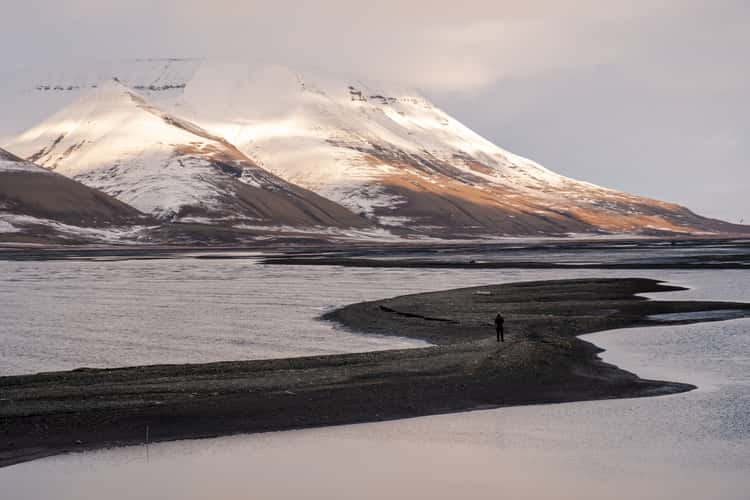
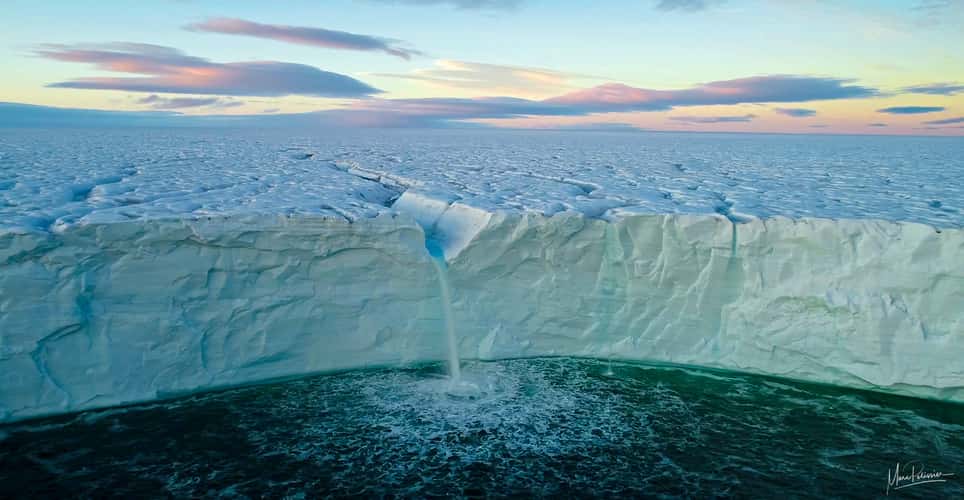
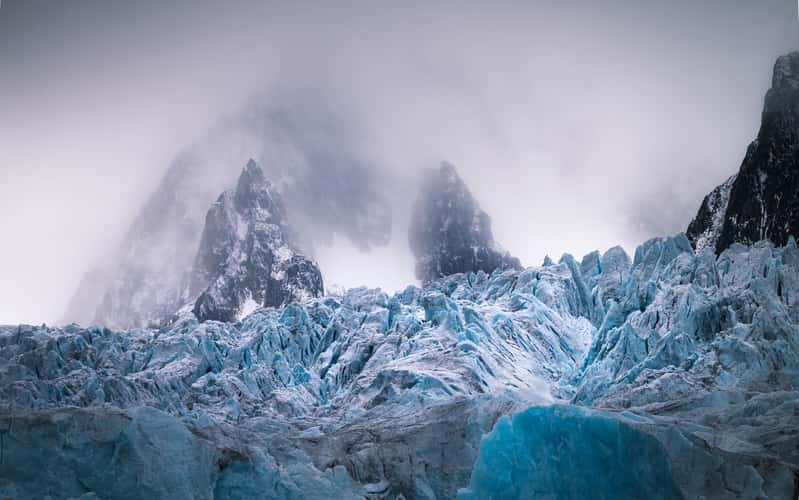
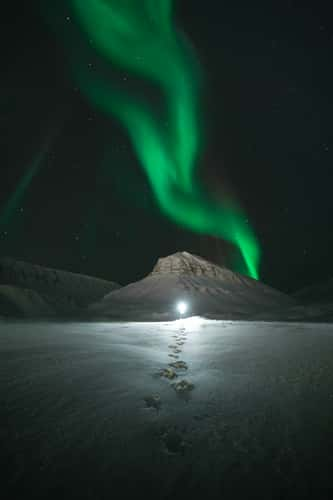
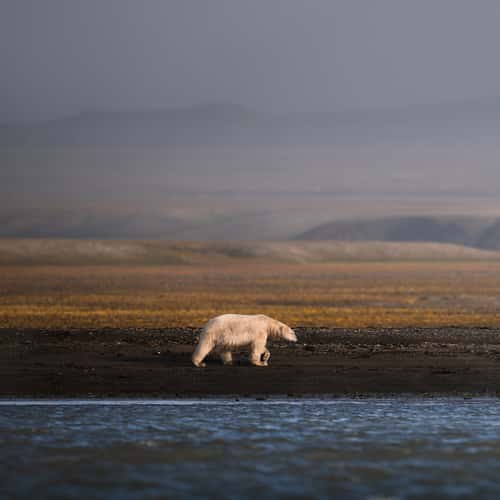
Svalbard is a remote Arctic archipelago that offers photographers a raw, untamed wilderness characterized by dramatic glaciers and unique wildlife like polar bears. Its stark landscapes and the ethereal quality of Arctic light make it one of the most compelling destinations for landscape and wildlife photography in the world.

latest contributors
Sebastian Lehrke GeraldMcBird

Tips for your trip to Svalbard

About the location

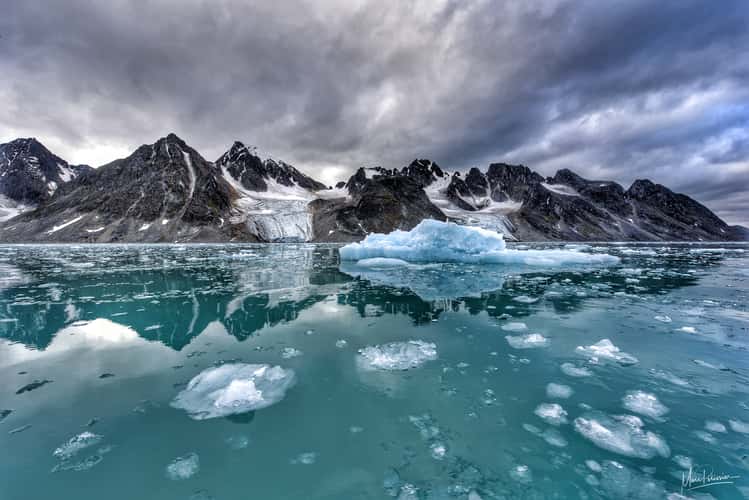
Photographers are drawn here for the extraordinary scale of the environment. From the jagged peaks of Spitsbergen to the massive calving glaciers in the fjords, every vista feels monumental. The region is home to iconic Arctic species including the Svalbard reindeer, Arctic fox, and the majestic polar bear, providing world-class opportunities for wildlife specialists. Additionally, the abandoned Soviet mining settlements of Pyramiden and Barentsburg offer a haunting contrast of industrial decay against the pristine natural backdrop, perfect for those interested in architectural and historical storytelling.

Best timing

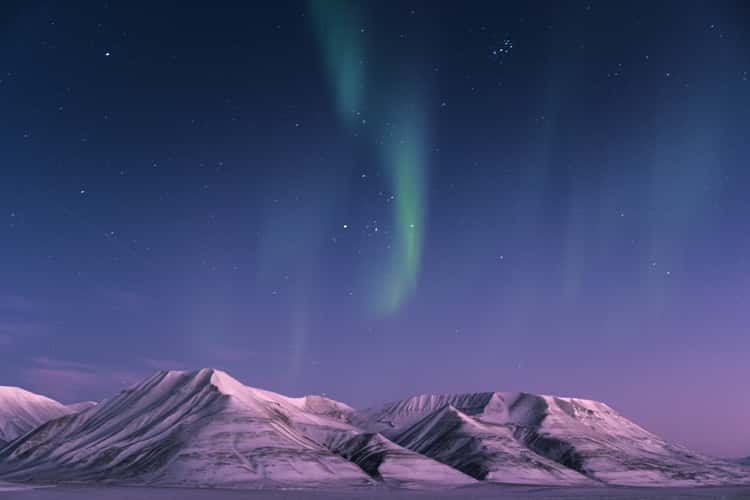
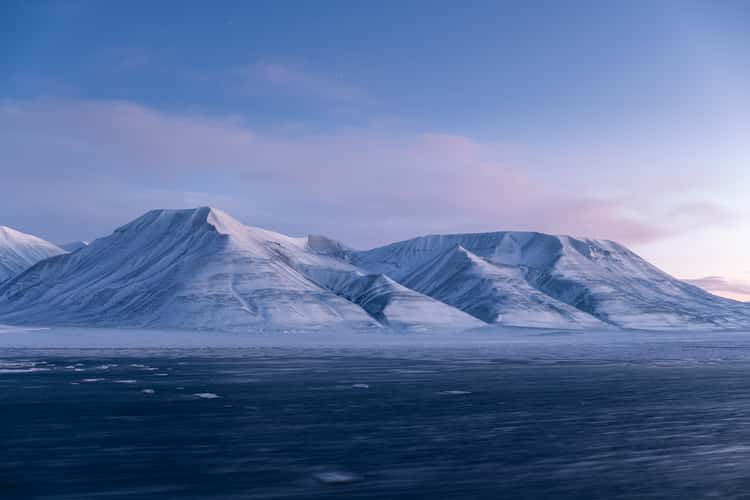
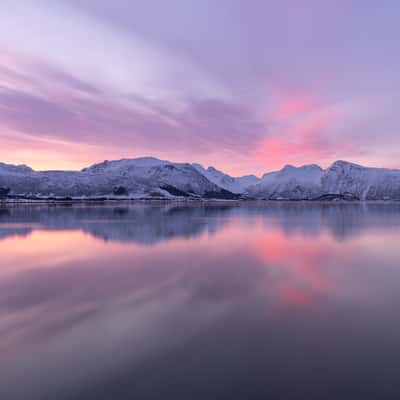
The best time to visit depends on your photographic goals. March and April offer the 'light winter' with incredible blue hour tones, snow-covered mountains, and the return of the sun, while the period from late September to October provides stunning golden hour light as the sun stays low on the horizon.

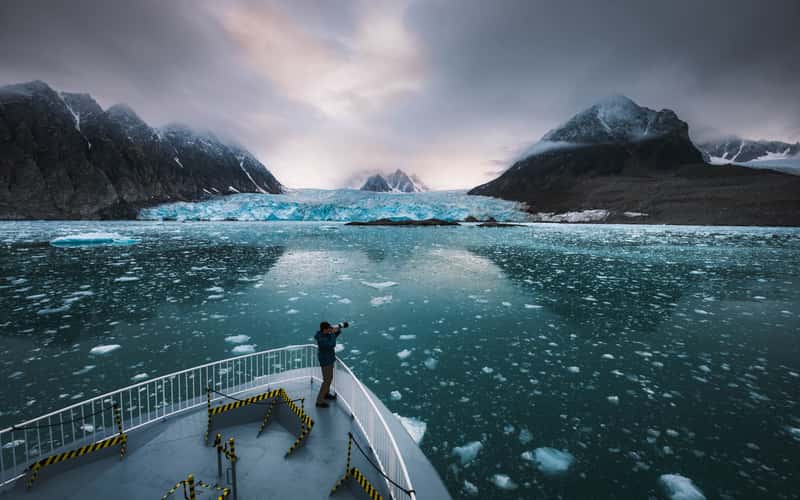
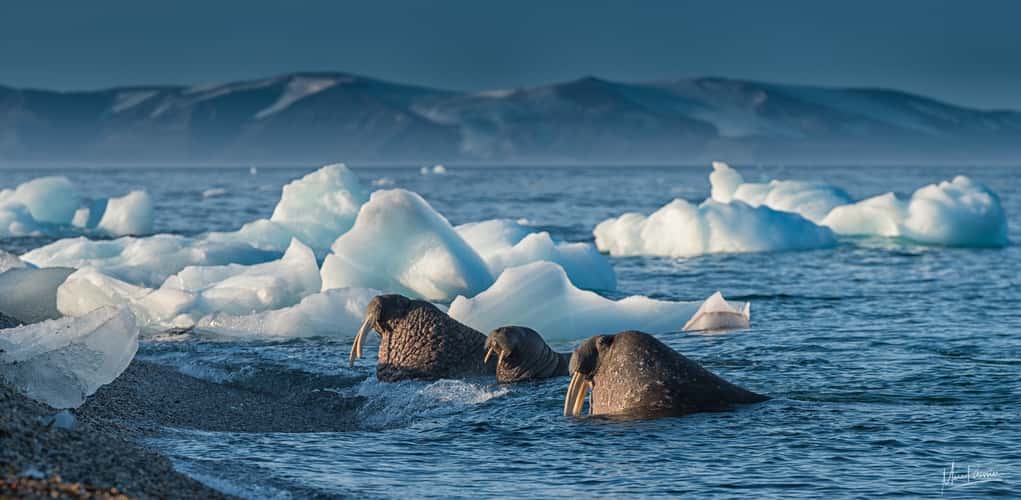
For wildlife and boat-based expeditions, the summer months from June to August are ideal. This is when the sea ice retreats enough for ships to circumnavigate the islands, allowing for closer encounters with polar bears on ice floes and the massive bird cliffs in full activity under the 24-hour Midnight Sun.

Traveling

Access to Svalbard is primarily through Longyearbyen Airport, with regular flights from Oslo and Tromsø, Norway. Once in Longyearbyen, the town is walkable, but transport to photographic spots outside the settlement requires specialized arrangements. It is vital to note that you cannot leave the town limits without a polar bear guard or a licensed firearm; therefore, most photographers book organized tours, hire private guides, or join expedition cruises. For coastal photography, small expedition ships or RIB boats are the most effective way to reach remote fjords and glaciers.

Photography tips for Svalbard

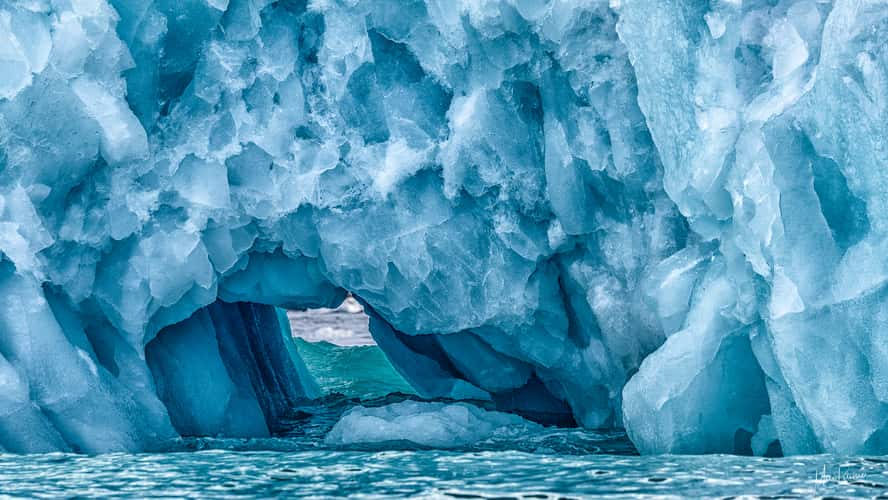
Bring a variety of lenses, including a long telephoto of at least 400mm to 600mm for wildlife safety and a wide-angle lens for the vast landscapes. Extreme cold can drain batteries rapidly, so carry multiple spares and keep them close to your body for warmth. Protect your gear from condensation when moving from the cold outdoors to warm indoor environments by sealing it in a plastic bag first. Compositionally, look for leading lines in the cracks of sea ice or use the scale of a small boat against a massive glacier wall to emphasize the Arctic's immense proportions.

Other languages

Here is how Svalbard is called in other languages:
CS Špicberky DE Svalbard EL Σβάλμπαρντ ES Svalbard FI Huippuvuoret FR Svalbard HI स्वालबार्ड HR Svalbard IS Svalbarði IT Svalbard JA スヴァールバル諸島 NL Svalbard NO Svalbard PL Svalbard PT Svalbard RU Шпицберген SV Svalbard TR Svalbard ZH 斯瓦尔巴群岛

Other archipelagos in Norway

Imprint & Contact © Locationscout 2026 Privacy / Terms