


About the location
While the Savage Islands are actually a wholly different archipelago, they and Madeira are considered part of the same territory for administrative purposes. It is a 1.5 hour flight from Portugal to reach the archipelago, with most flights landing in its capital: Funchal. The entire archipelago has a population of around 267, 000 people.
The archipelago is considered Portugal’s first land discovery in its age of exploration, claimed in 1419 and settled in the years after 1420. Sugar quickly became one of the archipelago’s main industries, and later after sugar production moved to South America, wine replaced it as the archipelago’s main product. Madeira wine is unique because of its ingredients and brewing process. Neutral grape spirits are added to the wine, and then it is exposed to high temperatures, changing the flavour of the wine. This has become one of the main industries on the archipelago, along with tourism. Around 700, 000 tourists visit Madeira each year, which is more than three times its population!
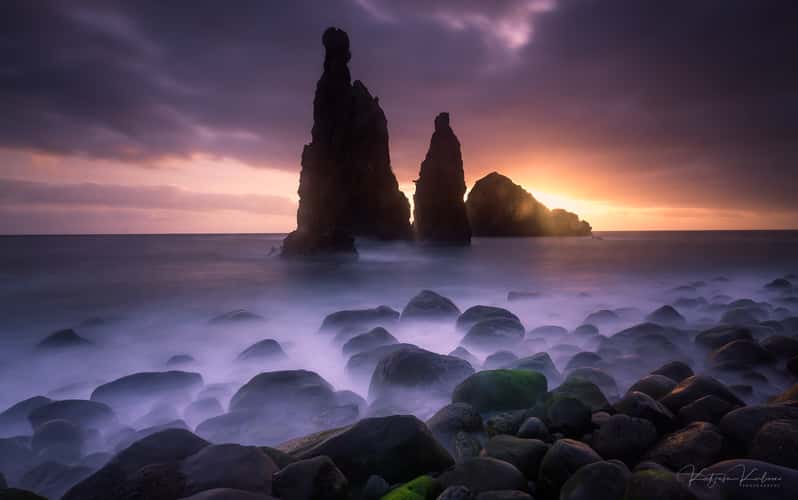
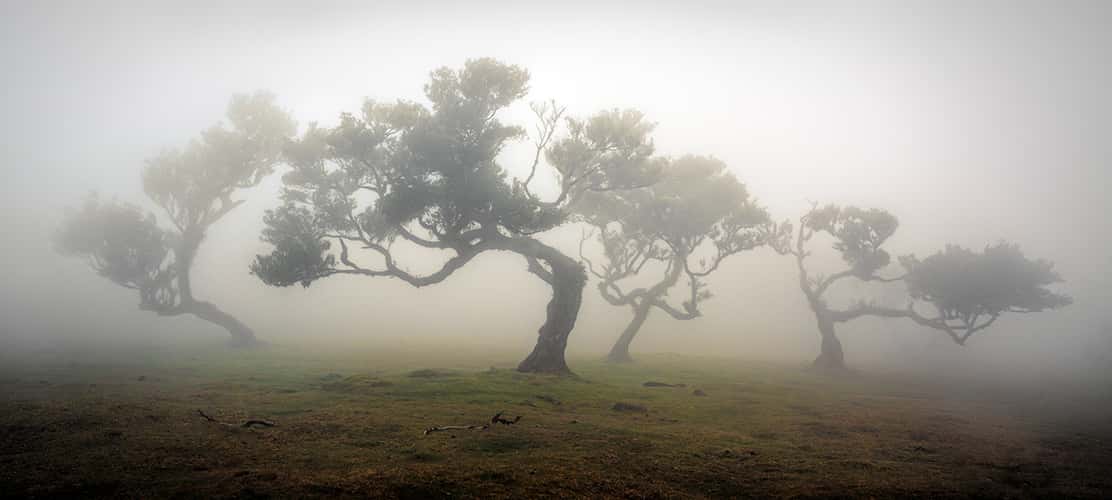
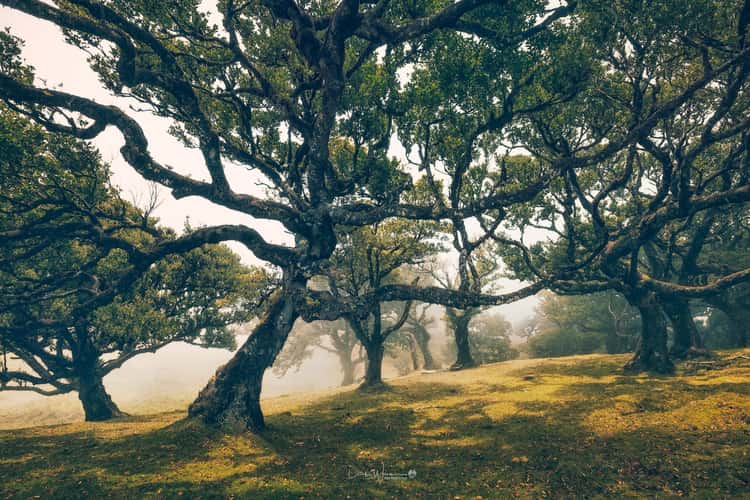
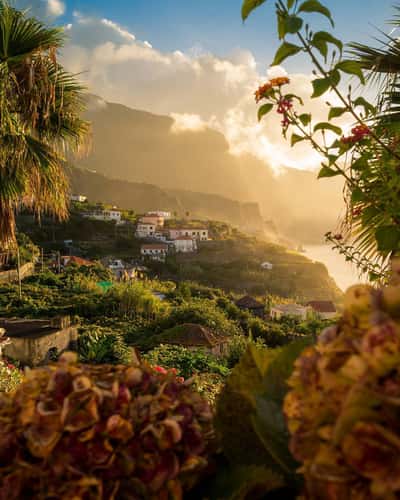
Top attractions on the island include visiting geological landmarks, learning about different plants on the island, seeing how Madeira wine is made and naturally, spending time sunbathing on one of the archipelago’s many beaches.
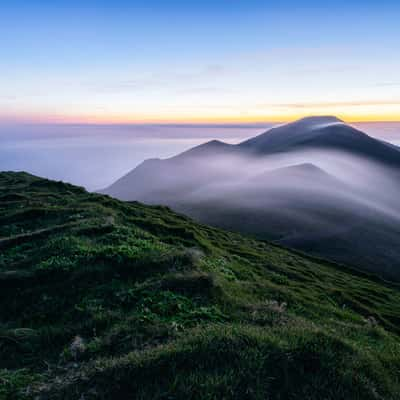
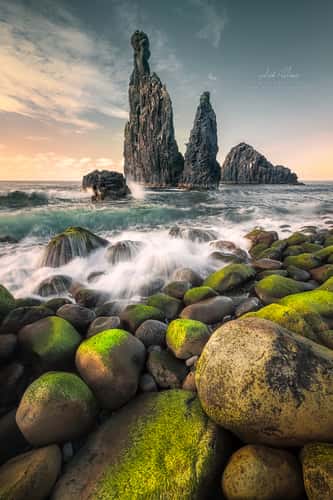
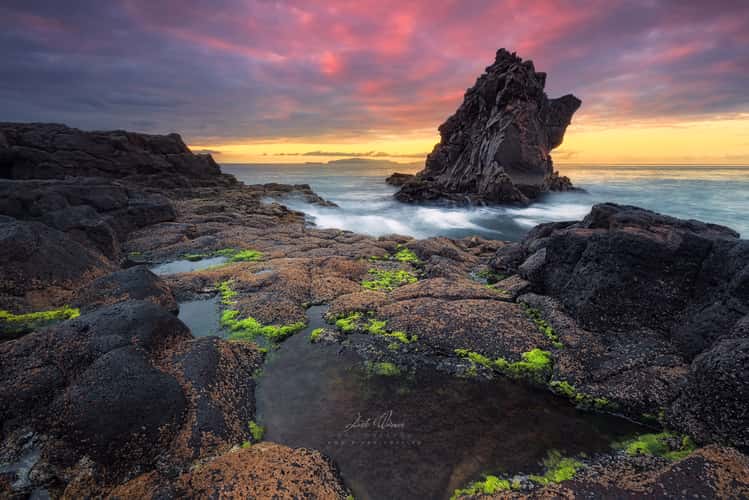
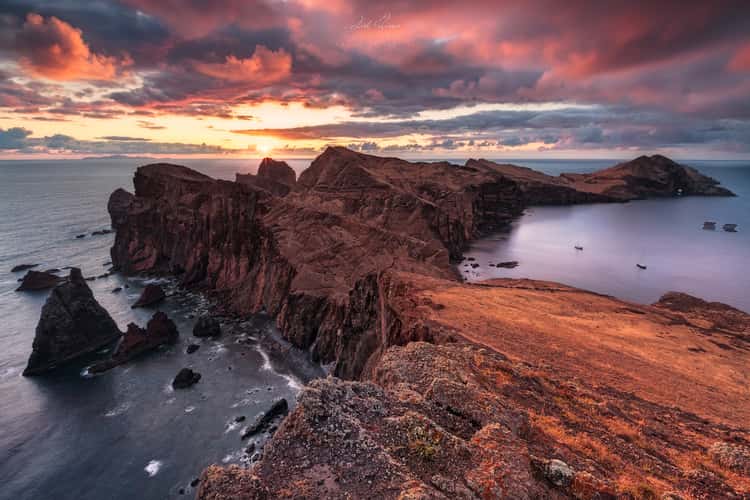
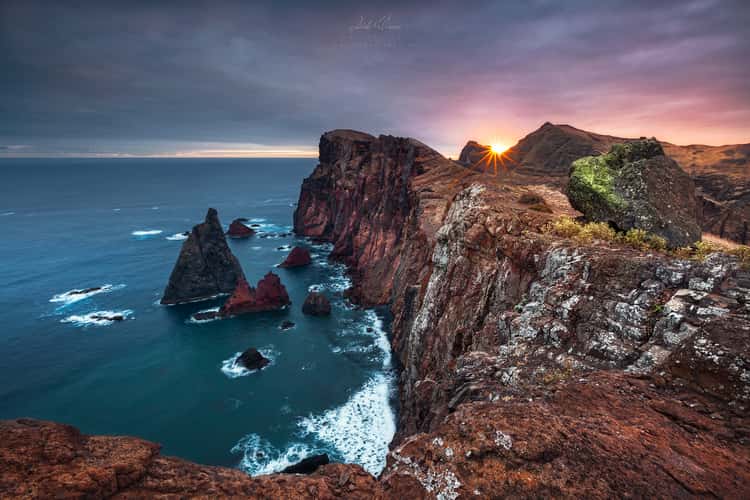
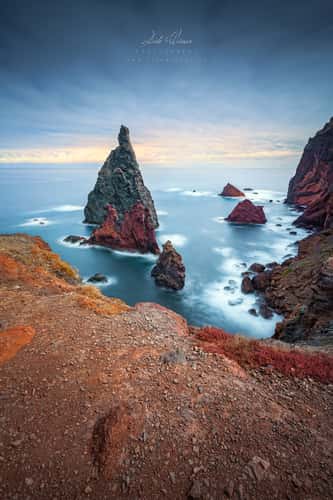
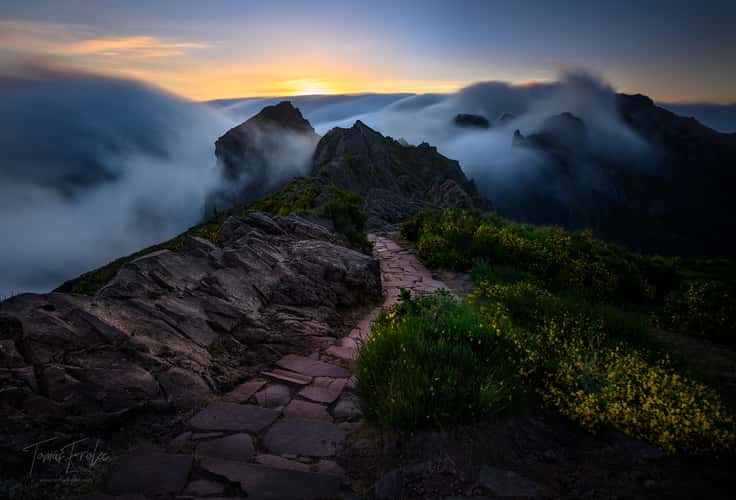
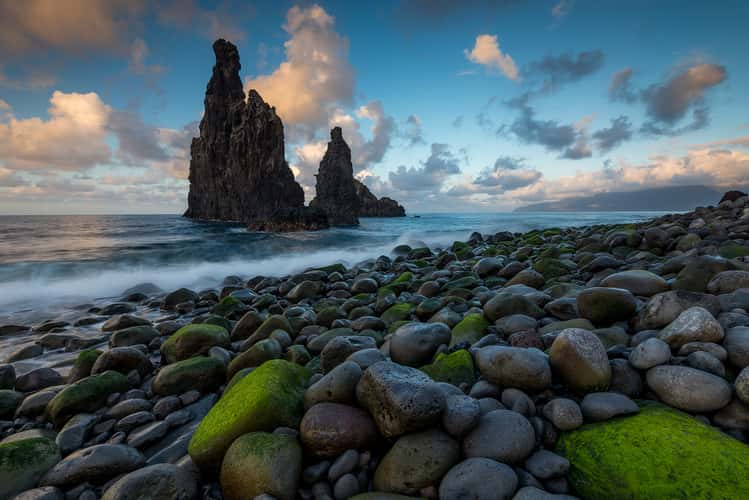
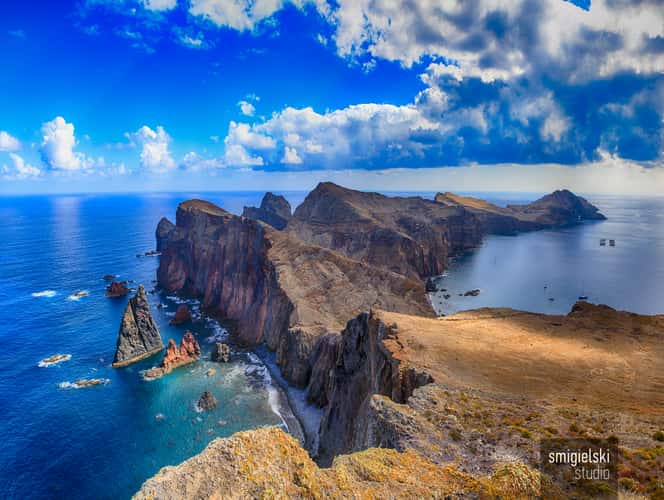
There is a plethora of geological wonders on the island, due to its wild variance in topography, ranging from mountains, to silky sand beaches. Make sure to visit Ponta de São Lourenço, which offers amazing photographic opportunities of the ocean, as well as other curious volcanic land formations and endemic plants. The walk takes you along a thin peninsula on the eastern edge of the island. The walk is 4 km to the main viewpoint, where you can also take a swim in the blue waters, plus 4km return. Pico de Arieiro is yet another geological wonder located on the archipelago, it is the third highest peak, and offers amazing hiking and photo opportunities to outdoor enthusiasts. You can easily access the peak by road, and then spend the day hiking around and enjoying the breathtaking views of the surrounding island. There is an extremely popular footpath to the island’s highest peak here, the ideal spot for hiking enthusiasts.
Another fun activity is taking the cable car in Funchal to the Botanical Gardens while enjoying stunning scenery. Your journey will take you over Funchal Bay, offering amazing views and photo opportunities of the city and its surrounding scenery from above. After arriving at the botanical gardens you can see many unique and interesting plant species, while learning about the archipelago’s natural history.
If you are interested in the Madeira Wine process, make sure to visit Blandy’s, a wine lodge in Funchal, offering tastings, tours and accommodation. This is an awesome opportunity for wine enthusiasts.
There are a plethora of beaches and swimming opportunities in Madeira, with the top spots being the island of Porto Santo, which has a higher proportion of white sand beaches and offers a traditional experience, and Praia de Calheta Beach which is a manmade, white sand beach on Madeira Island.