
1 Photo Spot at the Ávila Cathedral

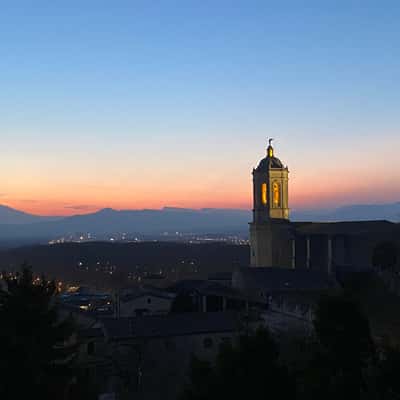
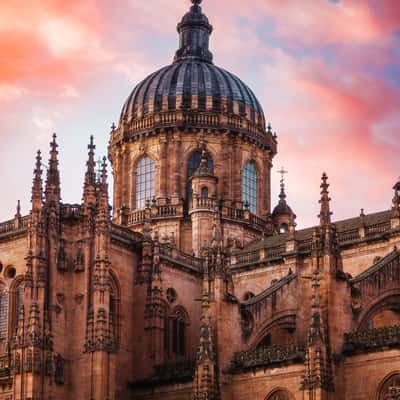
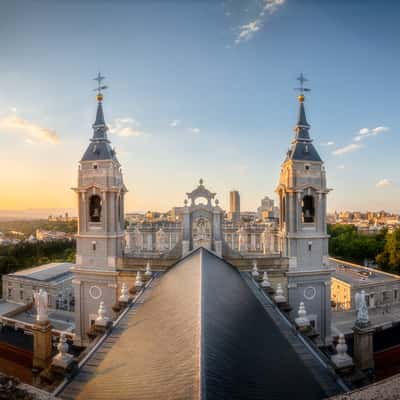
The Ávila Cathedral is a stunning example of Gothic architecture that uniquely doubles as a defensive fortress within the city's famous medieval walls. Photographers are drawn to its dual nature, where religious elegance meets rugged military fortification.

latest contributors
Lev Levin François Pellegrini

Tips for your trip to Ávila Cathedral

About the location

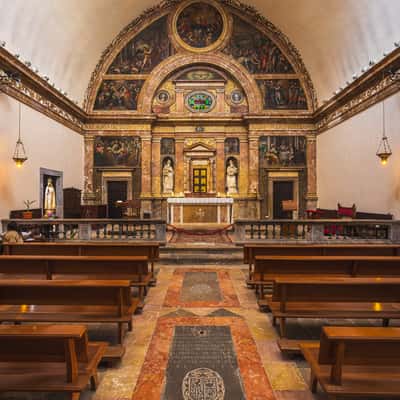
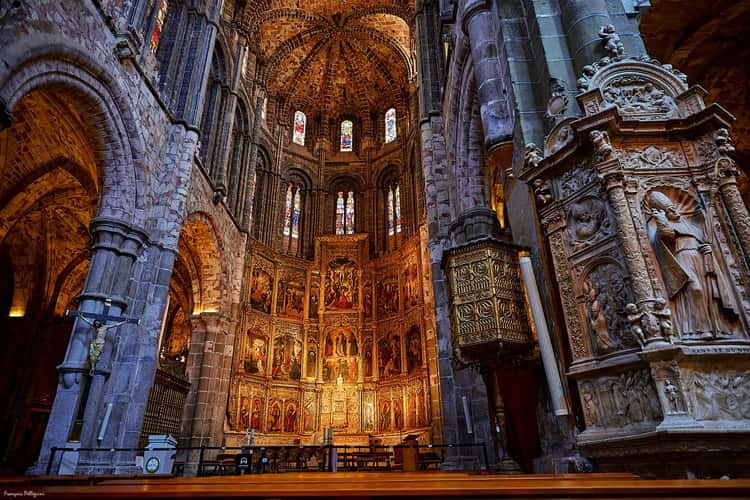
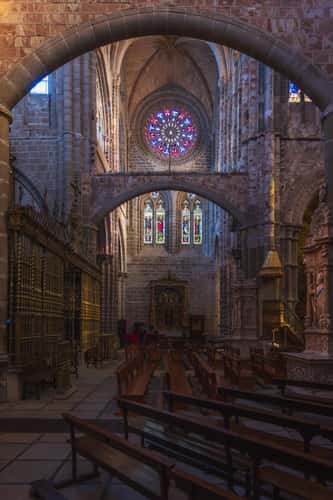
Known as the first Gothic cathedral in Spain, it features a remarkable apse, known as the cimorro, which is physically integrated into the city walls. This makes it an exceptional subject for exterior shots that combine sacred architecture with medieval military engineering. Inside, the cathedral is famous for its 'piedra sangrante' (bleeding stone), a red and white mottled limestone that provides a distinctive color palette found in few other cathedrals. The interior lighting is often moody and dramatic, with light filtering through Renaissance stained glass windows to illuminate the intricate choir stalls and the high altar's retable. Whether capturing the imposing exterior silhouette against the Castilian sky or the hushed, textured interior, photographers will find a wealth of historic detail and unique structural forms to document.
Best timing

The best time to photograph the exterior is during the golden hour and blue hour, when the granite stone glows under the setting sun and the architectural lighting highlights the cathedral's integration with the city walls. Early morning light is also excellent for capturing the facade without the heavy tourist crowds that typically arrive by midday. For the interior, mid-morning is ideal as the sun reaches an angle that vividly illuminates the stained glass windows, casting colorful patterns across the mottled stone columns. Visiting during the shoulder seasons of spring and autumn provides the clearest skies and more comfortable temperatures for exploring the various outdoor vantage points around the city perimeter.

Traveling

Ávila is easily accessible from Madrid via a direct train journey of approximately 1.5 hours from Príncipe Pío or Chamartín stations, making it a feasible day trip for photographers. The cathedral is located in the heart of the old town, just a short walk from the train and bus stations. For those driving, large public parking areas are available just outside the city walls, such as the parking near the San Vicente Basilica or the Paseo del Rastro; parking inside the walls is highly restricted and not recommended. Once inside the historic center, everything is best explored on foot, as the narrow cobbled streets and the wall walkways offer the most intimate perspectives for photography.

Photography tips for Ávila Cathedral

A wide-angle lens is essential for capturing the vastness of the nave and the height of the Gothic arches, while a telephoto lens can help isolate architectural details on the upper facade and the cimorro. Be sure to walk outside the city walls to the Plaza de Santa Teresa or the Los Cuatro Postes viewpoint for panoramic shots that include the cathedral's apse as a bastion of the wall. Inside, look for the 'bleeding stone' textures and use a high ISO if tripods are restricted, which is common during visitor hours. Framing the cathedral through the various gates of the city walls, such as the Puerta del Peso de la Harina, can create compelling compositions that emphasize its defensive role. Pay close attention to the contrast between the dark granite and the colorful light from the stained glass for dramatic interior shots.

Other languages

Here is how Ávila Cathedral is called in other languages:
CS Katedrála v Ávile DE Kathedrale von Ávila EL Καθεδρικός Ναός της Άβιλα ES Catedral de Ávila FI Ávilan katedraali FR Cathédrale d'Ávila HI अवीला कैथेड्रल HR Katedrala u Ávili IS Dómkirkjan í Ávila IT Cattedrale di Ávila JA アビラ大聖堂 NL Kathedraal van Ávila NO Katedralen i Ávila PL Katedra w Ávili PT Catedral de Ávila RU Собор Авилы SV Katedralen i Ávila TR Ávila Katedrali ZH 阿维拉大教堂

Imprint & Contact © Locationscout 2026 Privacy / Terms