




4 Photo Spots at the Pyramide du Louvre

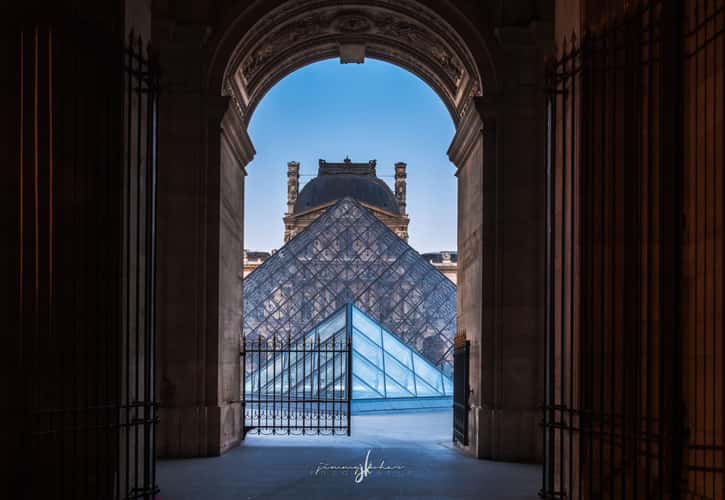
The Pyramide du Louvre is a striking glass and metal masterpiece that serves as the main entrance to the world's most visited museum. Its bold geometric design creates a stunning visual contrast against the surrounding Renaissance architecture of the Louvre Palace.

latest contributors
Hanaa Turkistani jose cabrera ROMAN BEVZENKO Jens Siewert Anton Alymov

Tips for your trip to Pyramide du Louvre

About the location

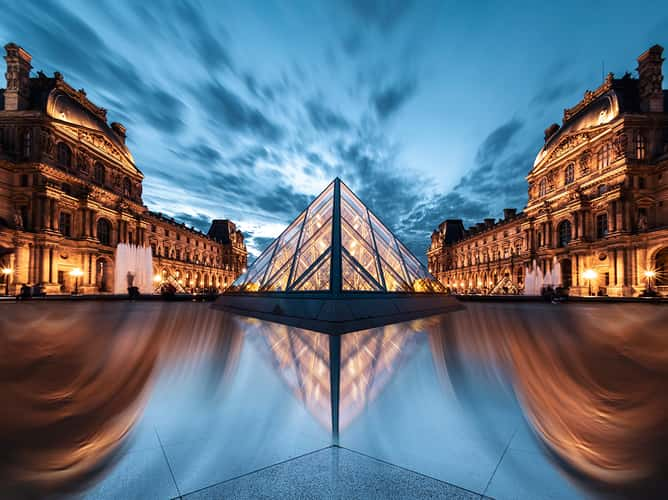
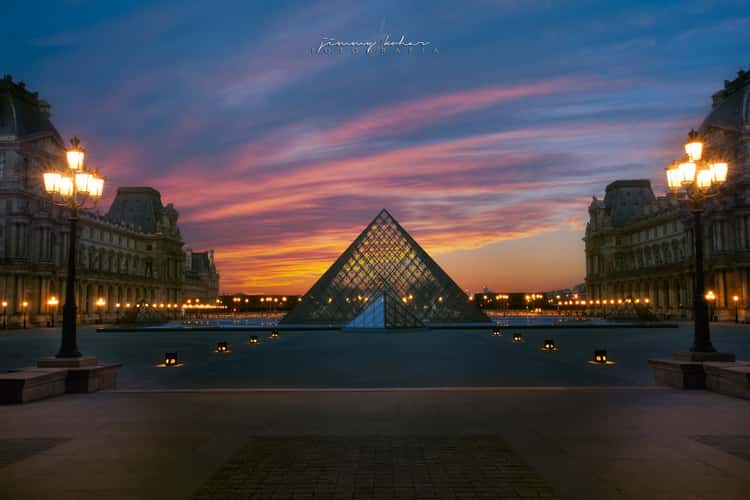
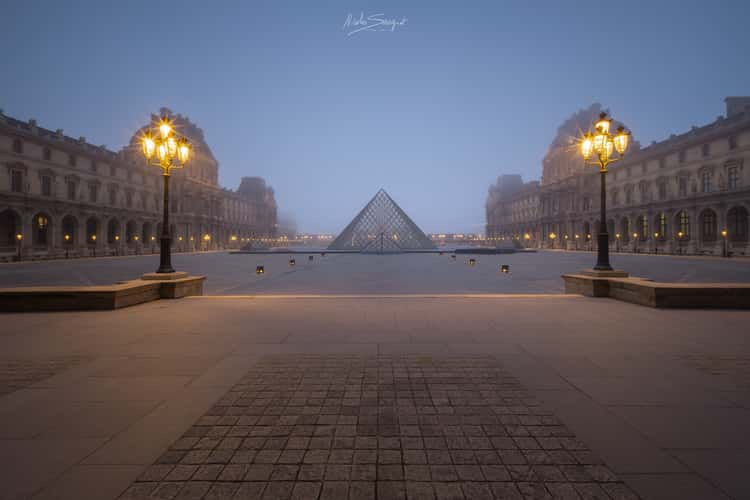
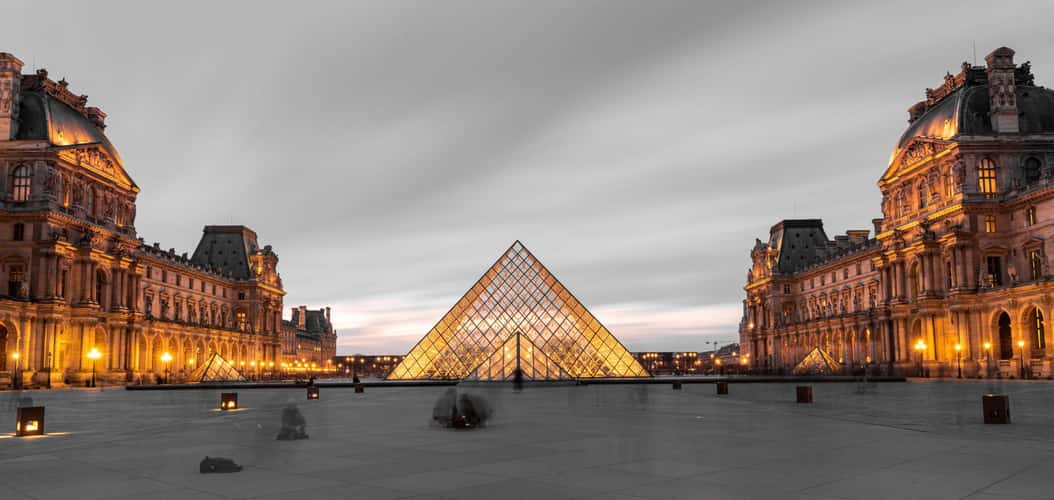
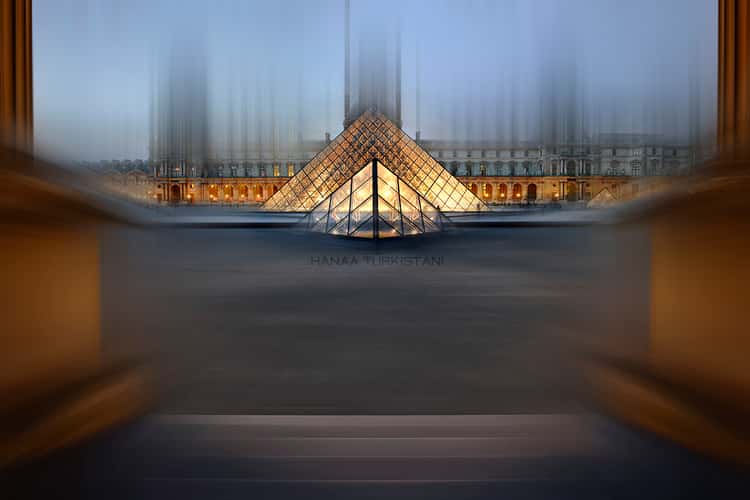
For photographers, the pyramid offers a wealth of opportunities due to its reflective surfaces and symmetrical lines. The interplay of light and glass allows for dramatic captures during different times of the day, reflecting the sky and the historic facade. The courtyard, Cour Napoléon, provides vast open space to experiment with wide-angle shots and leading lines.

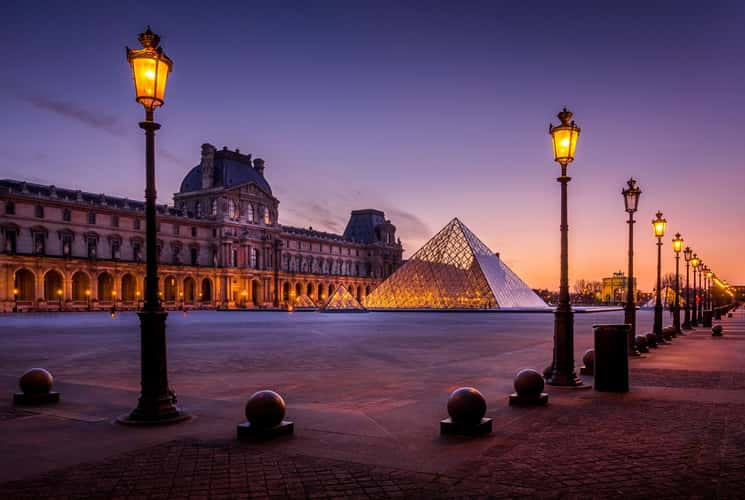
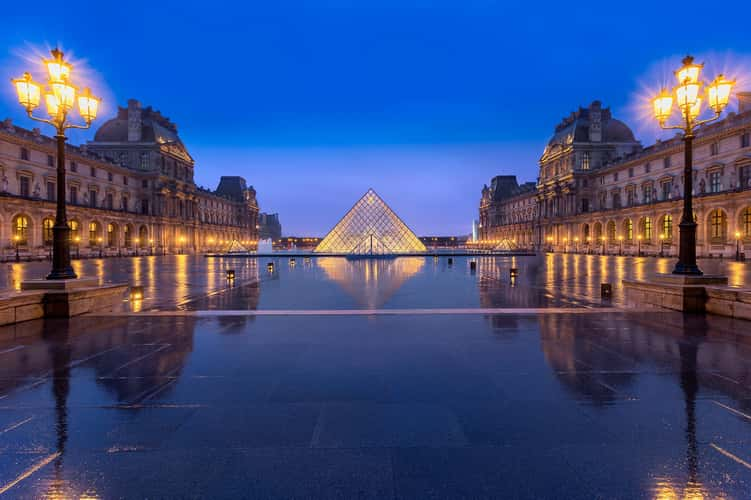
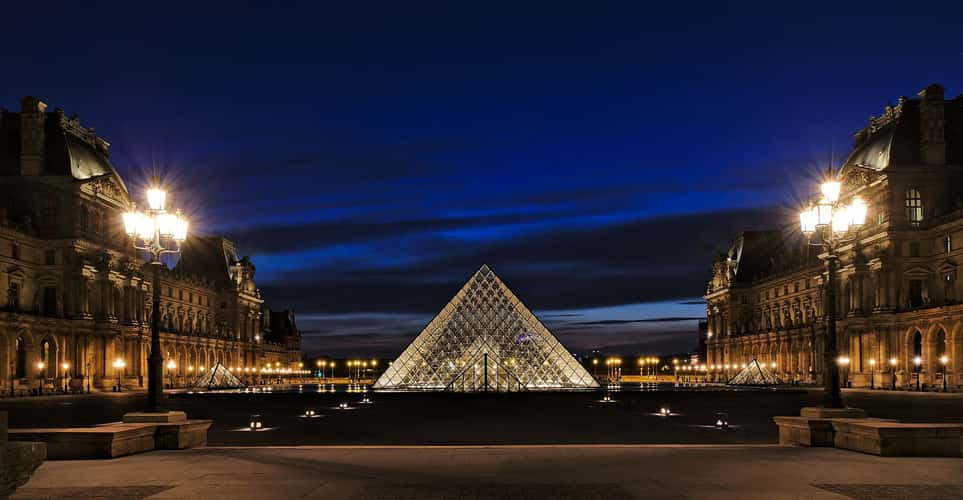
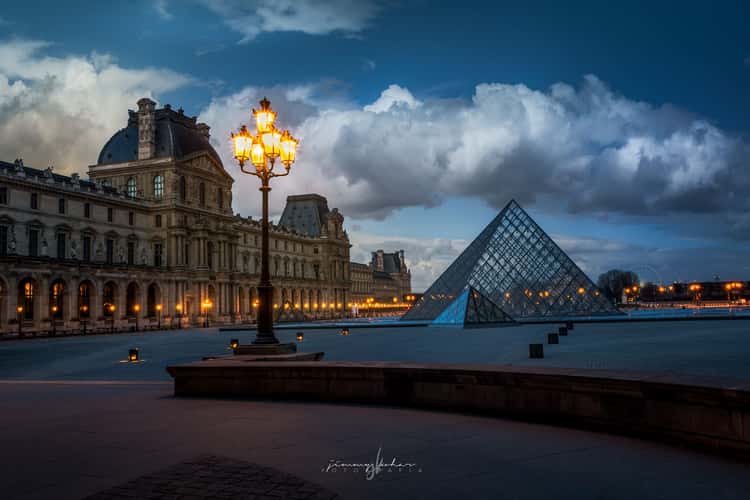
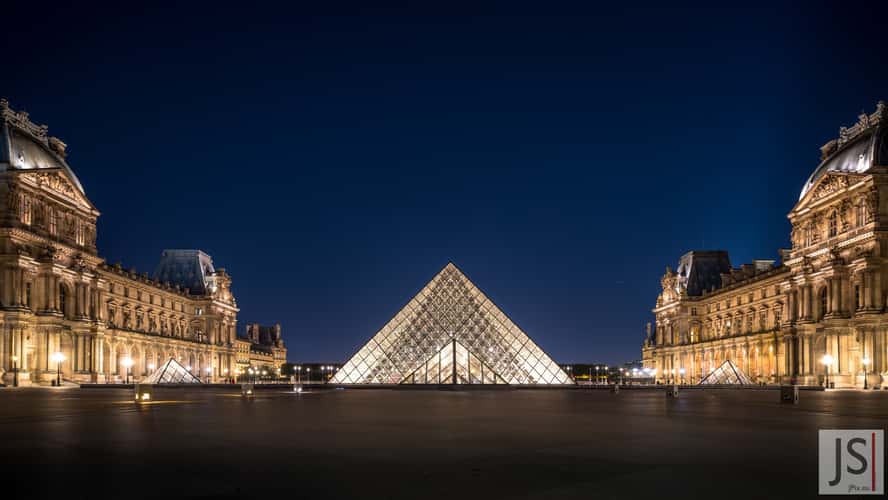
At night, the structure is beautifully illuminated from within, turning it into a glowing beacon. This artificial light contrasts beautifully with the blue hour sky, making it one of the most photographed night spots in Paris.


Best timing

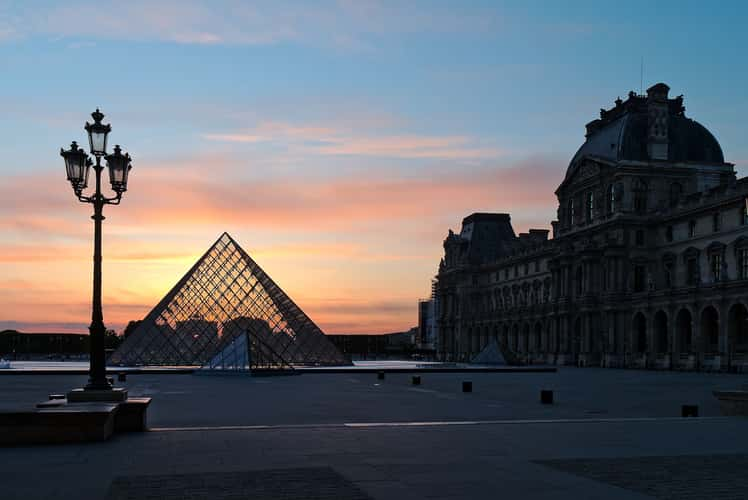
Blue hour and sunrise are the prime times for photographers to capture the pyramid with minimal crowds. Sunrise offers soft light hitting the palace walls, while the blue hour provides a perfect balance between the pyramid's internal illumination and the darkening sky.

Night photography is equally compelling when the pyramid glows, reflecting in the surrounding fountains. Avoid midday if you want to avoid harsh shadows and the massive crowds of tourists that gather near the entrance.

Traveling

The Louvre is centrally located in the 1st arrondissement of Paris and is easily accessible via public transport. The most direct route is Metro Line 1 or 7 to the Palais-Royal Musée du Louvre station, which has an exit leading directly to the museum's underground shopping mall. Walking is the best way to get around the area, as many other attractions are nearby; parking is extremely limited and not recommended for visitors.

Photography tips for Pyramide du Louvre

Bring a wide-angle lens to capture the pyramid and the palace wings in a single frame, emphasizing the grand symmetry of the courtyard. A tripod is highly recommended for evening and night shots to maintain low ISO settings while capturing the internal illumination of the glass structure. Experiment with the surrounding fountains to find unique reflection points, and try low-angle shots to emphasize the pyramid's height against the historic backdrop.

Other languages

Here is how Pyramide du Louvre is called in other languages:
CS Pyramida v Louvre DE Louvre-Pyramide EL Πυραμίδα του Λούβρου ES Pirámide del Louvre FI Louvren pyramidi FR Pyramide du Louvre HI लूव्र पिरामिड HR Piramida u Louvreu IS Louvre-pýramídinn IT Piramide del Louvre JA ルーヴル・ピラミッド NL Piramide van het Louvre NO Louvre-pyramiden PL Piramida Luwru PT Pirâmide do Louvre RU Пирамида Лувра SV Louvrepyramiden TR Louvre Piramidi ZH 卢浮宫金字塔

Other landmarks in France

Imprint & Contact © Locationscout 2026 Privacy / Terms