


80 Photo Spots in the Himalaya

The Himalaya mountain range offers an unparalleled canvas of towering peaks and deep spiritual heritage that makes it a pinnacle destination for landscape and cultural photographers. Its unique combination of extreme altitudes and ancient traditions provides endless opportunities for capturing awe-inspiring imagery found nowhere else on Earth.

latest contributors
Piotrek Deska Sebastian Lehrke

Tips for your trip to Himalaya

About the location

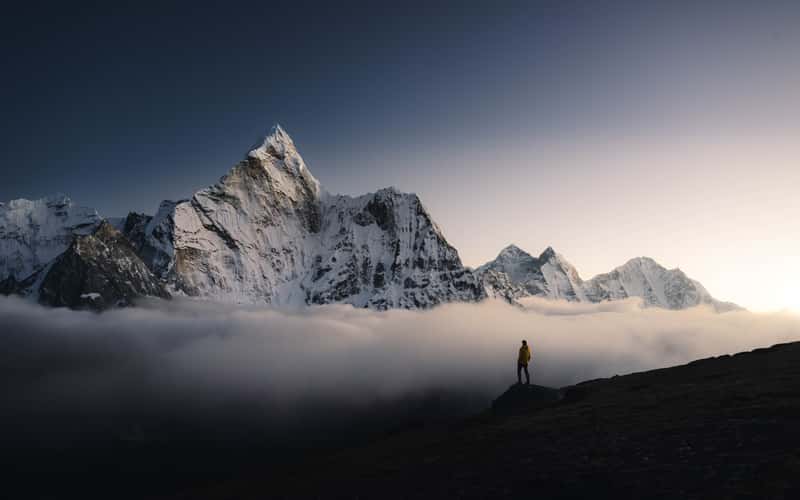
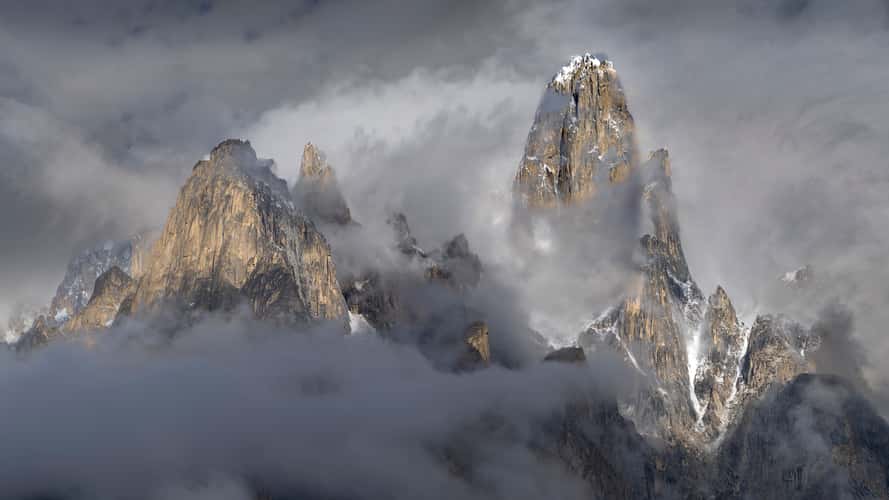
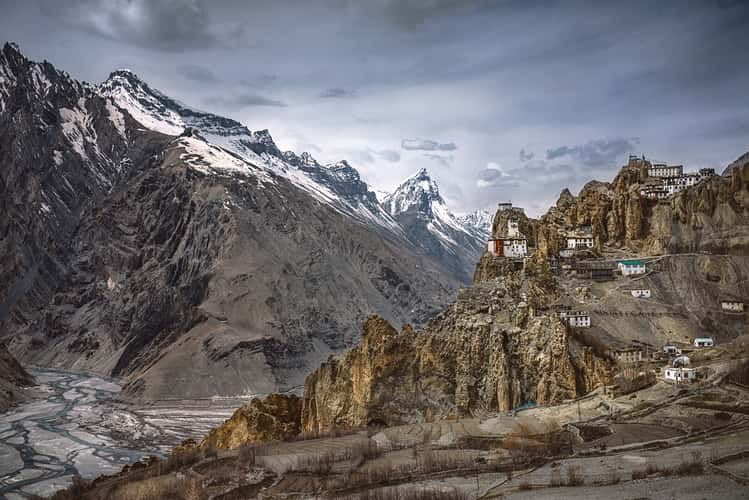
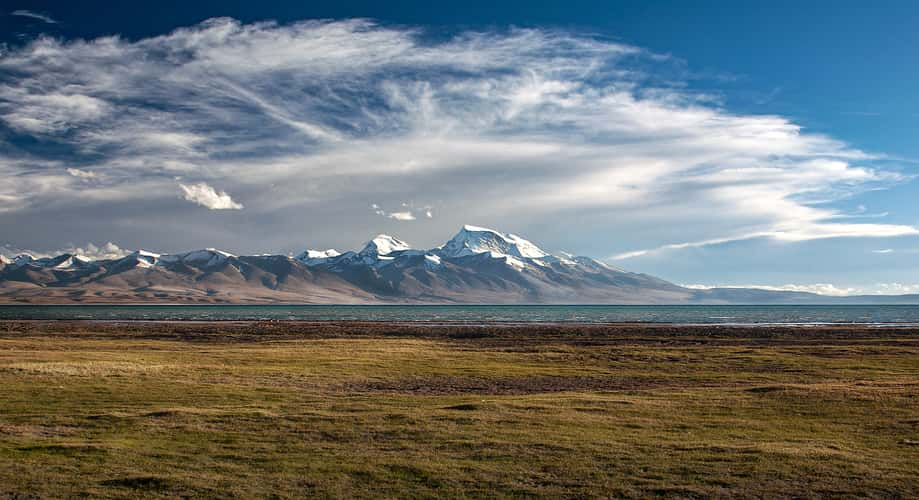
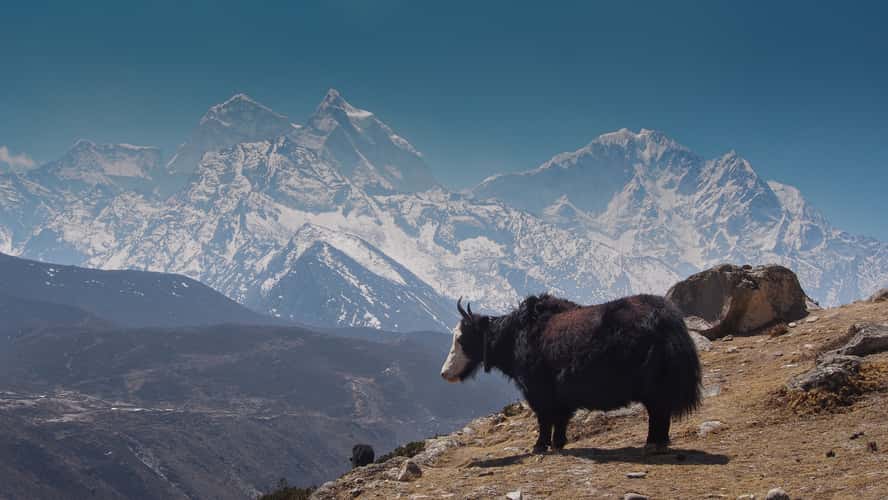
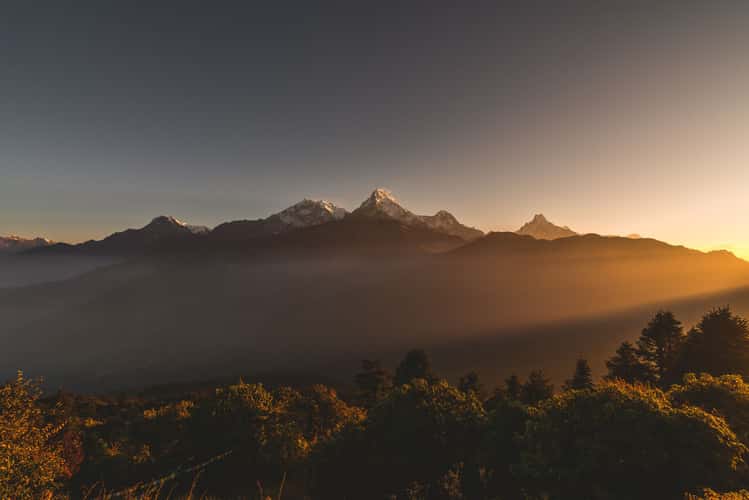
Beyond the famous summits like Everest and Annapurna, the region is characterized by its immense scale and diversity. Photographers can document everything from the lush, rhododendron-filled forests of the lower foothills to the stark, lunar landscapes of high-altitude deserts like Mustang and Ladakh. The interaction between the mountain environment and the people—monks in remote monasteries, nomadic herders, and vibrant mountain festivals—adds a profound human element to the natural grandeur. The atmospheric conditions, including rapidly shifting mists and the way light plays off the vertical terrain, create a dynamic environment where the scenery can transform in seconds.


Best timing

The most favorable periods for photography are the pre-monsoon spring months of March to May and the post-monsoon autumn months of September to November. Spring brings blooming flora and manageable temperatures, while autumn is renowned for exceptionally crisp air and the clearest views of the highest peaks. Winter offers a stark, snow-covered beauty and the best chance for spotting rare wildlife like the snow leopard, but photographers must be prepared for extreme cold and closed mountain passes. The monsoon season from June to August is generally avoided due to heavy rain and obscured views, though it can offer dramatic, moody clouds for those willing to brave the conditions.

Traveling

Accessing the Himalaya typically begins with flights into major regional hubs like Kathmandu in Nepal, Leh in India, Paro in Bhutan, or Lhasa in Tibet. From these gateways, travel becomes more complex, often requiring domestic mountain flights, private four-wheel-drive vehicles, or multi-day trekking on foot to reach remote spots. While some areas have developed road networks, parking is rarely a formal affair and is usually limited to small clearings or village outskirts. Photographers should be prepared for significant physical exertion and allow several days for high-altitude acclimatization to avoid altitude sickness. Hiring local guides and porters is highly recommended to manage logistics and carry heavy camera equipment through the challenging terrain.

Photography tips for Himalaya

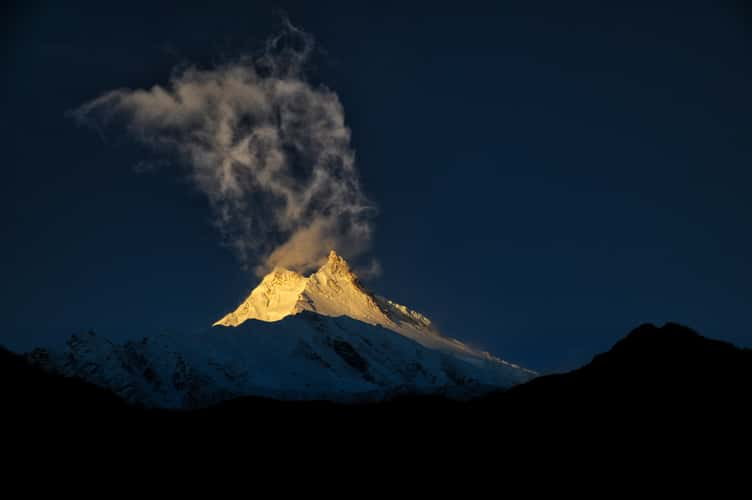
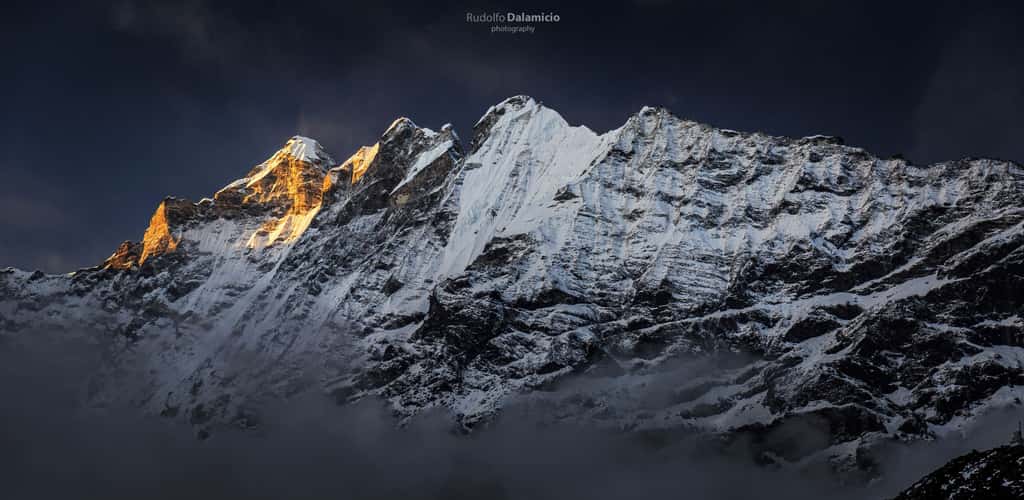
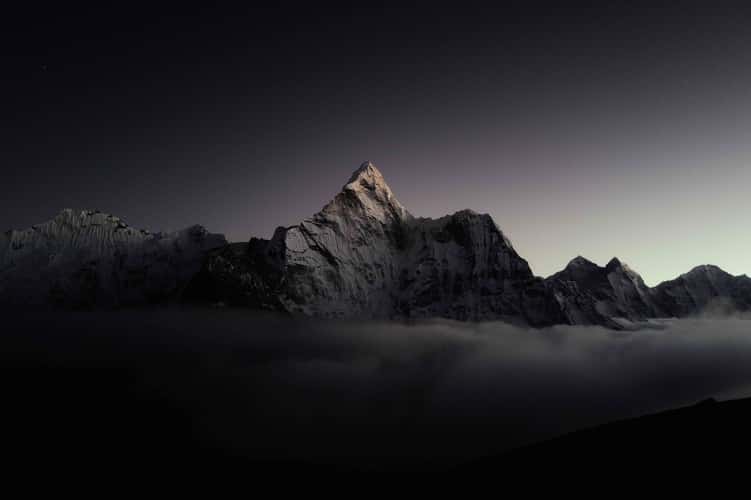
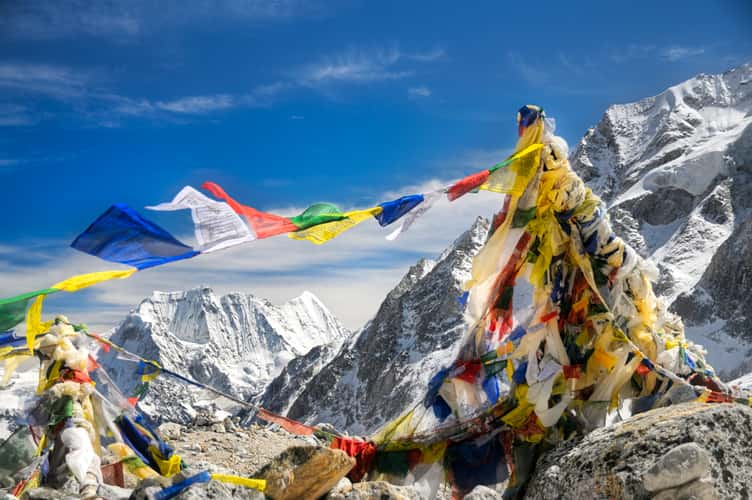
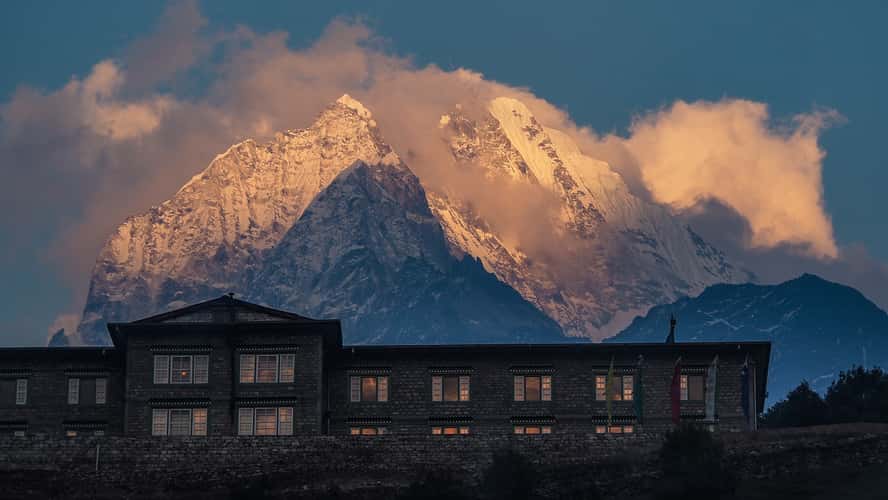
To capture the true scale of the Himalaya, use a wide-angle lens for expansive landscapes and a telephoto lens to compress the layers of ridges and bring distant peaks closer. A circular polarizer is essential for managing glare on snow and deepening the blues of the high-altitude sky. Always keep extra batteries close to your body, as the extreme cold can drain them rapidly. Compositionally, look for leading lines provided by mountain paths or rivers, and use elements like prayer flags or local architecture to provide a sense of scale and cultural context. Be ready for the 'Alpenglow' during sunrise and sunset, when the highest summits catch the first or last light, turning them into glowing beacons of gold and orange.

Other languages

Here is how Himalaya is called in other languages:
CS Himálaj DE Himalaya EL Ιμαλάια ES Himalaya FI Himalaja FR Himalaya HI हिमालय HR Himalaja IS Himalajafjöll IT Himalaya JA ヒマラヤ山脈 NL Himalaya NO Himalaya PL Himalaje PT Himalaia RU Гималаи SV Himalaya TR Himalayalar ZH 喜马拉雅山脉

Imprint & Contact © Locationscout 2026 Privacy / Terms