



118 Photo Spots in Normandy

Normandy offers a stunning blend of dramatic coastal cliffs, historic medieval architecture, and poignant World War II landmarks. Its unique light and ever-changing weather patterns provide a moody and atmospheric backdrop that has inspired artists for centuries.

latest contributors
Wolfgang.P Yves L. Steve Donovan Callaghan Michel BADET

Tips for your trip to Normandy

About the location

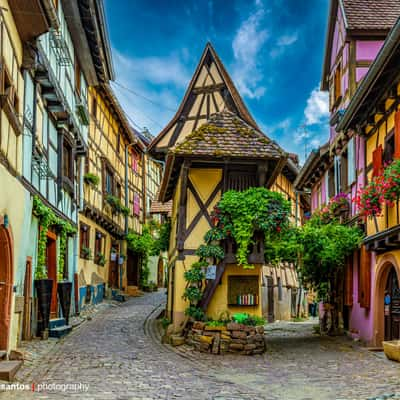
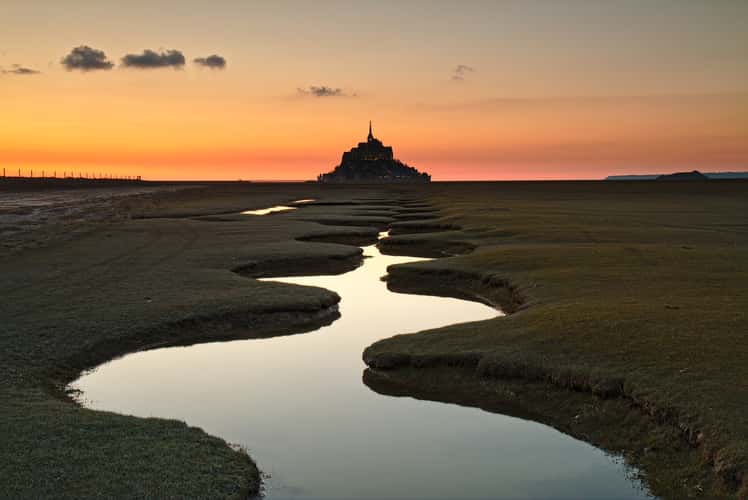
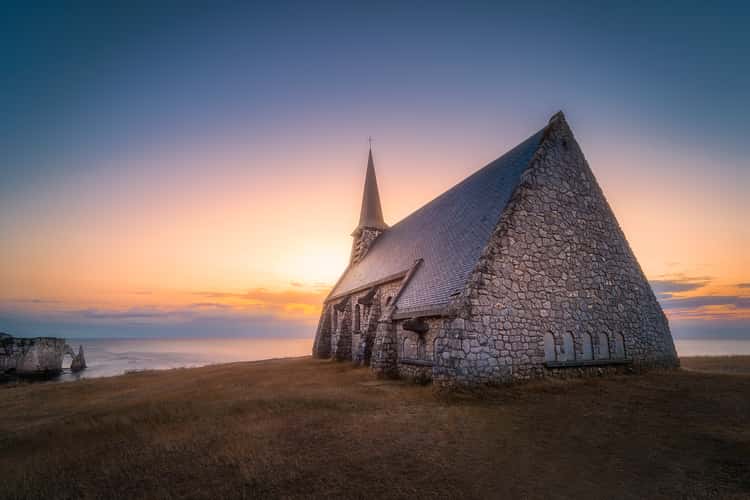
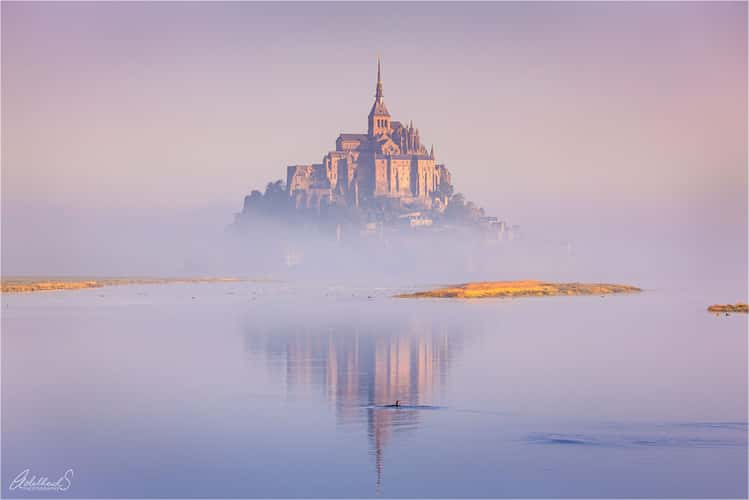
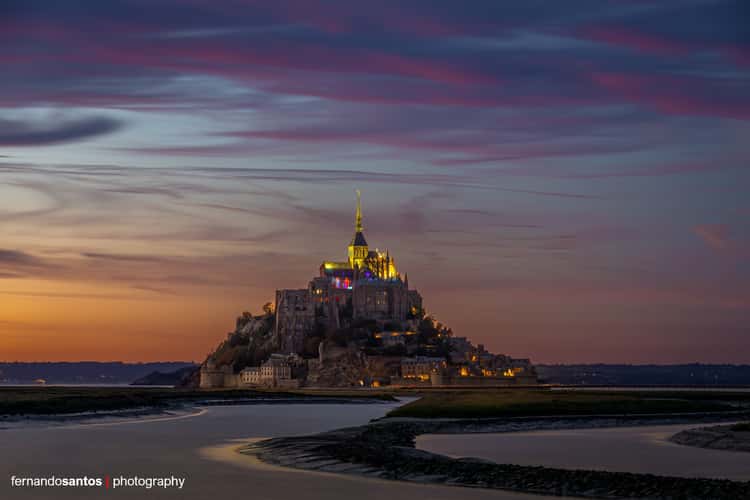
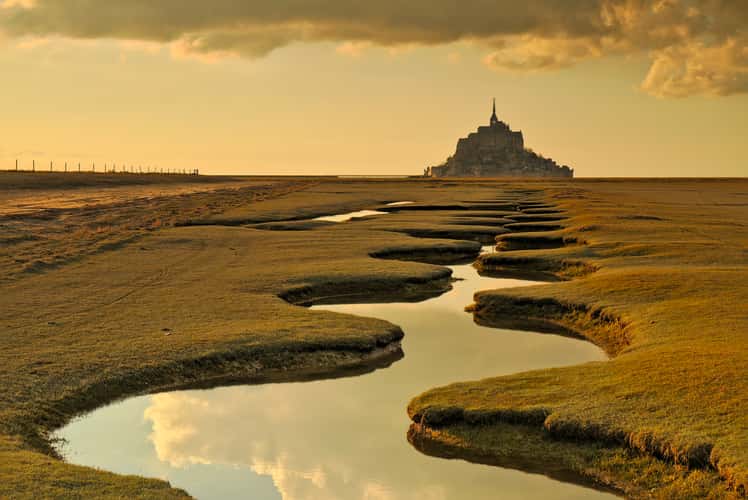
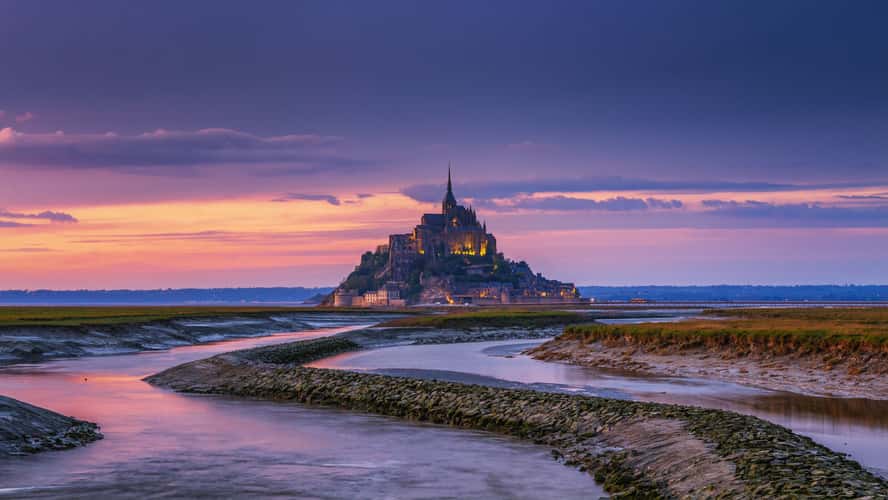
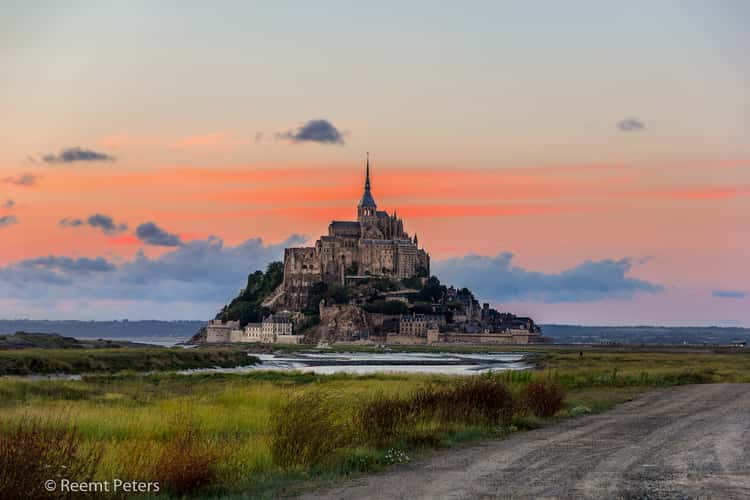
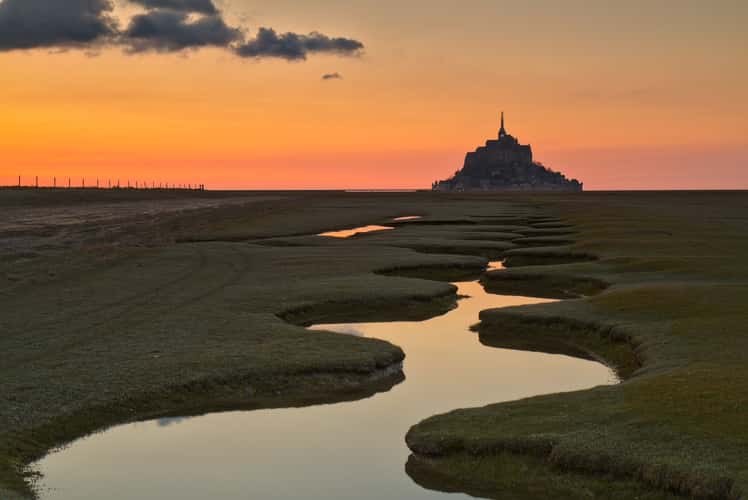
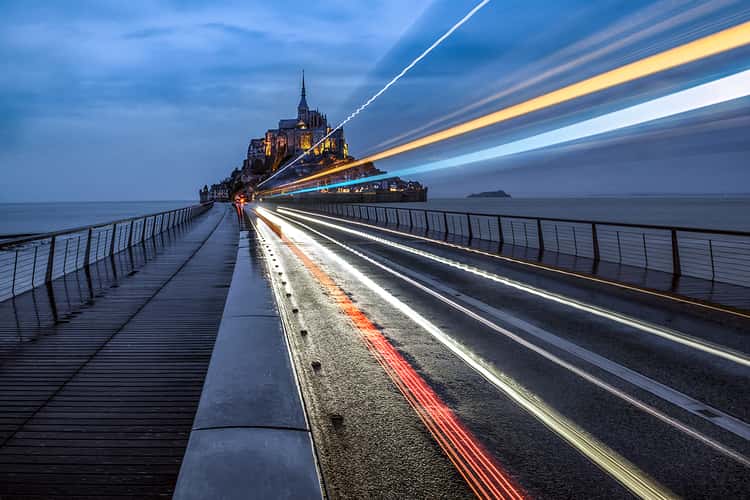
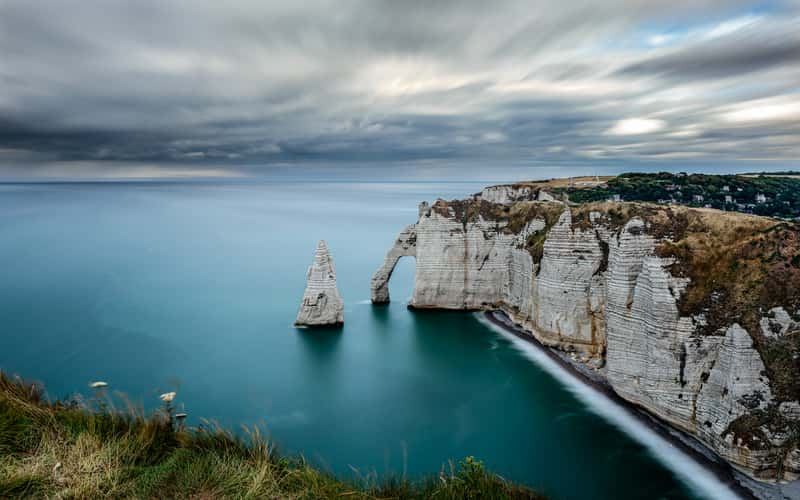
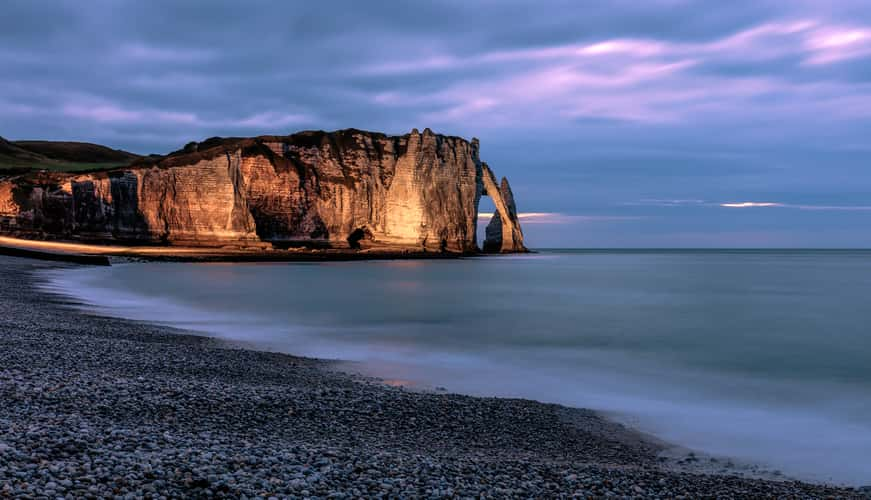
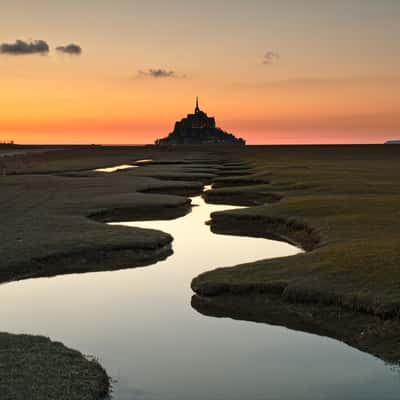
The region is most famous for the ethereal Mont Saint-Michel, a tidal island topped with a gravity-defying abbey that serves as one of the most iconic silhouettes in the world. Beyond this, the Alabaster Coast features towering chalk cliffs at Étretat that drop sharply into the turquoise English Channel, offering incredible opportunities for long-exposure seascapes. History buffs will find deep emotional resonance at the D-Day landing beaches and the American Cemetery at Colleville-sur-Mer, where rows of white crosses create powerful leading lines against the green grass and blue sea. Inland, Normandy transitions into a pastoral patchwork of apple orchards, half-timbered houses in villages like Beuvron-en-Auge, and the vibrant harbor of Honfleur. The region's light is legendary; the soft, diffused glow often found in the mornings and the dramatic storm clouds that roll in from the Atlantic create a dynamic environment for both landscape and architectural photography.
Best timing

The best time for photography in Normandy is during the shoulder seasons of late spring (May to June) and early autumn (September to October). During these months, the weather is stable enough for outdoor shooting, the crowds are thinner than in mid-summer, and the light remains soft with longer golden hours.

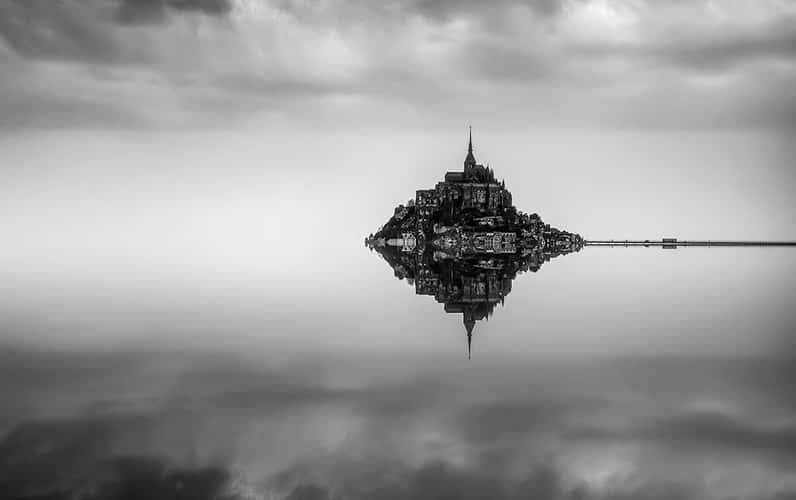
Winter can also be rewarding for those seeking moody, dramatic coastal scenes with powerful waves crashing against the cliffs, though many tourist services may be closed. For Mont Saint-Michel specifically, checking tide tables is crucial to capture the island effect or the mirror-like reflections on the wet sand during low tide.

Traveling

Normandy is easily accessible from Paris via train (SNCF) to major hubs like Rouen, Caen, or Bayeux, or by a 2-3 hour drive. While cities are walkable and connected by regional trains, a rental car is essential for photographers wanting to reach remote coastal spots, rural villages, and the various D-Day sites at sunrise or sunset. Parking is generally available at major tourist sites, though it can be expensive at Mont Saint-Michel and crowded in Honfleur. Road networks are excellent, but be prepared for narrow, winding lanes in the countryside. For those focusing on the coast, a sturdy pair of walking boots is necessary as many of the best vantage points require hiking along cliff-top paths.

Photography tips for Normandy

To capture the best of Normandy, prioritize the Étretat cliffs at sunrise when the light hits the L'Aiguille rock formation directly. At Mont Saint-Michel, use a telephoto lens from the mainland to compress the architecture against the sky, or get close with a wide-angle lens during a high tide for reflections. Don't overlook the interior; the Rouen Cathedral offers intricate Gothic details that change throughout the day, much like Monet's famous series of paintings. Use ND filters for long exposures at the D-Day beaches to smooth out the water and create a sense of timelessness. Weather sealed gear is highly recommended, as rain showers are frequent and sudden, often followed by spectacular rainbows or dramatic light breaks.

Other languages

Here is how Normandy is called in other languages:
CS Normandie DE Normandie EL Νορμανδία ES Normandía FI Normandia FR Normandie HI नॉरमैंडी HR Normandija IS Normandía IT Normandia JA ノルマンディー NL Normandië NO Normandie PL Normandia PT Normandia RU Нормандия SV Normandie TR Normandiya ZH 诺曼底

Imprint & Contact © Locationscout 2026 Privacy / Terms