



101 Photo Spots in Flanders

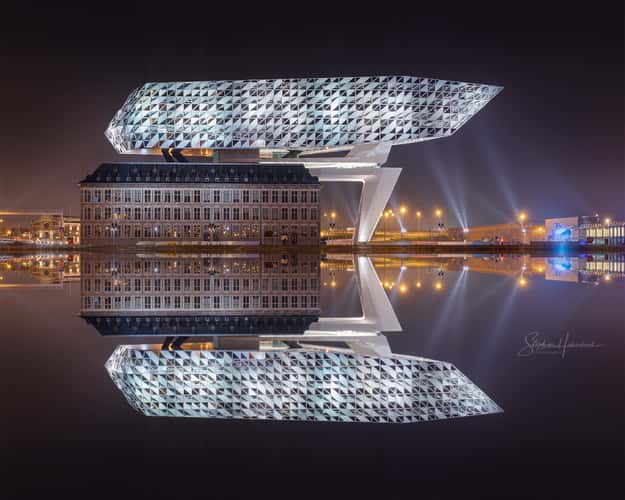
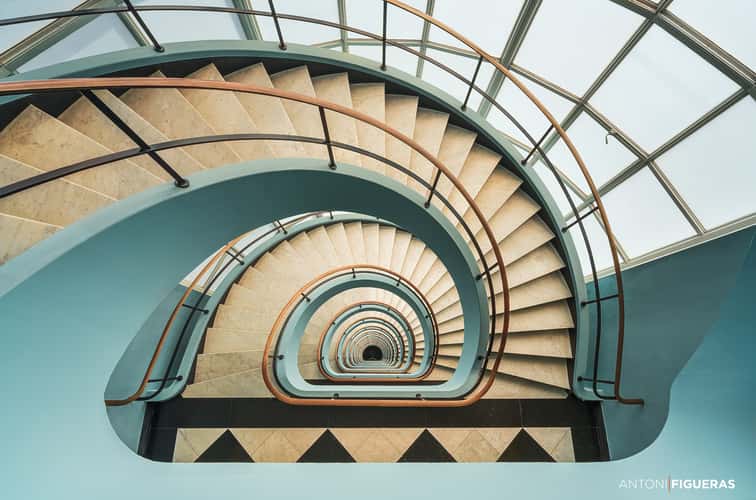
Flanders is a Belgian region renowned for its exceptionally preserved medieval architecture and iconic masterworks of art. From the romantic canals of Bruges to the modern industrial charm of Antwerp's port, the area offers a diverse palette for architectural and street photographers.

latest contributors
Dirk De Meyer Donovan Callaghan Klaus L. Carina Yves L.

Tips for your trip to Flanders

About the location

Flanders captures the essence of Northern Europe with its flat landscapes, historic belfries, and atmospheric town squares. Each city, from Ghent to Leuven, boasts a unique personality, featuring a blend of Gothic, Renaissance, and contemporary styles. The region is also home to the Flemish Primitives influence, which translates into a local appreciation for light and detail that is still palpable today.

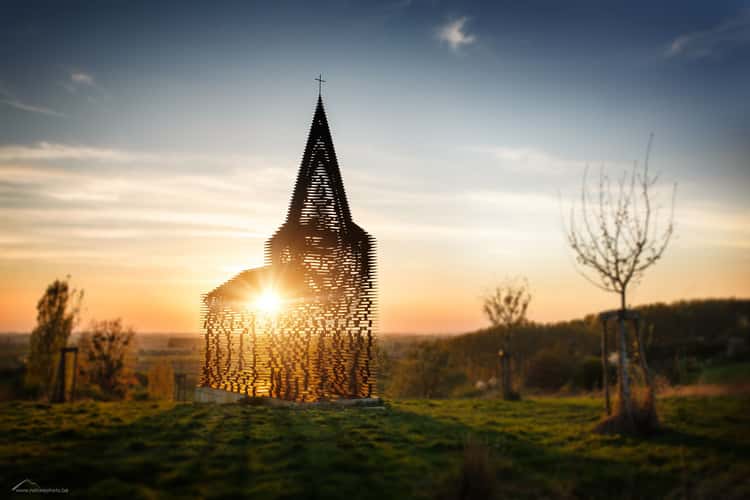
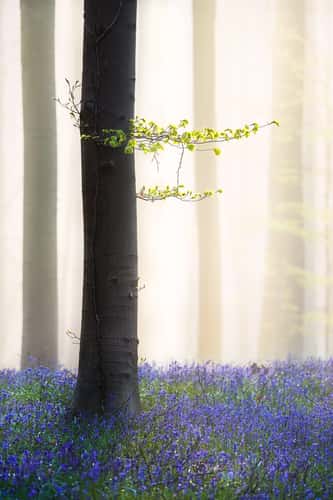
For nature photographers, the coastal dunes of the North Sea and the rolling hills of the Flemish Ardennes provide a soft, pastoral contrast to the dense urban centers. The lighting here is often moody and diffused, perfect for long-exposure seascapes or capturing the mist rising over agricultural fields.

Best timing

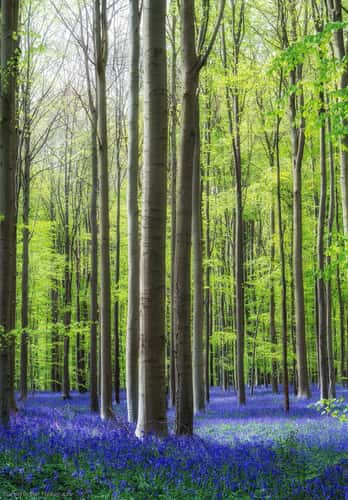
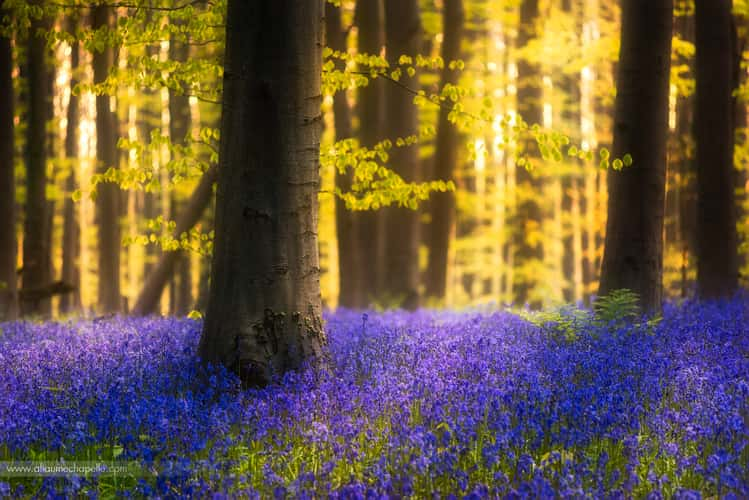
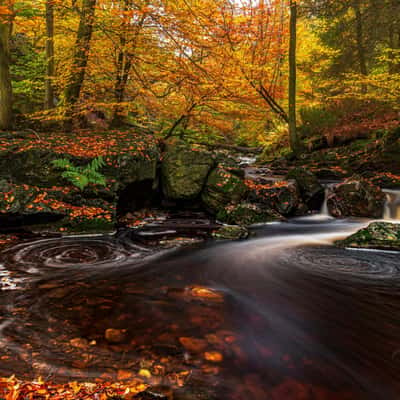
The best time to visit Flanders for photography is during the shoulder seasons of spring and autumn. These periods offer mild weather, fewer crowds in popular spots like Bruges, and beautiful natural light, with spring blooms or golden fall foliage enhancing the historic cityscapes.

Winter is also highly recommended for its atmospheric Christmas markets and the possibility of fog or light snow, which adds a magical, moody layer to the medieval architecture. Night photography is particularly rewarding in winter when the cities are beautifully illuminated and the nights are long.

Traveling

Flanders is easily accessible via Brussels Airport or Antwerp Airport, and it is exceptionally well-connected by a dense rail network. Trains are the most efficient way to travel between major cities like Bruges, Ghent, and Antwerp, with most stations located within walking distance of the historic centers.

While cars are useful for exploring rural areas or the coastline, they are often a hindrance in city centers due to low-emission zones, narrow streets, and expensive parking. If you do drive, look for Park and Ride facilities on the outskirts of cities to save money and avoid traffic.

Photography tips for Flanders

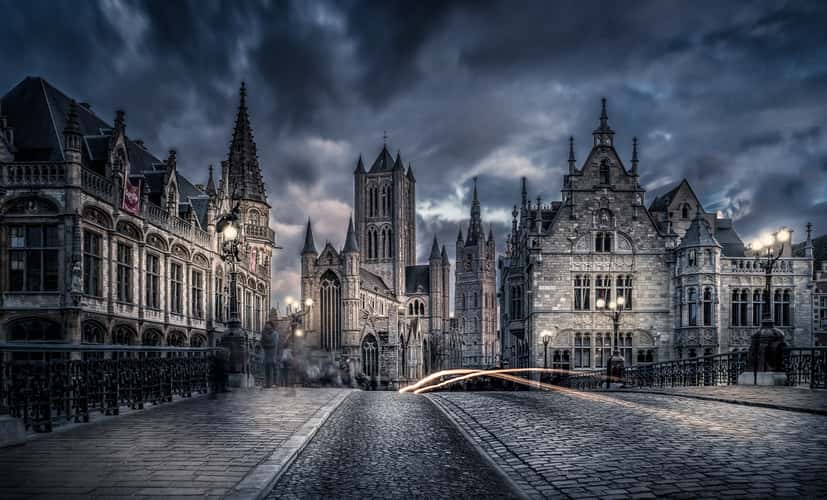
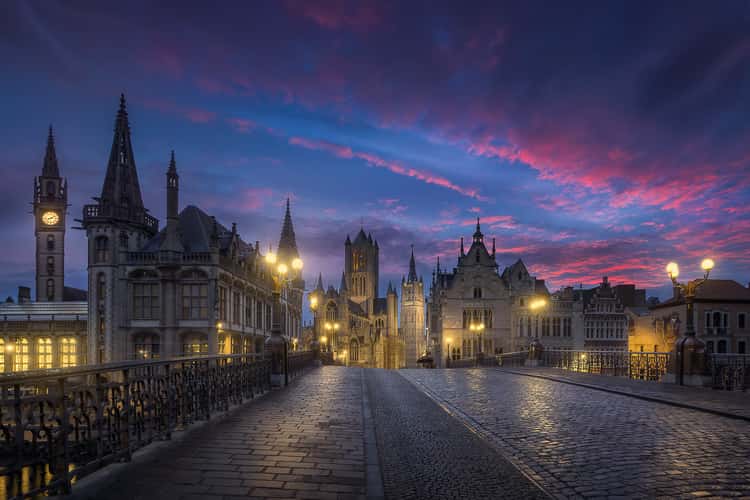
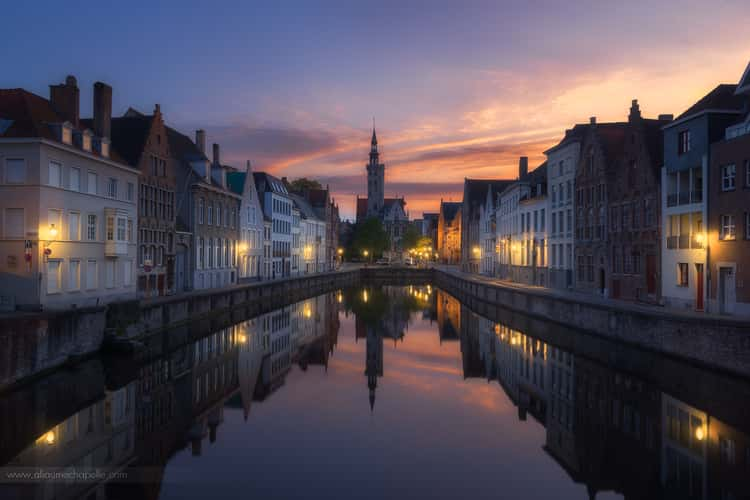
Focus on the blue hour in cities like Ghent, where the reflection of illuminated medieval buildings in the Graslei and Korenlei canals creates stunning compositions. Use a wide-angle lens to capture the scale of the cathedral interiors and belfries, but don't forget a tripod for the low-light conditions prevalent in narrow alleys.

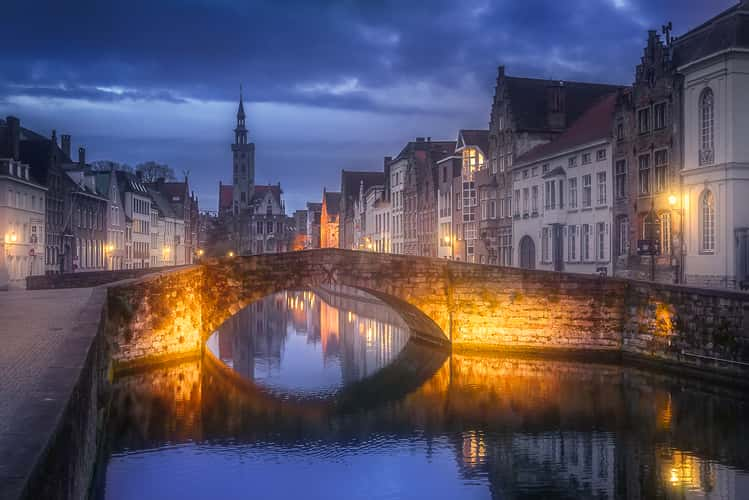
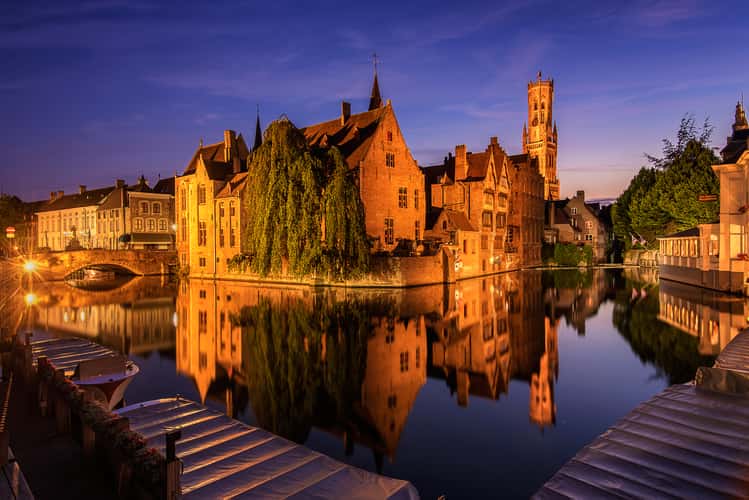
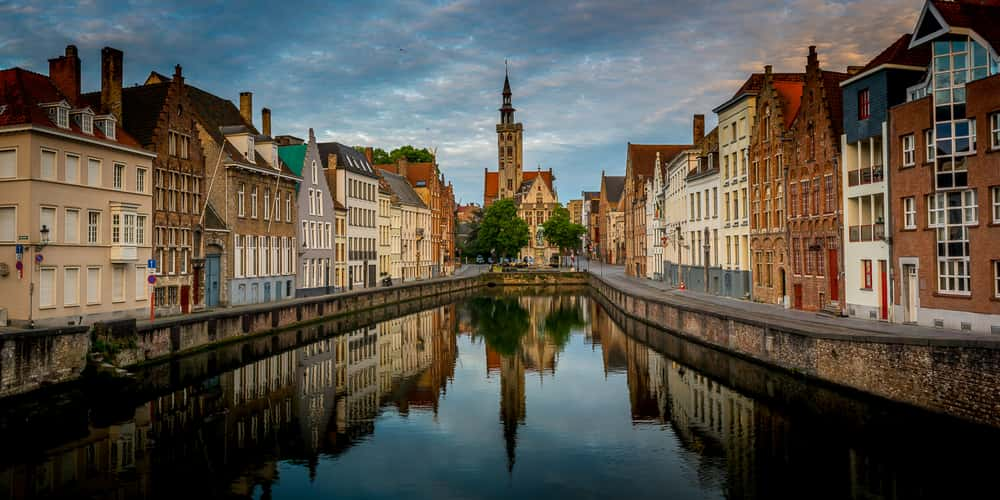
In Bruges, arrive at the Rozenhoedkaai at sunrise to avoid the crowds and capture the iconic view in soft light. For street photography, Antwerp’s Eilandje district and the central railway station—often cited as one of the most beautiful in the world—offer a mix of modern architecture and classic grandeur.

Other languages

Here is how Flanders is called in other languages:
CS Vlámsko DE Flandern EL Φλάνδρα ES Flandes FI Flanderi FR Flandre HI फ़्लैंडर्स HR Flandrija IS Flæmingjaland IT Fiandre JA フランドル NL Vlaanderen NO Flandern PL Flandria PT Flandres RU Фландрия SV Flandern TR Flandre ZH 佛兰德

Other regions in Belgium

Imprint & Contact © Locationscout 2026 Privacy / Terms