

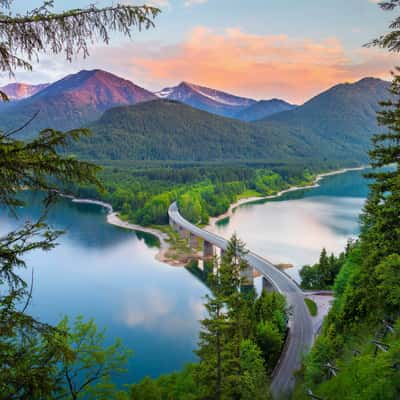
67 Photo Spots in Oberbayern

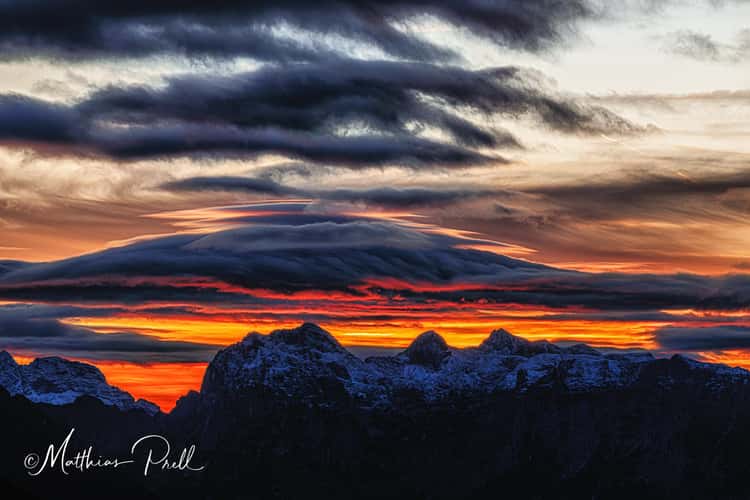
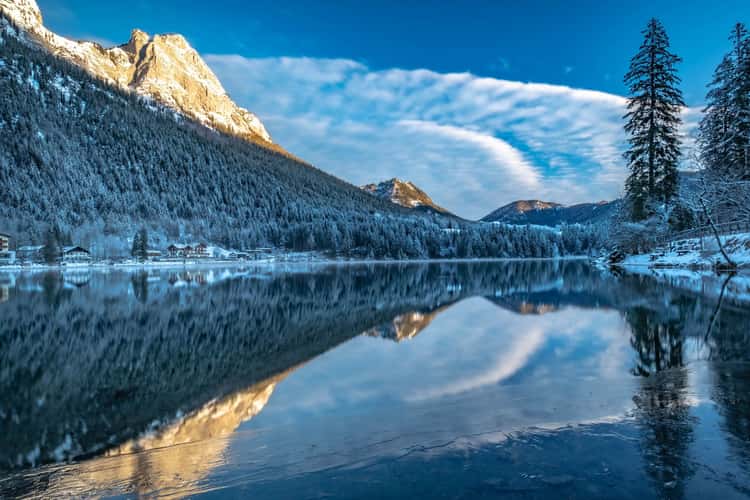
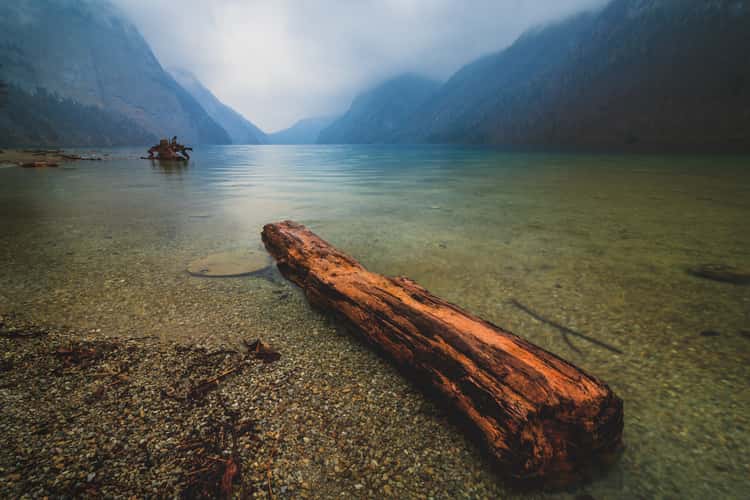
Oberbayern offers an unparalleled mix of dramatic Alpine peaks, crystal-clear lakes, and fairy-tale castles that define the quintessential image of Southern Germany. It is a dream destination for photographers seeking diverse landscapes ranging from the jagged summits of the Zugspitze to the rolling meadows of the foothills.

latest contributors
Thomas Chris Peters Peter Dörr Albert Miethaner Klaus L.

Tips for your trip to Oberbayern

About the location

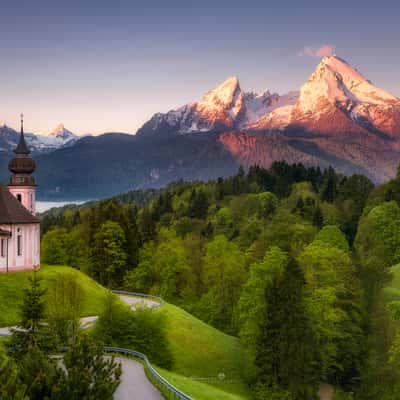
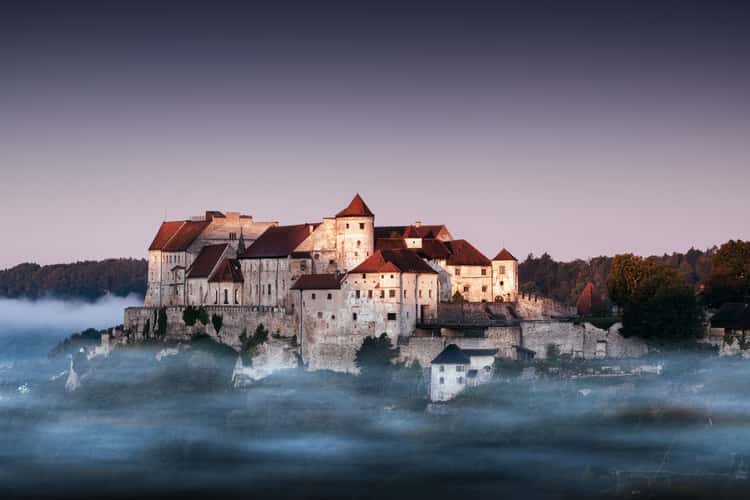
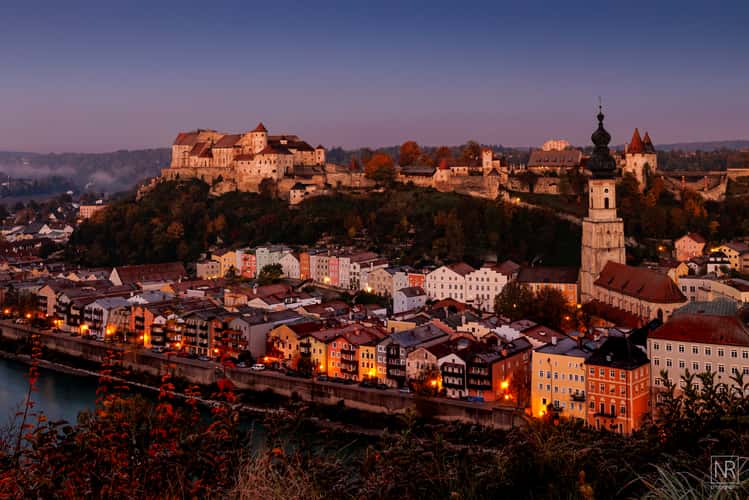
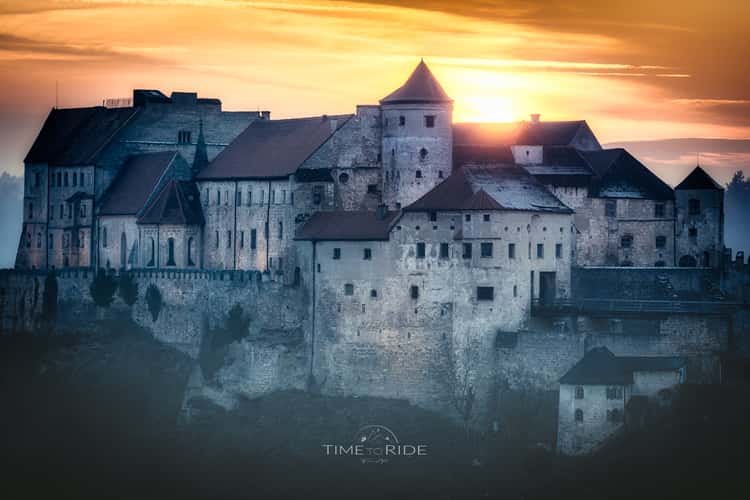
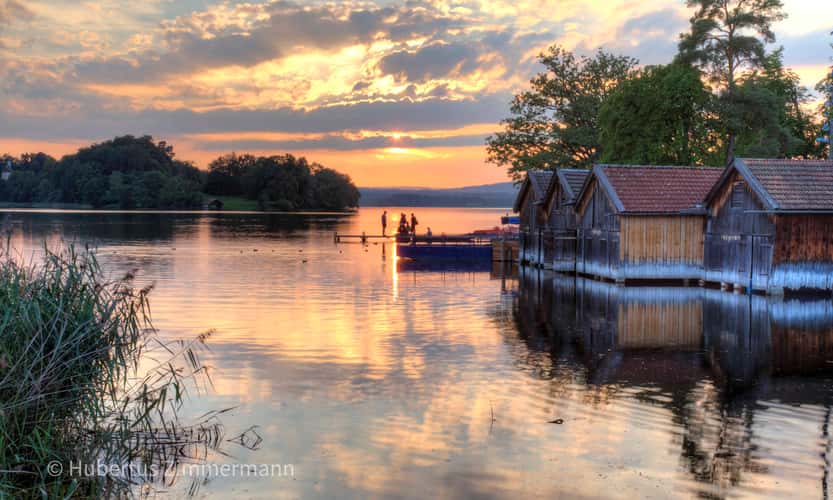
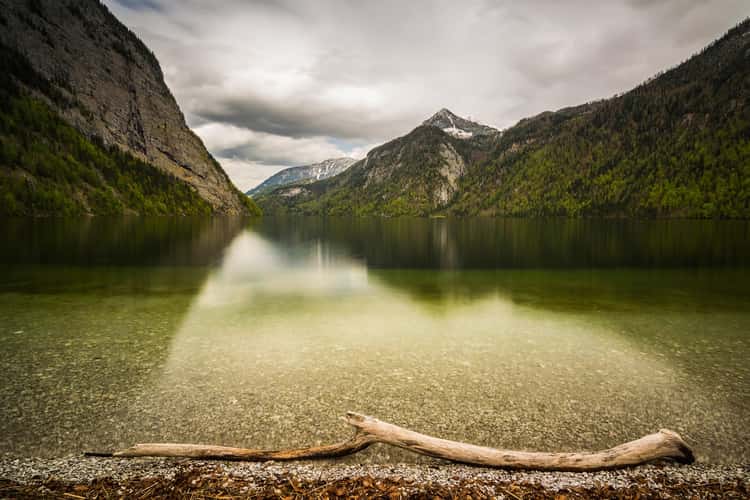
The region is famous for its cultural landmarks, most notably the Neuschwanstein Castle, which looks particularly ethereal in the morning mist. Beyond the icons, photographers will find endless inspiration in the traditional Bavarian villages with their Lüftlmalerei (frescoed) houses and the serene atmosphere of lakes like Eibsee, Königssee, and Walchensee. Each season brings a new character, from the vibrant wildflowers of spring to the deep snows of winter that transform the landscape into a silent wonderland. The light in Upper Bavaria is exceptionally clean, especially during the 'Föhn' wind conditions which provide extraordinary visibility and bring the mountains seemingly within arm's reach. Whether you are interested in architectural photography in Munich, long exposures of waterfalls in the Partnach Gorge, or wide-angle astrophotography in the dark skies of the Berchtesgadener Land, this region provides world-class opportunities.
Best timing

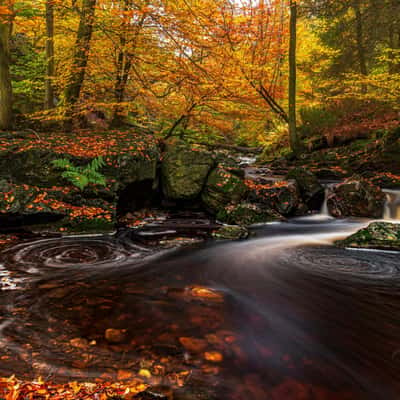
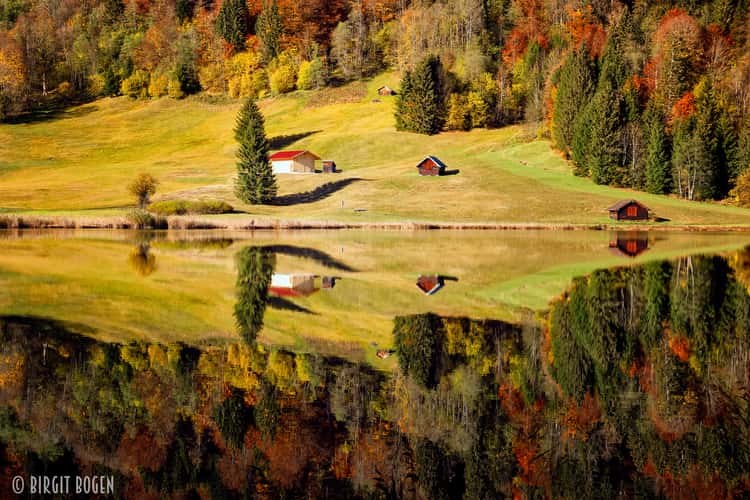
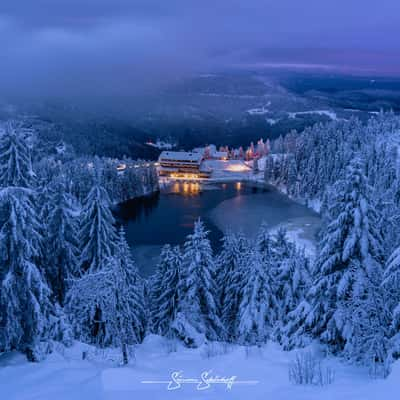
For dramatic mountain scenery, autumn is spectacular as the larch forests turn golden and the first snow dusts the peaks, often accompanied by morning fog over the lakes. Winter is equally magical, especially in January and February, when the landscape is heavily blanketed in snow and the traditional Christmas markets offer vibrant night photography opportunities.

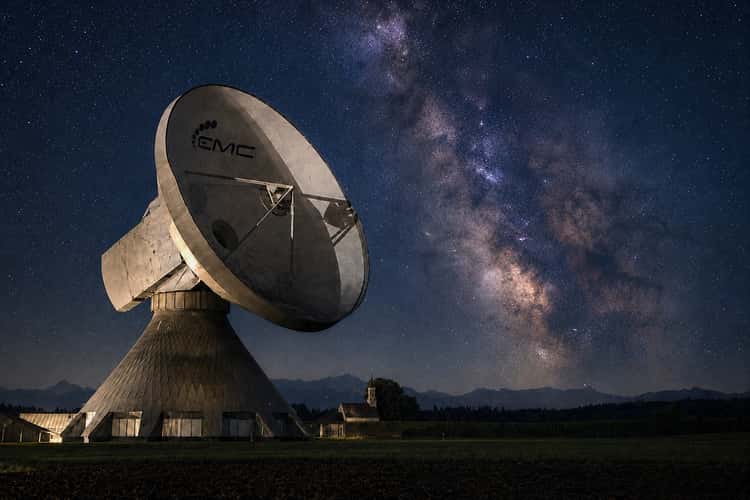
Spring brings lush green valleys and blooming meadows against snow-capped backdrops, while summer offers the best conditions for high-altitude hiking and milky way photography. Golden hour is particularly long and soft in the foothills, providing ample time to capture the perfect light on the limestone massifs.

Traveling

Oberbayern is easily accessible via Munich International Airport (MUC), which serves as the primary gateway. While the extensive German rail network (Deutsche Bahn) and regional buses connect most towns and major lakes, renting a car is highly recommended for photographers to reach remote trailheads and catch the sunrise at isolated locations. Parking is generally well-organized but can be expensive and crowded at hotspots like Lake Eibsee or Neuschwanstein; arriving early is essential. In mountainous areas, cable cars and cogwheel trains provide access to high-altitude viewpoints, though many require a hike to reach the best compositions.

Photography tips for Oberbayern

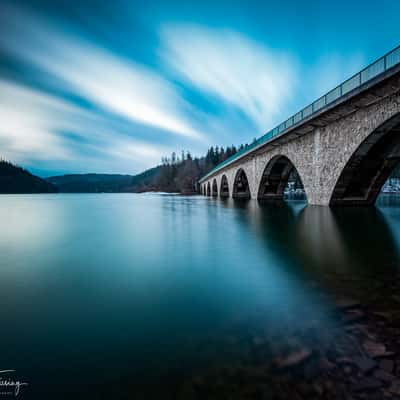
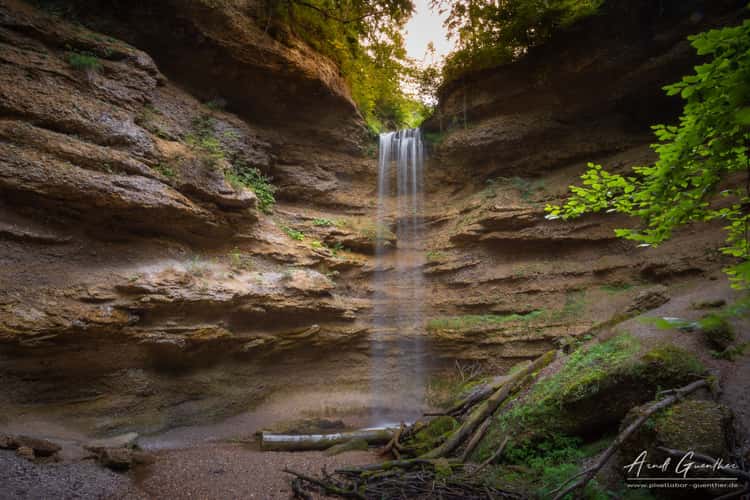
A wide-angle lens (16-35mm) is indispensable for capturing the scale of the Alps and the reflection of peaks in the alpine lakes. However, don't forget a telephoto lens (70-200mm or longer) to compress the layers of the foothills and isolate mountain details or distant chapels. Circular polarizers are essential for cutting glare on the water and making the turquoise colors of lakes like Eibsee pop. For those visiting the churches and cathedrals, a fast prime lens and a tripod (where permitted) are useful for low-light interiors. Use a sturdy tripod for long exposures at the various waterfalls and gorges, and be prepared for rapidly changing weather by carrying high-quality rain covers for your gear.

Other languages

Here is how Oberbayern is called in other languages:
CS Horní Bavorsko DE Oberbayern EL Άνω Βαυαρία ES Alta Baviera FI Ylä-Baijeri FR Haute-Bavière HI ओबेरबायर्न HR Gornja Bavarska IS Efri-Bæjaraland IT Alta Baviera JA オーバーバイエルン NL Opper-Beieren NO Oberbayern PL Górna Bawaria PT Alta Baviera RU Верхняя Бавария SV Oberbayern TR Yukarı Bavyera ZH 上巴伐利亚

Imprint & Contact © Locationscout 2026 Privacy / Terms