

11 Photo Spots at the Forth Bridge

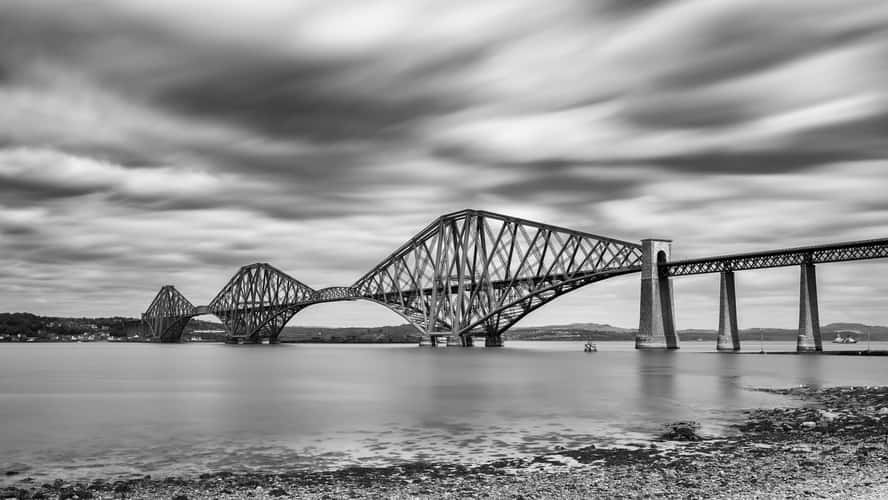
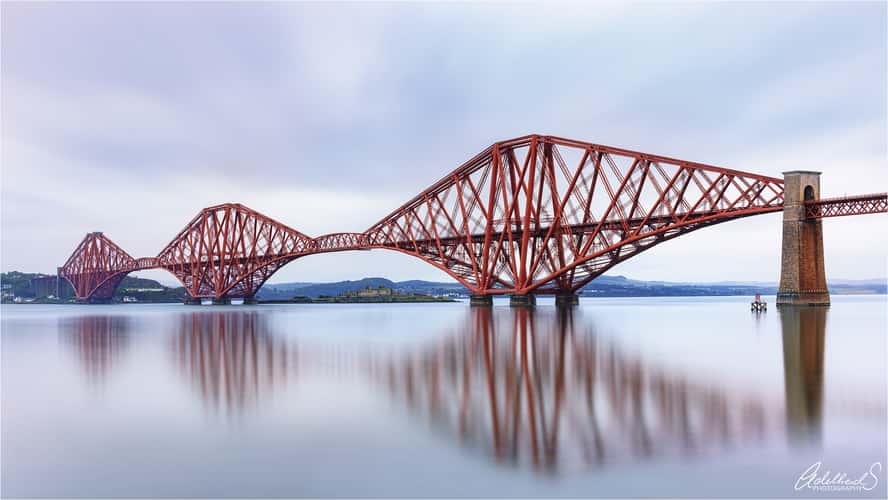
The Forth Bridge is a globally recognized icon of Scotland and a masterpiece of Victorian engineering, characterized by its distinctive red cantilever design. This UNESCO World Heritage site offers photographers a dramatic combination of industrial geometry and maritime atmosphere against the Firth of Forth.

latest contributors
Adelheid Smitt Jason Donovan Donovan Callaghan Werner Koch Christian Hellmich

Tips for your trip to Forth Bridge

About the location

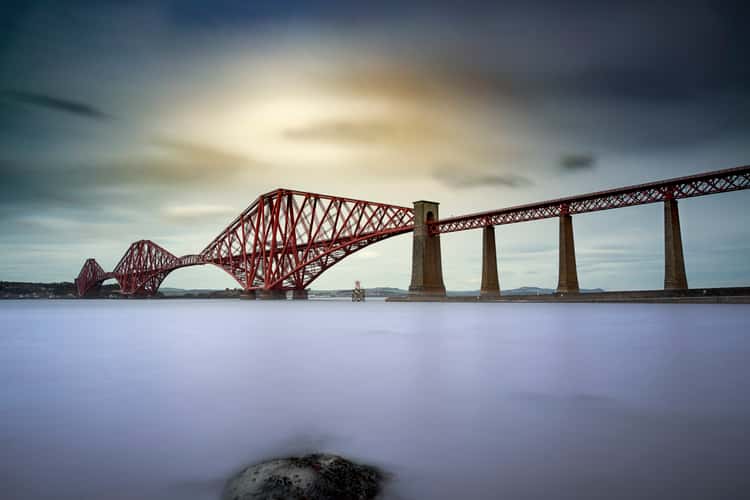
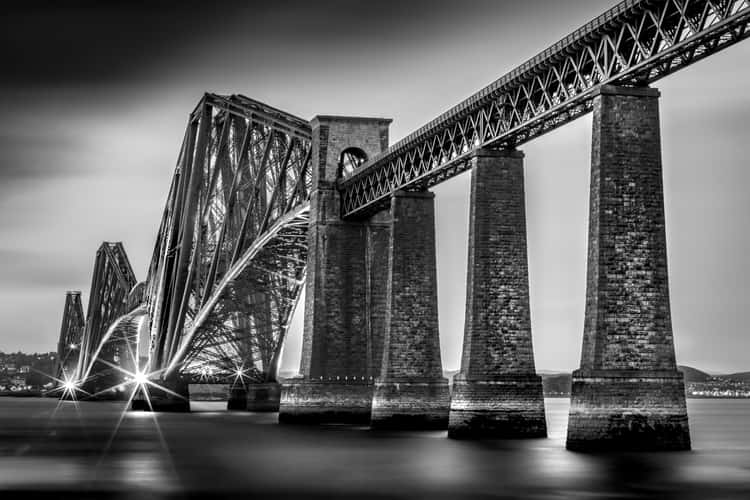
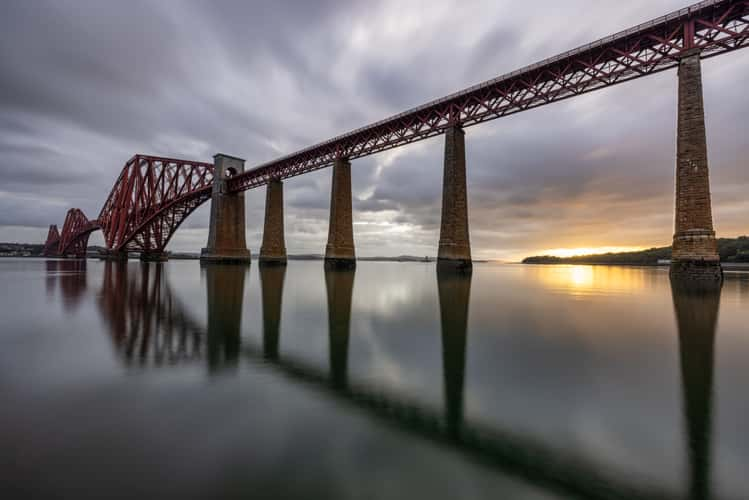
Rising over 100 meters above the water, the bridge's three cantilever structures provide an incredible subject for architectural and landscape photography. The deep 'Forth Bridge Red' paint creates a striking contrast against the changing Scottish skies and the deep blues of the estuary. Whether you are capturing the massive scale of the structure from the shore or focusing on the intricate patterns of its 6.5 million rivets, the visual complexity is staggering. This location is particularly beloved by photographers for its symmetry and the way it anchors the landscape, connecting the Lothians to Fife.

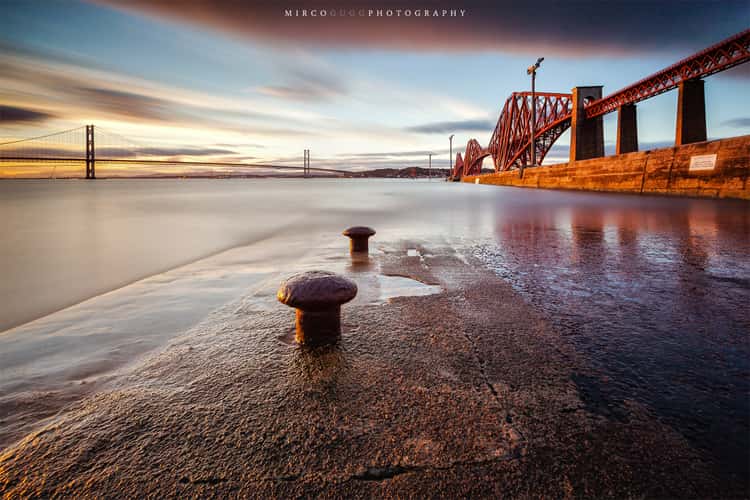
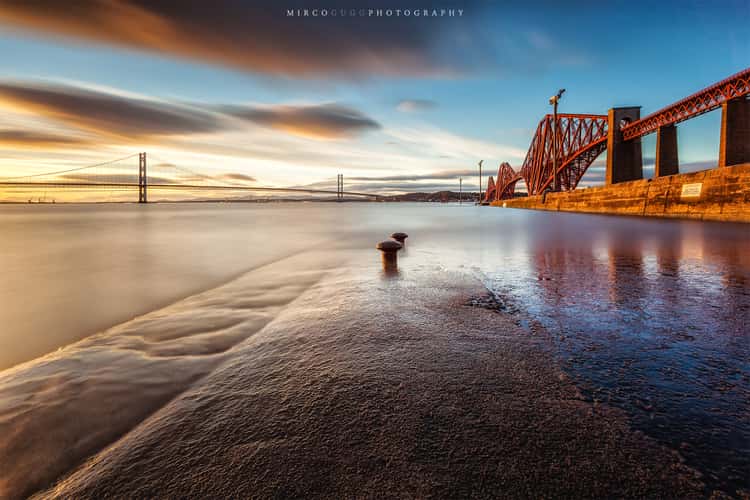
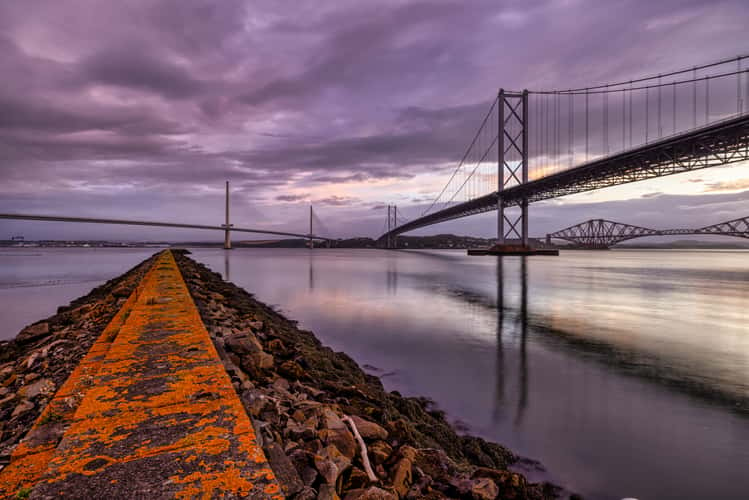
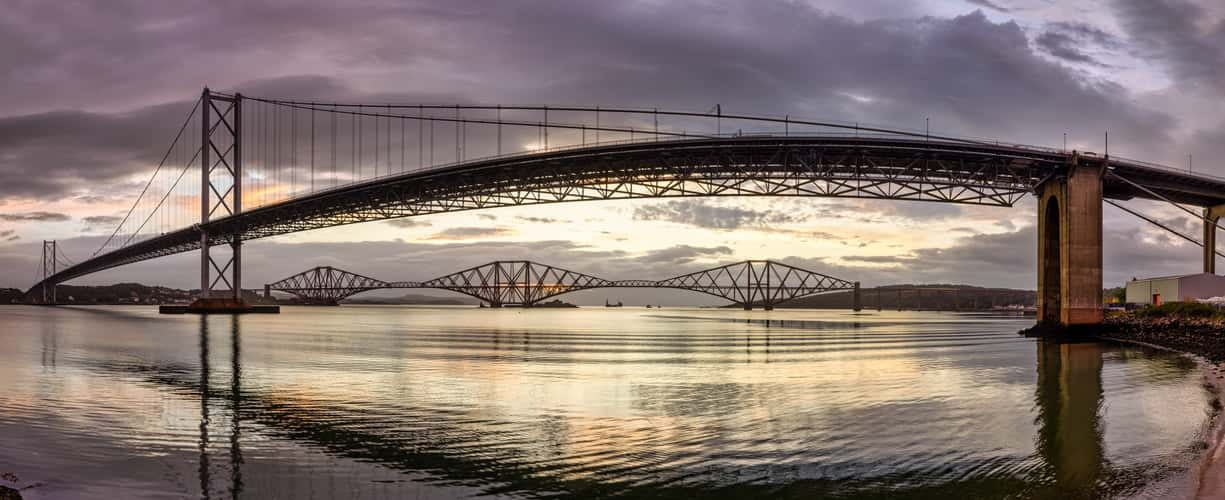
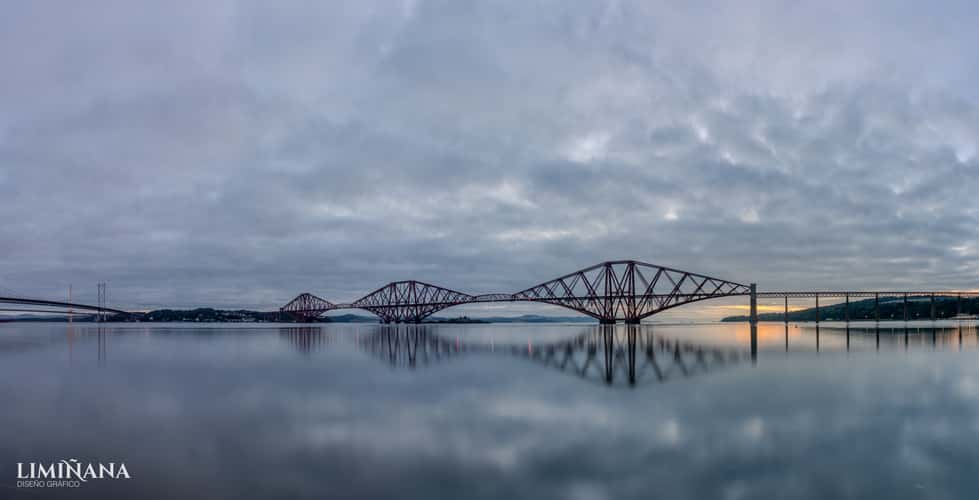
Beyond the bridge itself, the surrounding villages of South and North Queensferry provide charming foreground elements, including historic buildings, pebbled beaches, and active piers. The presence of the newer Forth Road Bridge and the Queensferry Crossing nearby allows for 'three bridges' compositions, showcasing three centuries of engineering in one frame. The interplay of light on the water and the frequent passing of trains across the bridge adds a sense of movement and life to still images.
Best timing

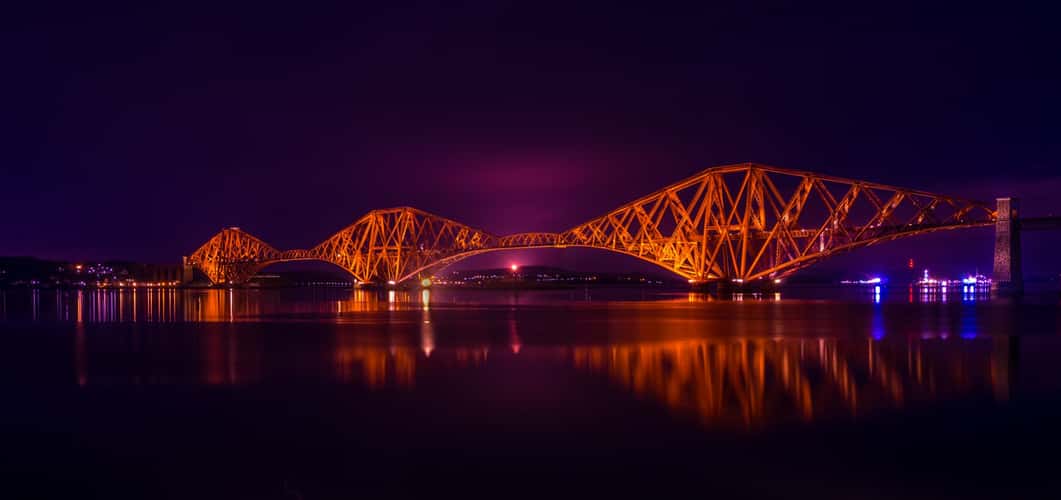
The best time to photograph the Forth Bridge is during the blue hour when the bridge's floodlights are switched on, casting a brilliant glow that reflects in the dark water below. Sunrise and sunset also offer spectacular opportunities, especially when the light hits the red steel directly, saturating the colors against a dramatic sky.

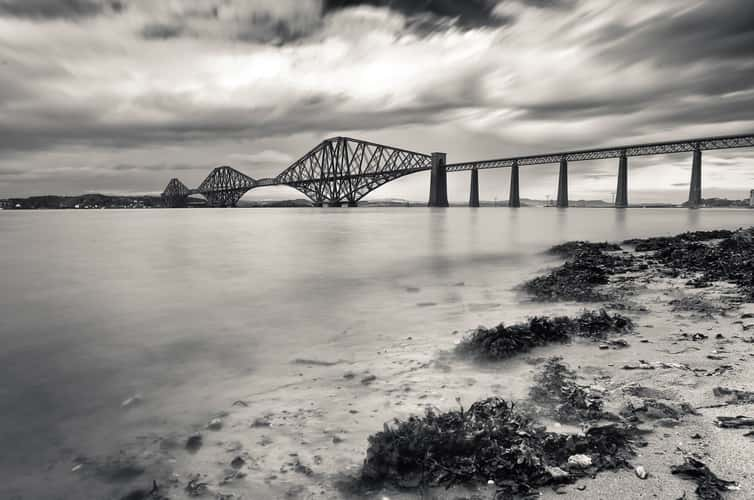
Visiting during a high tide is often preferred for coastal shots to ensure water fills the foreground, while low tide can reveal interesting rock formations and seaweed-covered stones. Winter months can provide particularly moody atmosphere with mist and low-hanging clouds that emphasize the bridge's massive, looming presence.

Traveling

The Forth Bridge is easily accessible from Edinburgh by train, taking about 20 minutes to reach Dalmeny Station (for South Queensferry) or North Queensferry Station. For those driving, there is significant public parking available in South Queensferry, although it can get busy during weekends and holidays. The area is best explored on foot; a coastal path runs along both sides of the Firth, offering numerous vantage points. Photographers should be prepared for windy conditions and wear sturdy shoes if walking along the rocky shorelines.

Photography tips for Forth Bridge

A wide-angle lens is essential for capturing the full span of the bridge from the shoreline, while a telephoto lens allows you to compress the perspective or isolate the intricate steel lattice work. Long exposures are highly recommended to flatten the water of the Firth and capture the motion of clouds or the light trails of passing trains. Consider shooting from the South Queensferry pier for a classic perspective, or head to the pebble beach at low tide for unique foreground textures. Don't forget to explore the North Queensferry side, which offers a closer look at the base of the piers and a different angle on the village architecture. A tripod is a must for night photography and long exposures, especially given the frequent winds in the area.

Other languages

Here is how Forth Bridge is called in other languages:
CS Forth Bridge DE Forth Bridge EL Γέφυρα του Φορθ ES Puente de Forth FI Forth Bridge FR Pont du Forth HI फ़ोर्थ ब्रिज HR Forth Bridge IS Forth-brúin IT Forth Bridge JA フォース鉄道橋 NL Forth Bridge NO Forth Bridge PL Forth Bridge PT Ponte do Forth RU Форт-Бридж SV Forthbron TR Forth Köprüsü ZH 福斯桥

Imprint & Contact © Locationscout 2026 Privacy / Terms