



76 Photo Spots in the Atlantic Ocean

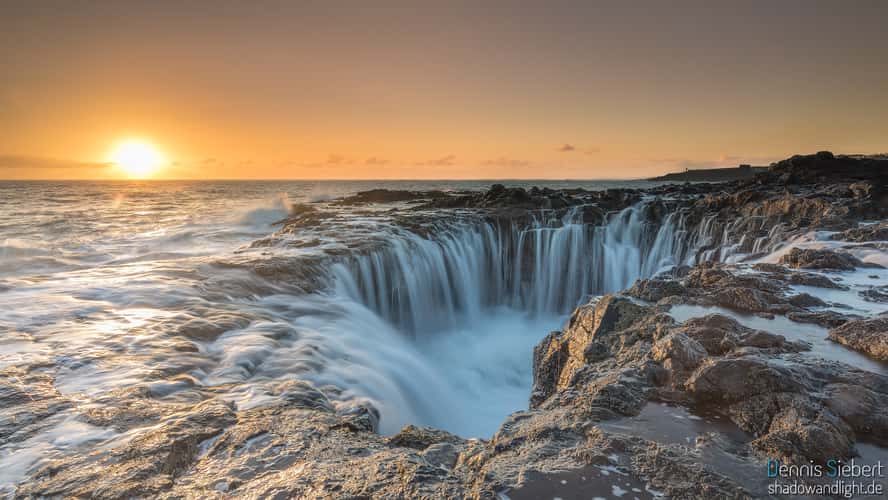
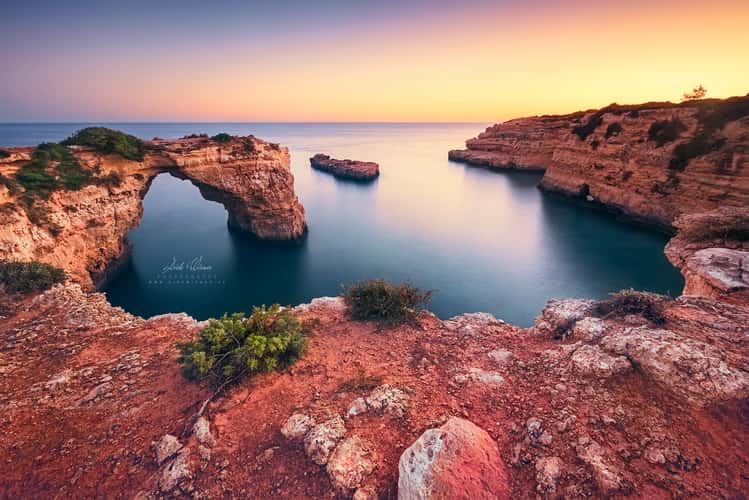
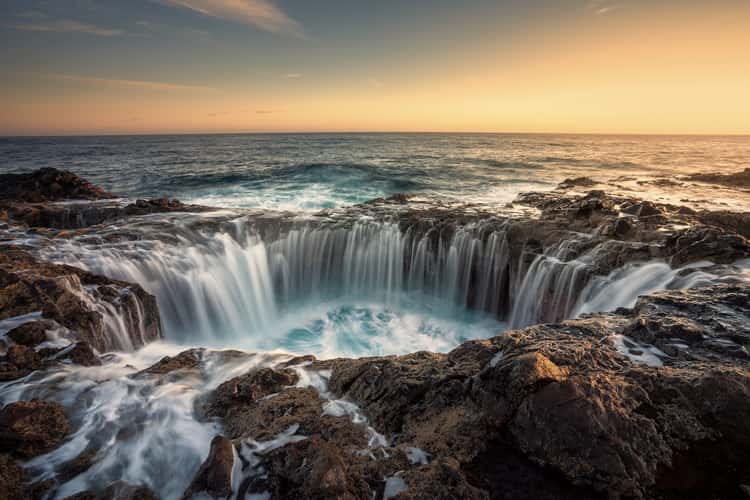
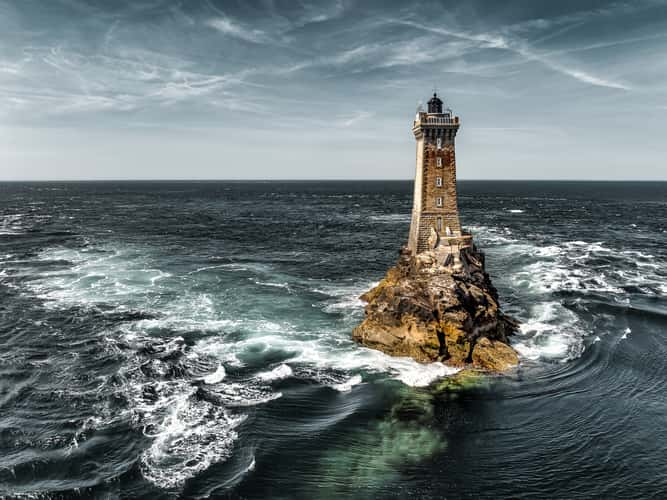
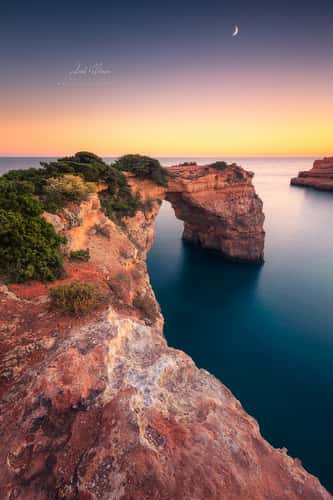
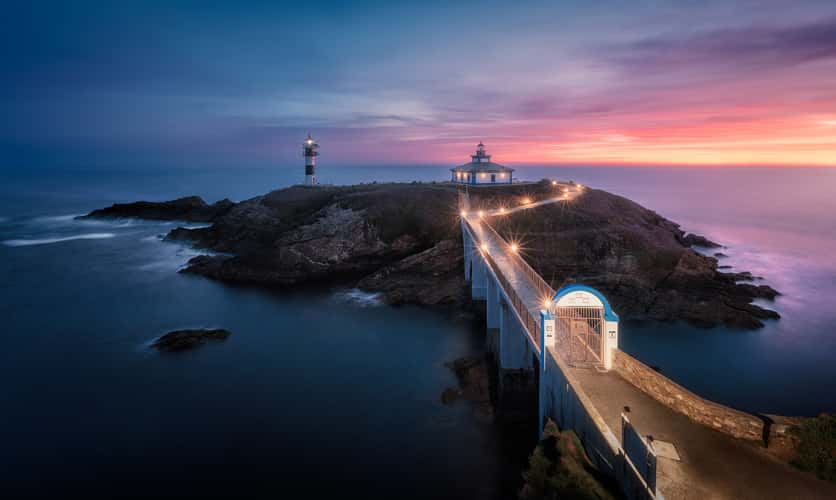
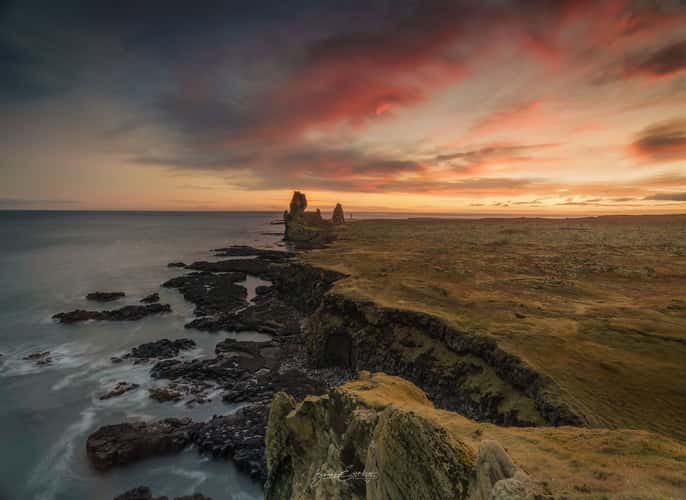
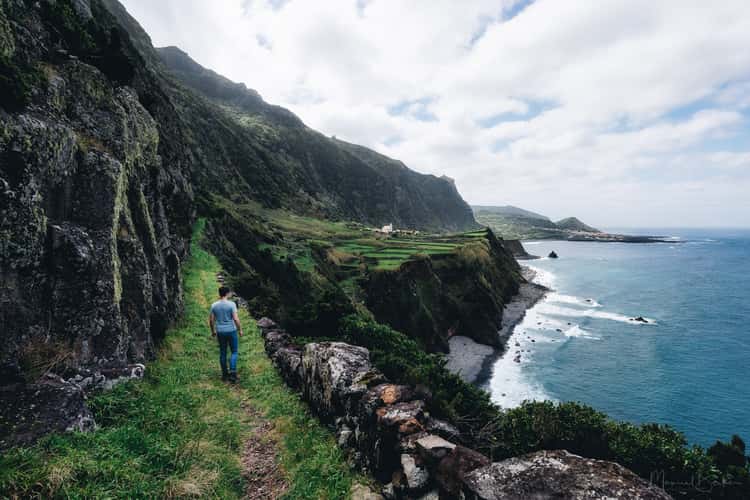
The Atlantic Ocean offers a vast and ever-changing canvas of dramatic seascapes, varying from tranquil turquoise horizons to powerful, crashing storm swells. It provides photographers with unparalleled opportunities to capture the raw energy of nature and the ethereal light of sunrise and sunset across two hemispheres.

latest contributors
Paul Vítor Garcia Thomas Wilken Reinhard Prinzmeier Sebastian Grafe

Tips for your trip to Atlantic Ocean

About the location

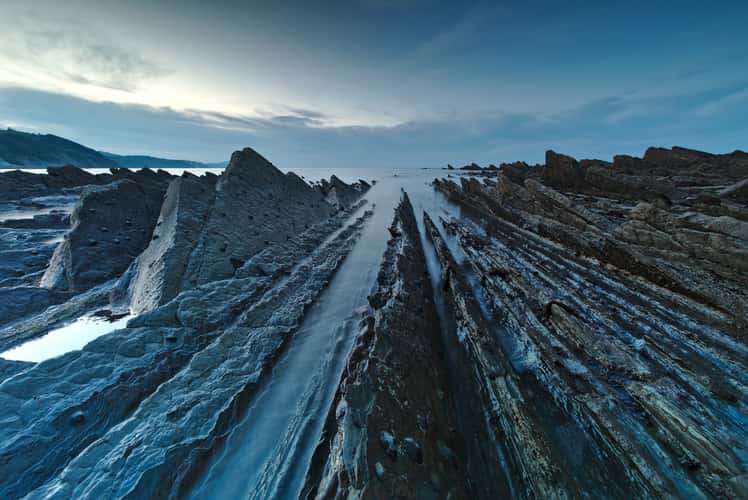
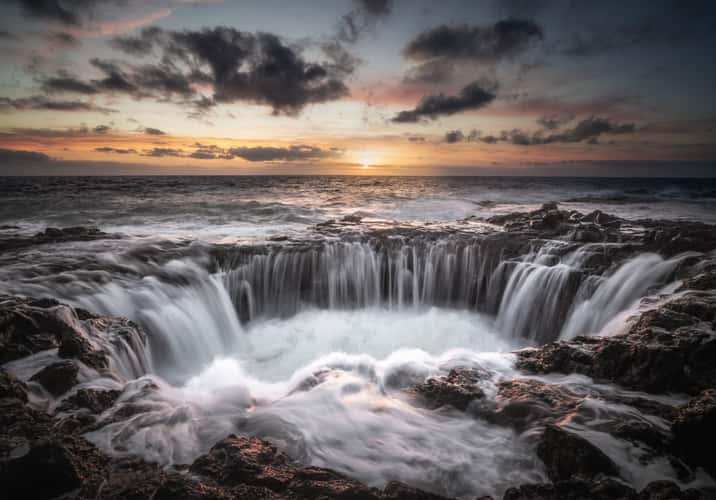
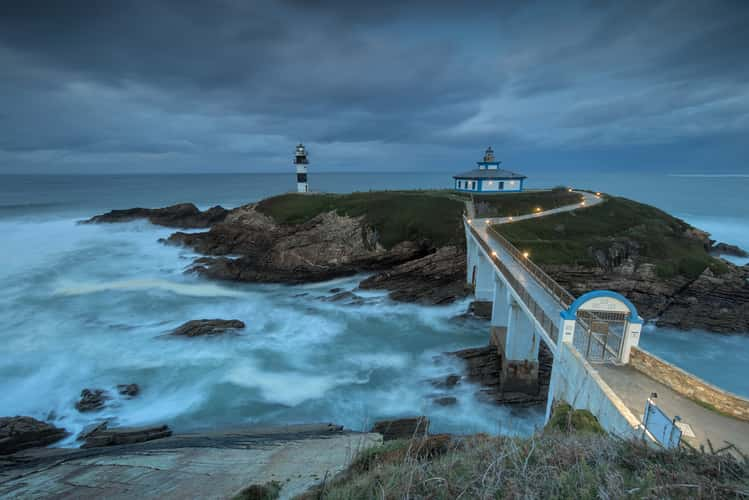
Spanning from the Arctic to the Antarctic, the Atlantic features diverse coastal environments, including rugged cliffs, sandy beaches, and ice-filled waters. Photographers are drawn to its dynamic weather patterns, which create moody atmospheres and spectacular cloud formations that are rare in landlocked areas. The interplay between the deep blue depths and the white foam of breaking waves creates a high-contrast environment perfect for both long-exposure and high-speed photography.

Furthermore, the Atlantic serves as a backdrop for a rich variety of marine life and maritime history. From breaching whales in the North Atlantic to the rusting hulks of shipwrecks along the Skeleton Coast, the photographic subjects are as varied as the ocean itself. Whether shooting from a coastal vantage point or the deck of a ship, the sense of scale and the infinite horizon provide a unique sense of isolation and grandeur.


Best timing

The best timing depends on the latitude, but generally, the transition seasons of spring and autumn offer the most dramatic light and weather conditions. During these times, storm activity is more frequent, providing dynamic waves and skies, while the sun stays lower on the horizon for longer periods.

For tropical Atlantic regions, the dry season ensures clear skies and vibrant water colors. Conversely, the high-latitude regions are best visited during their respective summers for the best light availability, including the midnight sun in the far north.

Traveling

Accessing the Atlantic Ocean is primarily done via coastal cities or by sea vessel. International airports in major hubs like New York, Lisbon, or Cape Town serve as gateways to the shore. Once at the coast, travel options include rental cars for driving along scenic routes, ferries for island hopping, or specialized cruise ships and research vessels for deep-sea and polar expeditions. Parking is generally available at public beaches and coastal viewpoints, though popular spots may require fees or fill up quickly during peak seasons.

Photography tips for Atlantic Ocean

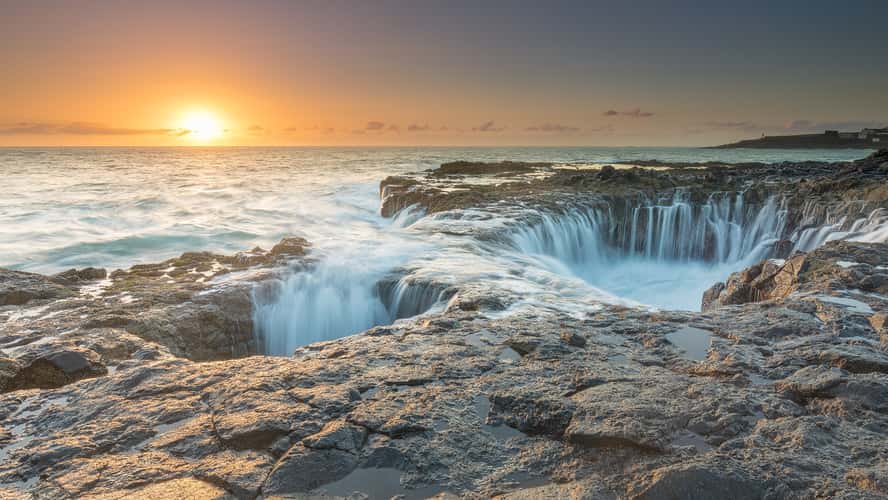
To capture the ocean effectively, use a sturdy tripod and a set of Neutral Density (ND) filters to achieve silky-smooth water effects through long exposures. Fast shutter speeds are essential for freezing the motion of crashing waves and capturing the fine detail of sea spray. Polarizing filters help reduce glare on the water surface and saturate the colors of the sea and sky. Look for foreground elements like rocks, piers, or coastal vegetation to add depth and a sense of scale to your compositions. Early morning and late evening are the golden hours when the low sun casts long shadows and paints the water in warm hues.

Other languages

Here is how Atlantic Ocean is called in other languages:
CS Atlantský oceán DE Atlantischer Ozean EL Ατλαντικός Ωκεανός ES Océano Atlántico FI Atlantin valtameri FR Océan Atlantique HI अटलांटिक महासागर HR Atlantski ocean IS Atlantshaf IT Oceano Atlantico JA 大西洋 NL Atlantische Oceaan NO Atlanterhavet PL Ocean Atlantycki PT Oceano Atlântico RU Атлантический океан SV Atlanten TR Atlas Okyanusu ZH 大西洋

Imprint & Contact © Locationscout 2026 Privacy / Terms