


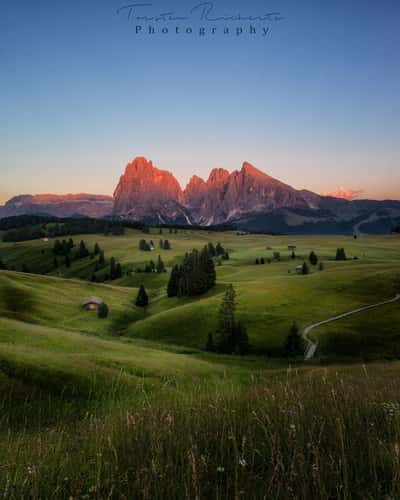
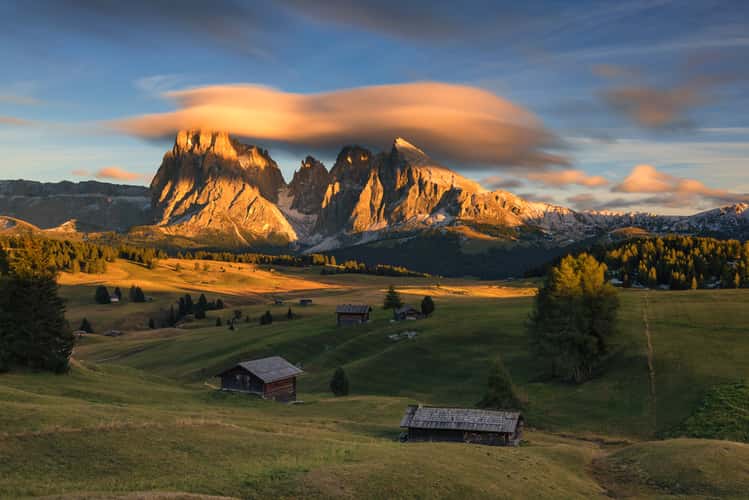
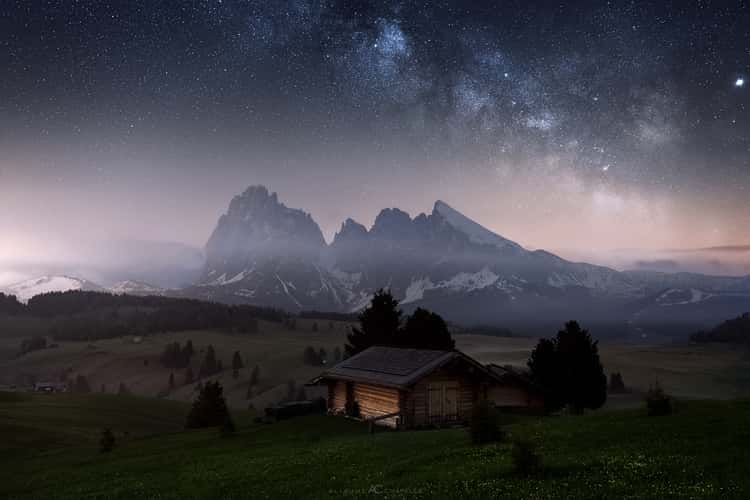
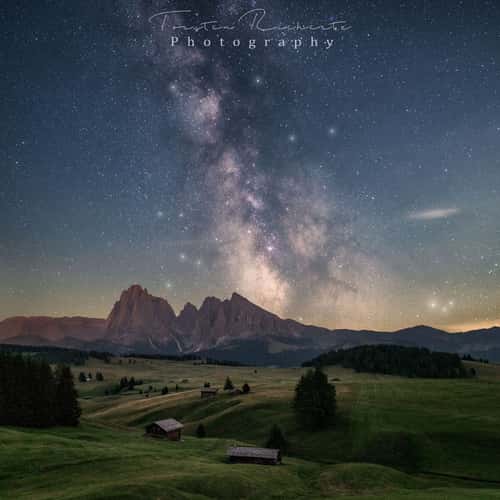
304 Photo Spots in Tyrol

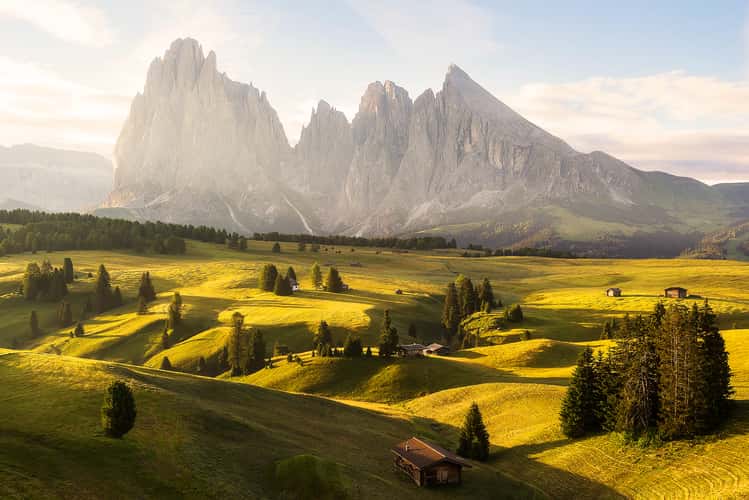
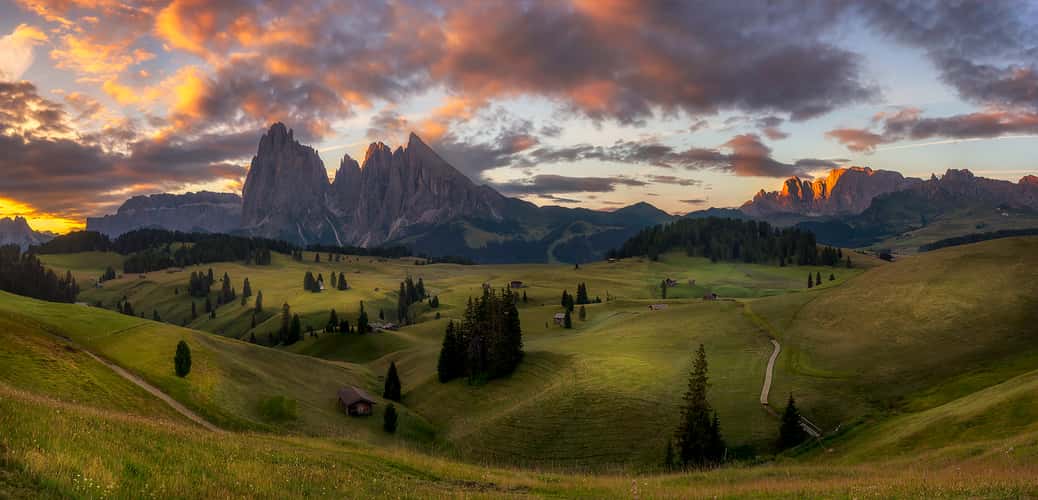
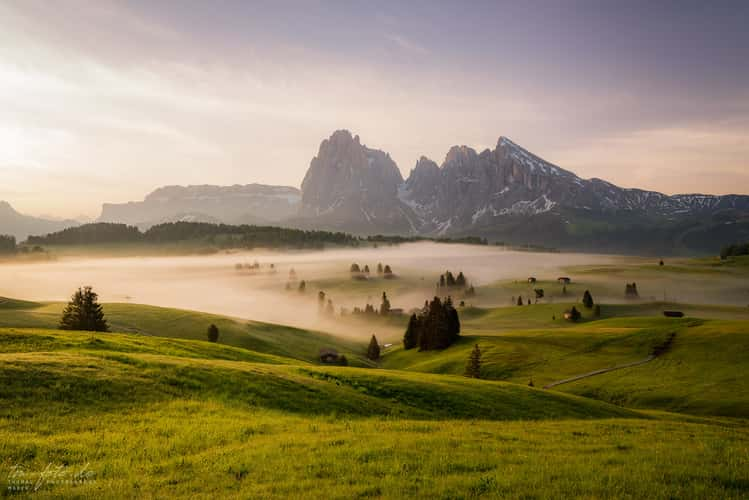
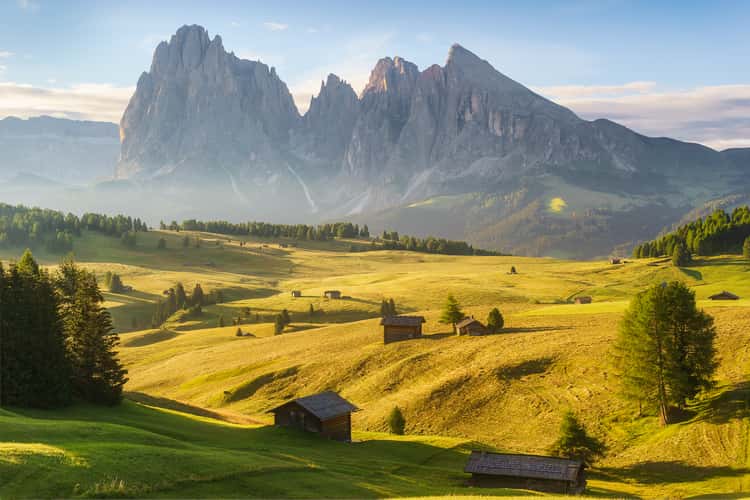
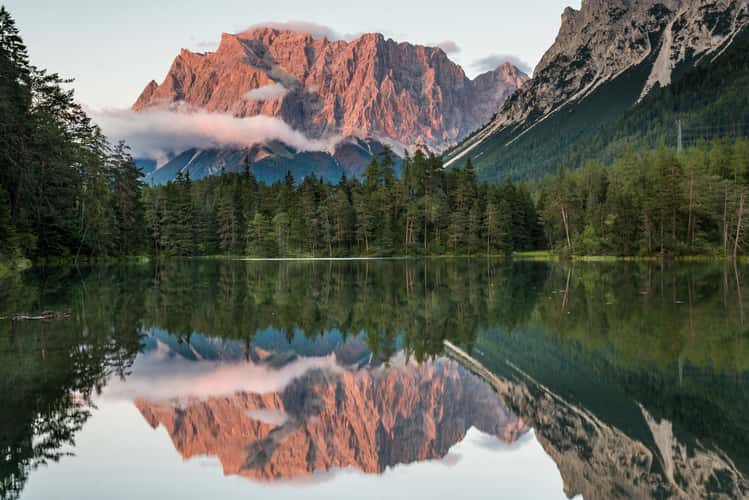
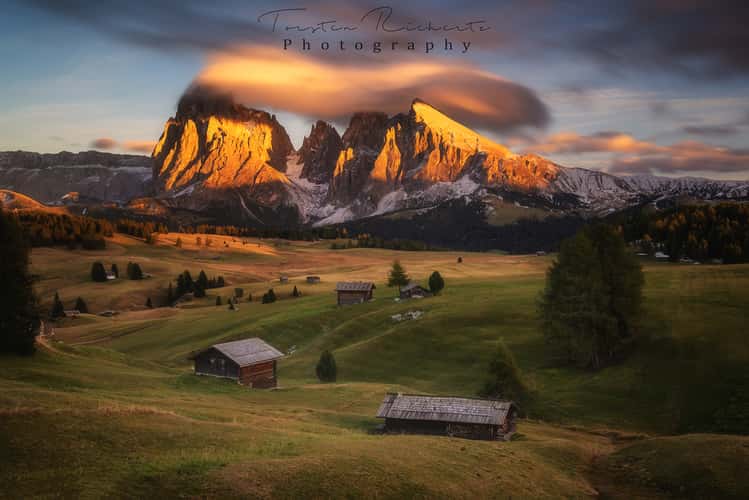
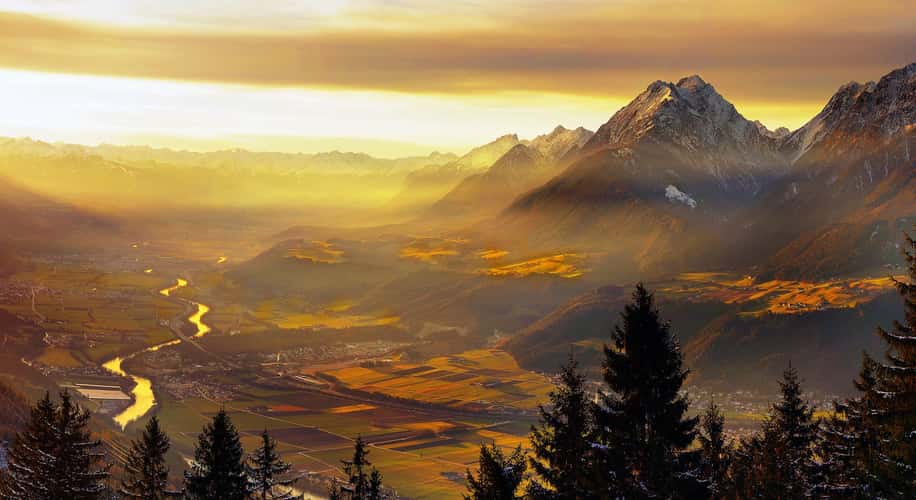
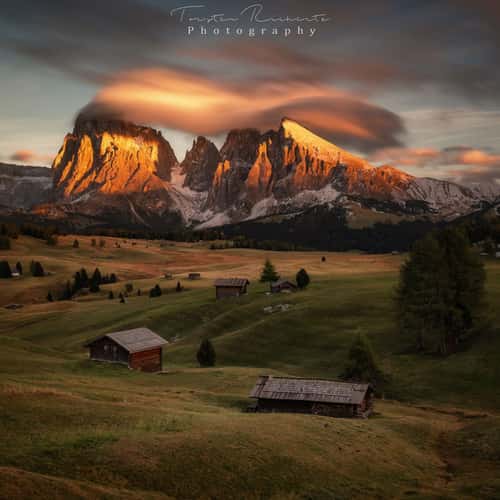
Tyrol is a breathtaking alpine region known for its jagged limestone peaks, crystal-clear mountain lakes, and traditional wooden chalets. It offers photographers a diverse range of subjects, from the dramatic heights of the Ortler Alps to the serene beauty of the Zillertal valley.

latest contributors
Paul Matt Marie Levillain Reto Kurmann Andreas GeraldMcBird

Tips for your trip to Tyrol

About the location

Beyond the high-altitude landscapes, the region is rich with cultural heritage, featuring centuries-old villages where the architecture remains perfectly preserved. In autumn, the forests turn into a riot of color, with golden larches providing a striking contrast against the grey rock faces and blue skies.
Photographers will find the interplay of light and shadow particularly compelling here, especially during the blue hour when the village lights begin to twinkle in the deep valleys. Whether capturing the Milky Way over a remote mountain pass or the intricate details of Alpine flora, Tyrol provides a spectacular canvas for any photographic style.


Best timing

The best time to visit is during the shoulder seasons of late spring for blooming alpine meadows or autumn for the spectacular golden larches. Autumn, specifically October, offers more stable weather and the most vibrant colors for landscape photography.
Winter is equally stunning for those seeking snow-covered peaks and frozen lakes, though many high-altitude passes may be closed. Sunrise and sunset are crucial times to capture the Alpenglow, which turns the limestone peaks into glowing shades of pink and orange.

Traveling

The region is best accessed by flying into Innsbruck, Munich, or Salzburg, with Innsbruck being the most central hub. While an extensive train and bus network exists, renting a car is highly recommended for photographers needing to reach remote trailheads and specific viewpoints at odd hours. Many of the most iconic views are accessible via mountain cable cars, so check their seasonal operating times before planning your trip.

Photography tips for Tyrol

A wide-angle lens is essential for capturing the vastness of the alpine landscapes, while a telephoto lens (70-200mm or longer) helps isolate peaks and create layers. Circular polarizers are great for cutting glare on alpine lakes, and ND filters allow for long exposures of the numerous waterfalls. Always check local weather apps like Bergfex for mountain-specific forecasts, as conditions can change rapidly at high altitudes.

Other languages

Here is how Tyrol is called in other languages:
CS Tyrolsko DE Tirol EL Τυρόλο ES Tirol FI Tiroli FR Tyrol HI टायरॉल HR Tirol IS Týról IT Tirolo JA チロル NL Tirol NO Tirol PL Tyrol PT Tirol RU Тироль SV Tyrolen TR Tirol ZH 蒂罗尔

Imprint & Contact © Locationscout 2026 Privacy / Terms