


2 Photo Spots at the Natural History Museum, London

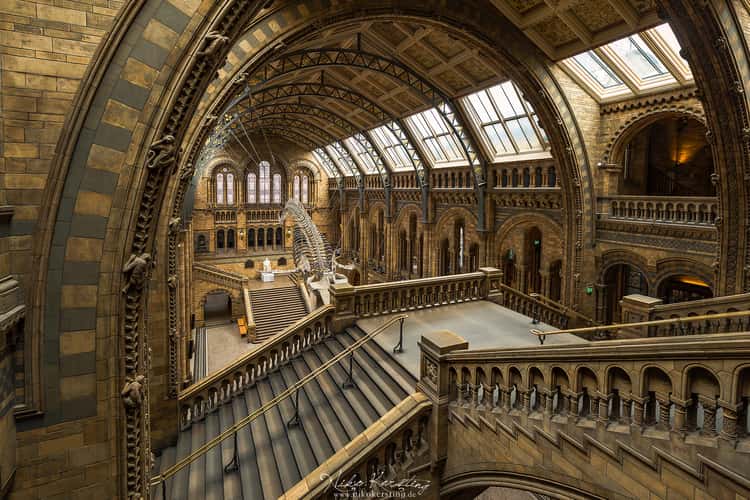
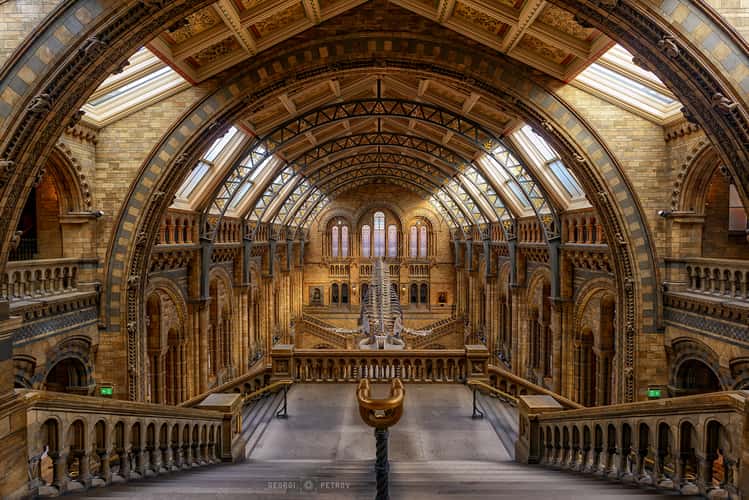
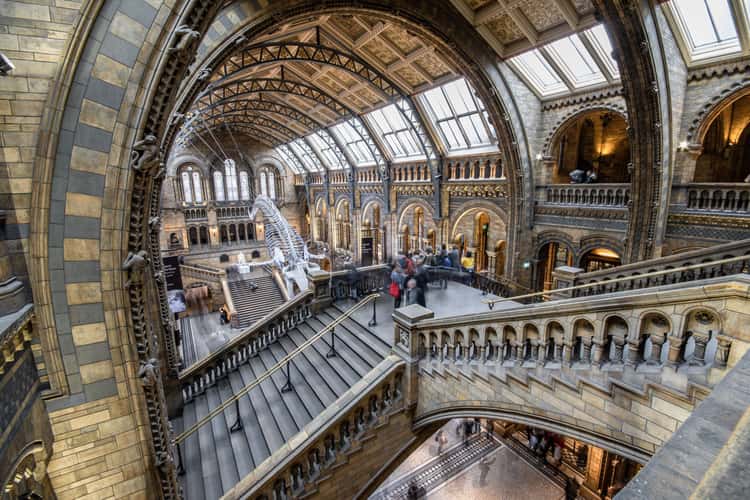
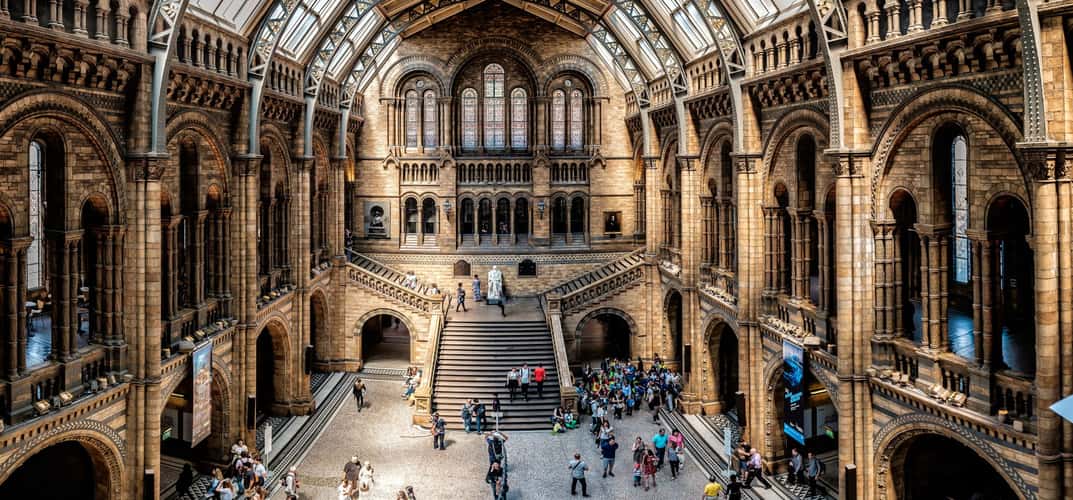
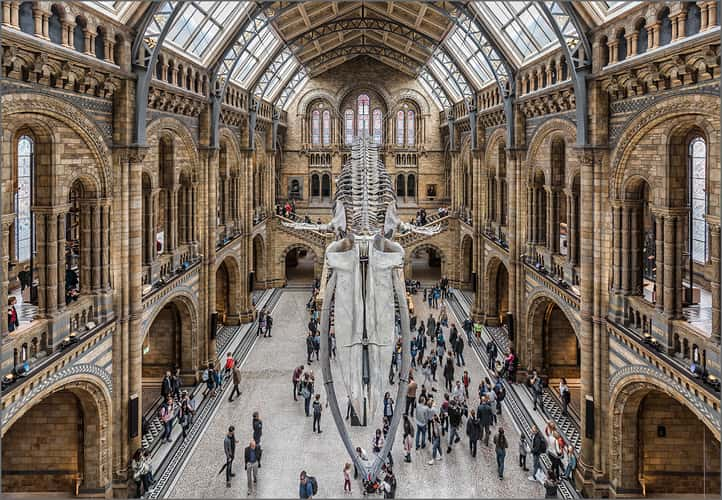
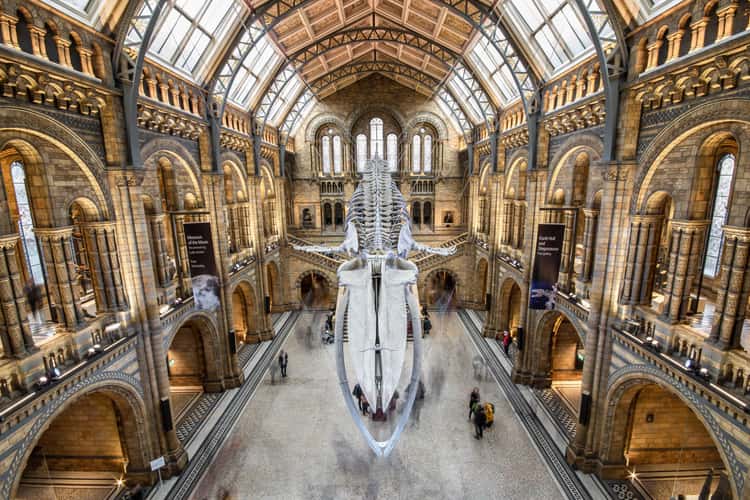
The Natural History Museum in London is a masterpiece of Romanesque architecture, renowned for its intricate terracotta detailing and the awe-inspiring Hintze Hall. It offers photographers a unique blend of Victorian grandeur and fascinating natural specimens, making it one of the most photogenic indoor spaces in the world.

latest contributors
Paul Kent Otacon Julia K. (Life to capture) Herbert A. Franke Patrik

Tips for your trip to Natural History Museum, London

About the location

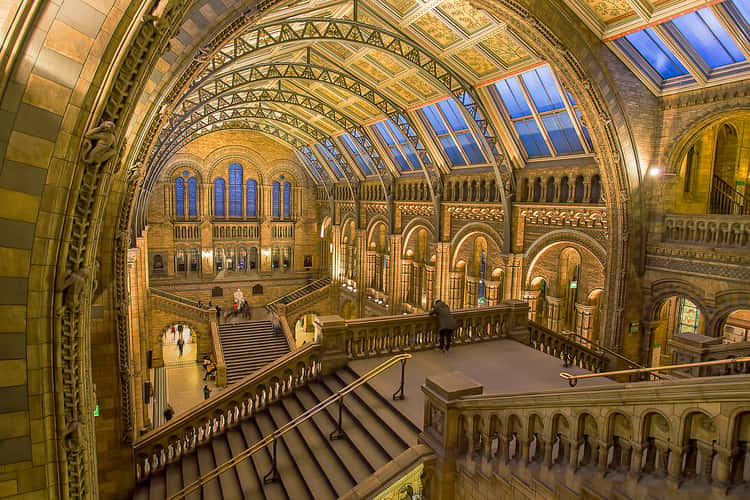
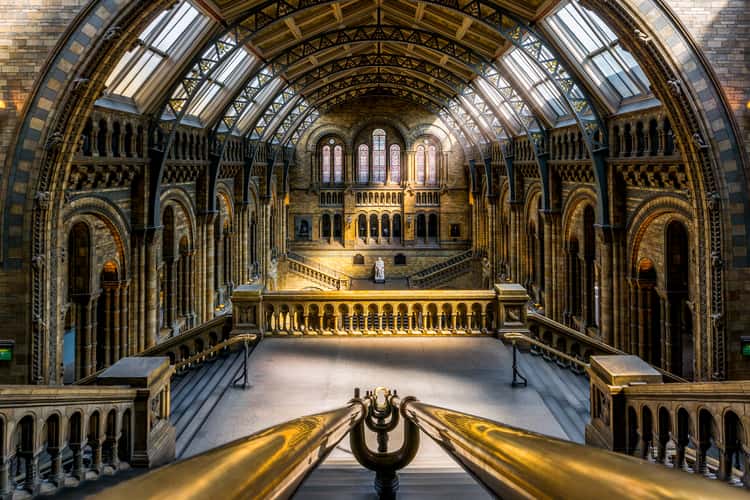
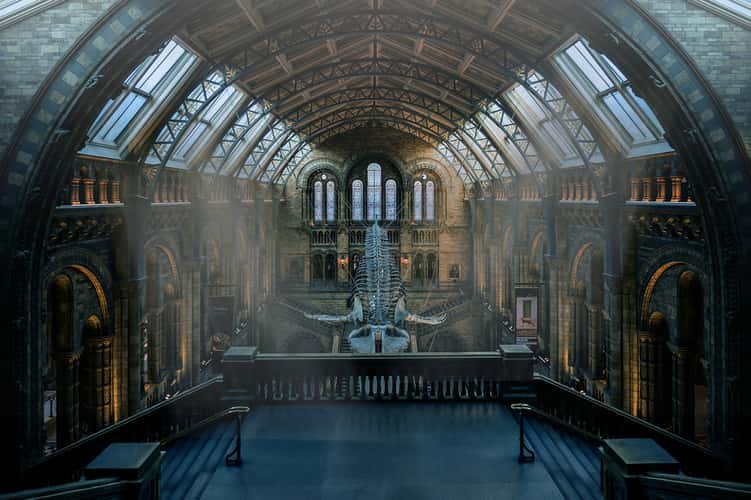
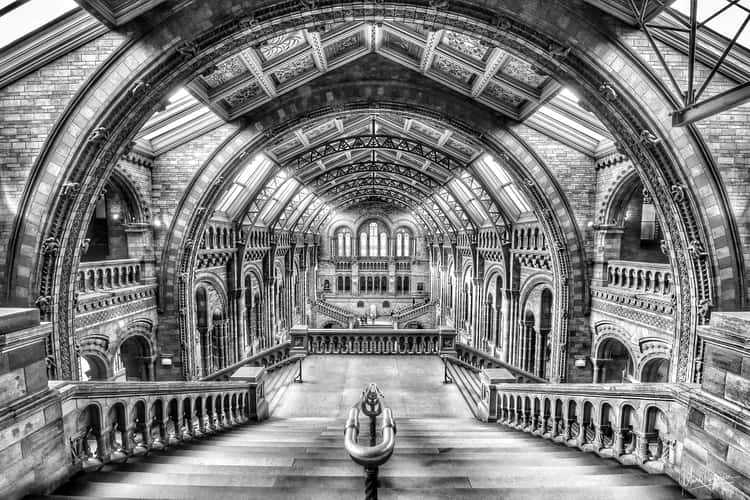
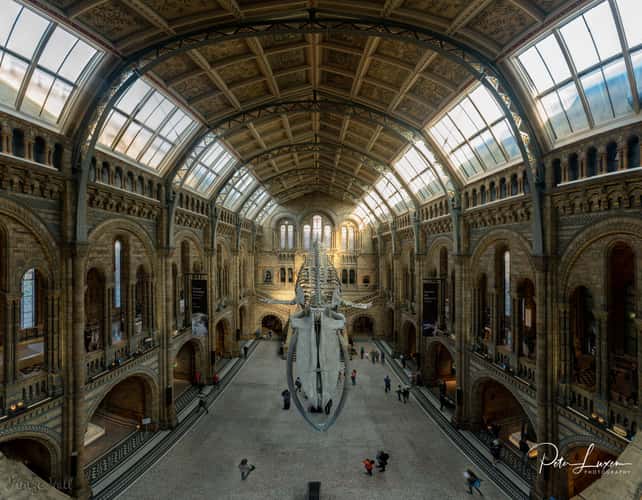
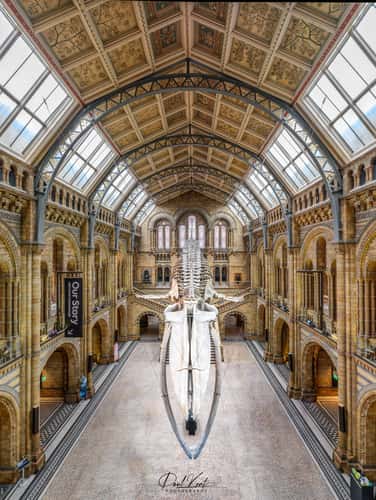
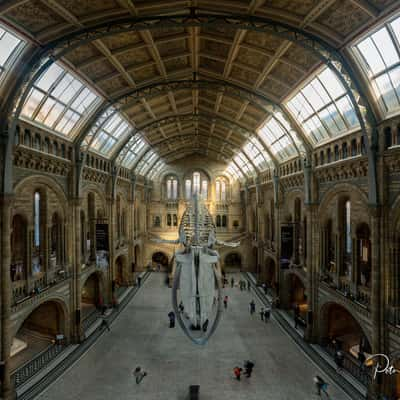
Designed by Alfred Waterhouse and opened in 1881, the building is often described as a "Cathedral to Nature." Every inch of the structure is covered in elaborate carvings of plants and animals, providing endless opportunities for macro and architectural photography. The centerpiece is Hintze Hall, where the massive skeleton of a blue whale named "Hope" is suspended from the ceiling, creating a dramatic focal point that contrasts beautifully with the warm tones of the surrounding arches.

Beyond the main hall, the museum contains various galleries like the Earth Hall with its metallic globe and the Darwin Centre’s Cocoon. Each space offers a different atmosphere, from the moody, wood-paneled corridors of the mineralogy section to the sleek, modern lines of the newer wings. For photographers, the interplay of light through the large stained-glass windows and the repeating patterns of the arches are particularly compelling.

Best timing

The best time to visit for photography is at the very beginning of the day, arriving just before the museum opens to be first in line. Weekdays during school term time are significantly quieter than weekends or holidays, allowing for cleaner shots of the grand architecture without large crowds.

Late afternoon can also be rewarding as the light begins to soften and filter through the high windows of Hintze Hall. During the winter months, the low sun can create long shadows and highlight the textures of the terracotta walls, though you must work quickly before the museum closes in the late afternoon.

Traveling

The museum is located in South Kensington, London, and is most easily reached via the London Underground. The South Kensington station, served by the District, Circle, and Piccadilly lines, is connected directly to the museum via a dedicated pedestrian tunnel. For those traveling by bus, several routes stop right outside the main entrance on Cromwell Road. Parking in the area is extremely limited and expensive, so public transport is highly recommended. Photographers should be aware that while the museum is free to enter, booking a timed entry slot online in advance is often required to guarantee entry.

Photography tips for Natural History Museum, London

A wide-angle lens (16-35mm) is essential for capturing the scale of Hintze Hall and the blue whale skeleton. Since tripods and monopods are generally prohibited without prior arrangement, you should rely on lenses with image stabilization and be prepared to shoot at higher ISO settings. Look for symmetrical compositions on the grand staircases and use the arched doorways as natural frames for your subjects. Don't forget to look up; the ceiling panels in Hintze Hall are beautifully illustrated with botanical drawings. For detail shots, a telephoto lens or a macro lens can capture the intricate animal carvings on the terracotta columns.

Other languages

Here is how Natural History Museum, London is called in other languages:
CS Přírodopisné muzeum DE Naturhistorisches Museum EL Μουσείο Φυσικής Ιστορίας ES Museo de Historia Natural FI Luonnontieteellinen museo FR Musée d'histoire naturelle HI प्राकृतिक इतिहास संग्रहालय HR Prirodoslovni muzej IS Náttúrufræðisafnið IT Museo di storia naturale JA 自然史博物館 NL Natuurhistorisch Museum NO Naturhistorisk museum PL Muzeum Historii Naturalnej PT Museu de História Natural RU Музей естественной истории SV Naturhistoriska museet TR Doğa Tarihi Müzesi ZH 自然史博物馆

Other museums in the United Kingdom

Imprint & Contact © Locationscout 2026 Privacy / Terms