

78 Photo Spots on Newfoundland

Newfoundland is a raw and majestic island defined by its staggering coastal cliffs, ancient fjords, and colorful outport communities. It is a premier destination for photographers seeking a mix of dramatic Atlantic landscapes, rich wildlife, and unique cultural heritage.

latest contributors
fototante.de Mark Keating

Tips for your trip to Newfoundland

About the location

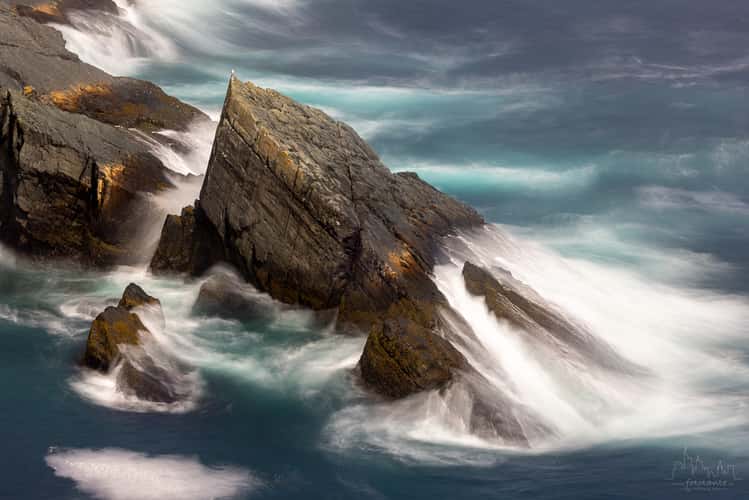
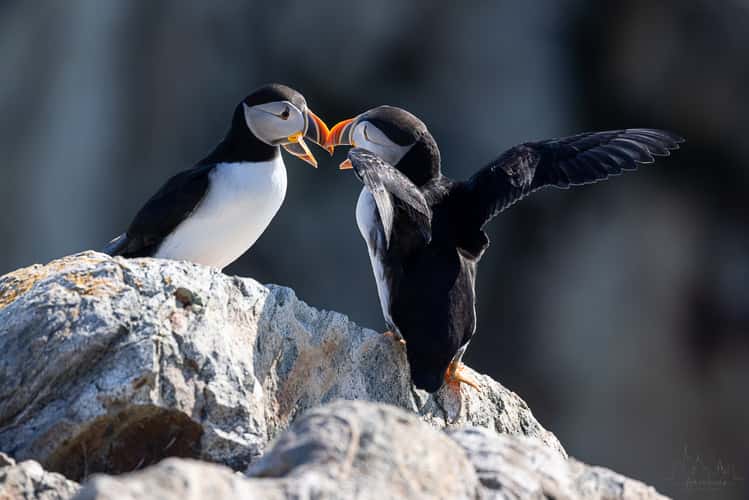
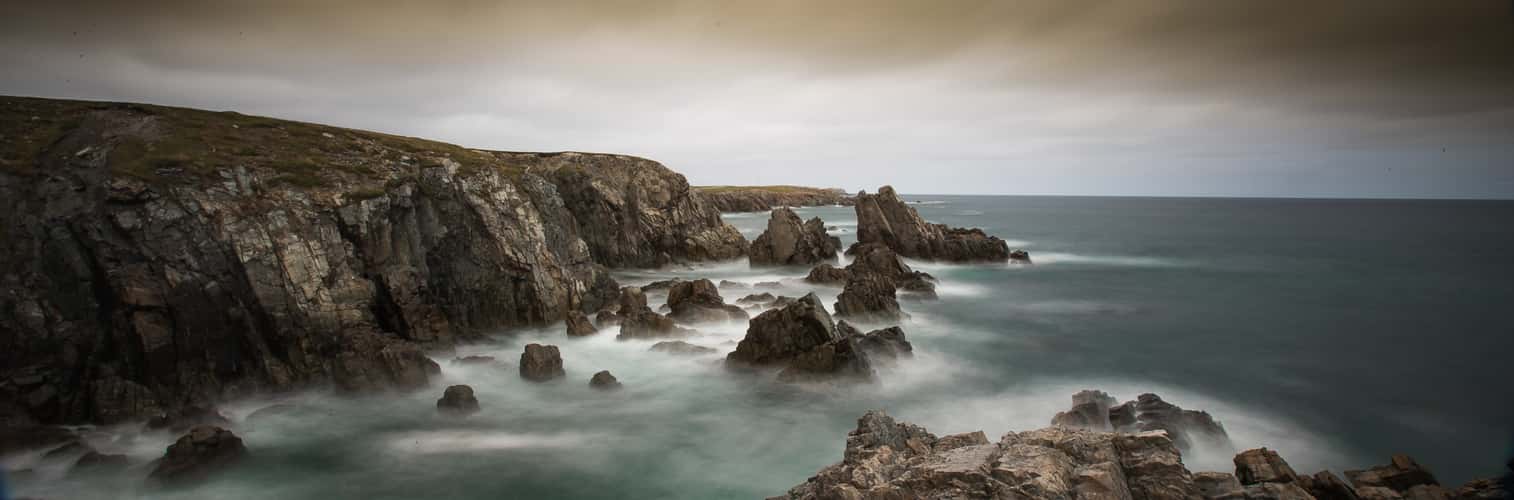
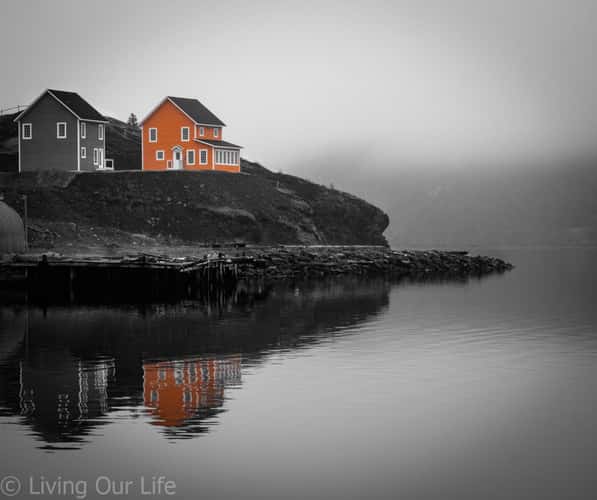
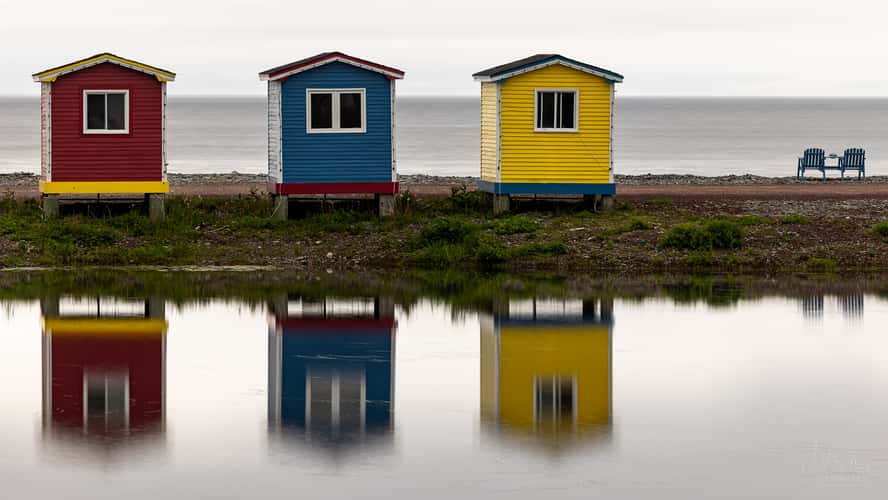
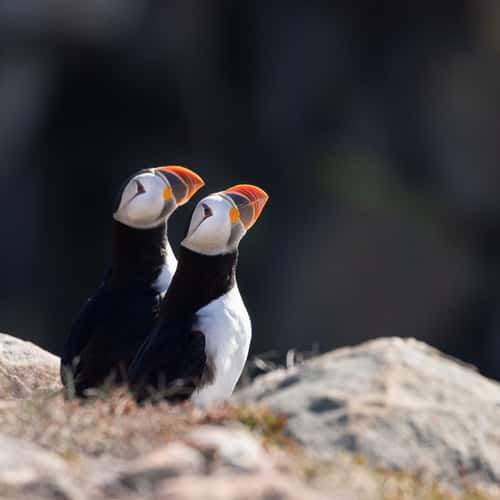
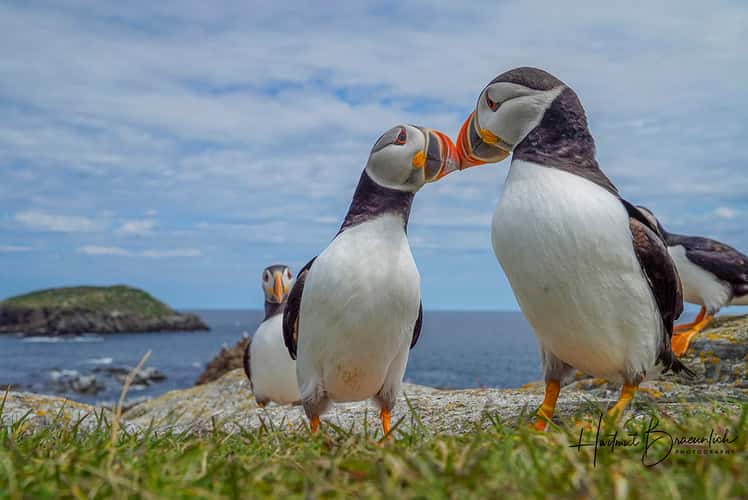
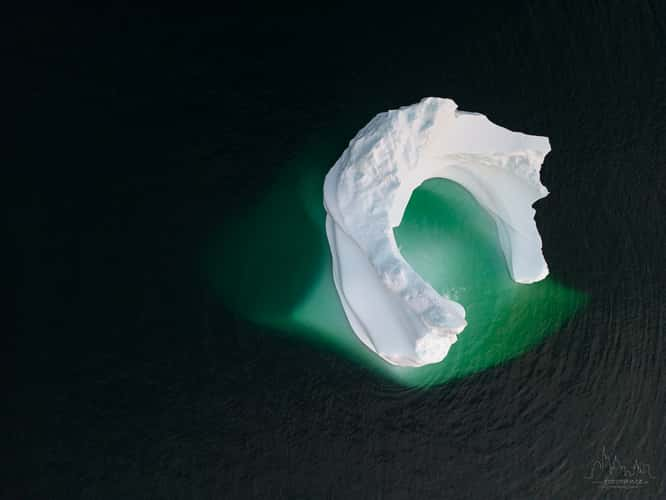
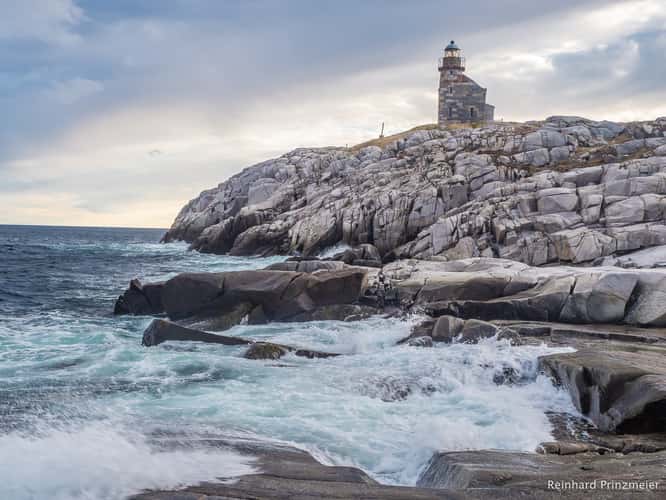
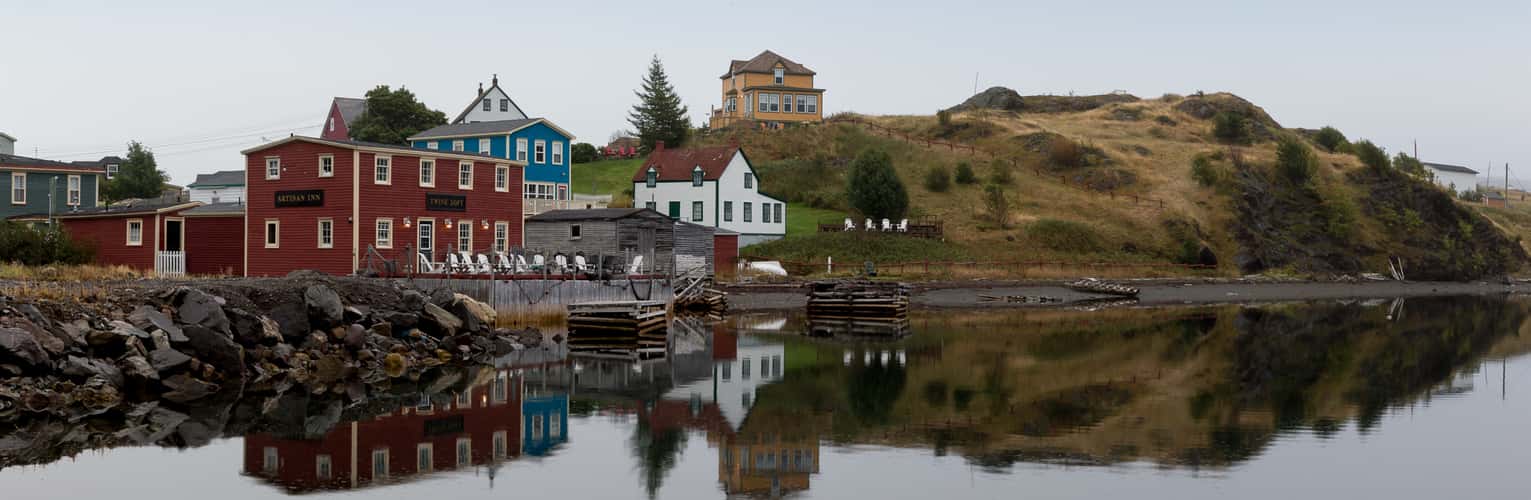
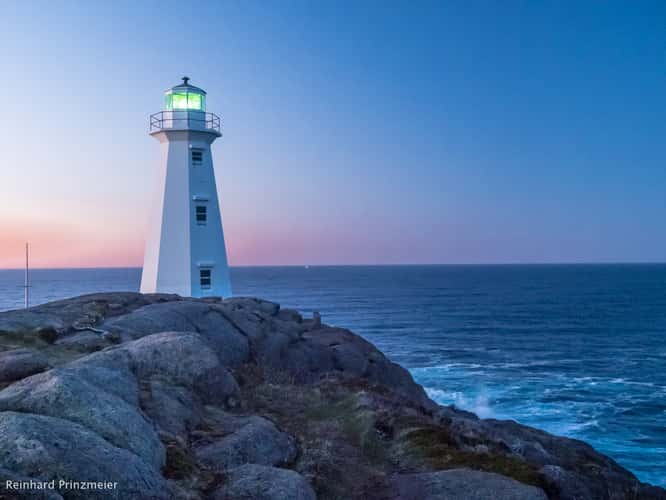
From the towering cliffs of Gros Morne National Park to the iceberg-dotted horizon of the northern coast, the scale of the island is immense. Photographers will find a wealth of subjects including the world's largest concentration of humpback whales, thousands of nesting Atlantic puffins, and historic lighthouses that have guided sailors for centuries. The light here is particularly special, with maritime mists and Atlantic storms providing a moody atmosphere that enhances the textures of the rugged terrain. Beyond the landscapes, the brightly painted houses of St. John's and the intimate fishing villages offer vibrant color palettes that contrast beautifully with the dark sea.

Best timing

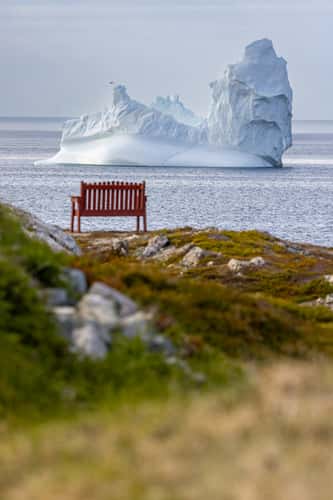
Late May through June is the best time for those wishing to capture the trifecta of icebergs, whales, and seabirds. During this window, giant bergs drift through Iceberg Alley while humpbacks begin to arrive and puffins return to their nesting colonies.

September and October are excellent alternatives for photographers interested in the changing colors of the barrens and fewer crowds. The autumn light is softer and lower in the sky, providing longer windows for golden hour photography across the dramatic coastal terrain.

Traveling

Access to the island is typically through St. John's International Airport or the Deer Lake Regional Airport for those heading to the west coast. Alternatively, vehicle ferries run from North Sydney, Nova Scotia, to Port aux Basques or Argentia. A rental car is mandatory for any photography trip, as locations are spread out and public transportation is virtually non-existent outside the capital. Roads are generally well-maintained, but photographers should exercise extreme caution when driving at night due to the high density of moose on the island.

Photography tips for Newfoundland

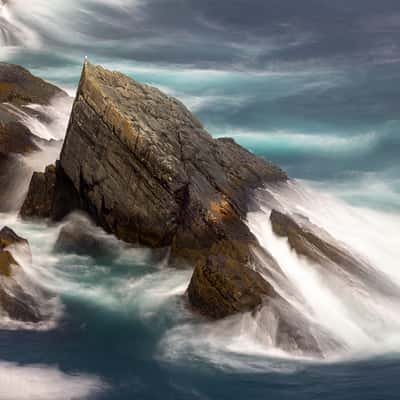
Ensure you have a sturdy tripod and a weather-sealed camera, as Newfoundland is famously windy and prone to sudden rain. A telephoto lens (300mm or longer) is necessary for capturing puffins at Elliston or Cape St. Mary's and for getting detailed shots of distant icebergs. Polarizing filters are essential for managing reflections on the water and saturating the colors of the ocean and lush vegetation. For landscape compositions, look for leading lines provided by the jagged coastal rocks and use long exposures to soften the crashing Atlantic surf against the static cliffs.

Other languages

Here is how Newfoundland is called in other languages:
CS Newfoundland DE Neufundland EL Νέα Γη ES Terranova FI Newfoundland FR Terre-Neuve HI न्यूफ़ाउंडलैंड HR Newfoundland IS Nýfundnaland IT Terranova JA ニューファンドランド NL Newfoundland NO Newfoundland PL Nowa Fundlandia PT Terra Nova RU Ньюфаундленд SV Newfoundland TR Newfoundland ZH 纽芬兰

Other islands in Canada

Imprint & Contact © Locationscout 2026 Privacy / Terms